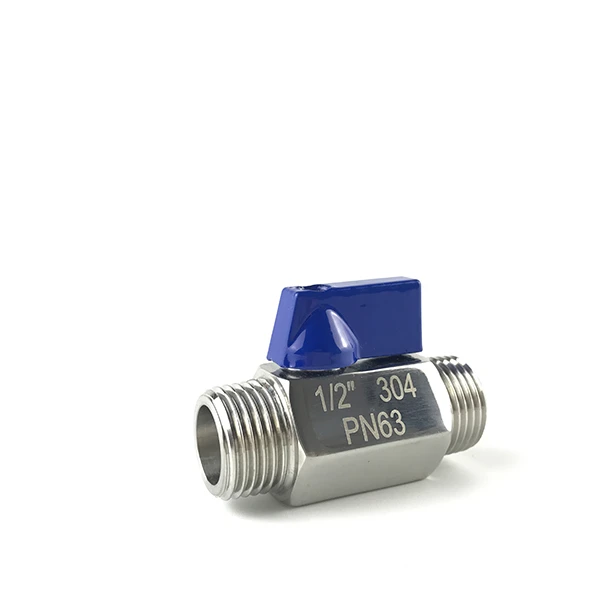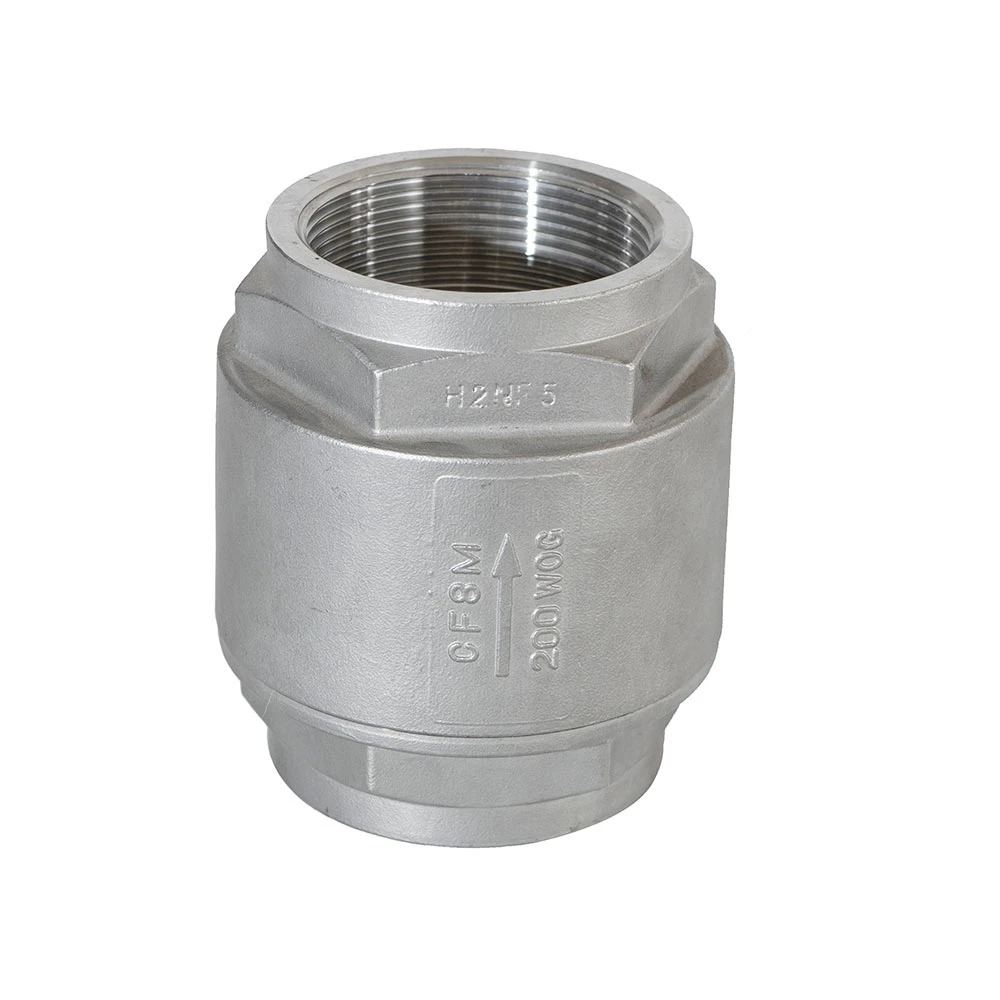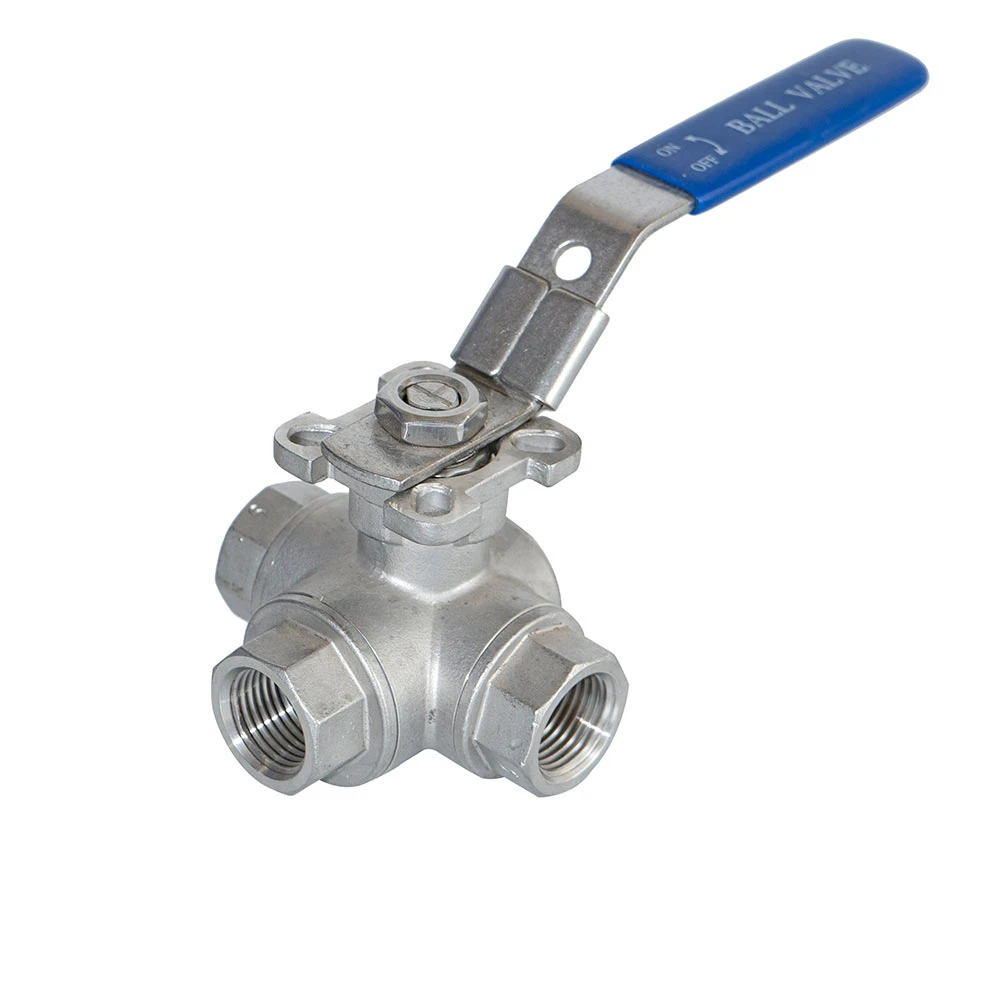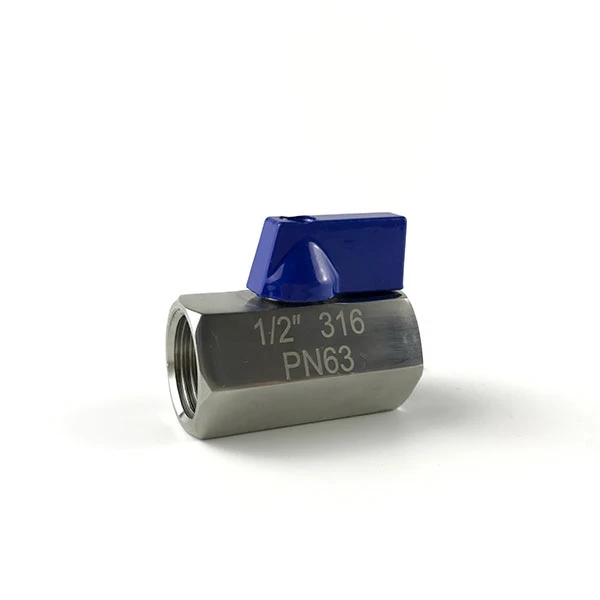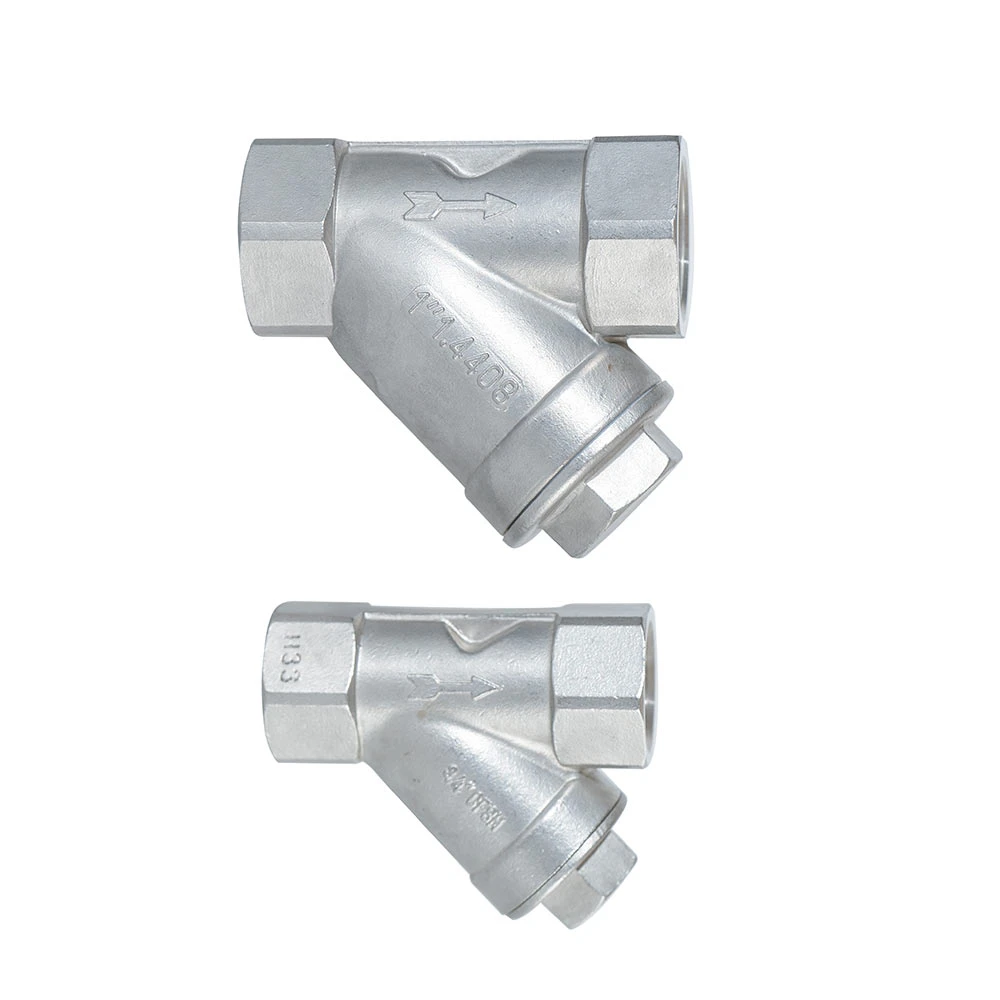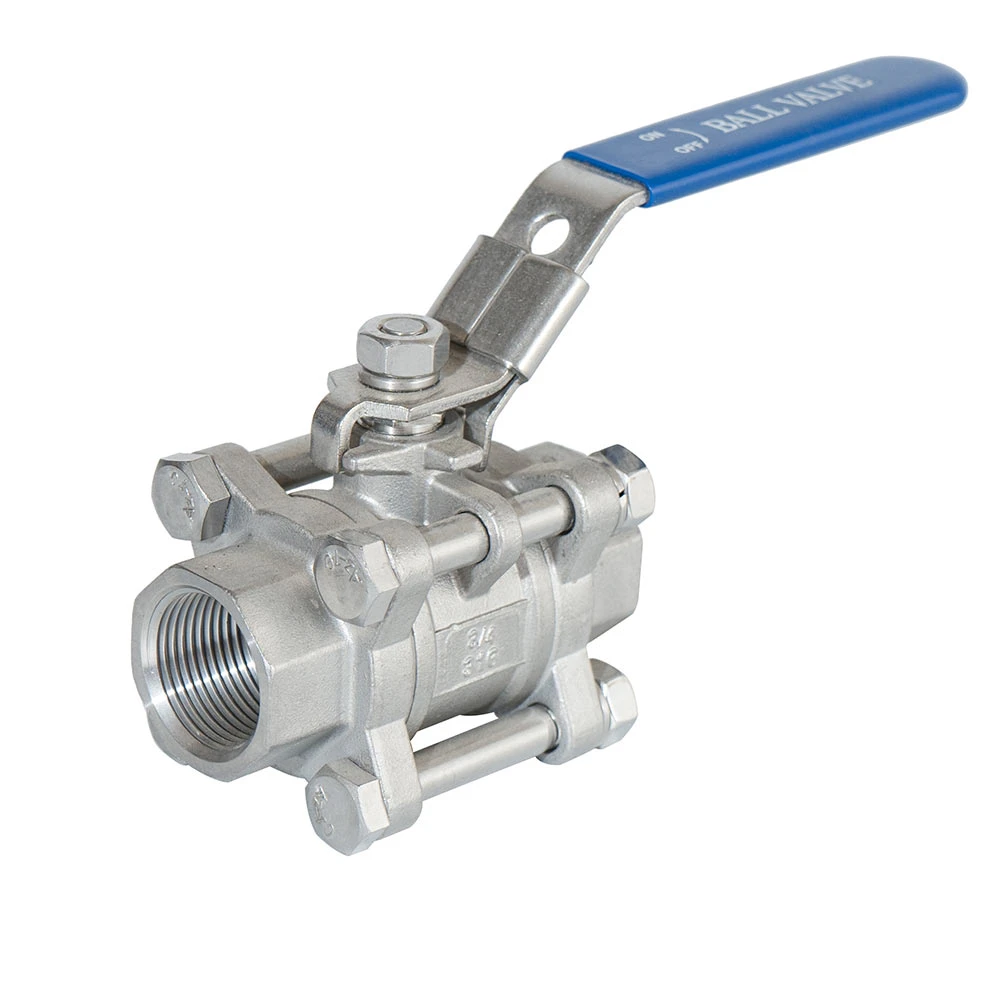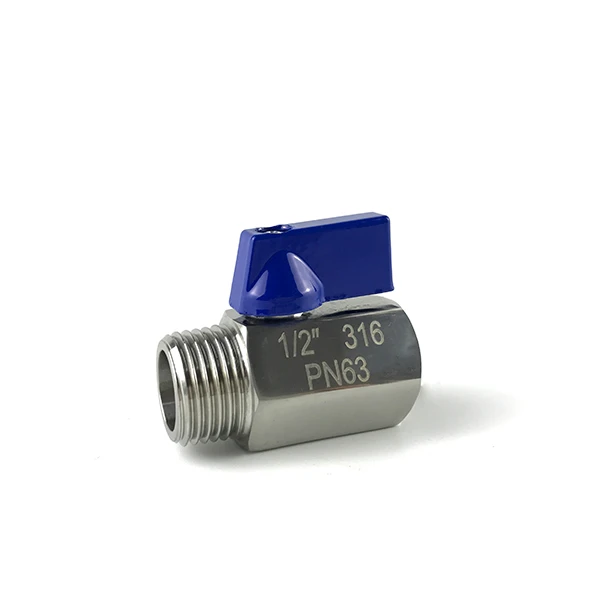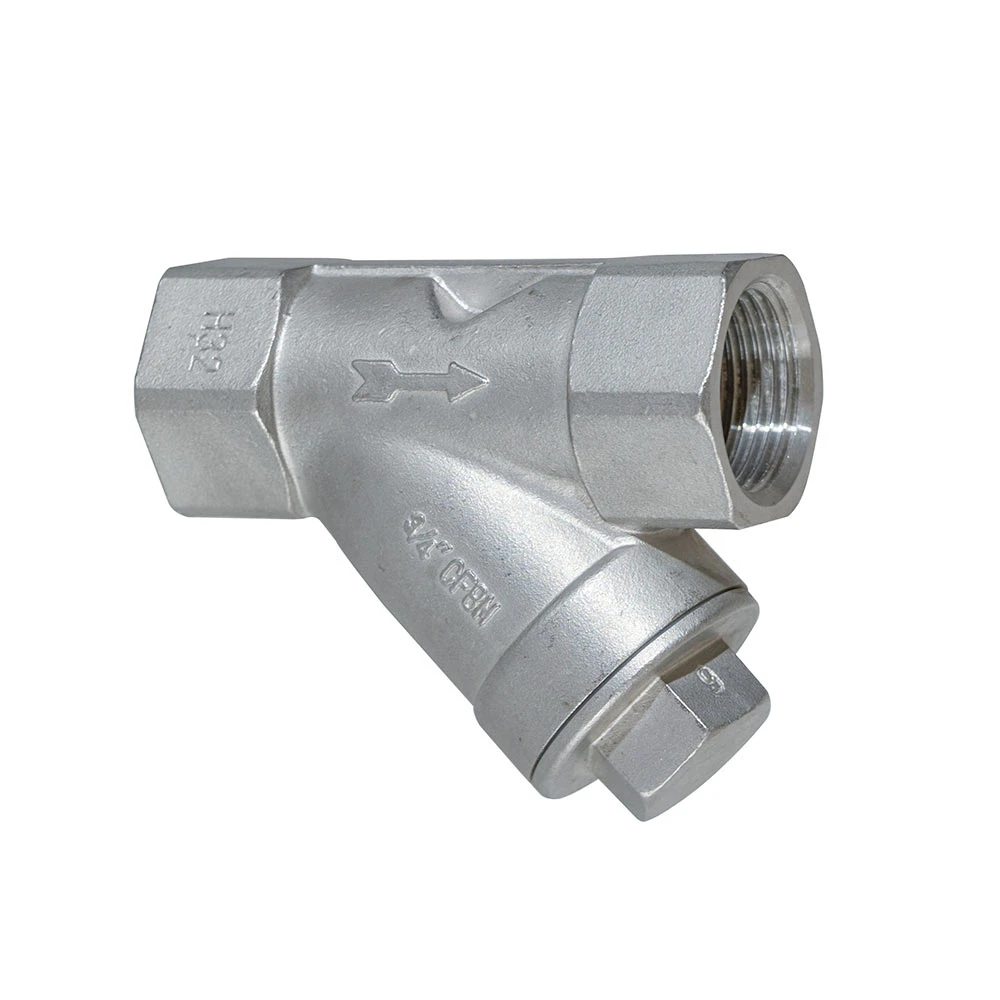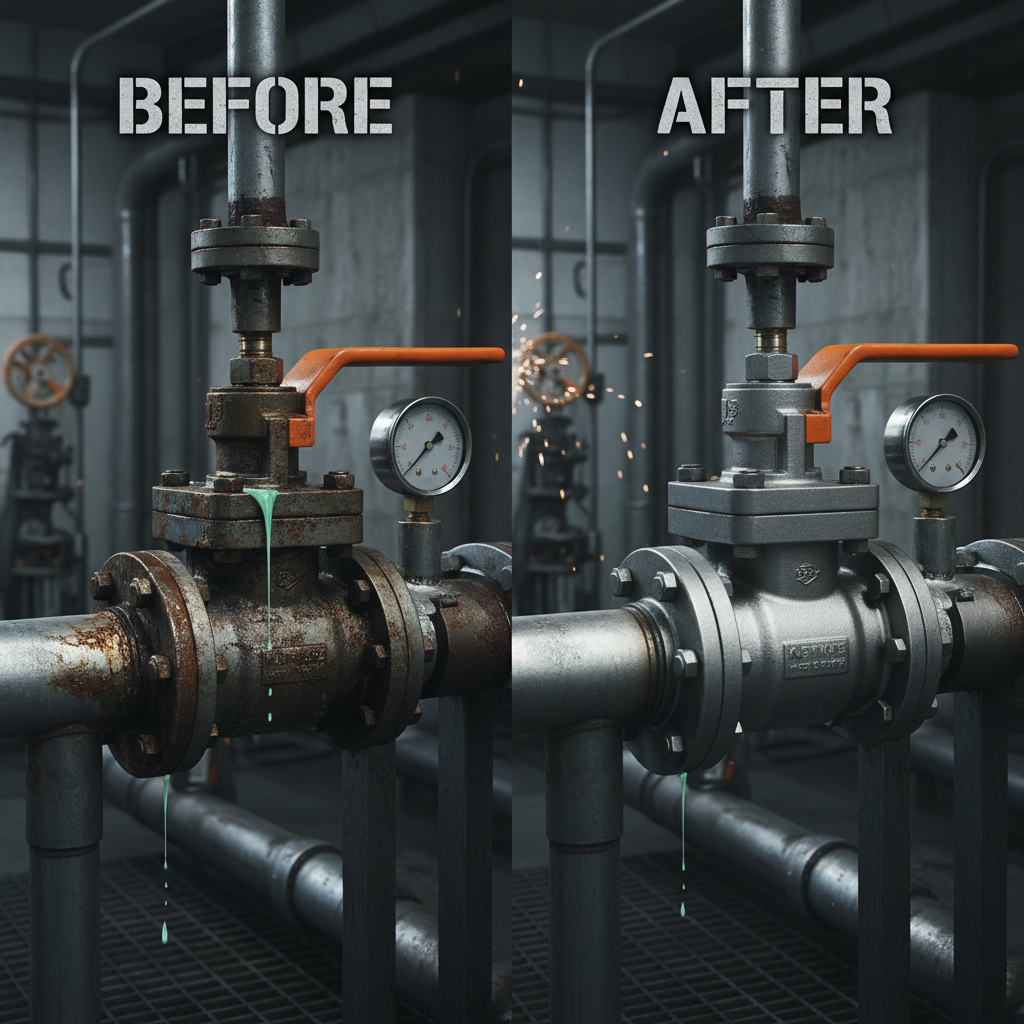
Stainless Steel Flap Valve is a key solution in the industry, specifically within fluid control and flow management sectors. This article explores how https://www.houdevalve.com supports professionals with durable, high-performance products, and explains why this product is an ideal choice for businesses in these sectors.
Table of Contents
- Stainless Steel Flap Valve Overview
- Benefits & Use Cases of Stainless Steel Flap Valve
- Cost, Maintenance & User Experience
- Sustainability & Market Trends
Stainless Steel Flap Valve Overview
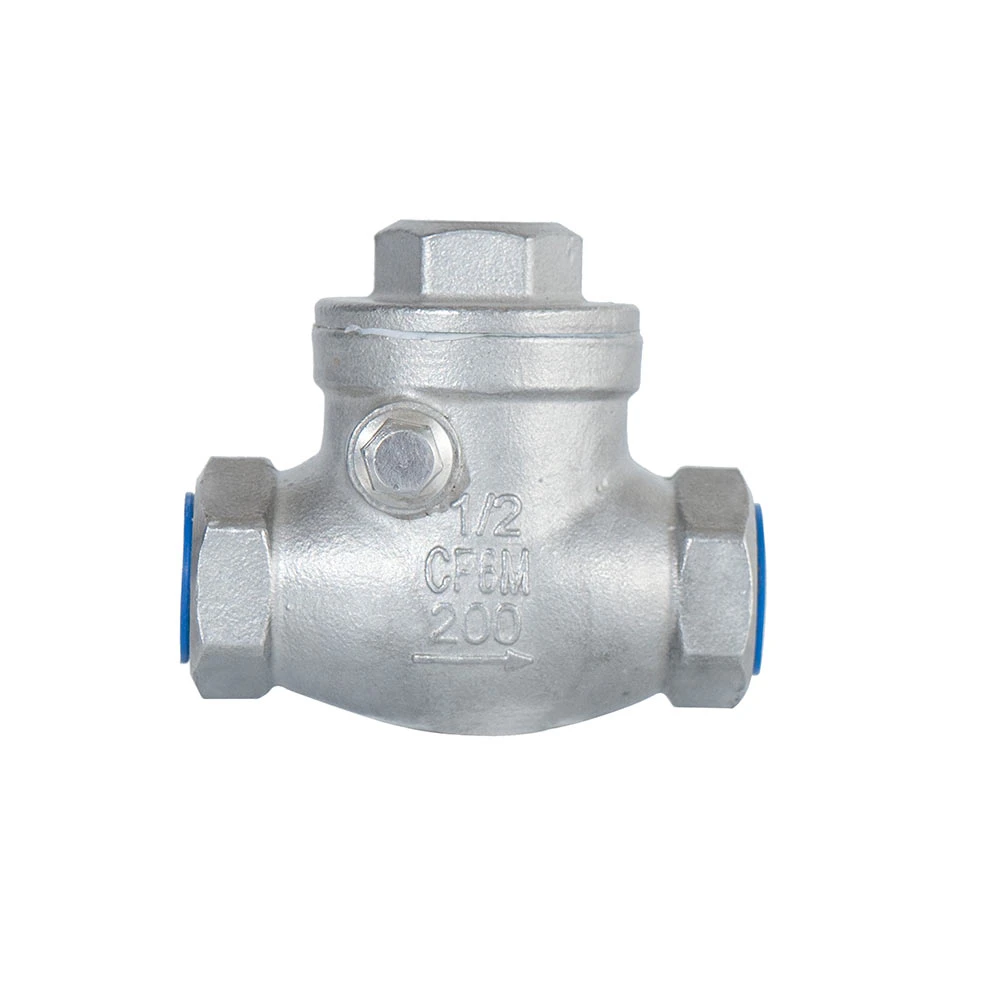
So, what exactly is a Stainless Steel Flap Valve? At its core, it’s a valve designed to allow fluid flow in one direction while preventing backflow, much like a gatekeeper for pipelines. The stainless steel construction ensures remarkable resistance to corrosion, which frankly is essential because you don’t want your valves to deteriorate in industrial environments where moisture or chemicals are common.
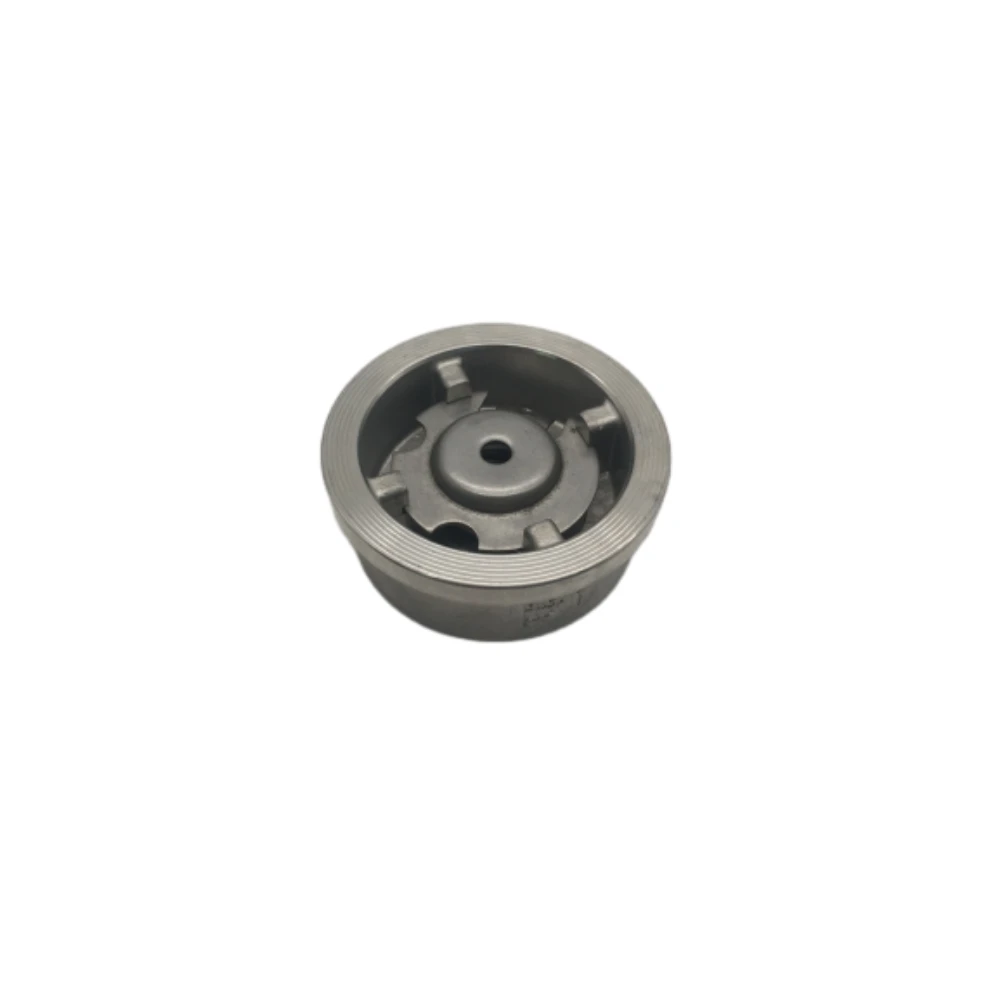
Houde Valve’s models often feature precision-engineered discs hinged to open under flow pressure and close tightly to prevent backflow. Technically, these valves come in multiple sizes and grades of stainless steel – such as SS304 or SS316 – depending on the application’s demands. I noticed many engineers appreciate the rigorous testing Houde applies to their valves, including pressure, fatigue, and sealing tests, which all contribute to peace of mind.
| Specification | Details |
|---|---|
| Materials | Stainless Steel 304, 316 |
| Pressure Rating | Up to 16 bar (232 psi) |
| Temperature Range | -20°C to 200°C |
| Sizes Available | DN15 to DN300 (0.5" - 12") |
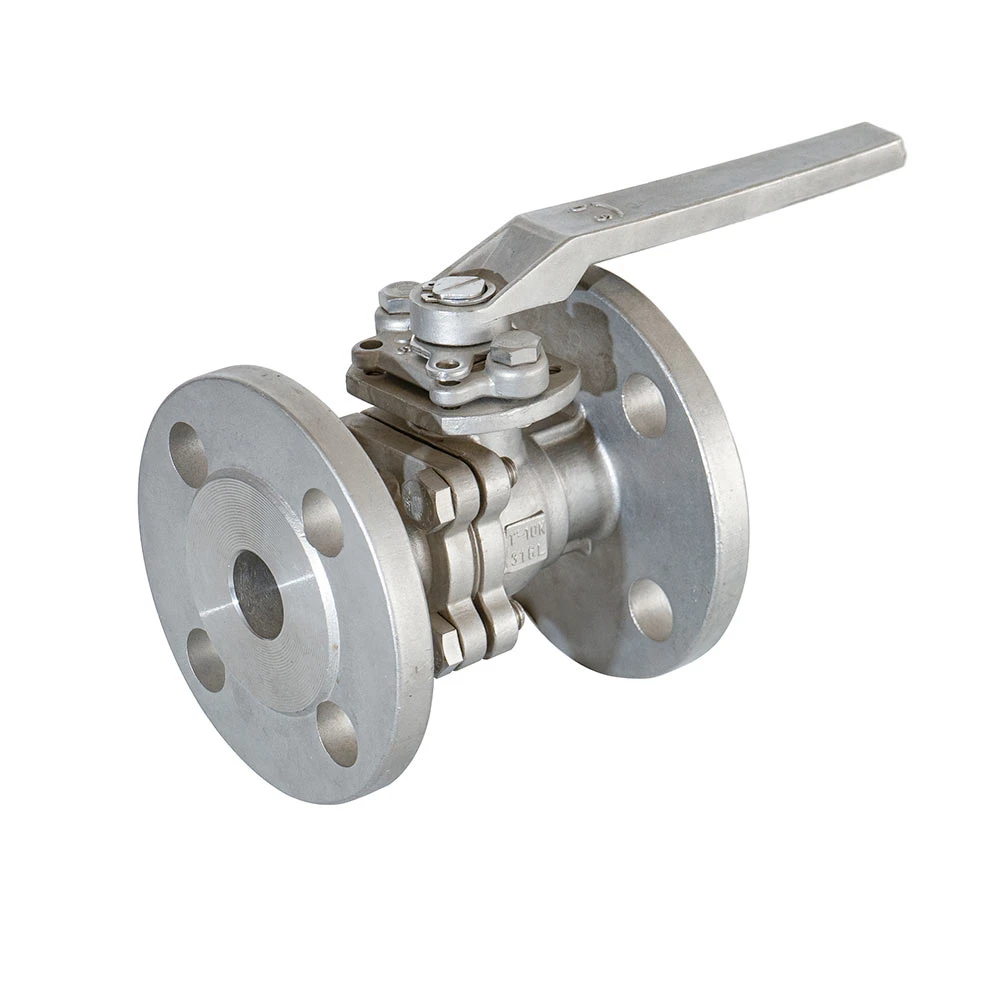
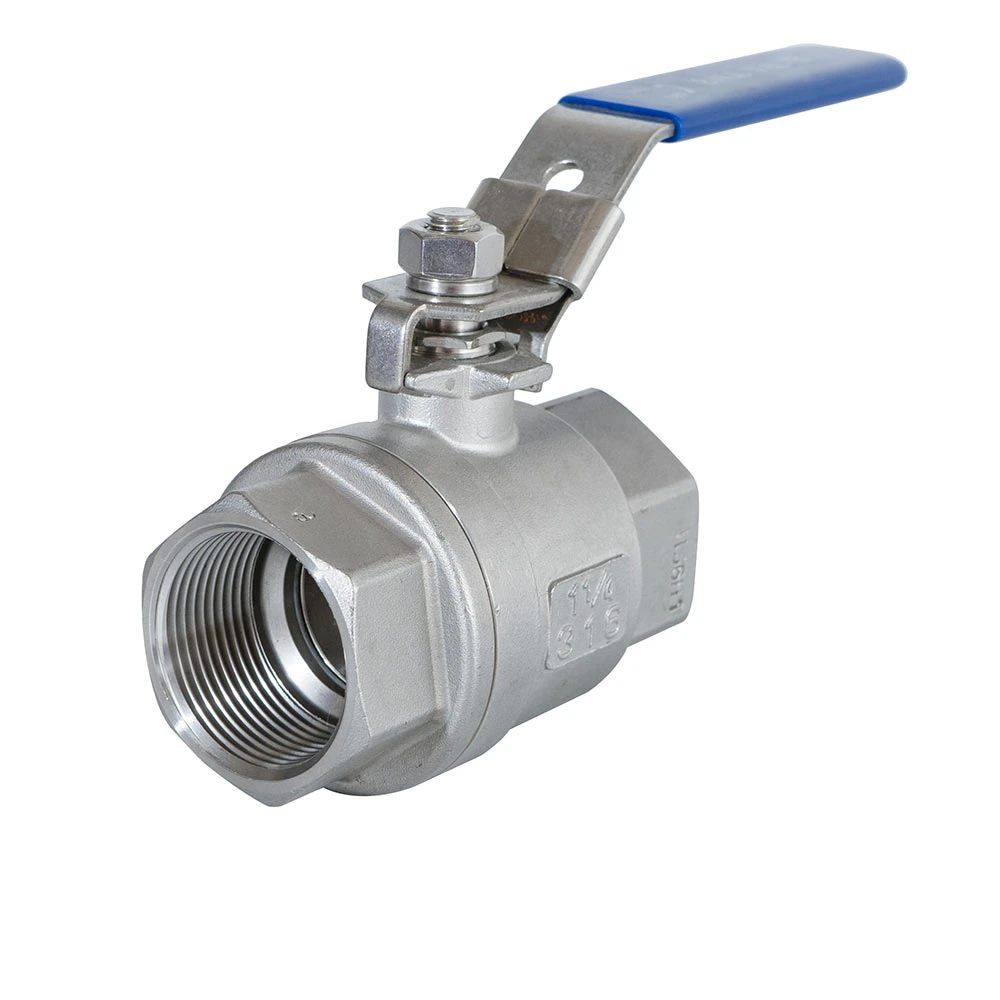
| Connection Type | Flanged, Threaded |
Benefits & Use Cases of Stainless Steel Flap Valve
In real terms, the Stainless Steel Flap Valve shines in applications that demand reliable one-way fluid management — think water treatment plants, chemical processing, and even food & beverage industries where hygiene and material purity are paramount. The stainless steel body handles harsh conditions without warping or corroding, so downtime is often minimized.
This valve type also helps reduce pressure loss in pipelines compared to more complex check valves, which frankly is great for energy efficiency. Many users say Houde Valve’s flap valves feature smooth disc action and tight sealing, which prevents leakage and associated risks. Plus, they’re designed to be retrofit easily into existing systems, which saves installation time and cost.
Vendor Comparison: Stainless Steel Flap Valve
| Feature | Houde Valve | Competitor A | Competitor B |
|---|---|---|---|
| Material Quality | SS304/316 | SS304 | SS304 |
| Pressure Handling | Up to 16 bar | 10 bar | 12 bar |
| Seal Technology | PTFE/Rubber Hybrid | Rubber Only | PTFE Only |
| Lead Time | 2-4 weeks | 6 weeks | 4 weeks |
| Custom Options | Available | Limited | Available |
Cost, Maintenance & User Experience
If you’re weighing investment, it’s not just the sticker price that counts. The Stainless Steel Flap Valve offers excellent total cost of ownership thanks to its durability – you avoid frequent replacements. Houde Valve customers often report that these valves maintain tight sealing and reliable operation after years of harsh use, so maintenance is mostly limited to routine checks.
In fact, one industrial water facility manager recently shared that switching to Stainless Steel Flap Valves from Houde drastically cut their downtime. The valve’s easy access for inspection and modular parts mean less hassle when maintenance does occur, which frankly is welcome news for maintenance teams juggling many responsibilities.
Sustainability & Market Trends
The industry’s slowly but surely moving towards greener, more sustainable setups — valves are no exception. Stainless Steel Flap Valves’ corrosion resistance means longer lifespan and less waste. Plus, stainless steel is highly recyclable, so at the end of its life, the valve can feed back into the metal supply chain without generating hazardous waste. This fits well with tightening regulations focused on environmental impact.
Also, growing industrial automation pushes for valves that operate reliably with minimal human intervention – you can’t optimize flow systems if valves keep failing. Houde Valve’s commitment to innovation, including improving sealing materials and streamlining valve design, aligns well with where the market’s heading.
Frequently Asked Questions about Stainless Steel Flap Valve
- What is Stainless Steel Flap Valve and how does it work?
- It’s a valve allowing fluid to flow in one direction by opening a hinged disc when pressure pushes through, and closing it when flow tries to reverse, preventing backflow.
- What are the main benefits of using Stainless Steel Flap Valve in industrial applications?
- Durability, corrosion resistance, low pressure loss, easy maintenance, and strong sealing – all leading to improved system reliability.
- How does Stainless Steel Flap Valve compare to traditional alternatives?
- Compared to older materials or designs, they tend to last longer, resist corrosion better, and often provide tighter seals with less pressure drop.
- What industries can benefit most from Stainless Steel Flap Valve implementation?
- Water treatment, chemical processing, food & beverage, power generation, and HVAC sectors — basically anywhere reliable fluid control is vital.
Conclusion on Stainless Steel Flap Valve from china
In short, Stainless Steel Flap Valves are a smart, cost-effective investment for industrial applications demanding reliable one-way flow control with minimal maintenance. Their corrosion resistance and design flexibility, especially those from trusted suppliers like Houde Valve, make them stand out. If you’re looking to upgrade or specify valves, you might want to check out what Houde Valve offers – it feels like a worthwhile exploration.
- Reliable corrosion-resistant materials and tested performance
- Broad industrial use with customization options
Visit our website: https://www.houdevalve.com
References:
- Houde Valve technical resources (2024)
- Industry reports on valve market trends (2023)
- Customer testimonials & case studies (2022–2024)