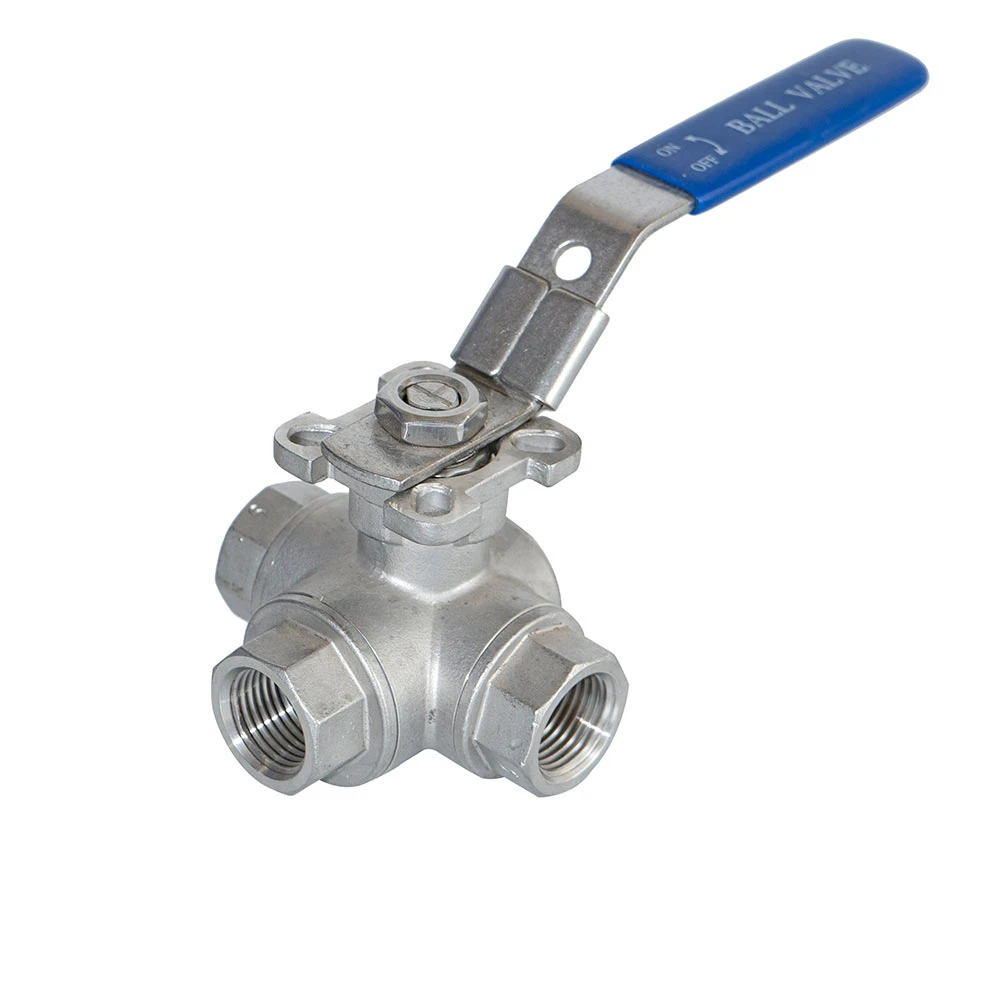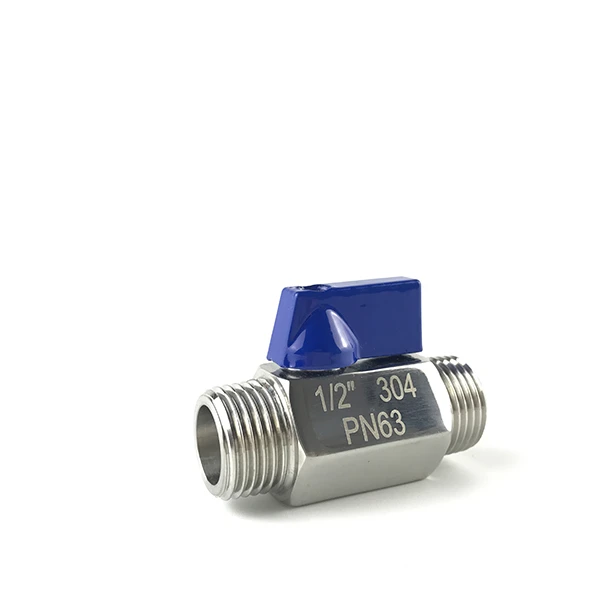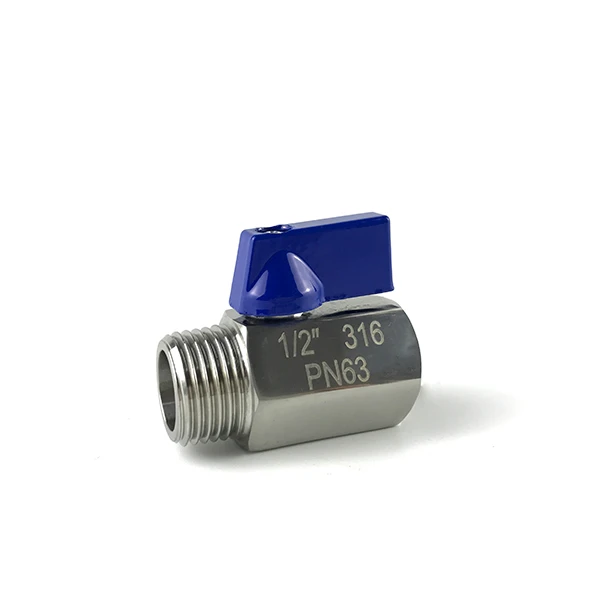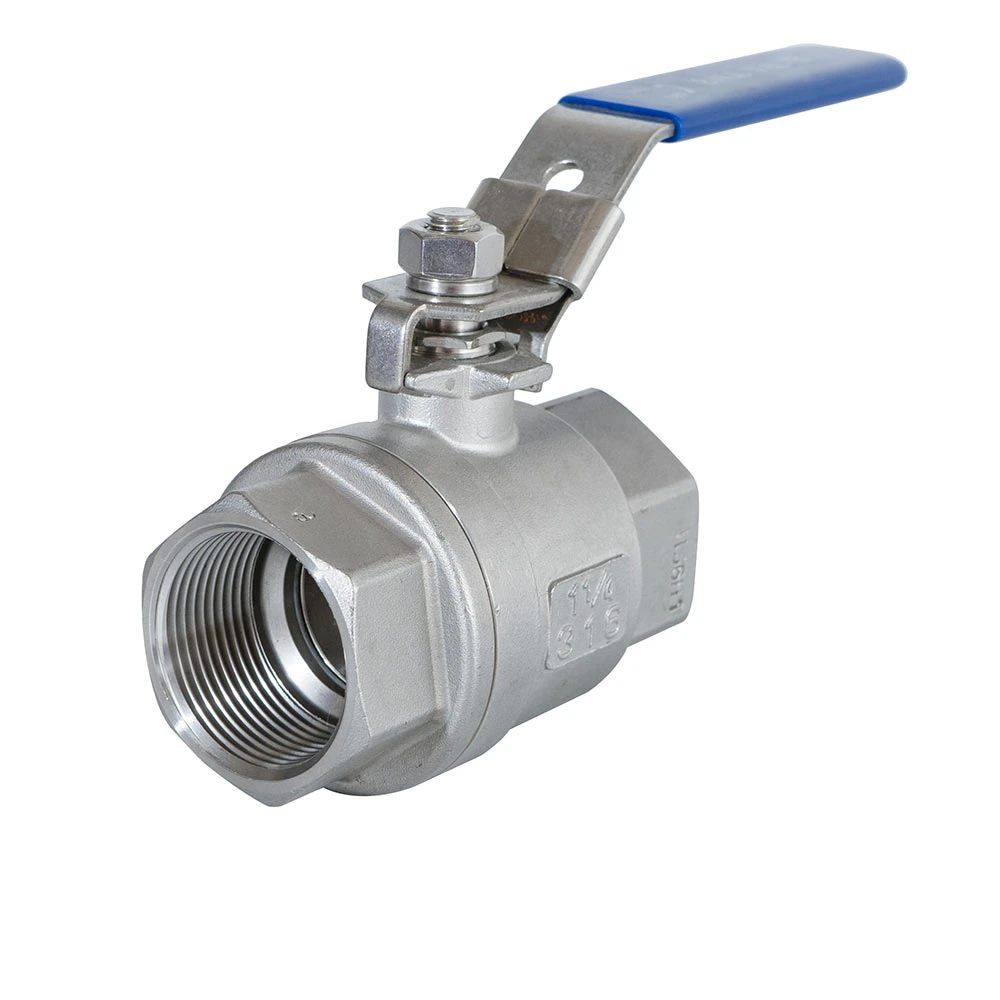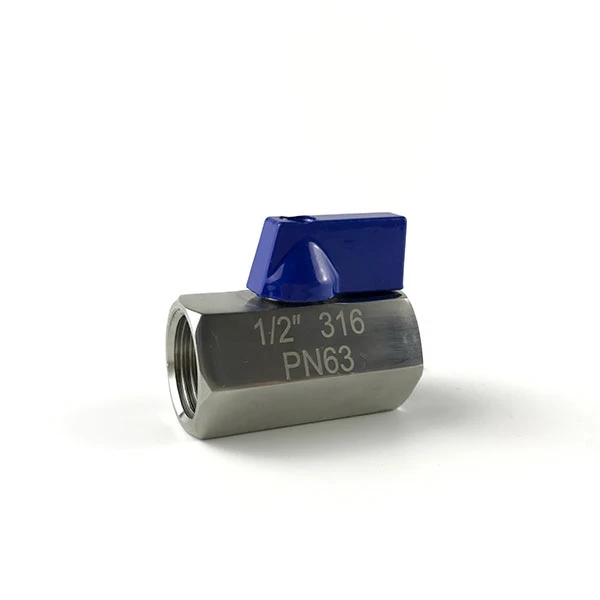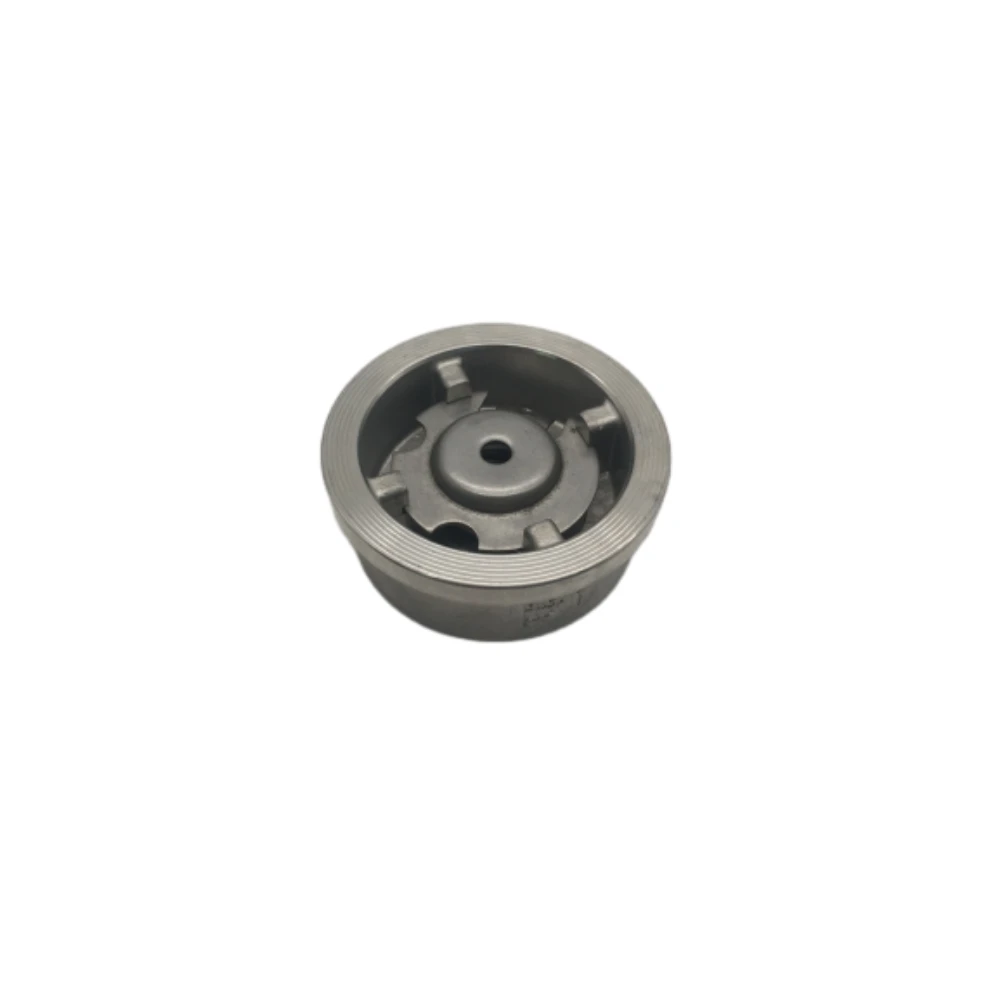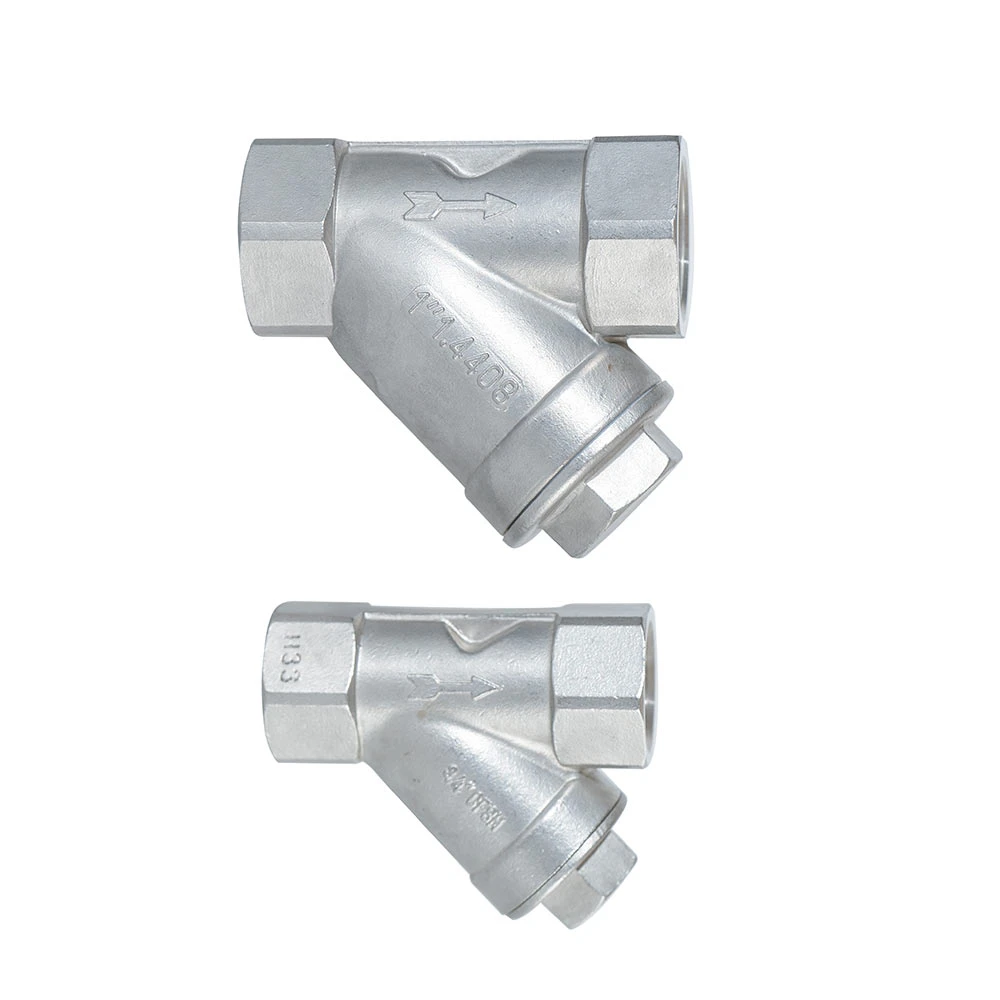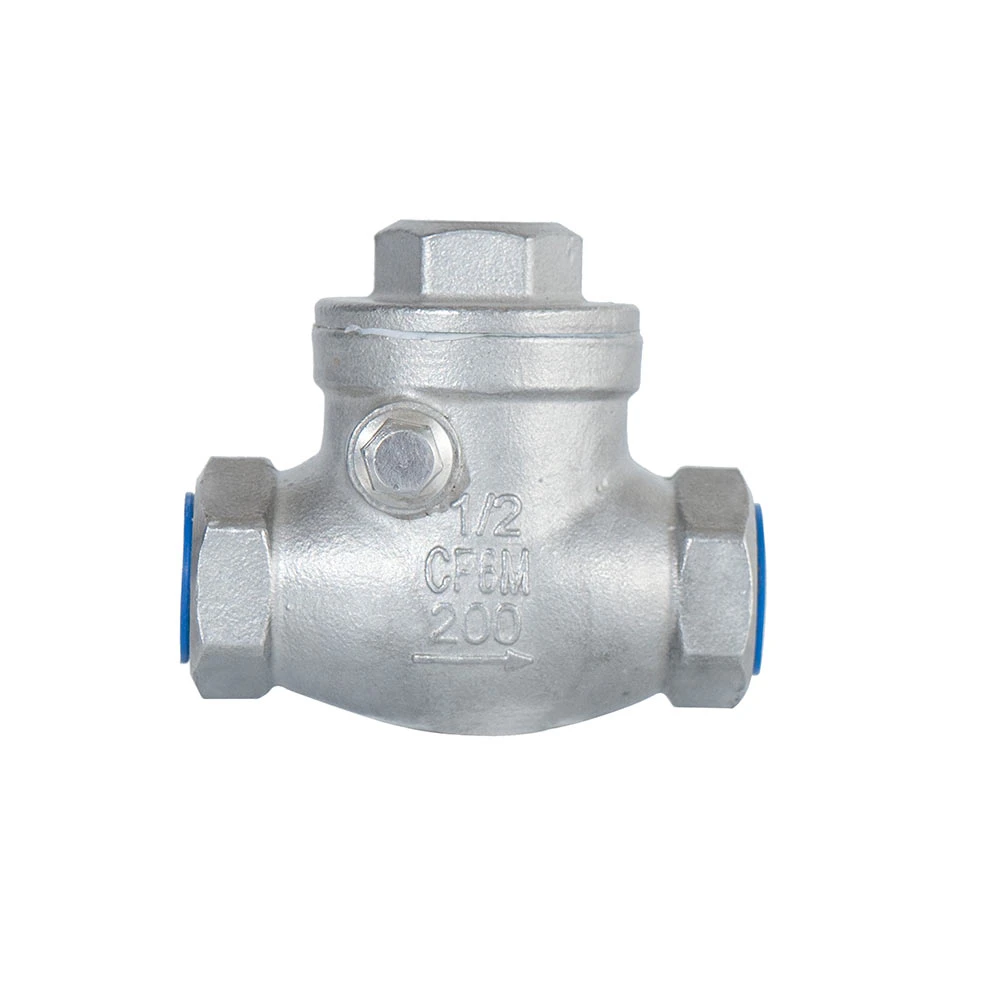
Stainless Steel Gas Valve is a key solution in the industry, specifically within energy, chemical processing, and heavy manufacturing sectors. This article explores how https://www.houdevalve.com supports professionals with durable, high-performance products, and explains why this product is an ideal choice for businesses in these sectors.
Table of Contents
- Stainless Steel Gas Valve Overview
- Benefits & Use Cases of Stainless Steel Gas Valve
- Cost, Maintenance & User Experience
- Sustainability & Market Trends
Stainless Steel Gas Valve Overview
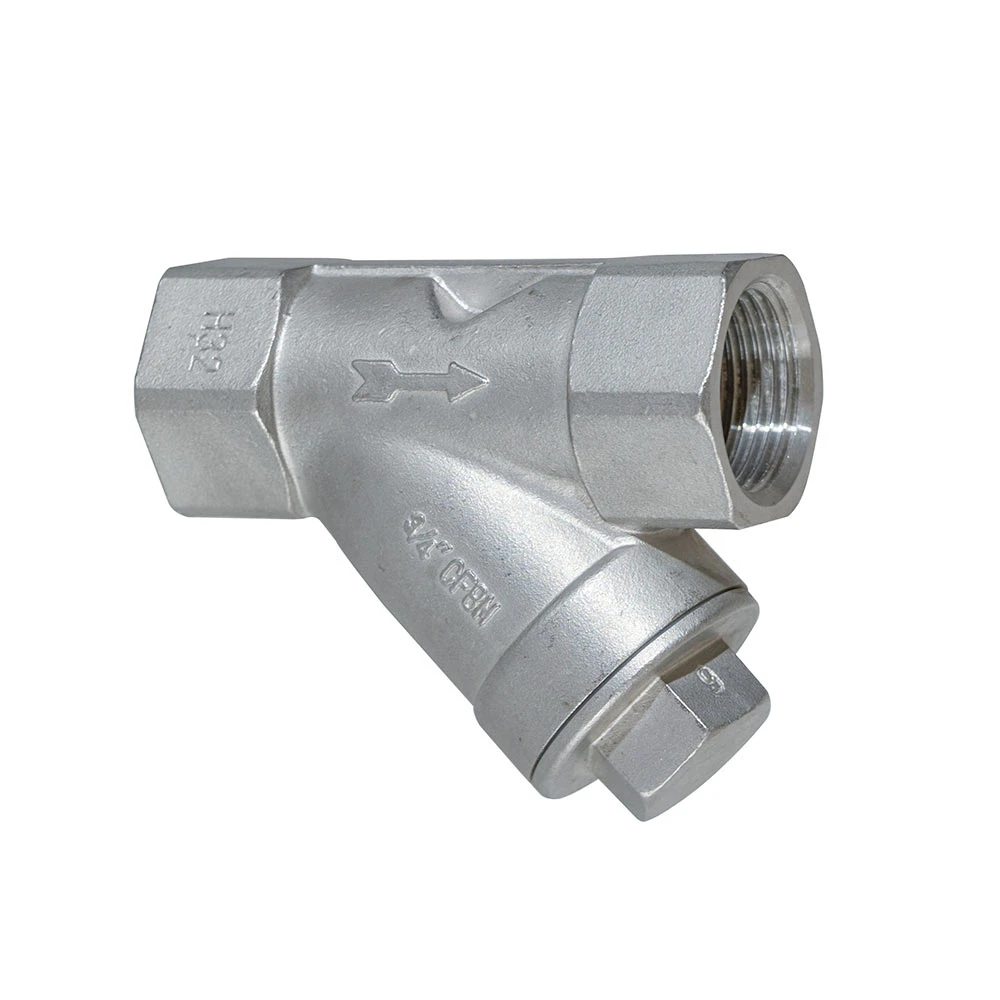
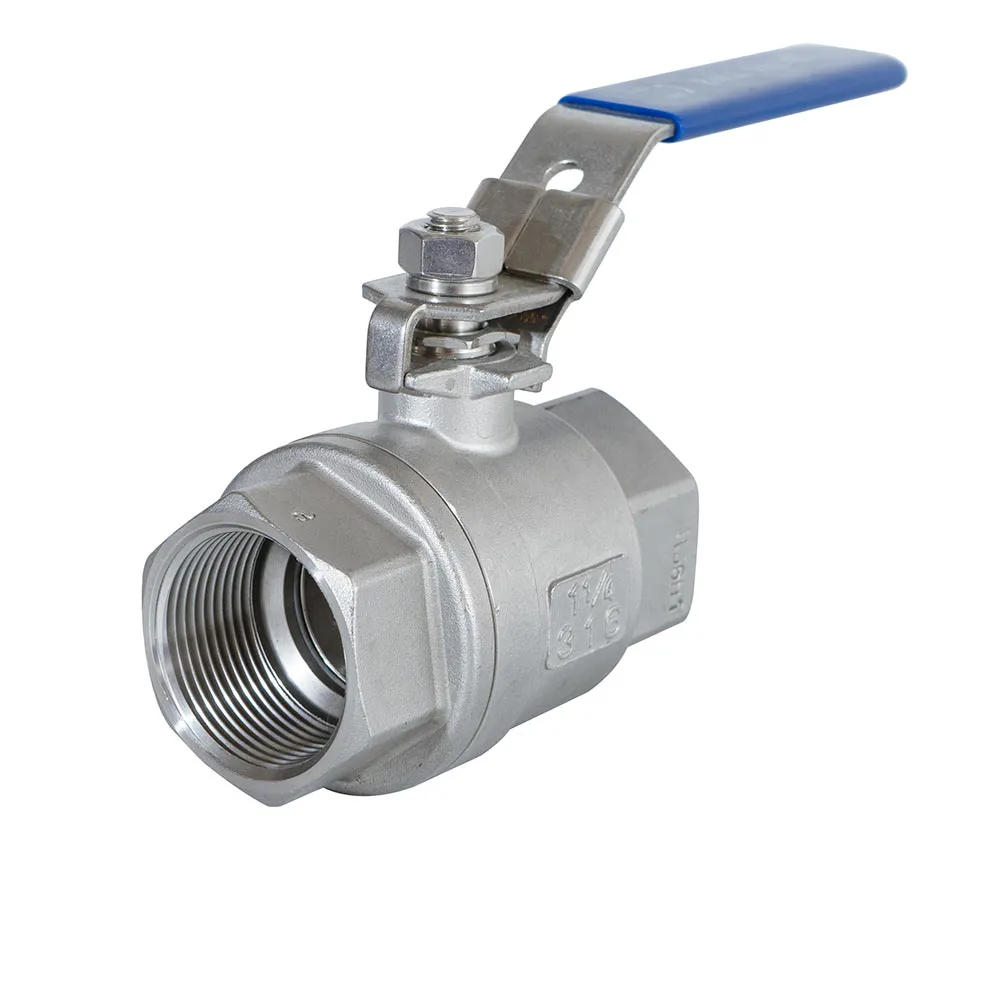
In simple terms, the Stainless Steel Gas Valve is a precision-engineered device designed to control the flow of gas through a pipeline or system. Made primarily from robust stainless steel alloys – often grades like 304 or 316 – these valves are prized for their corrosion resistance and mechanical strength. Oddly enough, while valves might seem like just “parts,” in reality, they’re the gatekeepers of safety and efficiency in industrial setups.
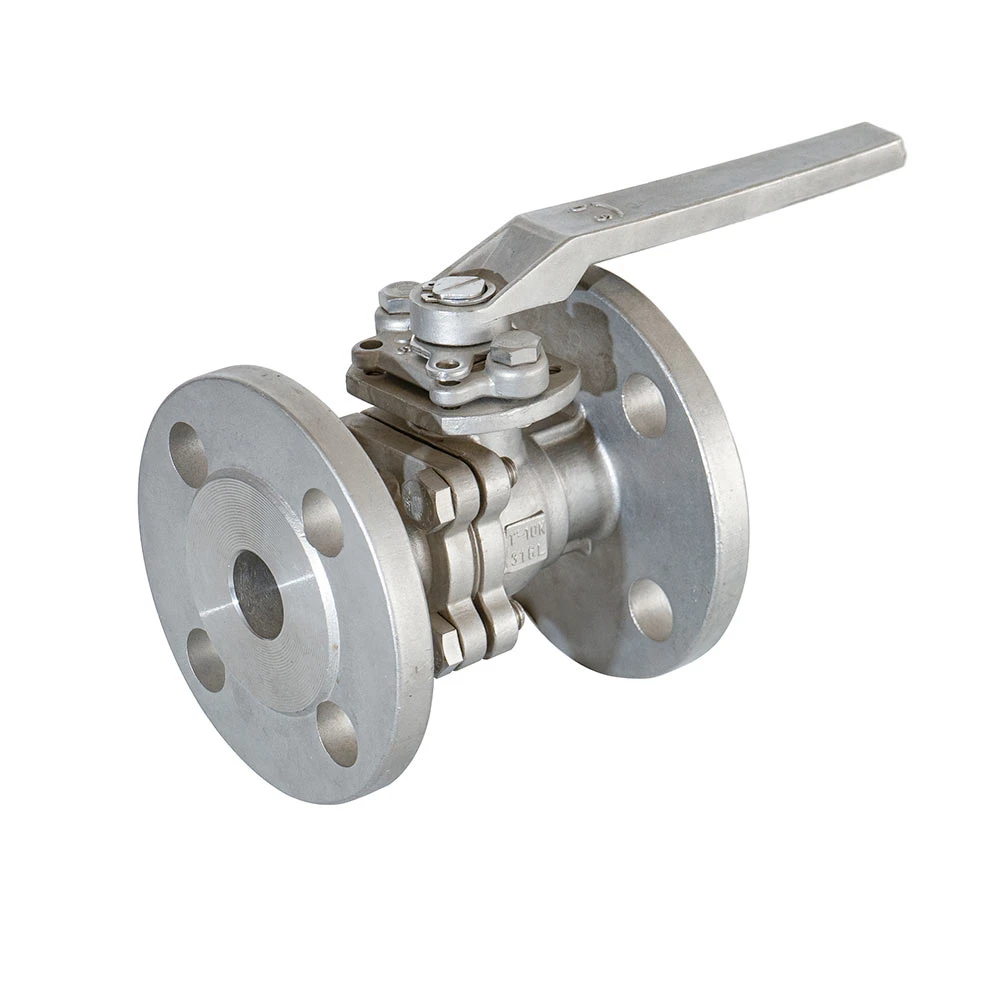
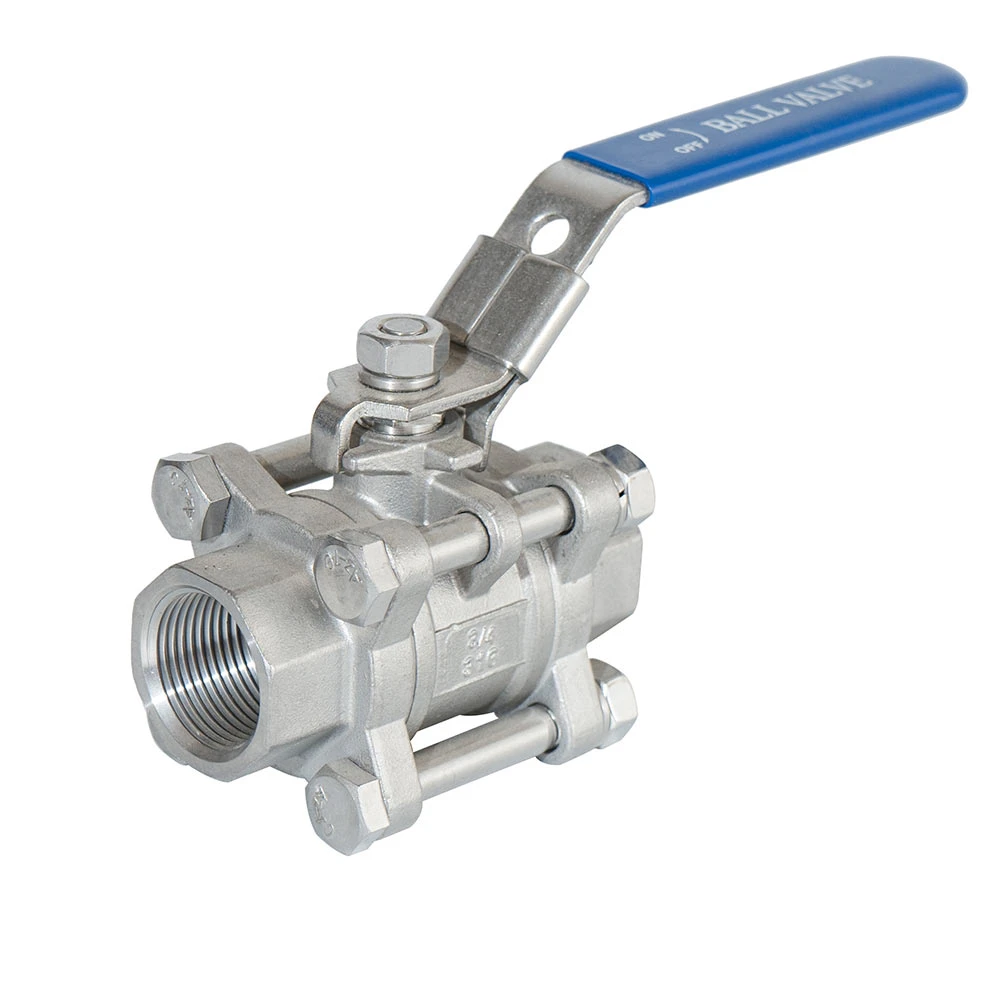
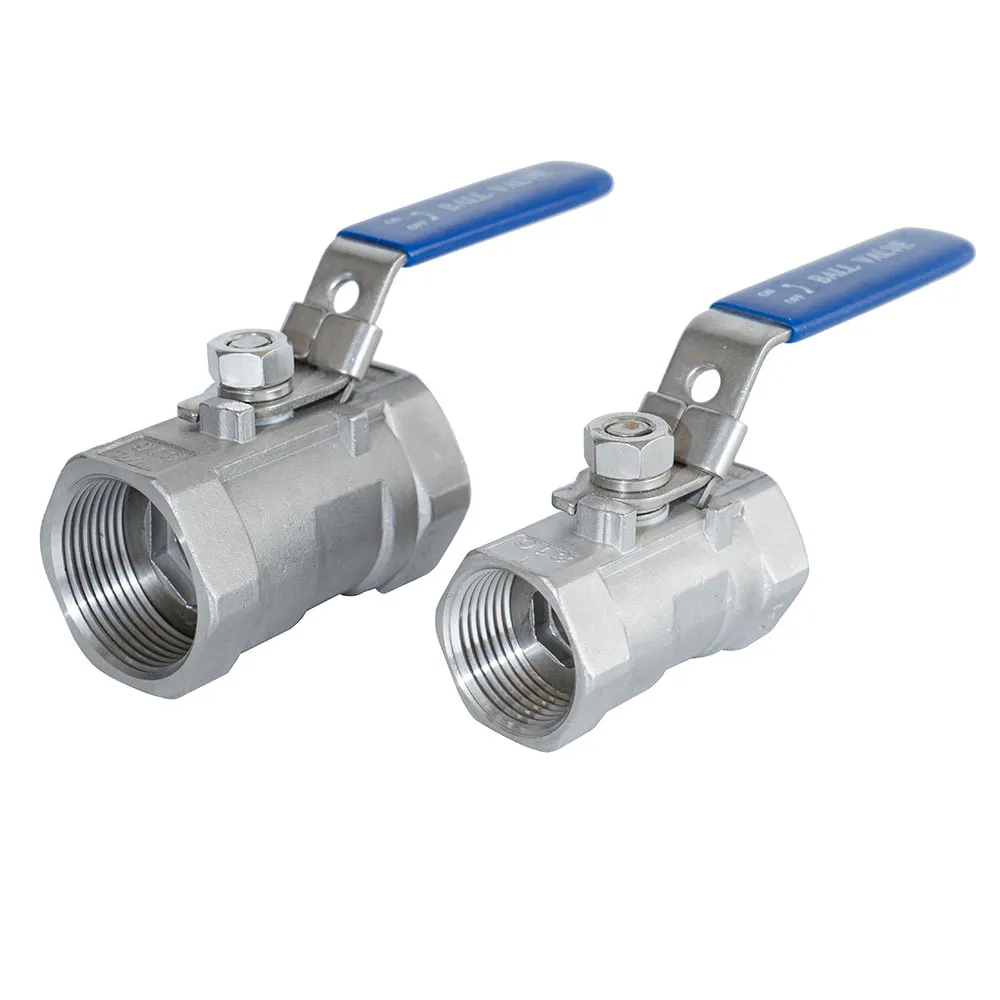
- The valves come in various types: ball, gate, globe, and needle valves, each tailored to specific flow control needs.
- Technical specifications often include pressure ratings up to 1000 PSI and operating temperatures from -20°C to 200°C, covering many application needs.
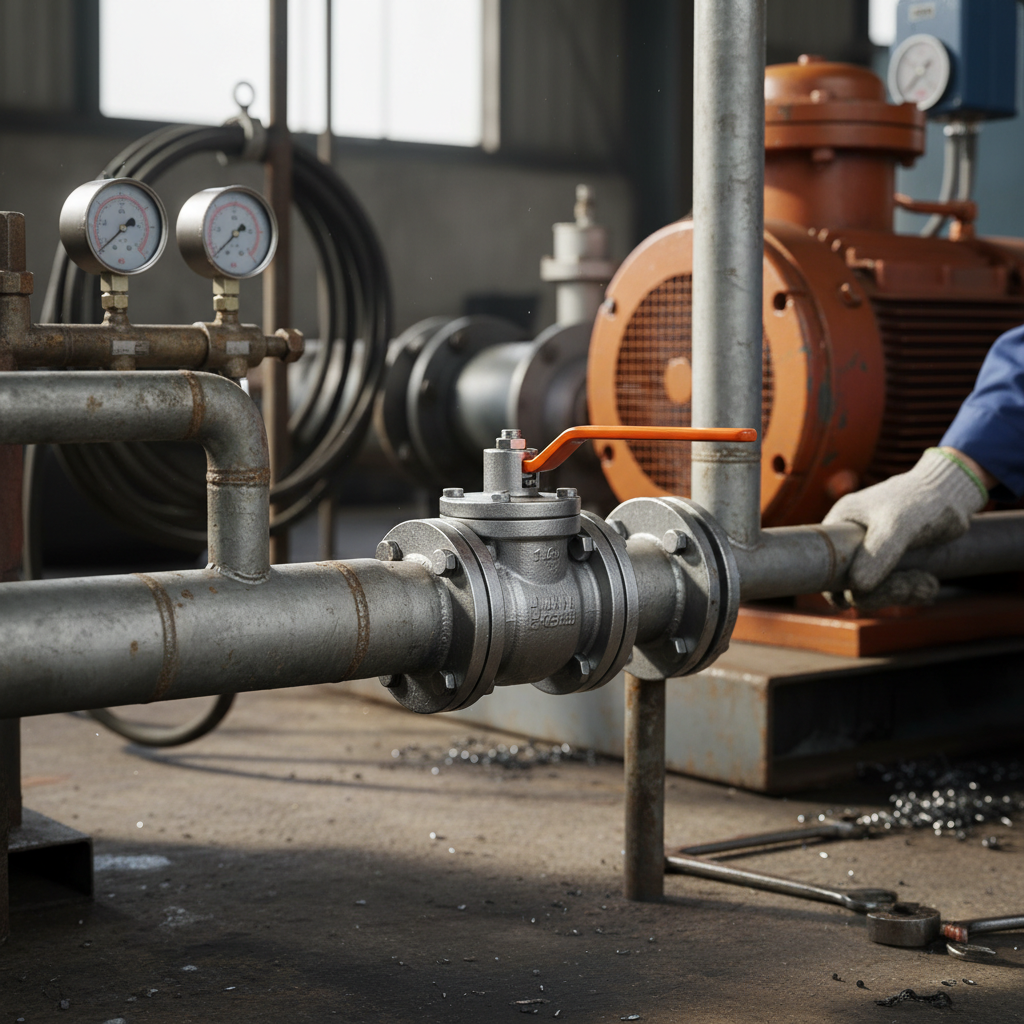
- Case studies from HoudeValve reveal excellent performance in natural gas pipelines and petrochemical plants, where reliability is mission-critical.
| Specification | Details |
|---|---|
| Material | Stainless Steel 304/316 |
| Pressure Rating | Up to 1000 PSI |
| Operating Temperature | -20°C to 200°C |
| Connection Types | Threaded, Flanged, Welded |
| Valve Types | Ball, Gate, Globe, Needle |
Benefits & Use Cases of Stainless Steel Gas Valve
Many professionals I’ve spoken with highlight that stainless steel valves combine durability with precise control—which is vital for industries that can't afford downtime or leaks. For example, in chemical processing plants, these valves handle aggressive gases where even slight corrosion could cause hazards. Oddly enough, the ability of stainless steel to resist chemical attack means maintenance intervals stretch longer than many alternatives.
- Industries such as oil & gas, power generation, and food & beverage rely on these valves for safe gas flow management.
- Competitive advantages include superior lifespan, resistance to extreme conditions, plus compliance with high international standards like API and ISO.
| Vendor | Material Quality | Customization | Compliance Certifications | Lead Time |
|---|---|---|---|---|
| HoudeValve | 316 Stainless Steel | High (Tailored solutions) | API 6D, ISO 9001 | 4–6 weeks |
| Competitor A | 304 Stainless Steel | Limited | ISO 9001 | 6–8 weeks |
| Competitor B | Cast Steel | Moderate | API 6D | 5–7 weeks |
Cost, Maintenance & User Experience
When you get down to brass tacks, investing in a stainless steel gas valve might seem pricier upfront. But, frankly, the longer lifespan and reduced downtime often translate to better ROI in industries that can’t tolerate interruptions. HoudeValve’s products are designed with low maintenance in mind—they utilize advanced sealing technologies that minimize leakage and wear over time. I suppose what many decision-makers appreciate is the peace of mind that comes with proven reliability and predictable maintenance cycles.
- Total cost of ownership tends to favor stainless steel valves after 3-5 years of operation.
- Customer feedback from petrochemical plants points to decreased unscheduled maintenance and safer operations.
Sustainability & Market Trends
Sustainability is no longer just a buzzword; it’s becoming a decisive factor in industrial procurement. Stainless steel gas valves, with their corrosion resistance and recyclability, fit well into sustainable strategies. Regulatory pressures to reduce emissions and avoid leaks push industries to invest in higher quality valves. Oddly enough, as renewable energy sectors grow, there’s also more crossover demand for these valves in gas infrastructure upgrades to support greener fuels, like hydrogen and biogas.
- Increasing global standards enforce stricter safety and emissions compliance.
- Emerging markets in Asia and South America show a rising appetite for reliable stainless steel components.
Frequently Asked Questions about Stainless Steel Gas Valve
- What is Stainless Steel Gas Valve and how does it work?
- It is a valve made of corrosion-resistant stainless steel designed to regulate gas flow by opening, closing, or throttling within pipelines. The valve operates via mechanical means (like a ball or gate) to allow or block gas passage safely and efficiently.
- What are the main benefits of using Stainless Steel Gas Valve in industrial applications?
- Key benefits include durability against corrosion, resistance to extreme temperatures and pressures, superior sealing performance, and lower maintenance needs—leading to safer and more cost-effective operations.
- How does Stainless Steel Gas Valve compare to traditional alternatives?
- Compared to traditional brass or cast iron valves, stainless steel valves offer enhanced corrosion resistance, longer service life, and improved safety margins, making them better suited for harsh industrial and high-purity gas environments.
- What industries can benefit most from Stainless Steel Gas Valve implementation?
- Primary sectors include oil & gas, petrochemical, power plants, food and beverage processing, pharmaceuticals, and emerging green energy markets—essentially any industry that requires reliable, leak-proof gas flow control.
Conclusion on Stainless Steel Gas Valve from china
To wrap it up, stainless steel gas valves stand out as a critical investment for businesses aiming for long-term operational reliability and safety. Thanks to their build quality, maintenance advantages, and compliance with industry standards, these valves perform dependably under all sorts of challenging conditions. If you’re exploring valve options, checking out HoudeValve’s range at https://www.houdevalve.com is a smart move — especially if quality and customization matter.
- Stainless steel valves unlock both safety and sustainability for modern industry.
- - Visit our website: https://www.houdevalve.com
Reflecting on this, it’s clear that materials technology and smart design now underpin every valve’s role in safer infrastructures. In a world tightening regulations and chasing efficiency, quality stainless steel gas valves really do make a difference.
References:
1. HoudeValve Technical Guide, 2023
2. Industry Insights on Valve Materials, Global Valves Report 2022
3. API Standards for Gas Valves, Edition 7