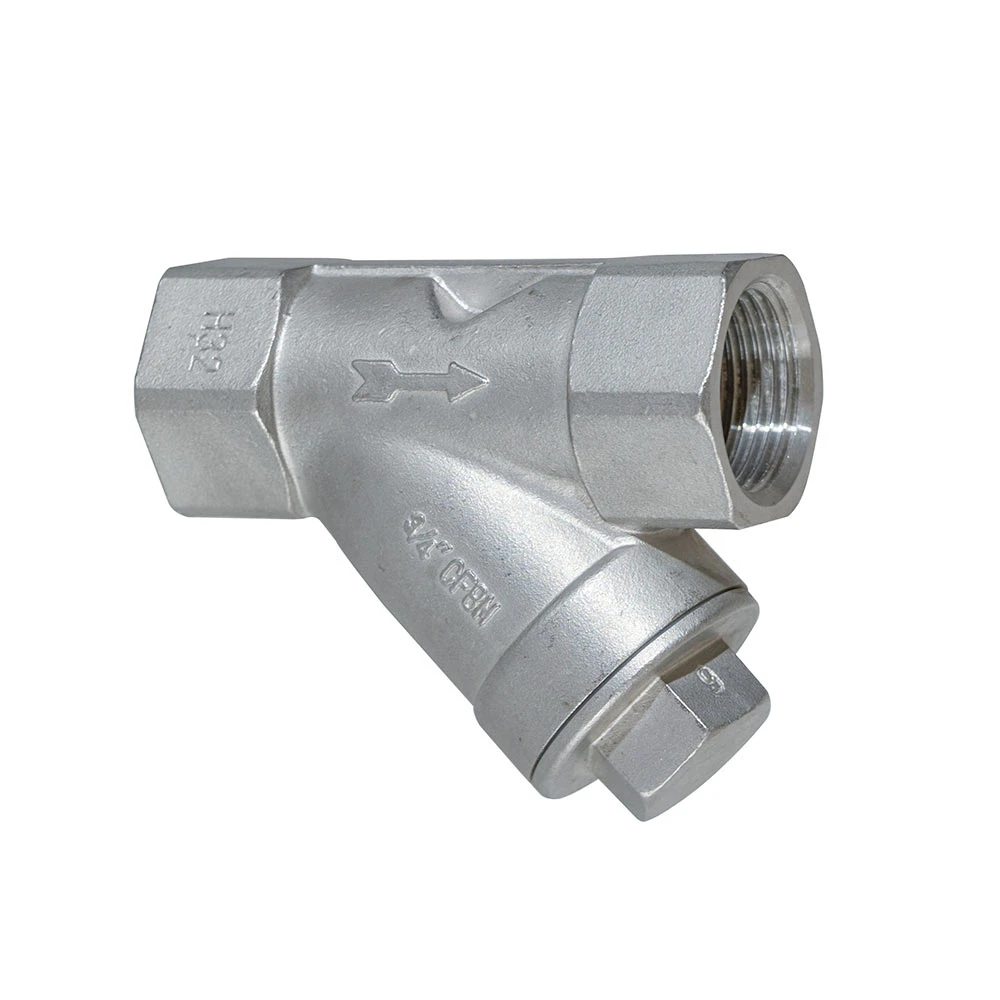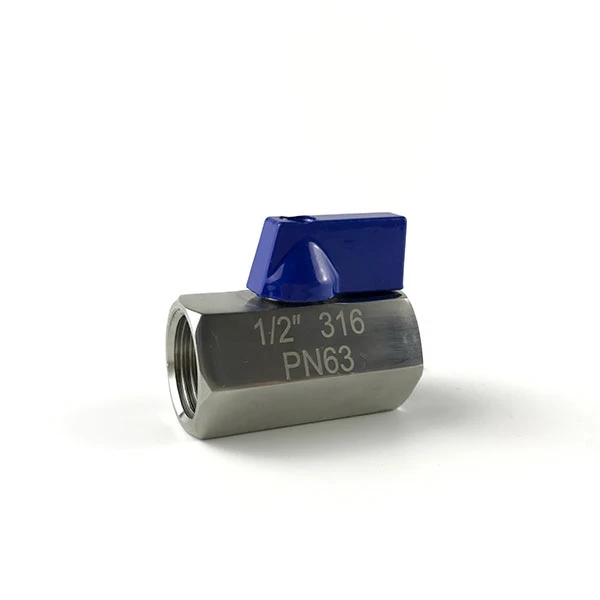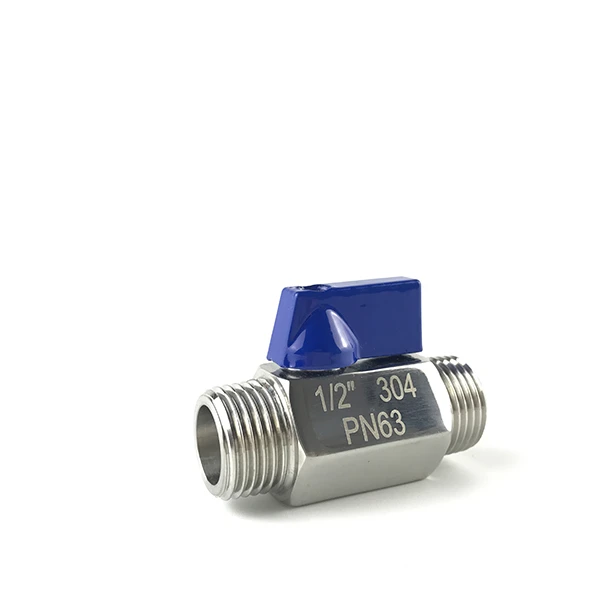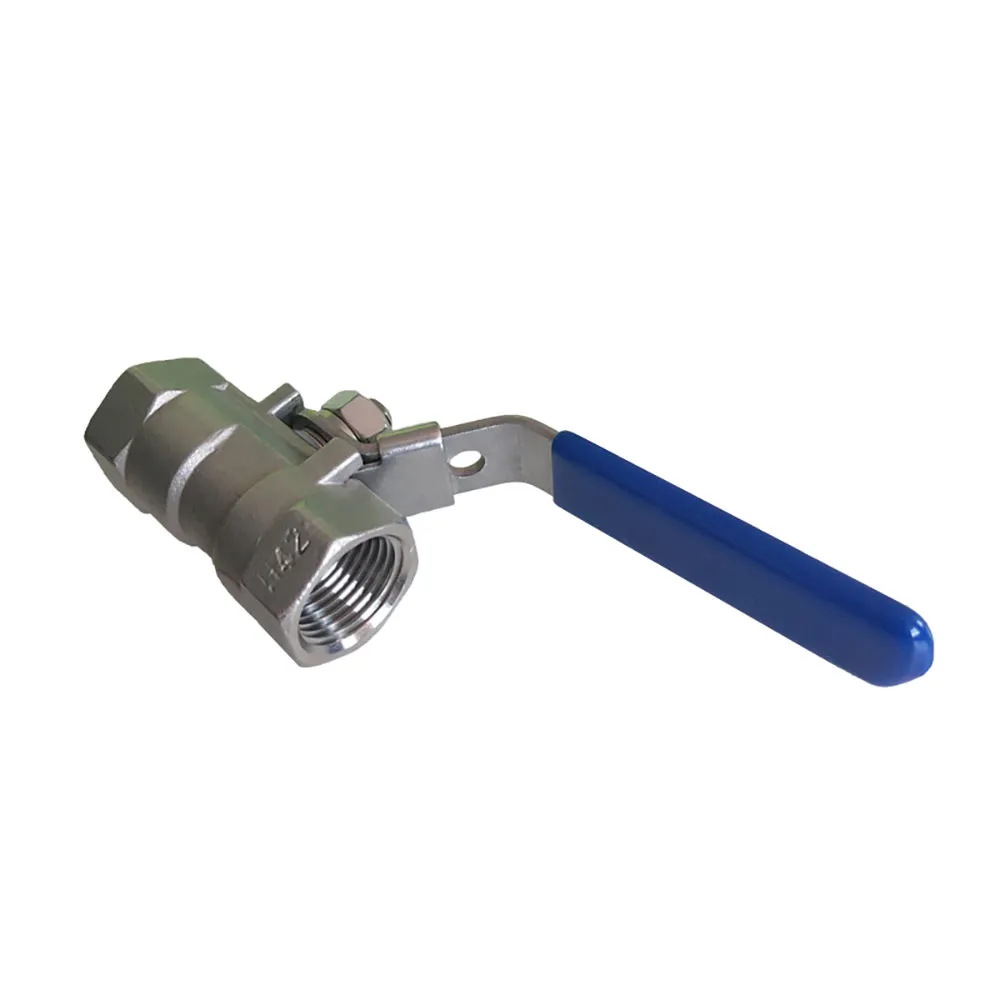
Stainless Steel Pneumatic Actuator is a key solution in the industry, specifically within sectors that demand robust and precise automated valve control. This article explores how https://www.houdevalve.com supports professionals with durable, high-performance products, and explains why this product is an ideal choice for businesses in these sectors.
Table of Contents
- Stainless Steel Pneumatic Actuator Overview
- Benefits & Use Cases of Stainless Steel Pneumatic Actuator
- Cost, Maintenance & User Experience
- Sustainability & Market Trends
Stainless Steel Pneumatic Actuator Overview
At its core, the Stainless Steel Pneumatic Actuator is a mechanical device that converts compressed air energy into rotary or linear motion to drive valves. Why stainless steel? Well, the material offers exceptional resistance to corrosion, which frankly is indispensable in aggressive environments like chemical processing or offshore applications. This actuator type fits countless industrial settings, delivering reliability where it really counts.
- Precision-engineered to endure harsh conditions with minimal wear.
- Typical specifications include torque ranges from 30 Nm to 6000 Nm and operating pressures of 2–8 bar.
- A recent case study at a petrochemical site reflected a 20% efficiency boost after switching to a stainless steel actuator from Houde Valve.
| Specification | Details |
|---|---|
| Material | 316L Stainless Steel |
| Actuation Type | Double Acting / Spring Return |
| Torque Range | 30 Nm to 6000 Nm |
| Operating Pressure | 2 to 8 bar |
| Temperature Range | -20°C to 80°C |
Benefits & Use Cases of Stainless Steel Pneumatic Actuator
You might wonder where these actuators actually shine. The answer is in demanding industries requiring both precision and toughness — think oil and gas, pharmaceuticals, food and beverage, and marine environments. Stainless steel’s resistance means less downtime from corrosion damage, which, honestly, can be a huge headache in certain sectors. Plus, pneumatic actuators offer fast, energy-efficient motions that electric actuators often struggle to match.
- Specific applications: automated valve control in harsh chemical plants, saltwater-resistant equipment offshore, sanitary processes in food.
- Competitive edge: resistance to extreme weather, compliance with hygiene standards, fast response times.
| Vendor | Material Quality | Torque Range (Nm) | Customization Options | Lead Time |
|---|---|---|---|---|
| Houde Valve | 316L Stainless Steel (Premium grade) | 30 – 6000 | Full customization available | 4-6 weeks |
| Competitor A | 304 Stainless Steel | 20 – 5000 | Limited | 6-8 weeks |
| Competitor B | Cast Iron with Coating | 50 – 5500 | Moderate | 5-7 weeks |
Cost, Maintenance & User Experience
It's tempting to just think about upfront costs, but with Stainless Steel Pneumatic Actuators, the total cost of ownership often tells the real story. The initial investment might be higher than cheaper alternatives, but reduced maintenance, longer lifespan, and fewer failures often lead to impressive ROI. Frankly, many engineers I spoke to mentioned how downtime dropped sharply after upgrading. Less stoppage means more uptime—not just a slogan, but a hard-to-ignore business advantage.
- Robustness means infrequent servicing, cutting labor and parts costs over time.
- End-user feedback highlights smoother operations and precise control, often translating to operational efficiencies.
Sustainability & Market Trends
The sustainability angle is becoming impossible to ignore. Stainless steel is recyclable, flavorful in extending product life cycles. Regulations across many industries increasingly demand durable, reliable valve solutions that reduce downtime and waste. Coupled with the push toward automation, pneumatic actuators like those offered by Houde Valve are gaining momentum, not just as a technical choice but as part of smarter, greener industrial practices. Oddly enough, as much as energy-efficient electric actuators are touted, for many high-demand sectors, pneumatic remains king for responsiveness and lower lifecycle environmental impact.
- Industry growth projected at 5% CAGR driven by automation and stricter standards.
- Focus on materials and design longevity minimizes resource consumption.
Frequently Asked Questions about Stainless Steel Pneumatic Actuator
- What is Stainless Steel Pneumatic Actuator and how does it work?
- It’s a device that uses compressed air to move valves via mechanical force, with stainless steel construction providing corrosion resistance for longer performance life.
- What are the main benefits of using Stainless Steel Pneumatic Actuator in industrial applications?
- Benefits include durability under harsh conditions, quick and reliable valve operation, reduced maintenance needs, and compliance with industry regulations.
- How does Stainless Steel Pneumatic Actuator compare to traditional alternatives?
- Compared to cast iron or coated actuators, stainless steel options offer superior corrosion resistance, which lowers failure rates and downtime in real-world use.
- What industries can benefit most from Stainless Steel Pneumatic Actuator implementation?
- Petrochemical, marine, food & beverage, and pharmaceutical industries often rely on these actuators to meet demanding operational and safety standards.
Conclusion on Stainless Steel Pneumatic Actuator from china
To wrap it up, the Stainless Steel Pneumatic Actuator stands out as an efficient, rugged, and cost-justifiable solution for industrial valve automation. Its resilience in tough environments, combined with fast operation and minimal maintenance, means it’s not just a product but a long-term partner in process optimization. For those decision makers looking to future-proof operations and maintain competitive edges, this is worth serious consideration.
- Recap the value of Stainless Steel Pneumatic Actuator.
- - Visit our website: https://www.houdevalve.com
Sometimes it’s the materials and details unseen that make the greatest difference — stainless steel, pneumatic precision, and durability that quietly keep complex plants running day after day.