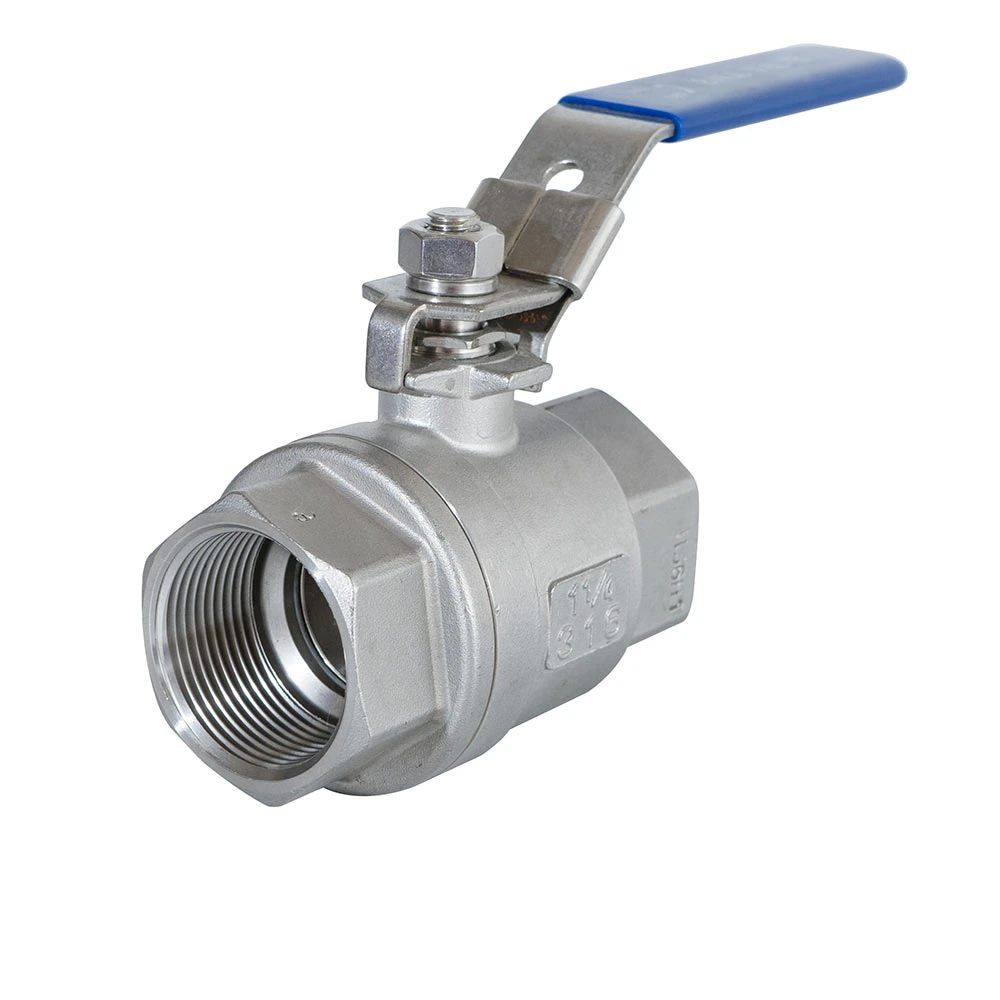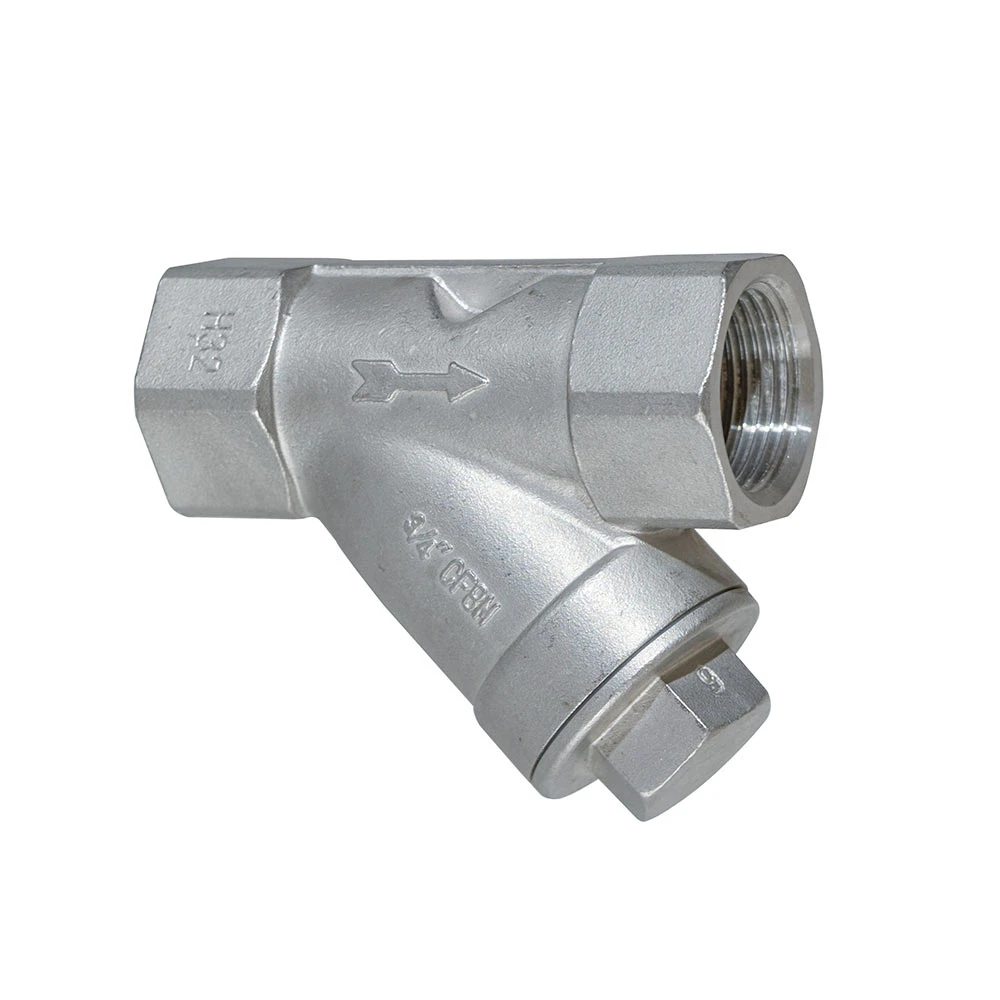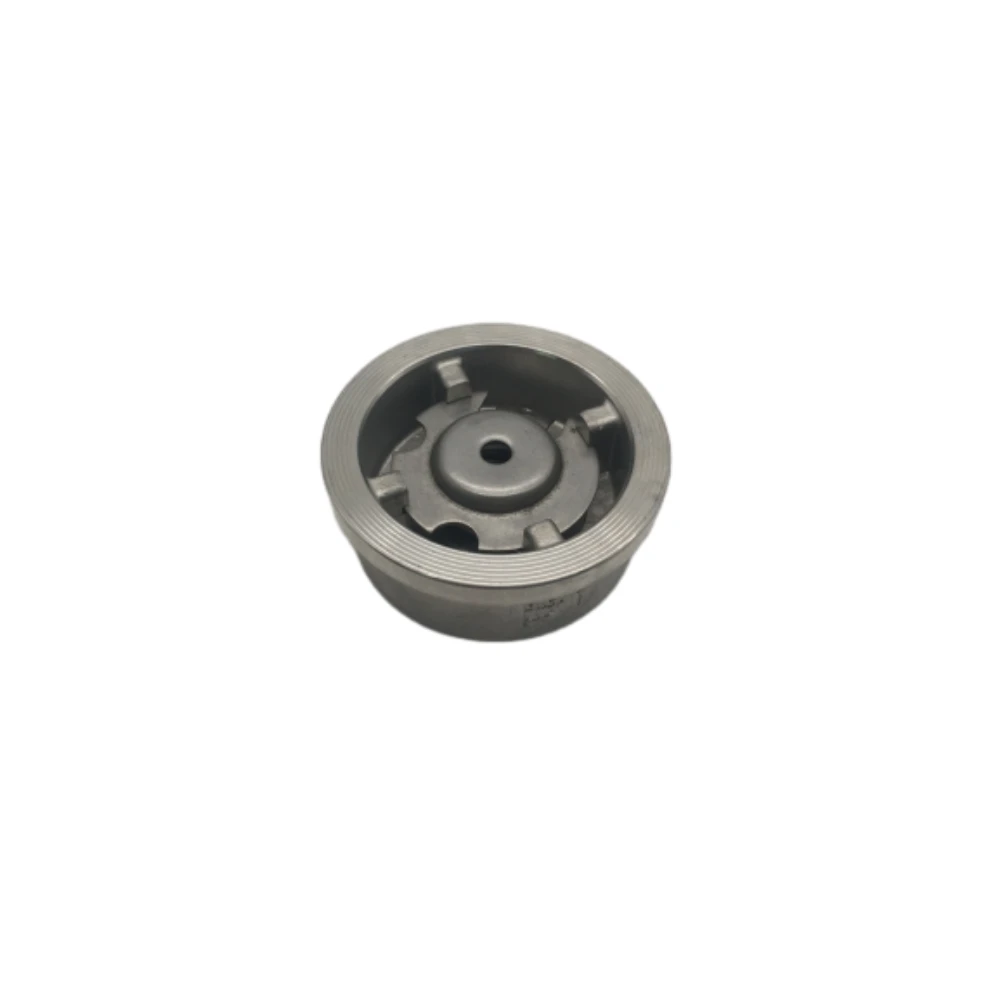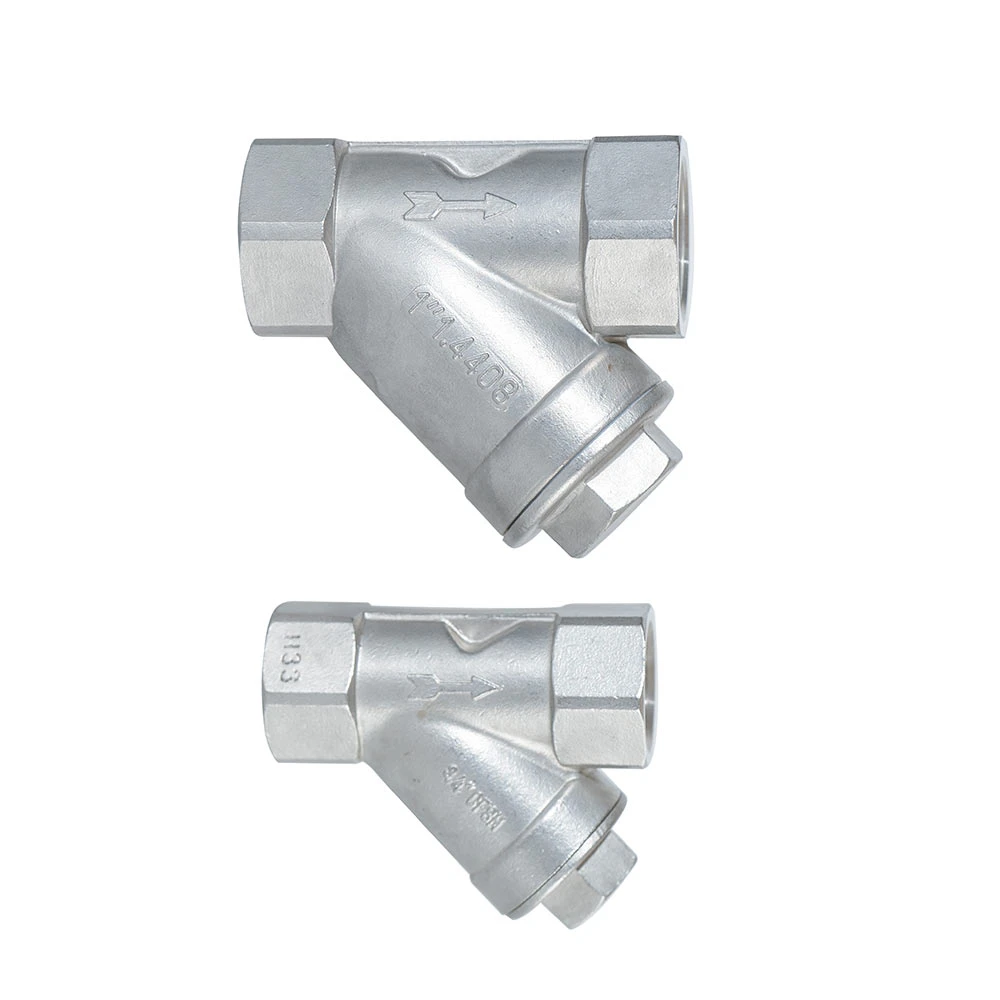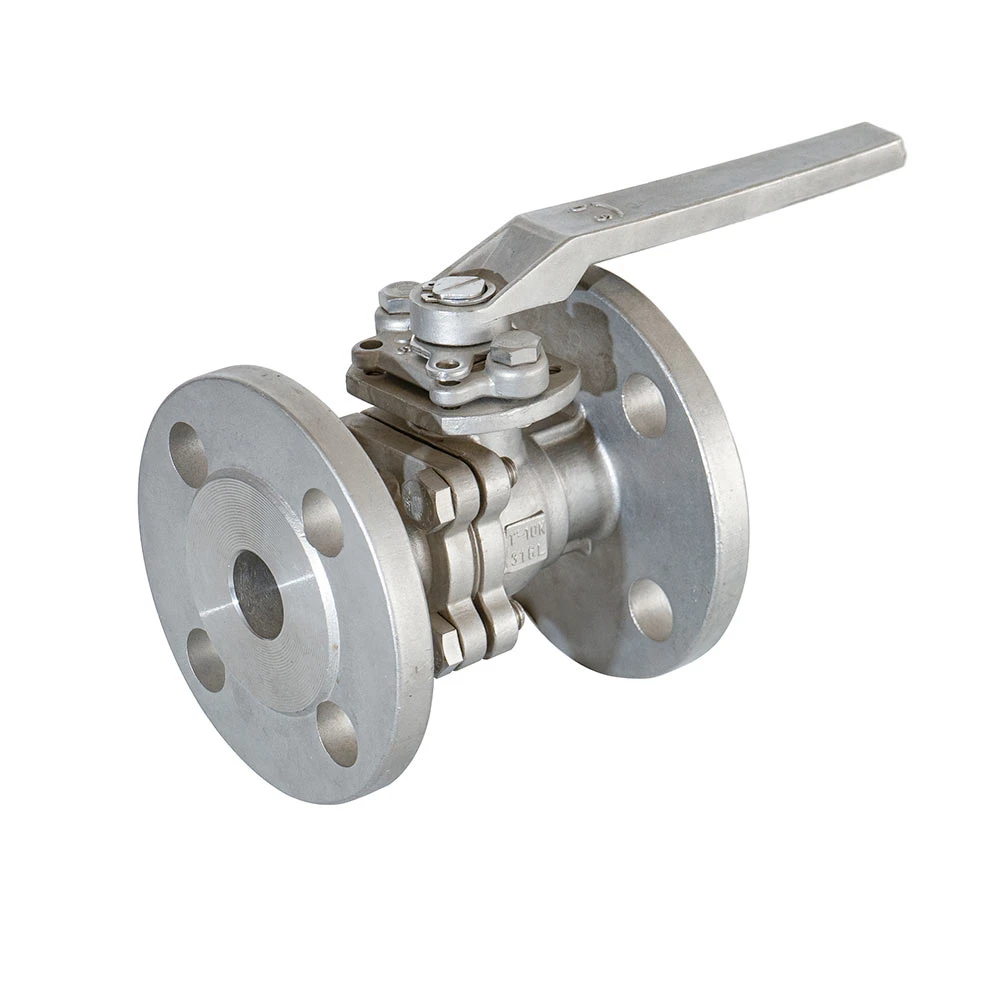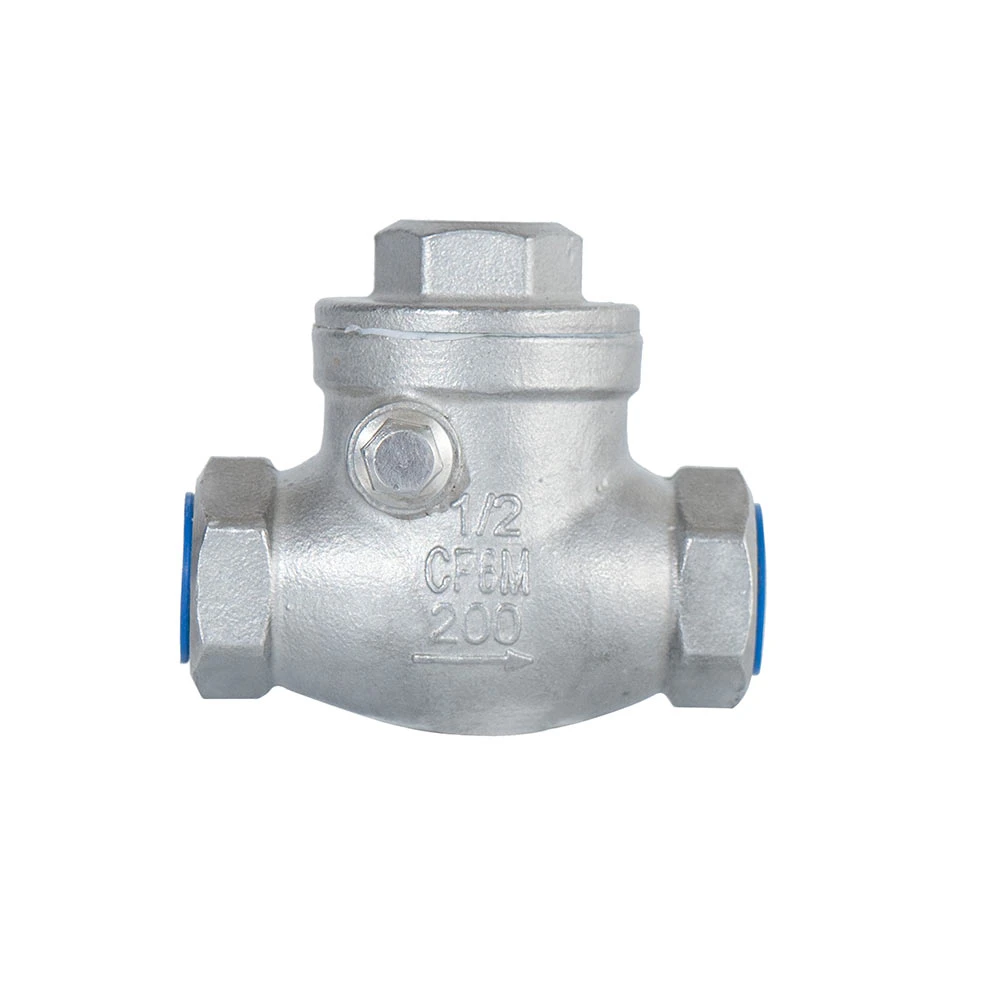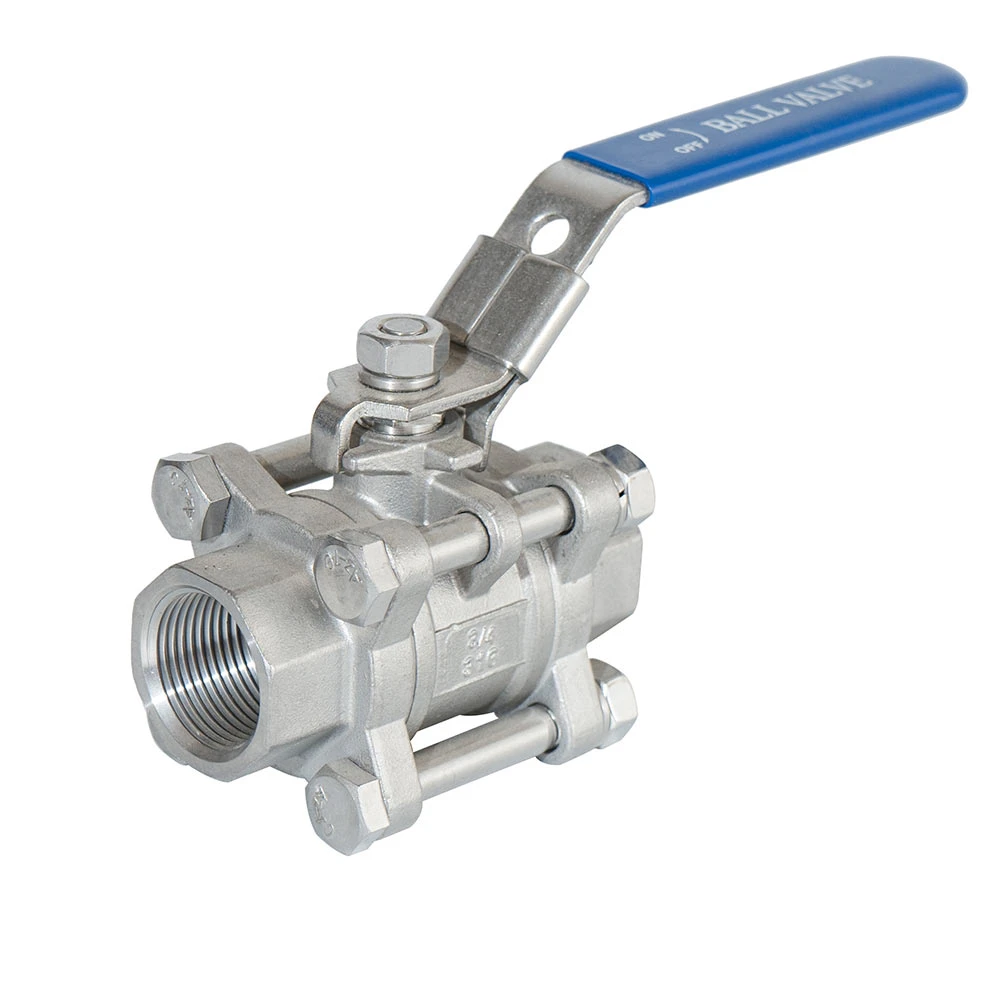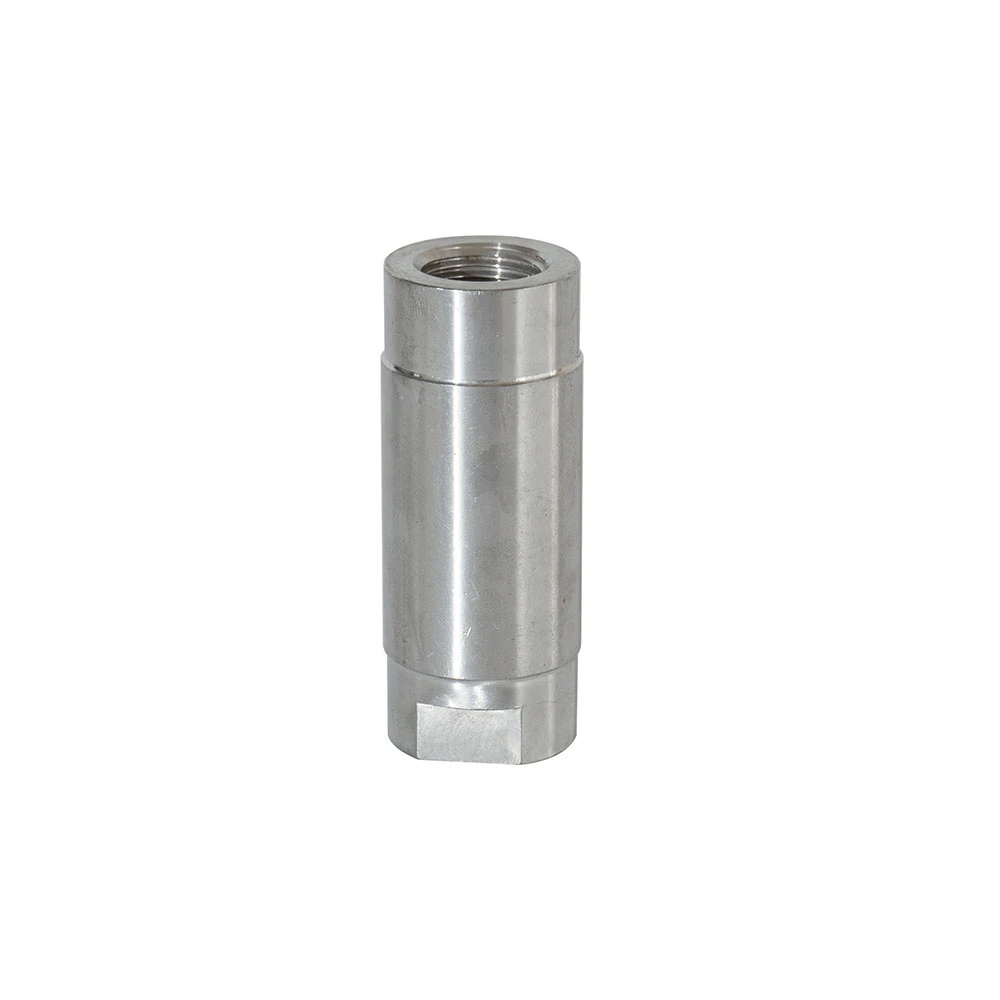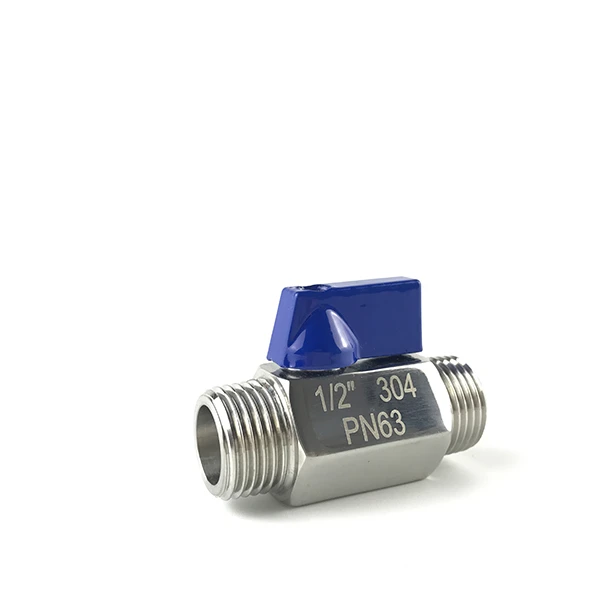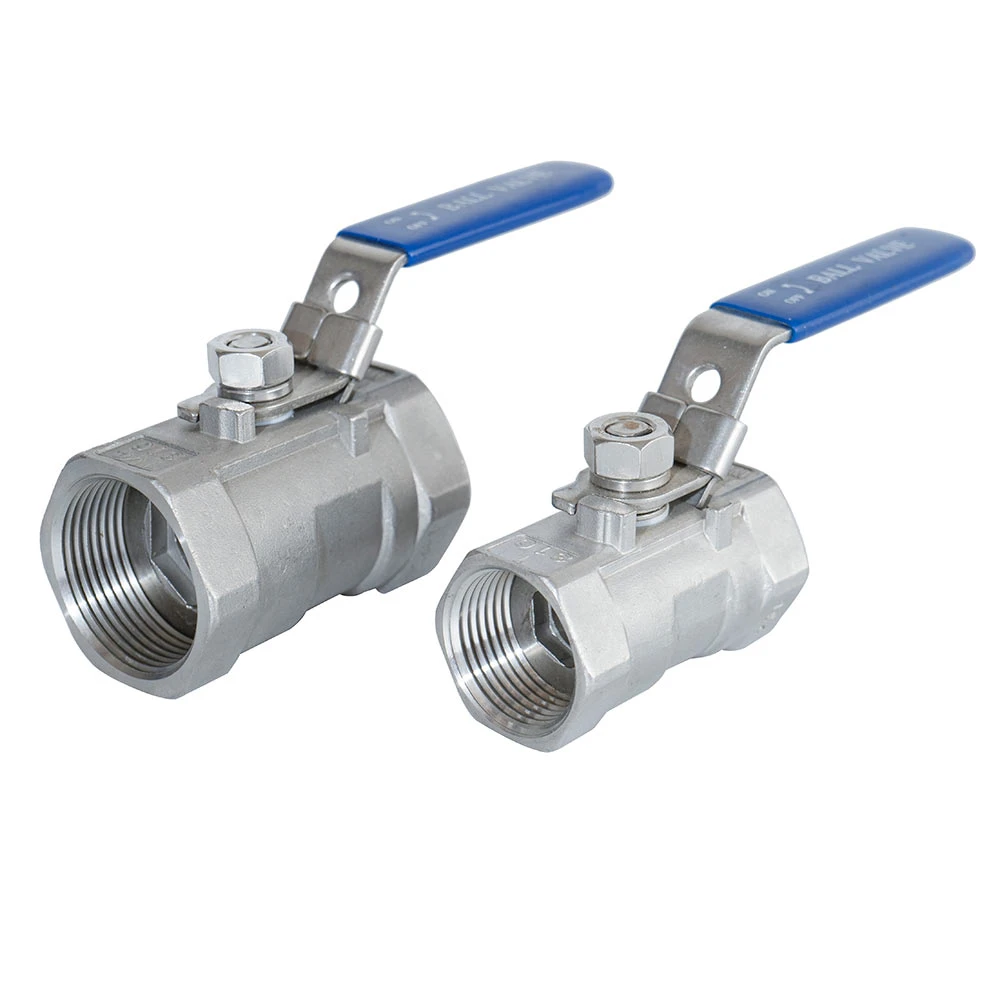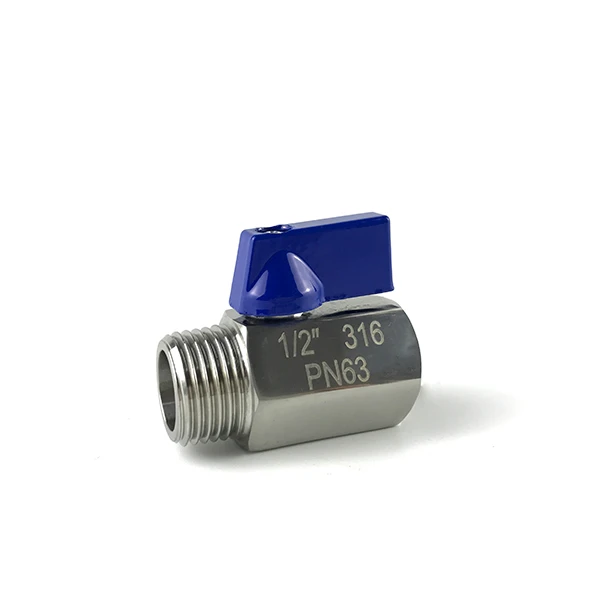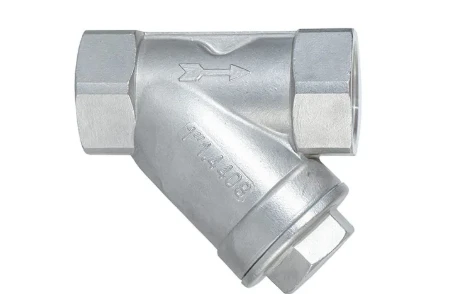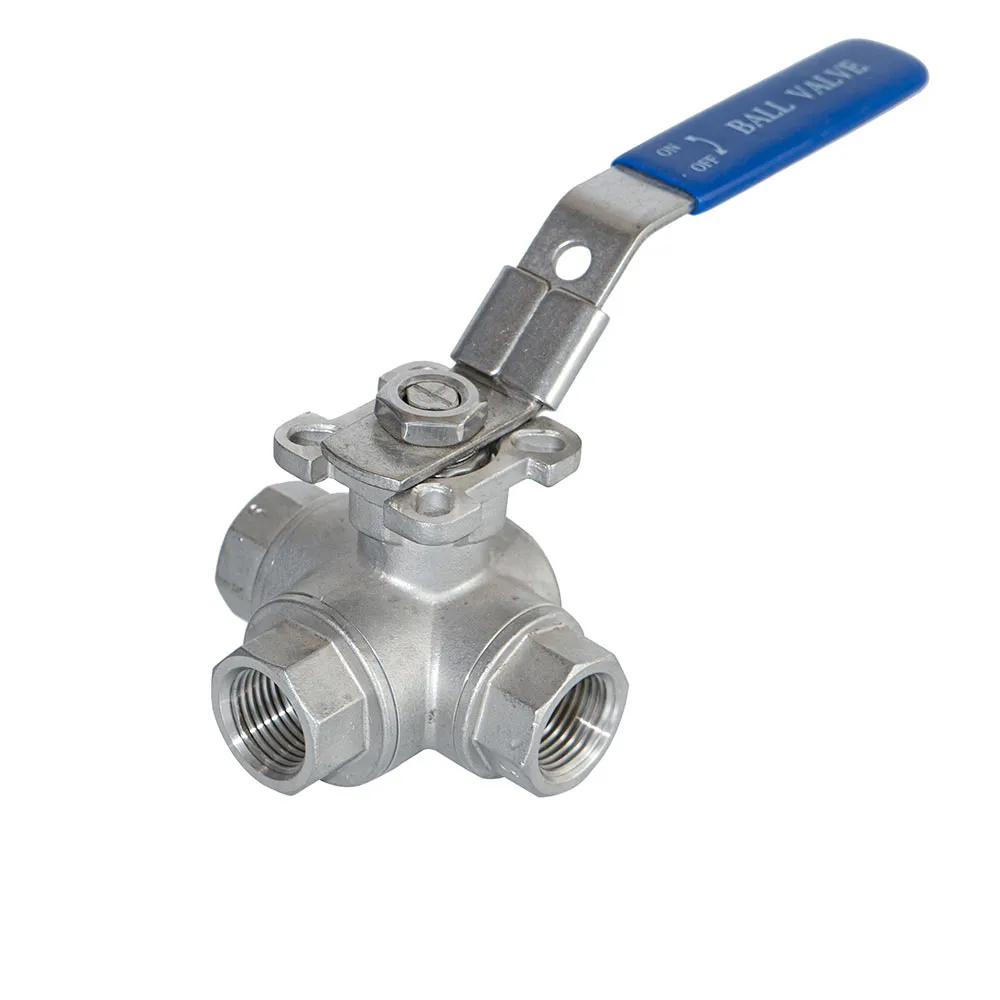
Stainless Steel Pex Valves is a key solution in the industry, specifically within plumbing, HVAC, and industrial fluid management sectors. This article explores how https://www.houdevalve.com supports professionals with durable, high-performance products, and explains why this product is an ideal choice for businesses in these sectors.
Table of Contents
- Stainless Steel Pex Valves Overview
- Benefits & Use Cases of Stainless Steel Pex Valves
- Cost, Maintenance & User Experience
- Sustainability & Market Trends
- Frequently Asked Questions
- Conclusion on Stainless Steel Pex Valves from China
Stainless Steel Pex Valves Overview
At their core, Stainless Steel Pex Valves are specialized fittings designed for use with PEX piping systems, blending the corrosion resistance and strength of stainless steel with the flexibility and convenience of PEX tubing. Frankly, they represent a pretty neat intersection between durability and ease of installation, which many engineers and installers appreciate. These valves are vital in controlling fluid flow, whether for heating, cooling, or potable water systems.
Technically, these valves often feature robust stainless steel bodies—think grades like 304 or 316—and are engineered to withstand pressures upwards of 150 psi and temperatures ranging from -20°C up to 110°C or more. For instance, a case study from a recent HVAC retrofit in a commercial building documented how switching to stainless steel Pex valves almost halved maintenance visits over two years due to fewer leaks.
| Parameter | Specification |
|---|---|
| Material Grade | 304 / 316 Stainless Steel |
| Max Operating Pressure | 150 PSI |
| Temperature Range | -20°C to 110°C |
| Connection Type | PEX Crimp, Push-fit |
| Certification | NSF 61, WRAS |
Benefits & Use Cases of Stainless Steel Pex Valves
In real terms, Stainless Steel Pex Valves shine mostly in settings where reliability and longevity really matter. Industries such as commercial plumbing, HVAC systems, and industrial fluid handling often require components that stand up to harsh conditions without compromising flow control. It’s not just about durability — these valves also offer excellent resistance against corrosion, making them ideal for both potable water pipelines and HVAC cooling circuits.
What’s striking is their ease of installation, courtesy of PEX-compatible ends, reducing labor costs and installation times. They also perform well under frequent cycling, which is a bonus in dynamic systems. Compared to traditional brass valves, the stainless steel variants tend to deliver enhanced longevity and less maintenance. At Houde Valve, customization options allow businesses to tweak valve sizes and configurations, which is quite handy — especially in bespoke applications.
Cost, Maintenance & User Experience
When it comes to cold hard numbers, the initial price of Stainless Steel Pex Valves may be slightly higher than lower-grade or brass alternatives, but the total cost of ownership often works out better in the long run. Durability reduces downtime and replacements — which, frankly, can disrupt operations and increase unforeseen expenses. I’ve noticed that many B2B purchasers mention how the ROI improves when factoring in fewer call-backs and longer service intervals.
Maintenance is pretty straightforward with stainless steel, given its resistance to rust and buildup. Customer reviews often highlight fewer leaks and ease of cleaning compared to older valve types. One large industrial client shared that since switching to these valves, their servicing team spends 30% less time on valve-related tasks. For firms juggling multiple projects, this kind of efficiency gain can be a game changer.
| Feature | Houde Valve | Competitor A | Competitor B |
|---|---|---|---|
| Material Range | 304/316 Stainless Steel | 304 Only | Brass / Stainless Blend |
| Customization | Extensive | Limited | None |
| Certifications | NSF 61, WRAS | NSF 61 Only | None |
| Lead Time | 2-4 weeks | 4-6 weeks | 3-5 weeks |
Sustainability & Market Trends
Sustainability has become a buzzword, but in this case, it really applies. Stainless steel valves are recyclable and typically have longer useful lives, so fewer replacements and less waste end up in landfills. Regulations around water-safe materials and energy efficiency also push companies toward products that support greener building certifications.
Market-wise, the ongoing shift toward PEX piping systems in commercial and residential sectors means a rising demand for compatible valves that do not compromise quality. Houde Valve, for example, stays ahead by aligning production with these trends and adopting tighter quality controls that meet evolving regulatory requirements worldwide.
Frequently Asked Questions about Stainless Steel Pex Valves
- What is Stainless Steel Pex Valves and how does it work?
- These valves control the flow of fluids through PEX tubing by opening or closing a passageway with a stainless steel mechanism. They combine the strength and corrosion resistance of stainless steel with PEX pipe compatibility, creating a reliable and flexible valve option.
- What are the main benefits of using Stainless Steel Pex Valves in industrial applications?
- They offer enhanced durability, corrosion resistance, and longer lifespans compared to brass or plastic valves. Their design reduces maintenance requirements and lowers lifecycle costs, ensuring better performance in demanding environments.
- How does Stainless Steel Pex Valves compare to traditional alternatives?
- Compared to brass or plastic valves, stainless steel options provide superior strength, less risk of corrosion, and higher temperature and pressure tolerances, which translate to fewer failures and better reliability overall.
- What industries can benefit most from Stainless Steel Pex Valves implementation?
- They’re widely used in plumbing, HVAC, industrial water treatment, and commercial construction applications – basically any sector relying heavily on PEX piping systems and demanding longer-lasting, robust valves.
Conclusion on Stainless Steel Pex Valves from china
To wrap things up, Stainless Steel Pex Valves represent a smart investment for businesses seeking longevity, durability, and efficiency in fluid control solutions. Offering a solid mix of corrosion resistance, ease of installation, and compatibility with PEX systems, these valves are becoming increasingly essential in modern industrial applications. For those interested in quality and customization, it’s worth checking out what Houde Valve brings to the table.
- Reliable performance in demanding industrial environments.
- Designed to support extended maintenance intervals and reduce downtime.
- Visit our website: https://www.houdevalve.com.
In a nutshell, for businesses looking to future-proof their fluid systems, Stainless Steel Pex Valves combine proven materials with thoughtful engineering — a combo that rarely disappoints.
References:
1. NSF International, “Understanding NSF 61 Certification”
2. HVAC Industry Journal, “Case Studies on Stainless Steel Valve Upgrades,” 2023
3. PEX Industry News, “Trends in PEX Compatible Valve Manufacturing,” 2024