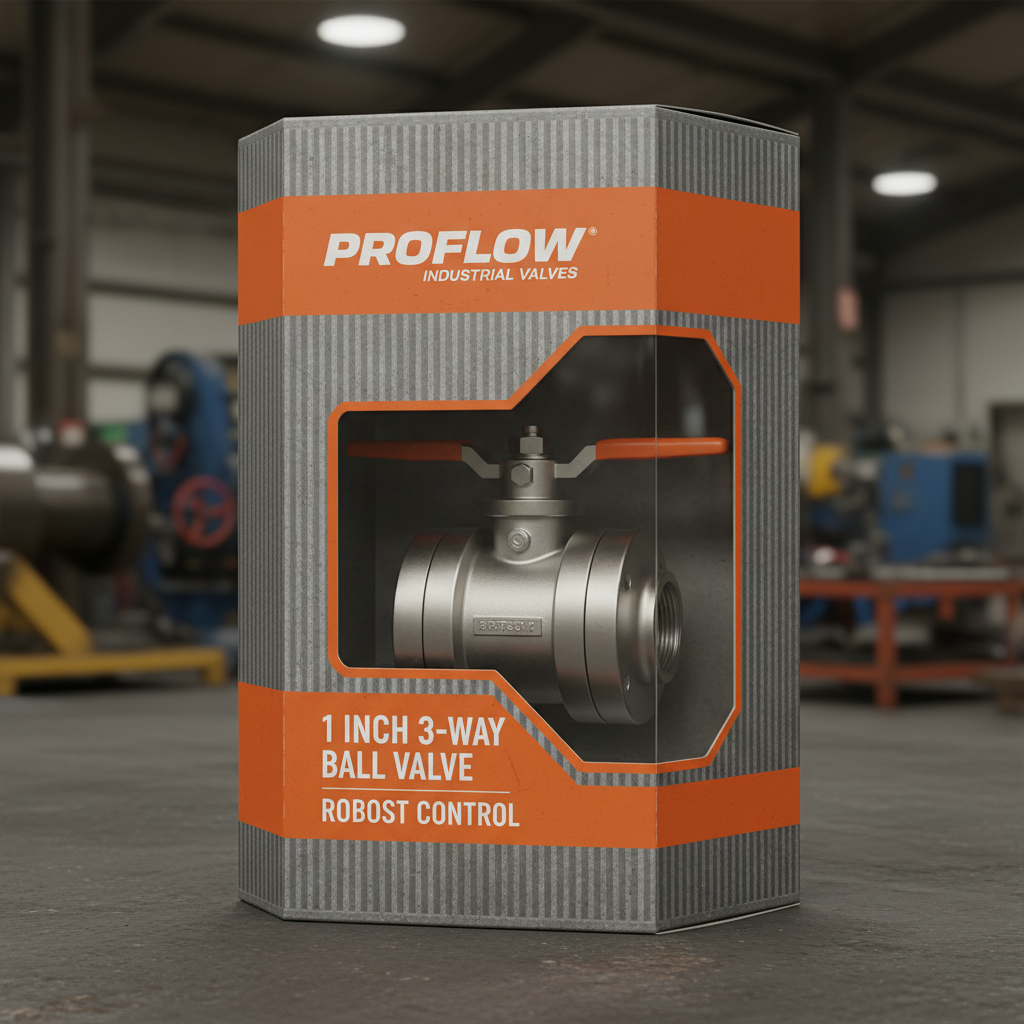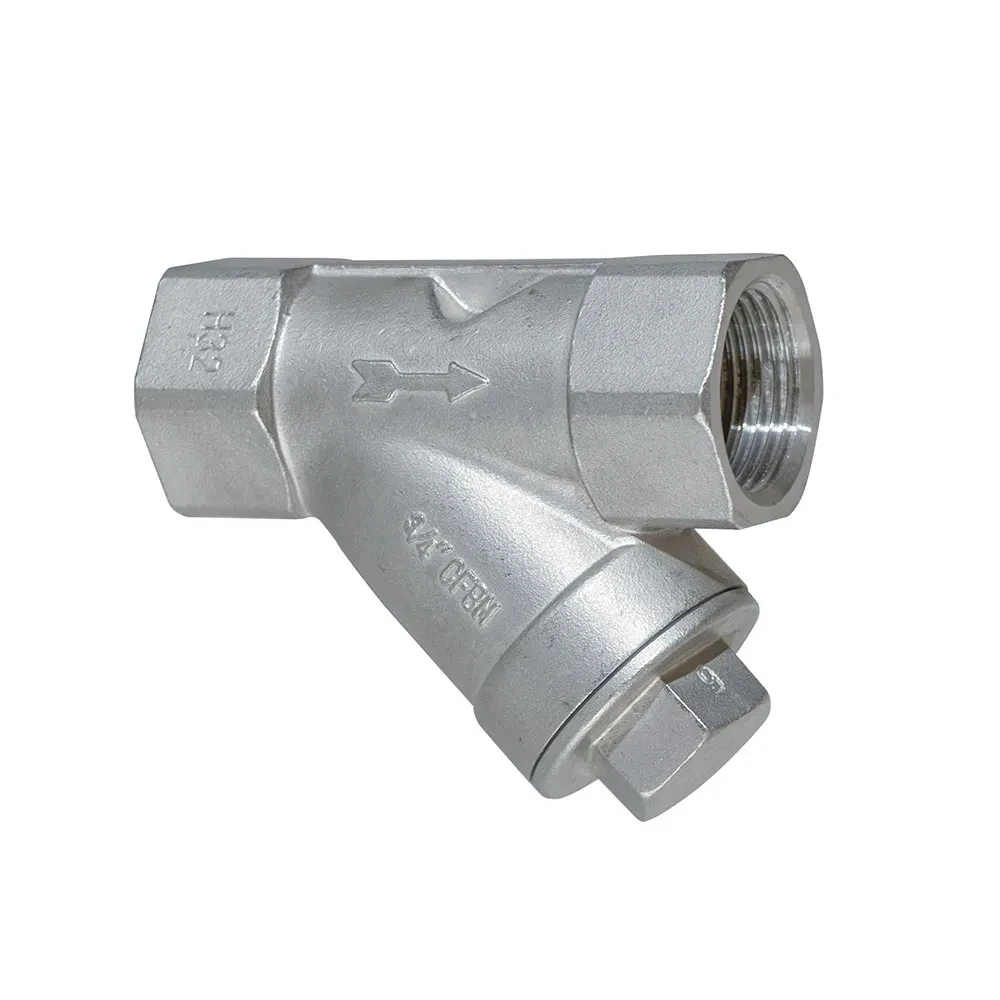
3 4 Stainless Valve is a key solution in the industry, specifically within fluid control and process management sectors. This article explores how https://www.houdevalve.com supports professionals with durable, high-performance products, and explains why this product is an ideal choice for businesses in these sectors.
Table of Contents
- 3 4 Stainless Valve Overview
- Benefits & Use Cases of 3 4 Stainless Valve
- Cost, Maintenance & User Experience
- Sustainability & Market Trends
3 4 Stainless Valve Overview
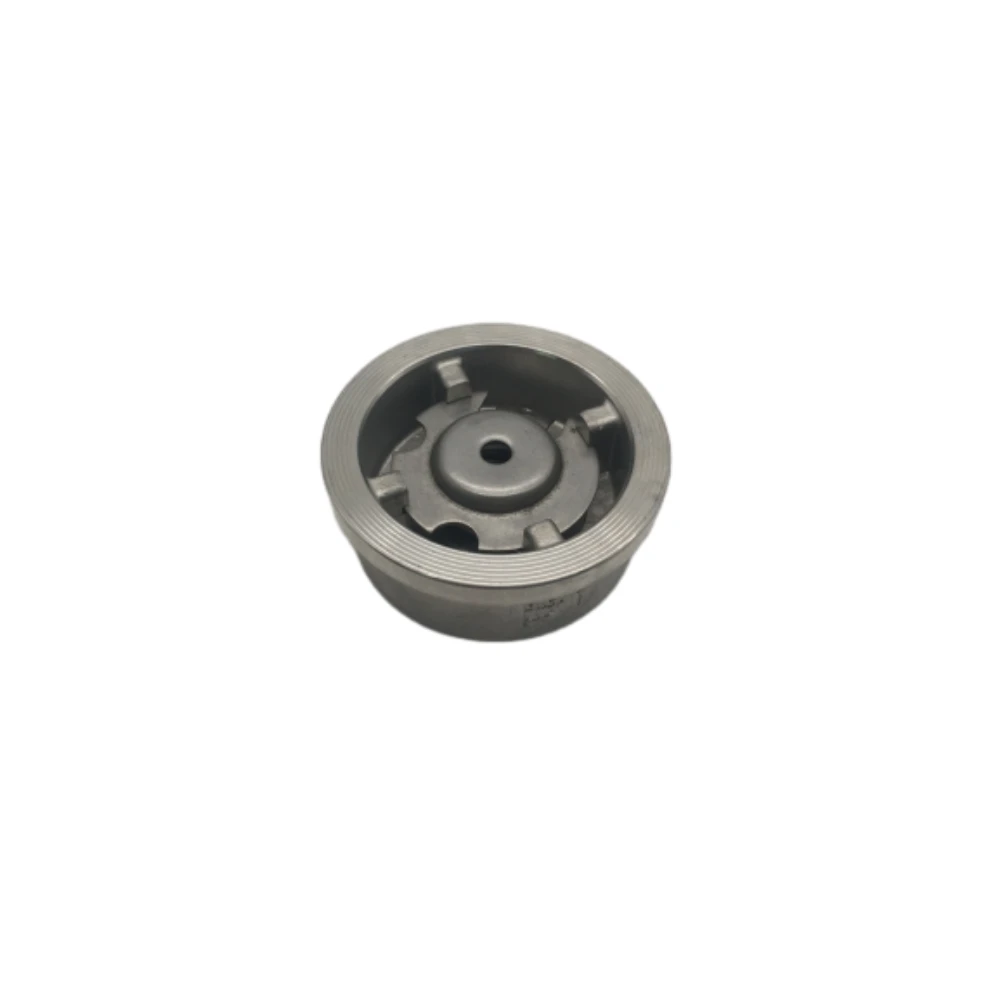
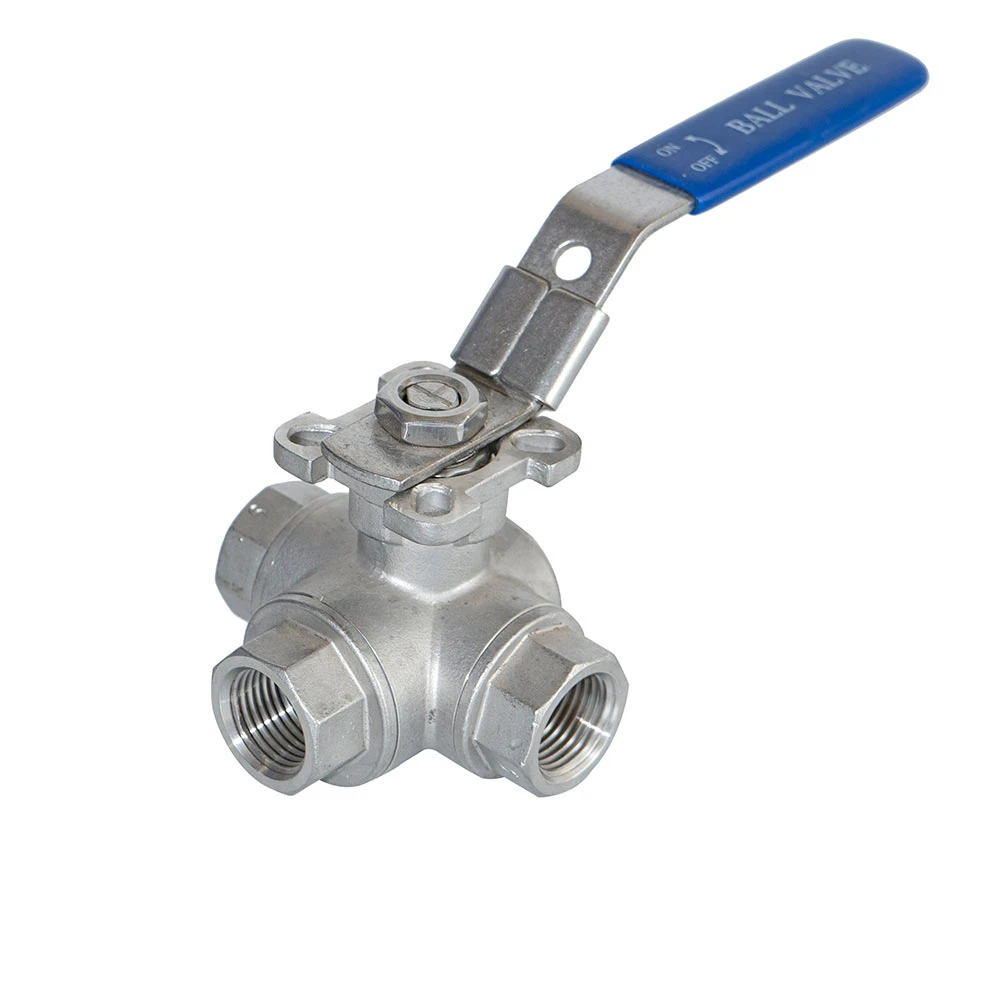
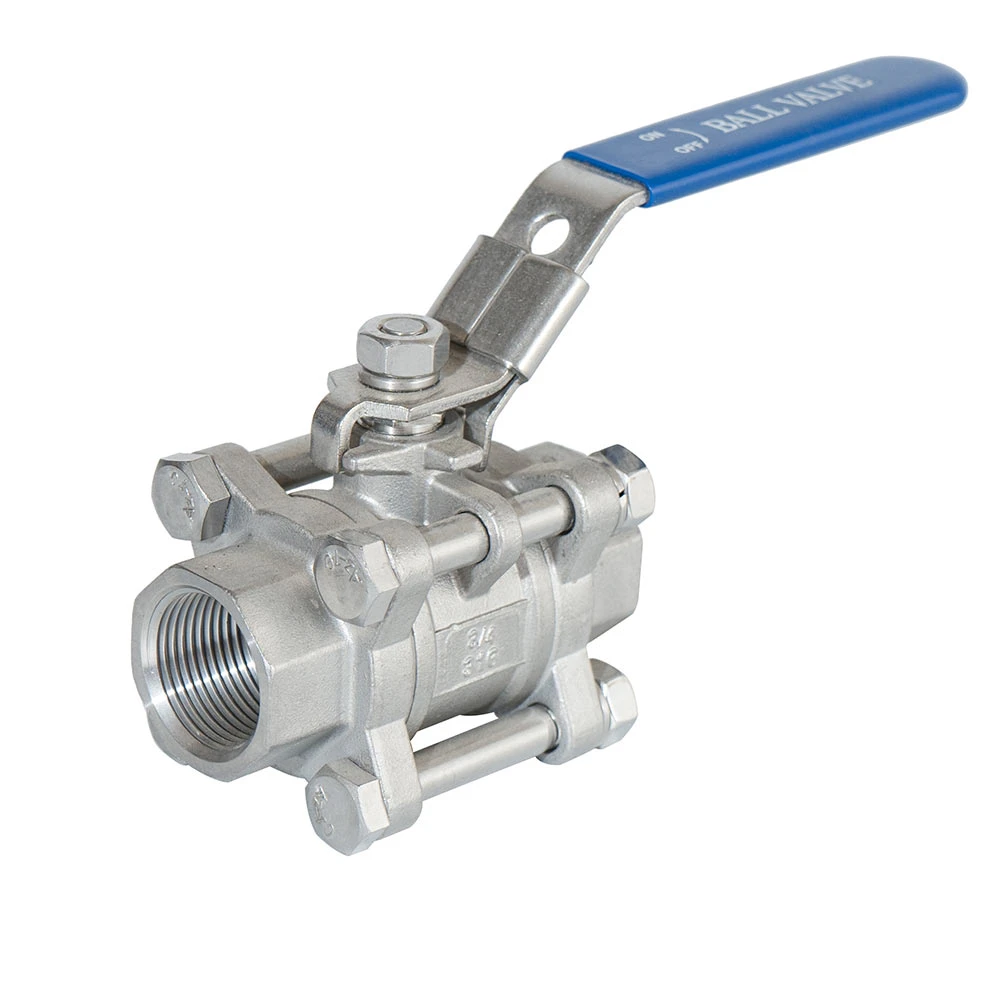
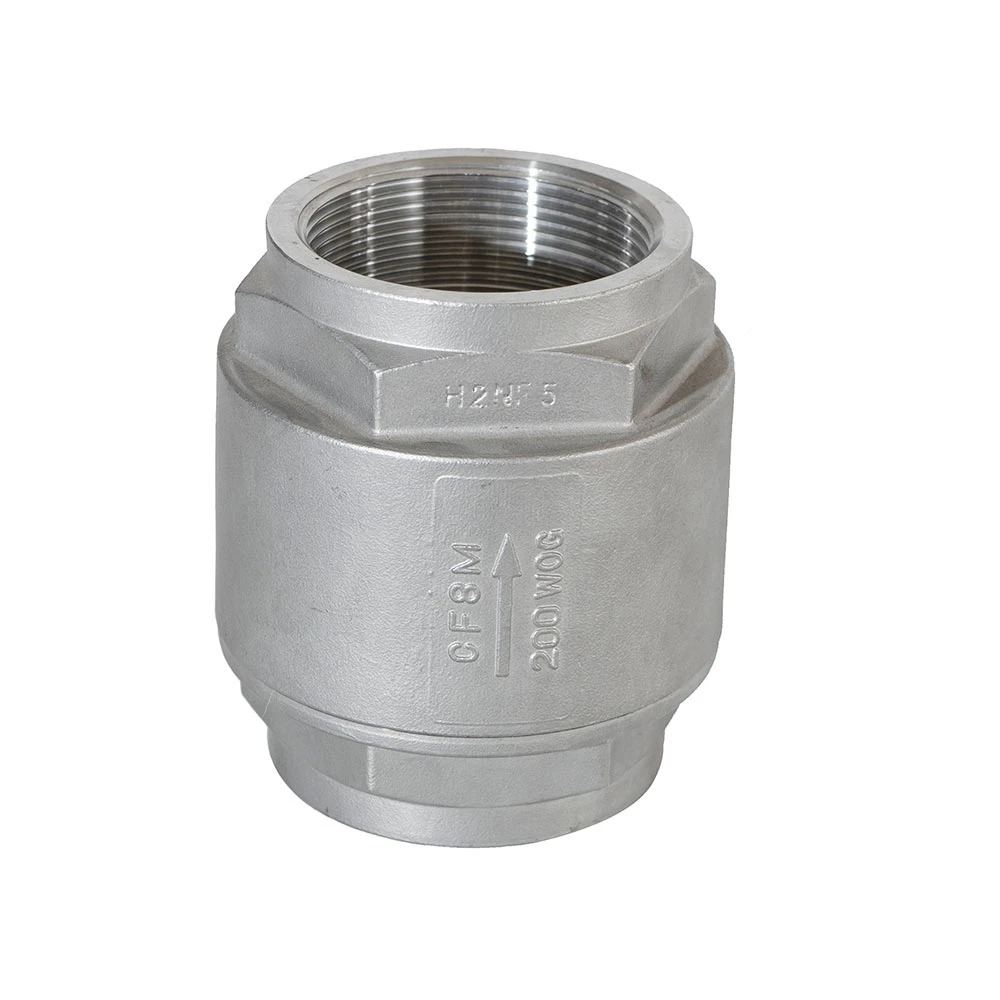
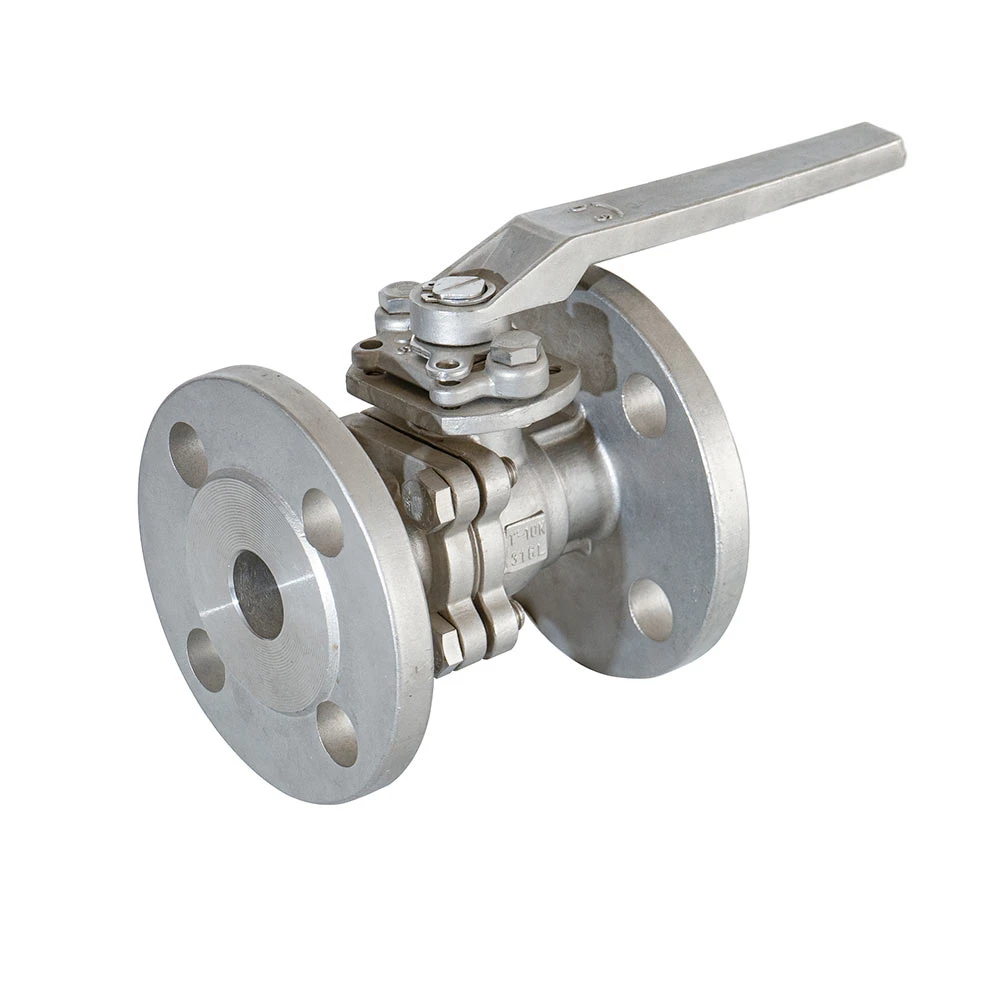
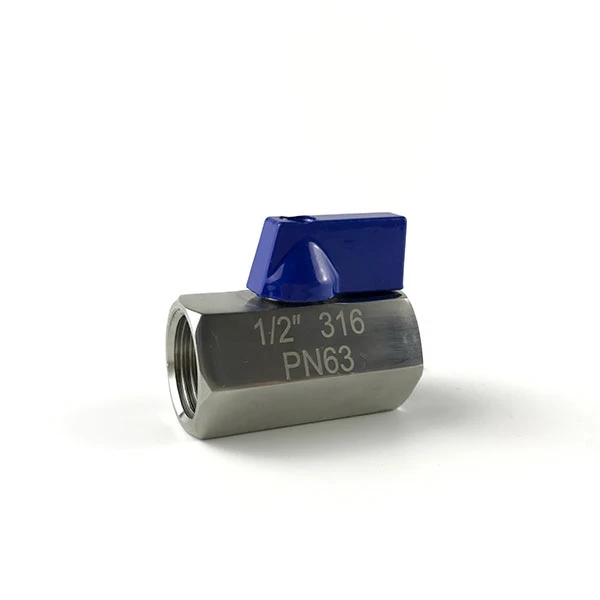
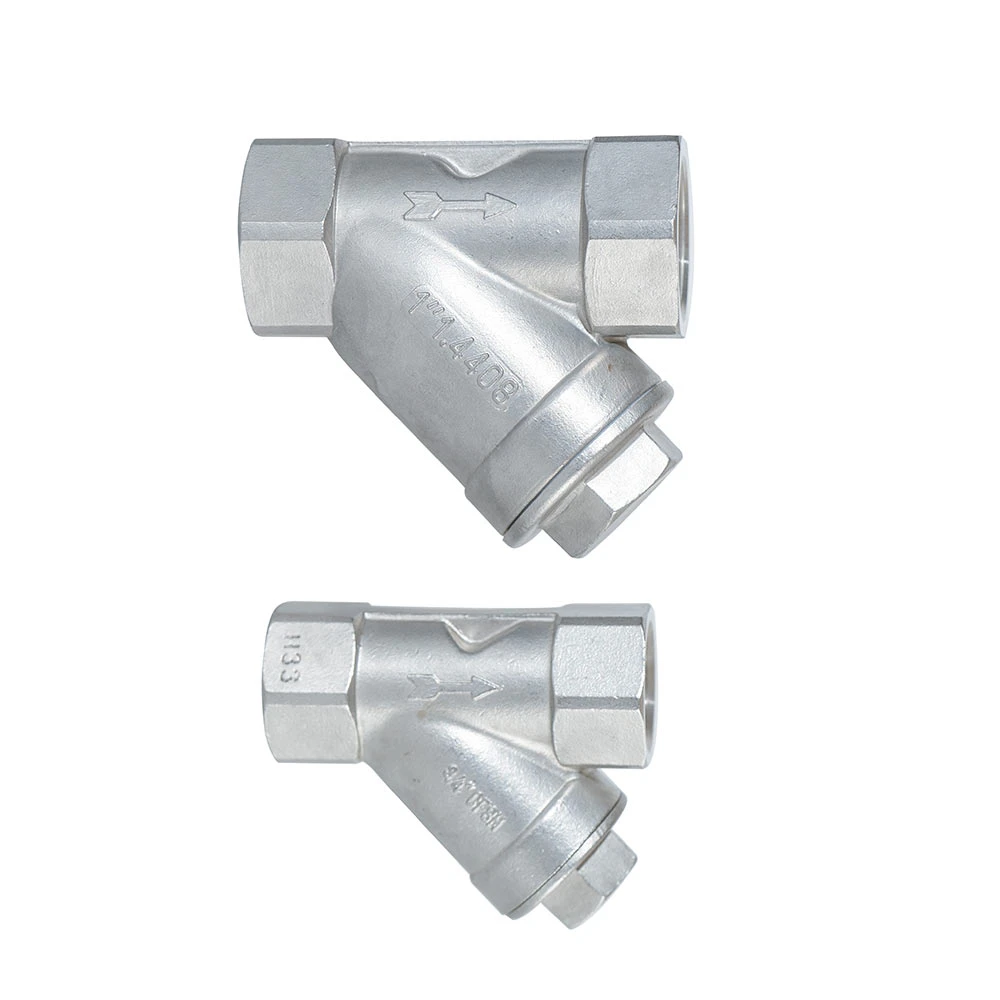
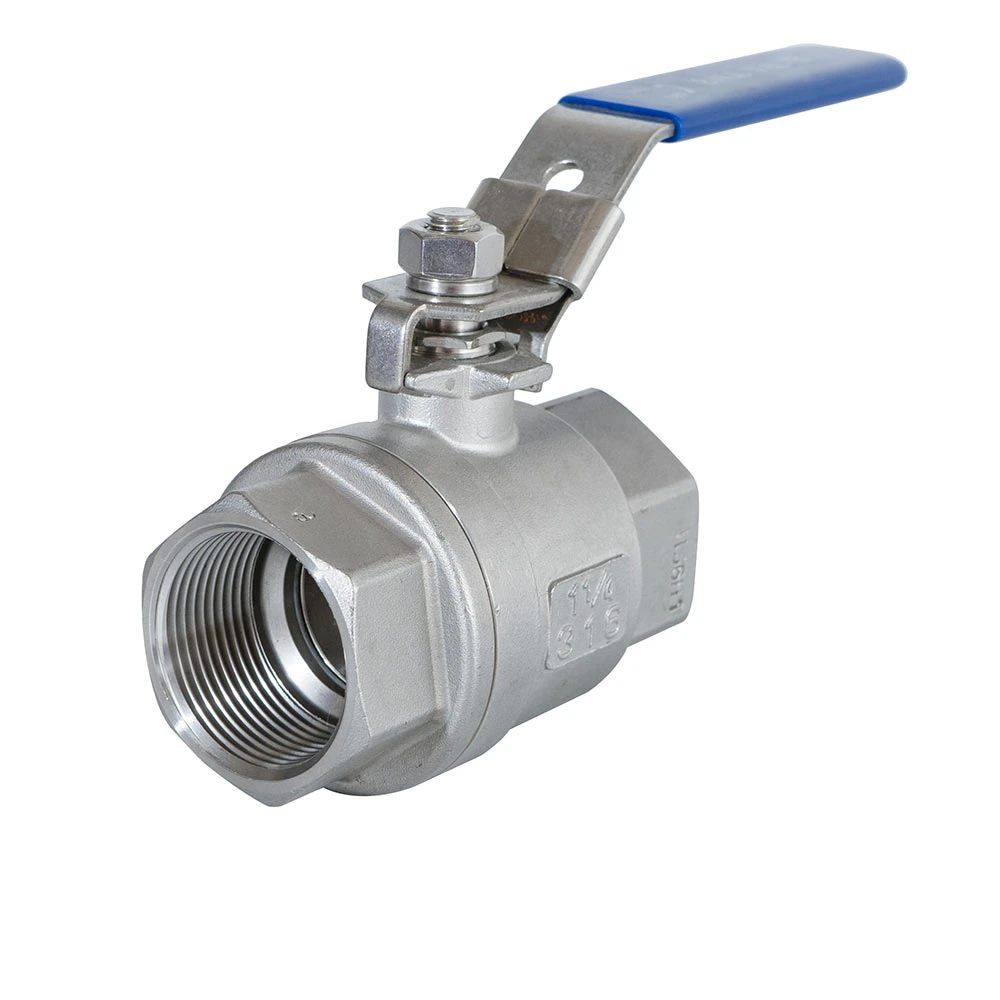
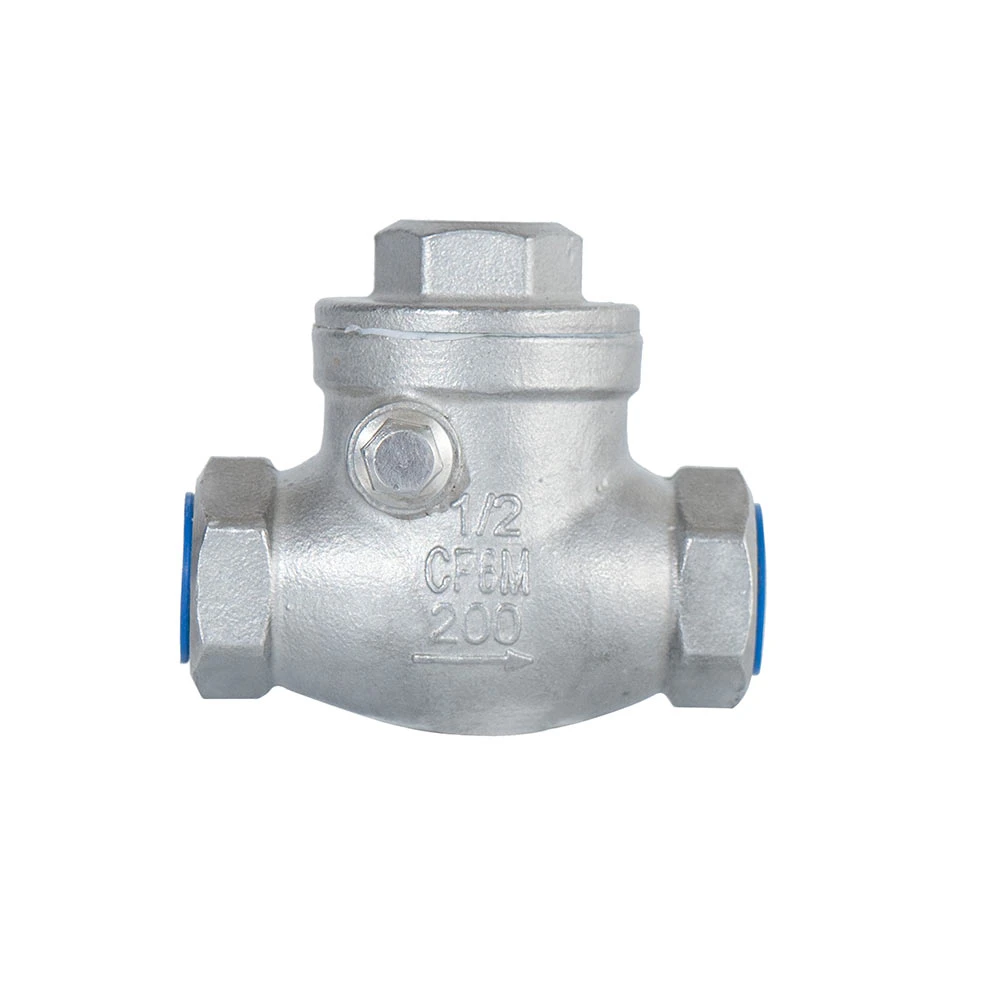
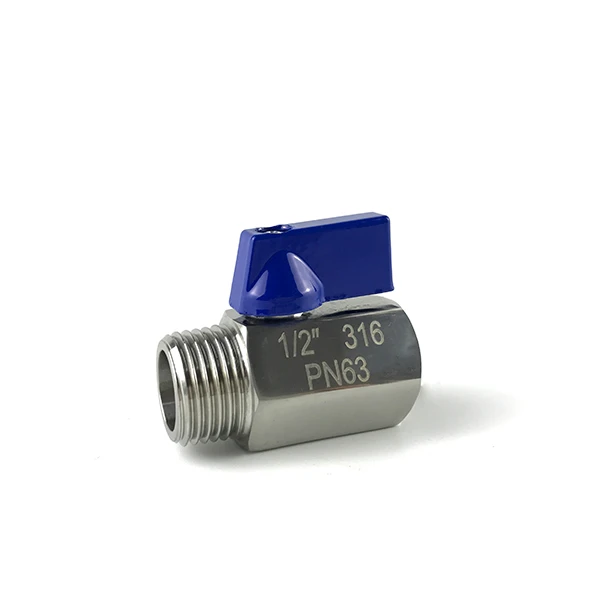
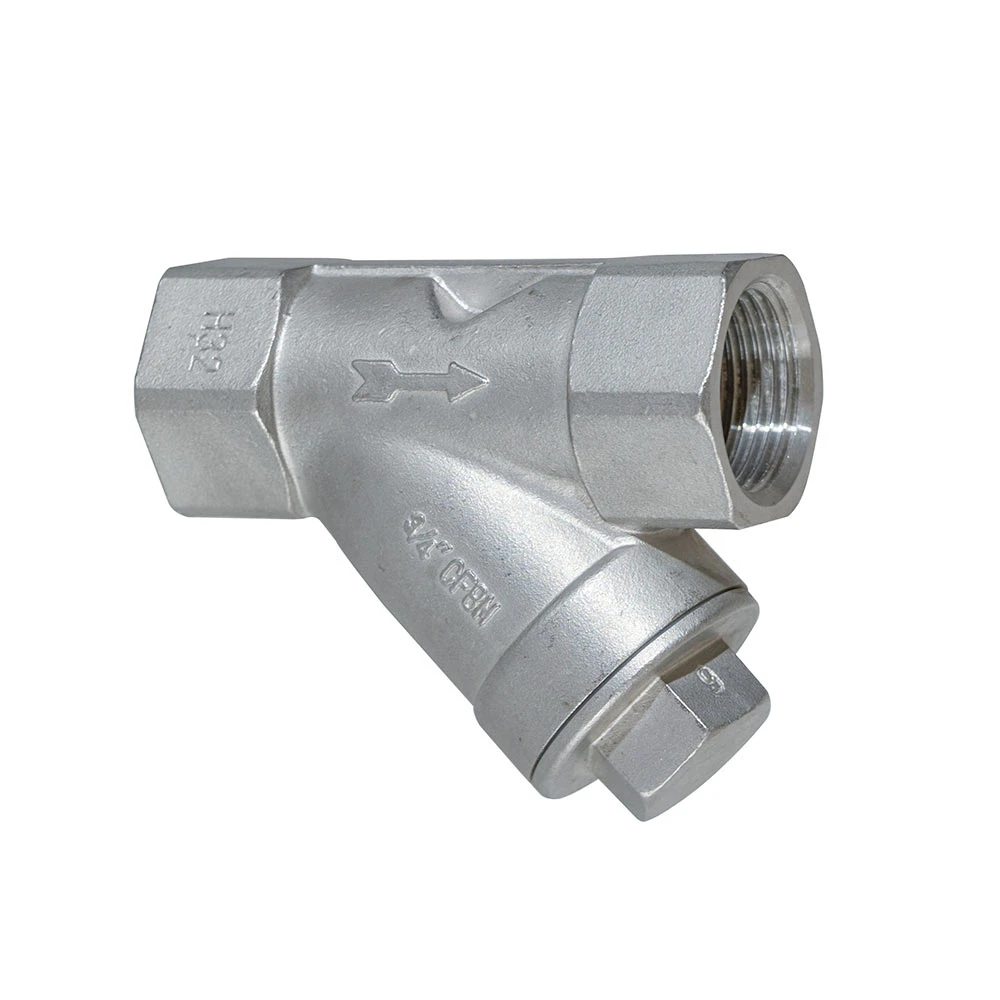
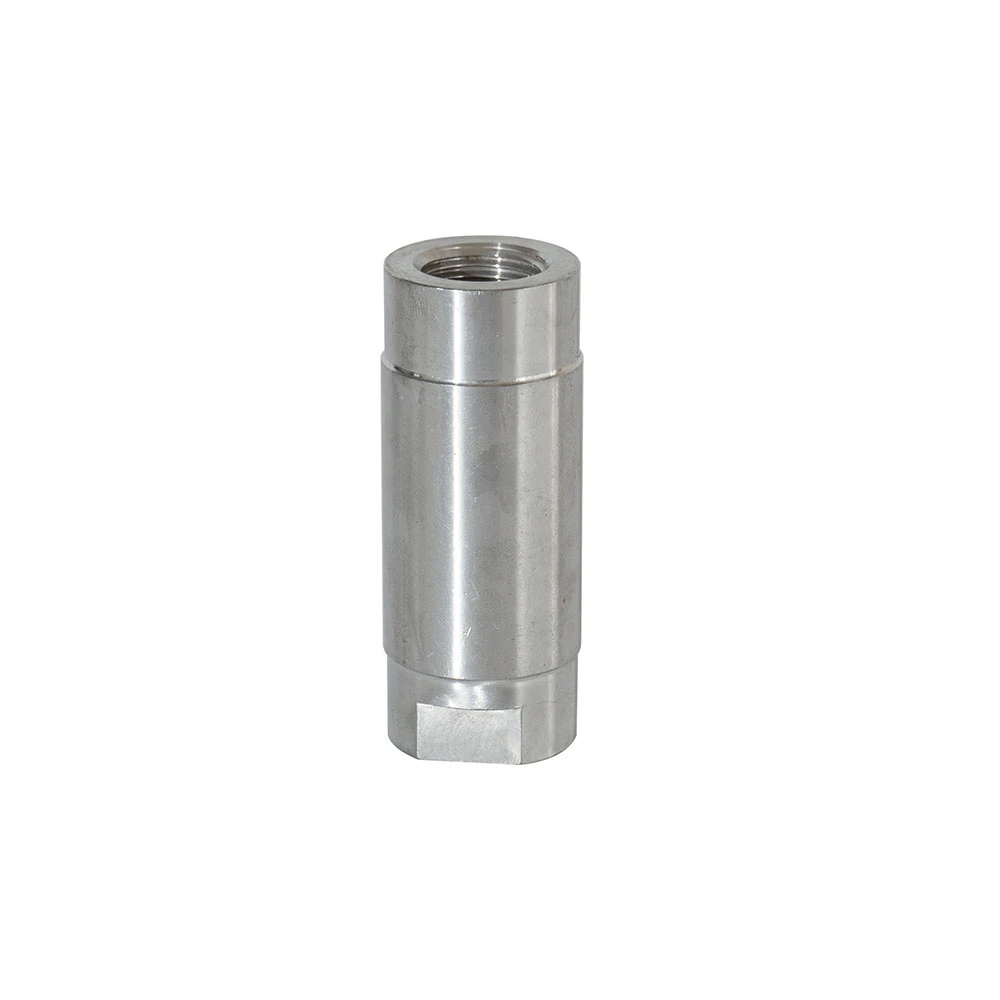
In real terms, a 3 4 Stainless Valve is a valve with a 3/4 inch nominal diameter, crafted from stainless steel, designed to manage the flow of liquids and gases efficiently. These valves are indispensable in industrial environments where corrosion resistance and high durability are non-negotiable. A lot of engineers I spoke with highlight the ease of installation and the robust mechanical design as major pluses. Frankly, the stainless steel construction means they can handle harsh conditions — be it in chemical plants, oil refineries, or water treatment facilities — without losing integrity.
- The valve typically features a stainless steel body made to withstand pressures up to 150 PSI and temperatures ranging from -20°C to 200°C.
- It's often tested for leak-tightness and endurance according to international standards such as ISO 9001 and API-598.
| Specification | Details |
|---|---|
| Size | 3/4 inch nominal diameter |
| Material | 304 or 316 stainless steel |
| Pressure rating | Up to 150 PSI |
| Temperature range | -20°C to 200°C |
| Standards | ISO 9001, API-598 |
Benefits & Use Cases of 3 4 Stainless Valve
If you wonder where these valves really shine, it's in sectors requiring reliability coupled with longevity. Oddly enough, many water treatment plants rely heavily on these because of their corrosion resistance — and that’s just the start. Chemical processing, breweries, HVAC systems, and pharmaceutical industries also extensively use them. It seems every time liquid or gas needs controlled flow under challenging conditions, a 3 4 Stainless Valve steps up.
- They excel in handling aggressive fluids, thanks to the stainless steel body resisting oxidation and chemicals.
- Compared to plastic or brass alternatives, they offer longer lifespan and less downtime — a huge advantage for continuous operation sites.
Cost, Maintenance & User Experience
Many business owners I know are cautious at first—after all, stainless steel valves aren’t the cheapest upfront. But when you look at the total cost of ownership, the picture changes. These valves don’t just last longer; they require way less maintenance. A refinery manager once told me, “Investing in stainless valves cut our downtime by half.” It’s that kind of feedback that really cements their reputation.
- Durability reduces the frequency and cost of replacements, translating into a better ROI.
- User-friendly features, like smooth handle operation and leak-proof seals, simplify routine checks and repairs.
| Feature | Houde Valve | Competitor A | Competitor B |
|---|---|---|---|
| Material Grade | 304 / 316 Stainless Steel | 304 Stainless Steel | Brass |
| Pressure Rating | Up to 150 PSI | Up to 120 PSI | Up to 100 PSI |
| Warranty | 2 years | 1 year | No warranty |
| Lead Time | 2 weeks | 3–4 weeks | 4 weeks |
Sustainability & Market Trends
Looking beyond just performance, sustainability is now a top priority. Stainless steel valves lend themselves well to circular economy principles because they’re entirely recyclable at the end of their lifecycle. Plus, stricter regulations worldwide mean companies have to choose materials that both meet safety standards and minimize environmental impact. This dynamic largely drives the market growth we’ve seen over the past decade. You know, as industries scale up, the demand for reliable, eco-friendly components is only going to rise.
- Legislation incentivizes shifts toward corrosion-resistant materials to reduce chemical waste and spills.
- Manufacturers like Houde Valve are increasing R&D investments to develop valves with better energy efficiency and longer service life.
Frequently Asked Questions about 3 4 Stainless Valve
- What is 3 4 Stainless Valve and how does it work?
- Simply put, it is a valve with a 3/4 inch diameter made from stainless steel designed to regulate, control, or direct flow within pipes. When turned, the valve opens or closes, allowing or stopping flow in industrial pipelines.
- What are the main benefits of using 3 4 Stainless Valve in industrial applications?
- Key advantages include excellent corrosion resistance, durability in harsh environments, reduced maintenance needs, and reliable sealing performance, which collectively improve operational efficiency.
- How does 3 4 Stainless Valve compare to traditional alternatives?
- Compared to brass or plastic valves, stainless valves offer greater longevity, better resistance to temperature extremes, and enhanced compatibility with aggressive substances.
- What industries can benefit most from 3 4 Stainless Valve implementation?
- Industries like chemical processing, pharmaceuticals, food and beverage, oil and gas, and water treatment find these valves particularly valuable due to their demanding operational environments.
Conclusion on 3 4 Stainless Valve from china
All things considered, the 3 4 Stainless Valve is much more than just a component — it’s a strategic investment in reliability and efficiency. Its robust design and wide-ranging applications make it a top pick for industries where downtime isn’t an option. For B2B decision makers aiming to optimize their operations, this valve ticks pretty much all the boxes.
- The durability, cost-effectiveness, and regulatory alignment make it a smart choice.
- For more details and purchasing options, visit our website: https://www.houdevalve.com
Reflecting on these insights, it’s clear that while every industrial setup has its quirks, the dependable nature of stainless valves often ends up as the unsung hero behind smooth operations.
References:
- Industry Valve Standards - ISO 9001 & API-598 Documentation
- Houde Valve Product Catalog and Technical Sheets
- Interviews with Process Engineers from Various Industries (2023)