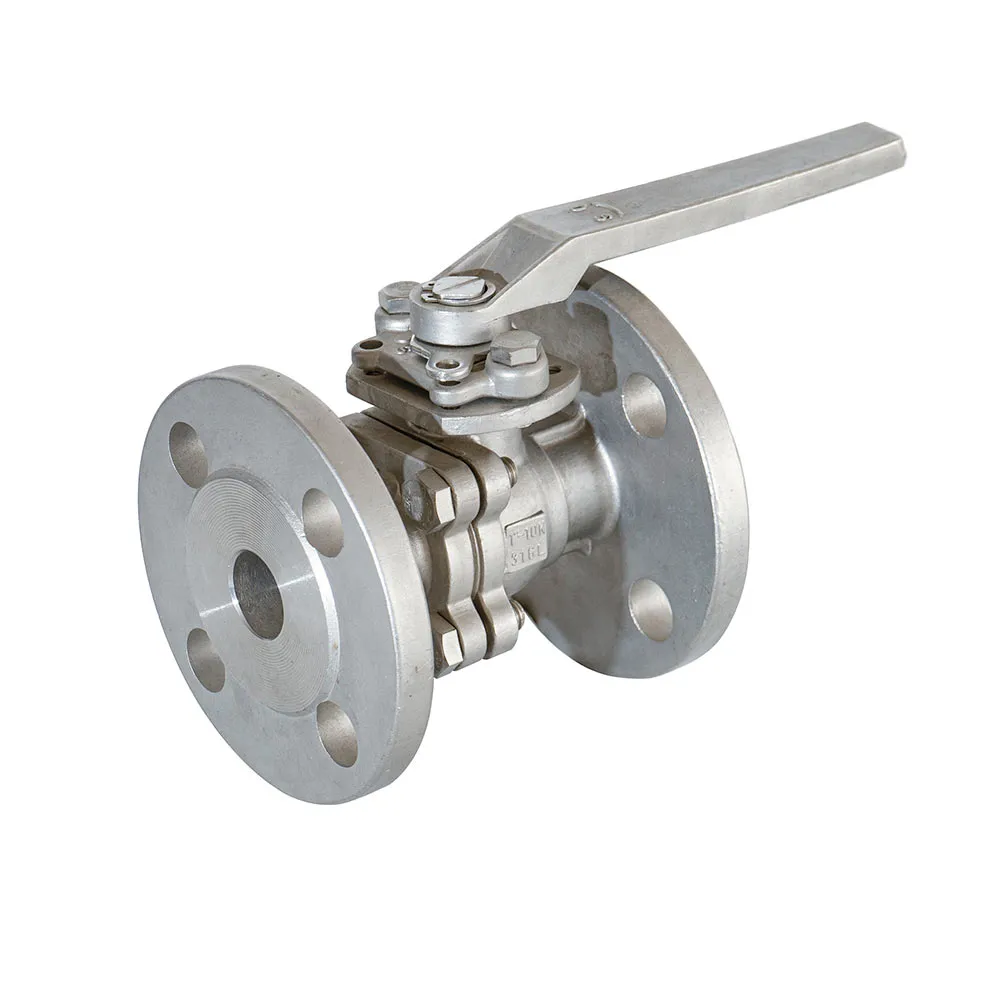
6 Stainless Steel Valve: Durable Solutions for Industrial Flow Control
Having spent over a decade in the industrial equipment field, I've come across countless valve types and materials. But when it comes to tough environments demanding both corrosion resistance and reliability, a 6 stainless steel valve often stands out. Oddly enough, although it’s one of those components you don’t notice until something goes wrong, it’s actually a quietly crucial player on any processing line.
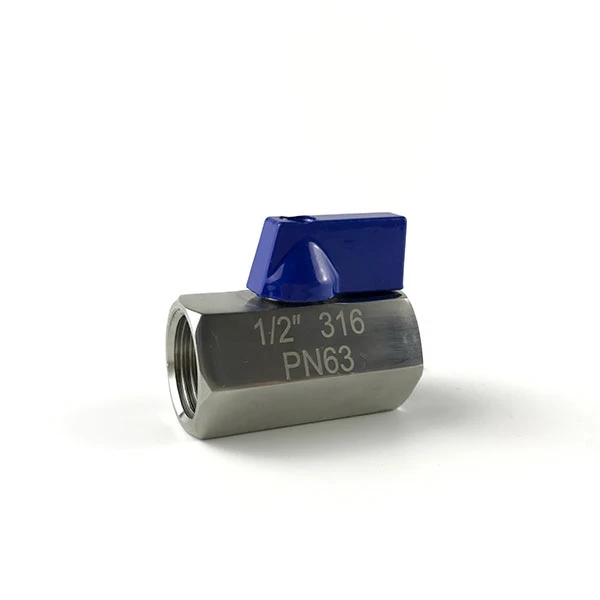
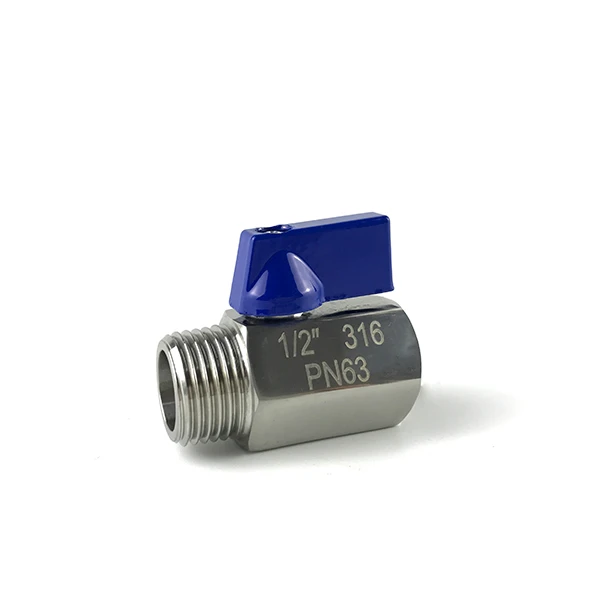
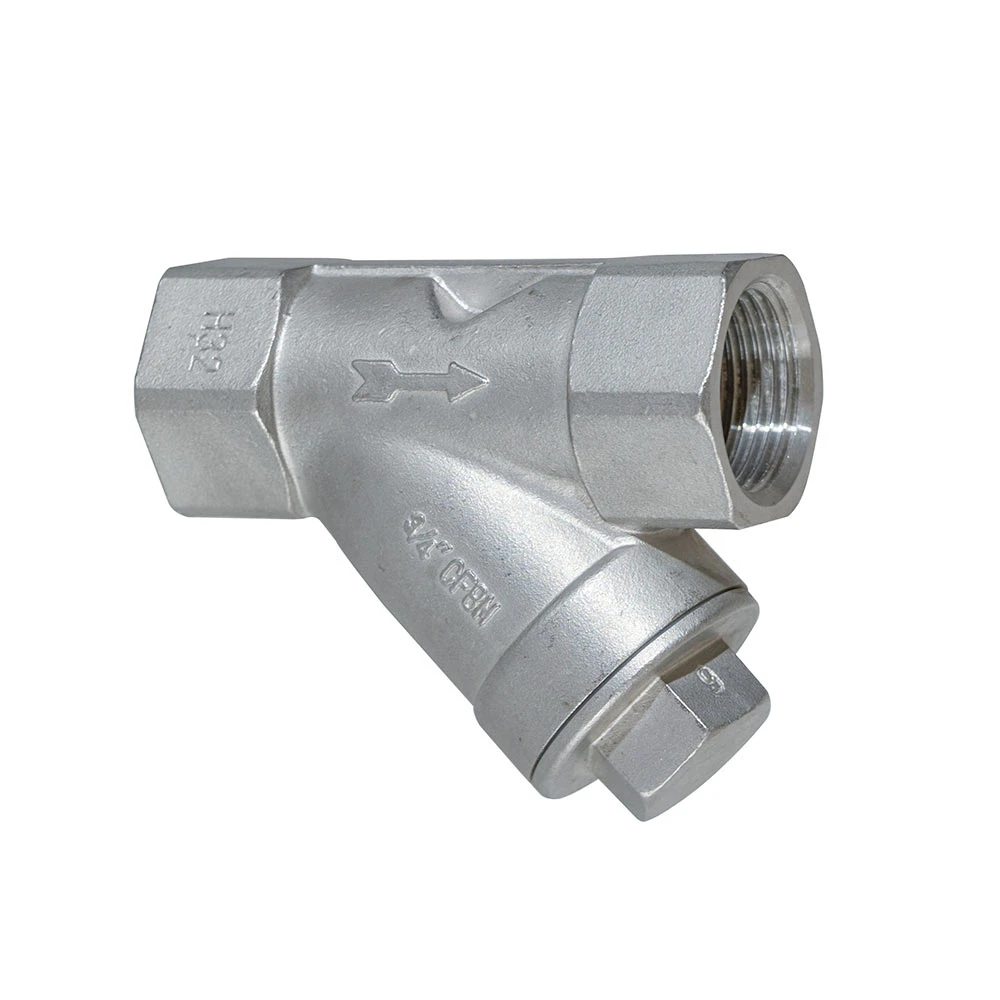
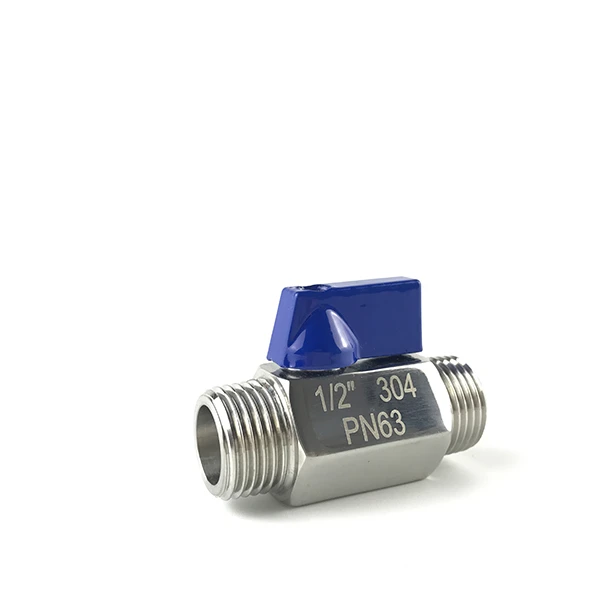
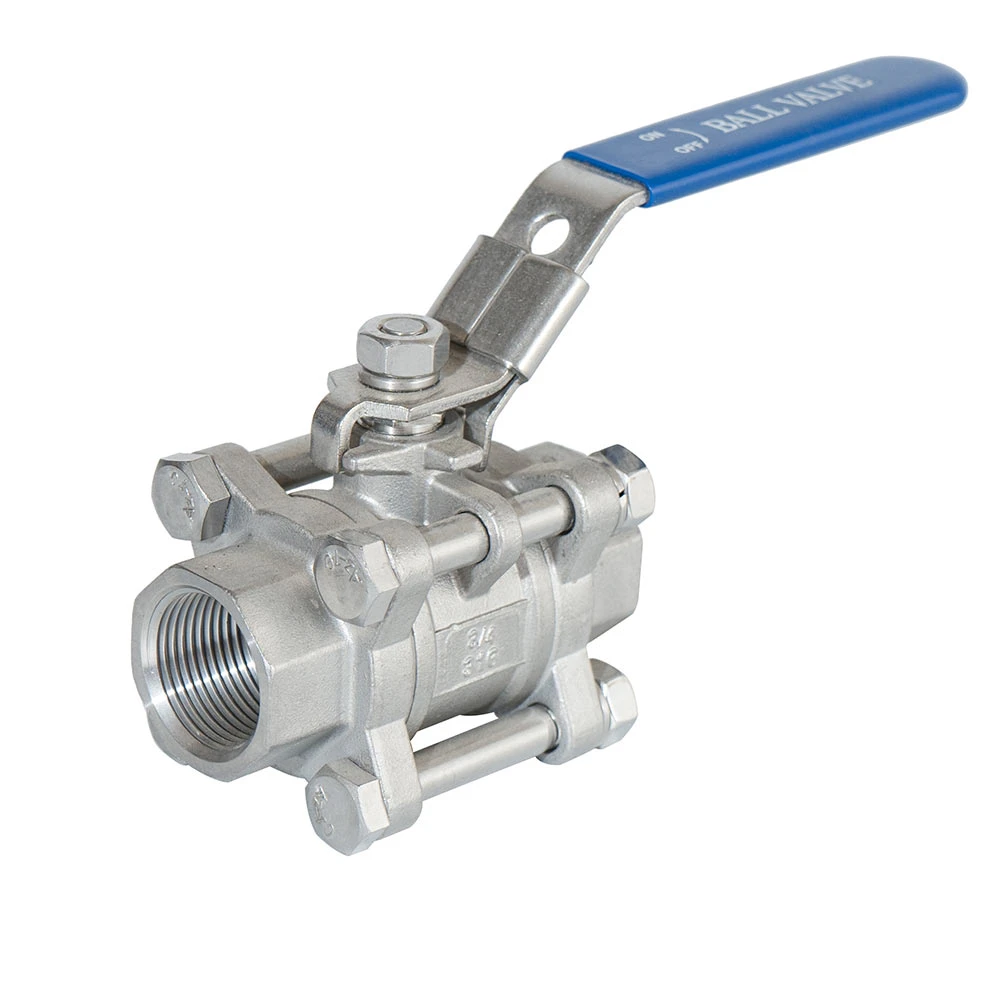
To give you some context, stainless steel valves—in this case, specifically the 6 series, which typically refers to grade 316 stainless steel—offer excellent resistance to corrosion, especially in aggressive environments like chemical plants, food processing, or marine applications. Many engineers I’ve worked with swear by them because they hit this sweet spot: they’re not just tough but also reasonably affordable compared to more exotic alloys.
The “6” series stainless steel composition generally includes molybdenum, which boosts its durability against chlorides and other corrosive agents. Over the years, I noticed that valves made from this material tend to last longer when installed in systems with higher salt exposure or acidic media—real terms that manage uptime rather than downtime.
| Specification | Details |
|---|---|
| Material | 316 Stainless Steel (Austenitic) |
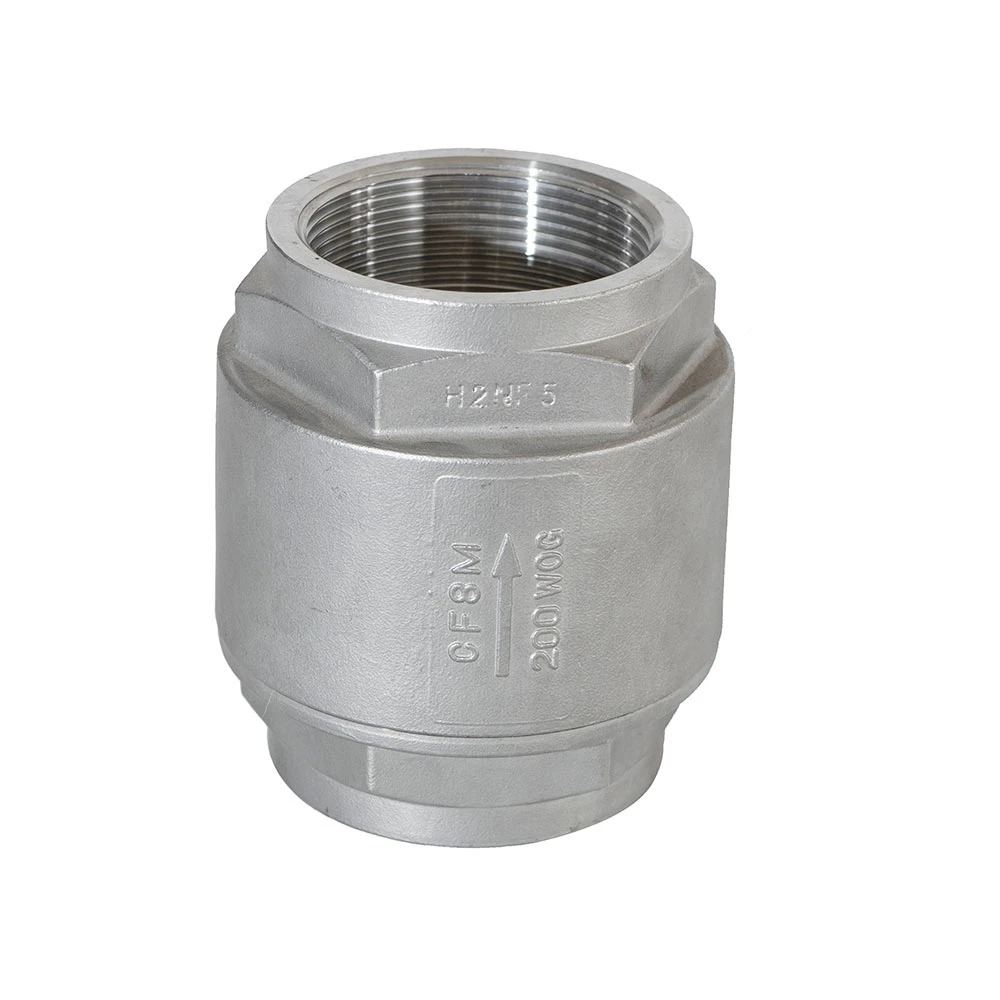
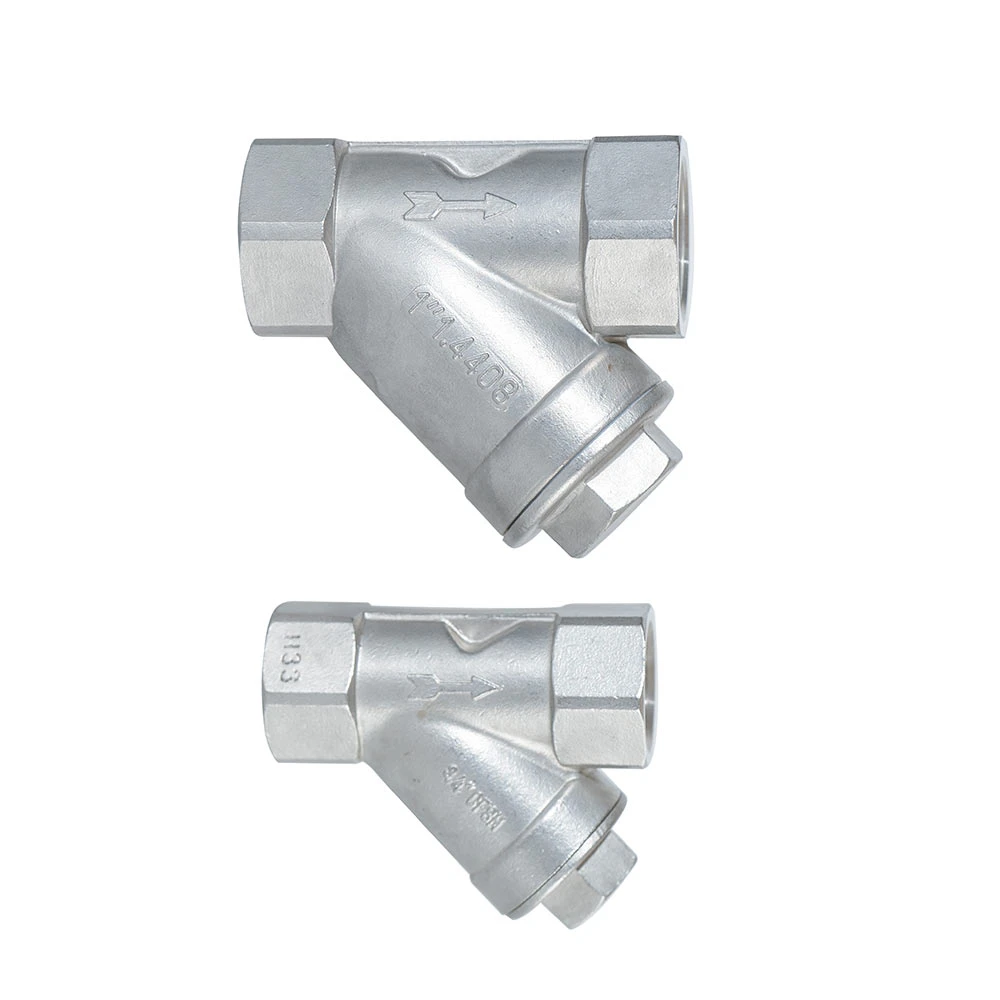
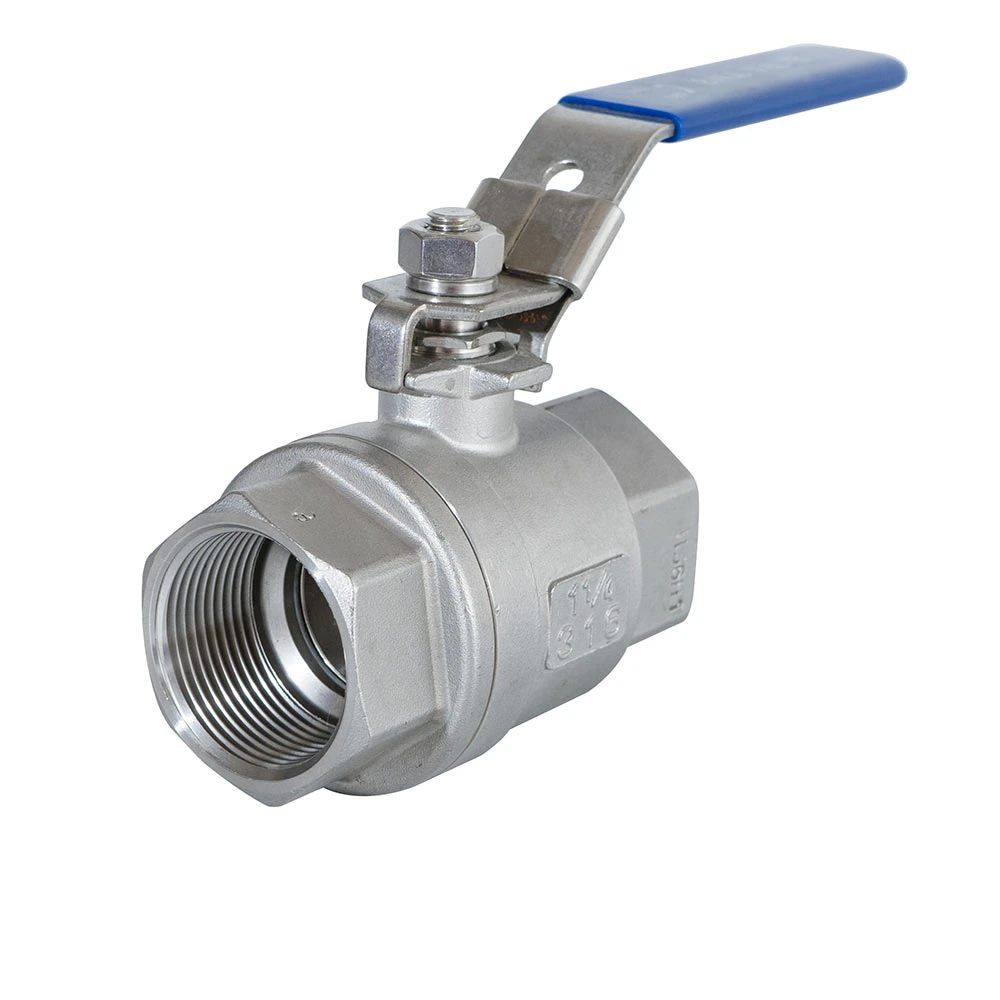
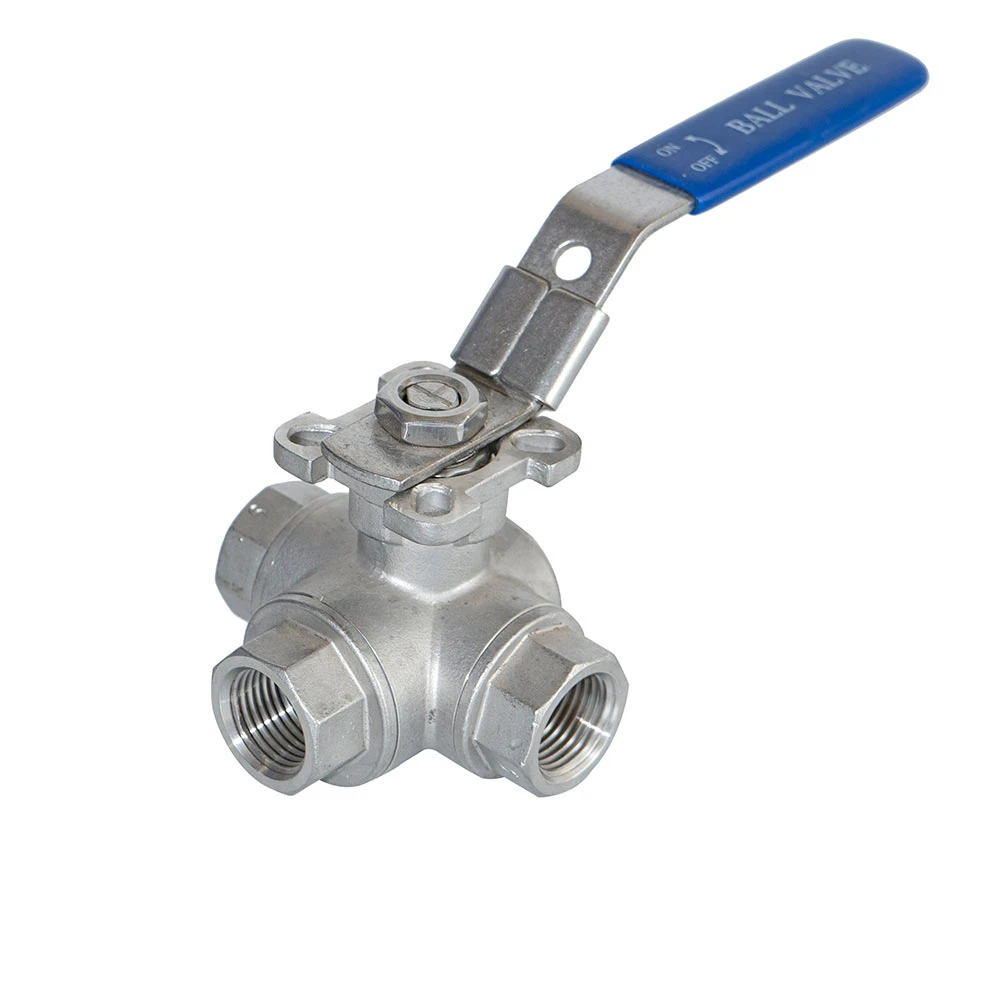
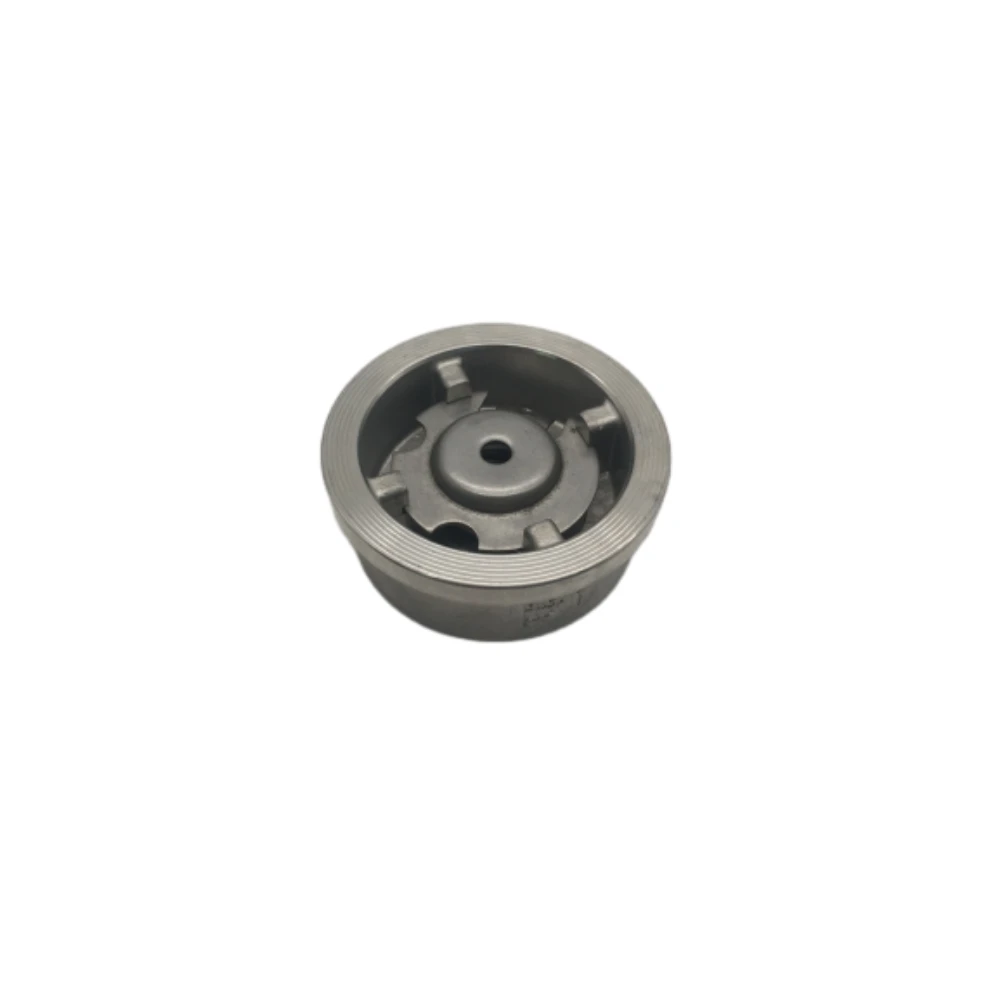
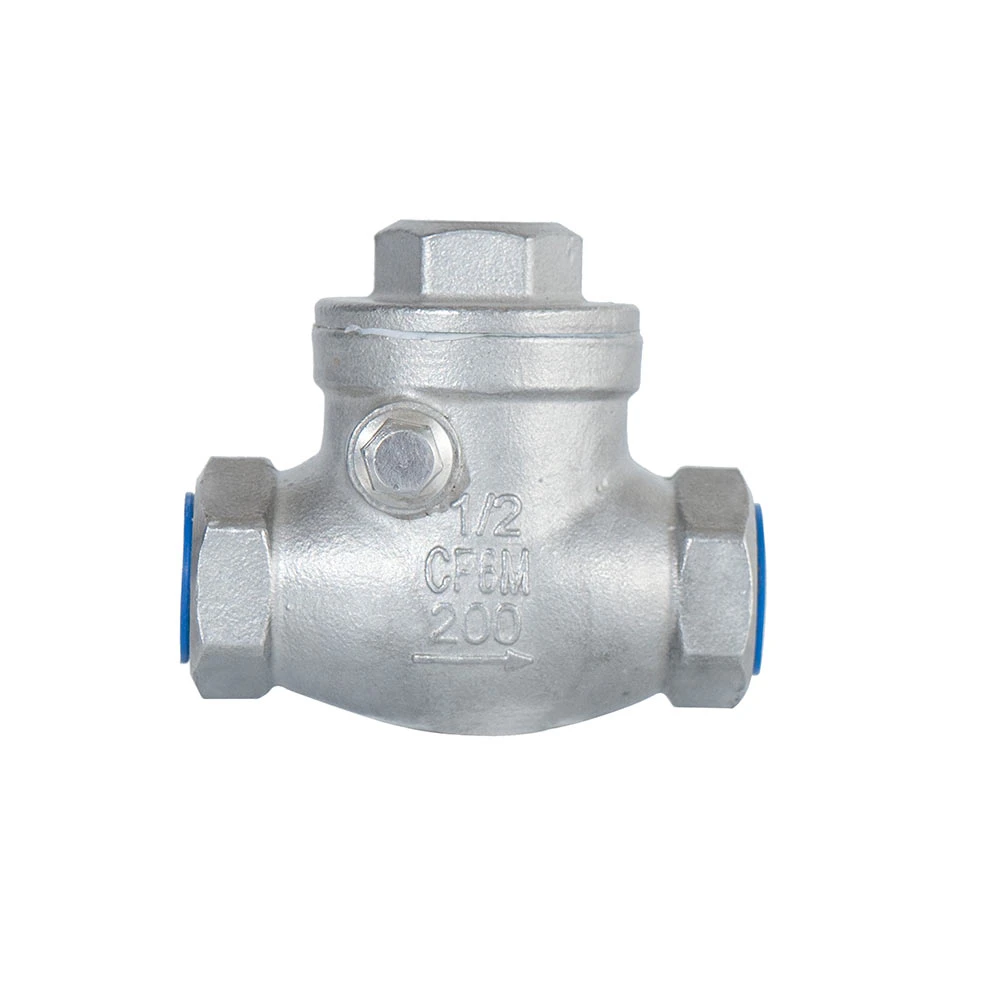
| Valve Type | Ball, Gate, Globe, Check (dependent on design) |
| Pressure Rating | Up to 1000 PSI (depending on valve size) |
| Temperature Range | -20°C to 250°C (-4°F to 482°F) |
| End Connections | Threaded, Flanged, Butt Weld |
| Seals | PTFE, Viton, or EPDM options |
Now, the choice isn’t just about specs. Faulty valves cost money—both in repairs and lost production. I remember a client in the food industry who switched from generic stainless steel valves to 6 stainless steel valve variants and noticed dramatically less maintenance downtime over the course of a year. It felt like a small upgrade, but the impact was pretty tangible.
When considering vendors, you want a balance of quality, price, and service. Here’s a simple comparison I often refer to:
| Vendor | Price Range | Lead Time | Customization Options | Customer Service |
|---|---|---|---|---|
| Houde Valve | Moderate | 2-4 weeks | Wide | Highly rated |
| IndustrialVals Inc. | Low | 1-2 weeks | Limited | Average |
| Premium Flow | High | 4-6 weeks | Extensive | Excellent |
The decision often narrows down to your project’s specific needs — if you need quick delivery, lower cost valves might seem tempting, but in the industrial world, you often pay for what you get. Frankly, I tend to recommend vendors like Houde Valve, where balanced quality, customization options, and solid support come together. It’s what many engineers I know swear by.
In terms of testing, these valves should meet ISO or API standards to ensure they can handle pressure and temperature extremes consistently. You’ll often find certifications listed prominently, and I’d advise never skipping the datasheet review. You kind of want to peek under the hood, so to speak, before locking in your valve supplier.
And don’t forget the little things: valve maintenance intervals, ease of servicing, and parts availability—that’s where years of experience matter. I learned this the hard way, watching a plant grind to a halt because they couldn’t swap out a valve seal easily.
To wrap this up — if you’re specifying or replacing valves in industrial settings, considering a 6 stainless steel valve is usually a smart bet. Reliable, corrosion-resistant, and widely supported, these valves withstand the test of time (and the occasional tough chemical assault). They’re one of those components that silently keep your system running and your peace of mind intact.
Reflections: Working with these valves over the years, I've come to appreciate how something as "simple" as a valve can really make or break entire processes. Sometimes it’s the smallest component that carries the biggest responsibility.
References:
1. International Stainless Steel Forum: Stainless Steel Grades Overview.
2. API (American Petroleum Institute) Valve Standards.
3. Houde Valve Official Documentation (https://www.houdevalve.com).