Types Of Ball Valves And Their Functions
Let's talk ball valves. It sounds simple, doesn’t it? A valve that uses a ball to control flow… but honestly, the nuances are incredible. You quickly realize it's not just about stopping flow, but controlling it precisely, reliably, and in some incredibly harsh environments. Houde Valve has been a key player in this space for a while, and they've really focused on building solutions for a wide range of industrial applications. It’s the kind of thing that often gets overlooked until something goes wrong… and then everyone’s scrambling.
Table of Contents
- Types Of Ball Valves And Their Functions Overview
- Benefits & Use Cases of Types Of Ball Valves And Their Functions
- Cost, Maintenance & User Experience
- Sustainability & Market Trends
Types Of Ball Valves And Their Functions Overview
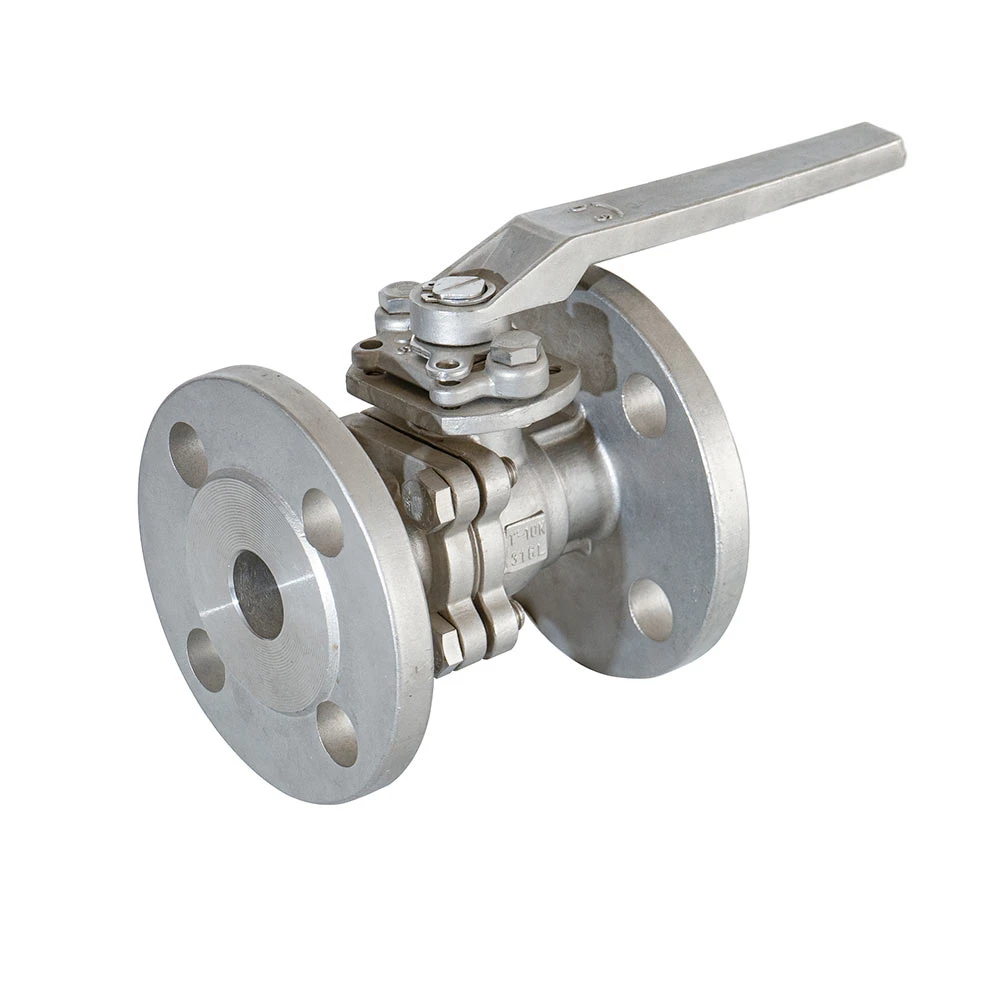
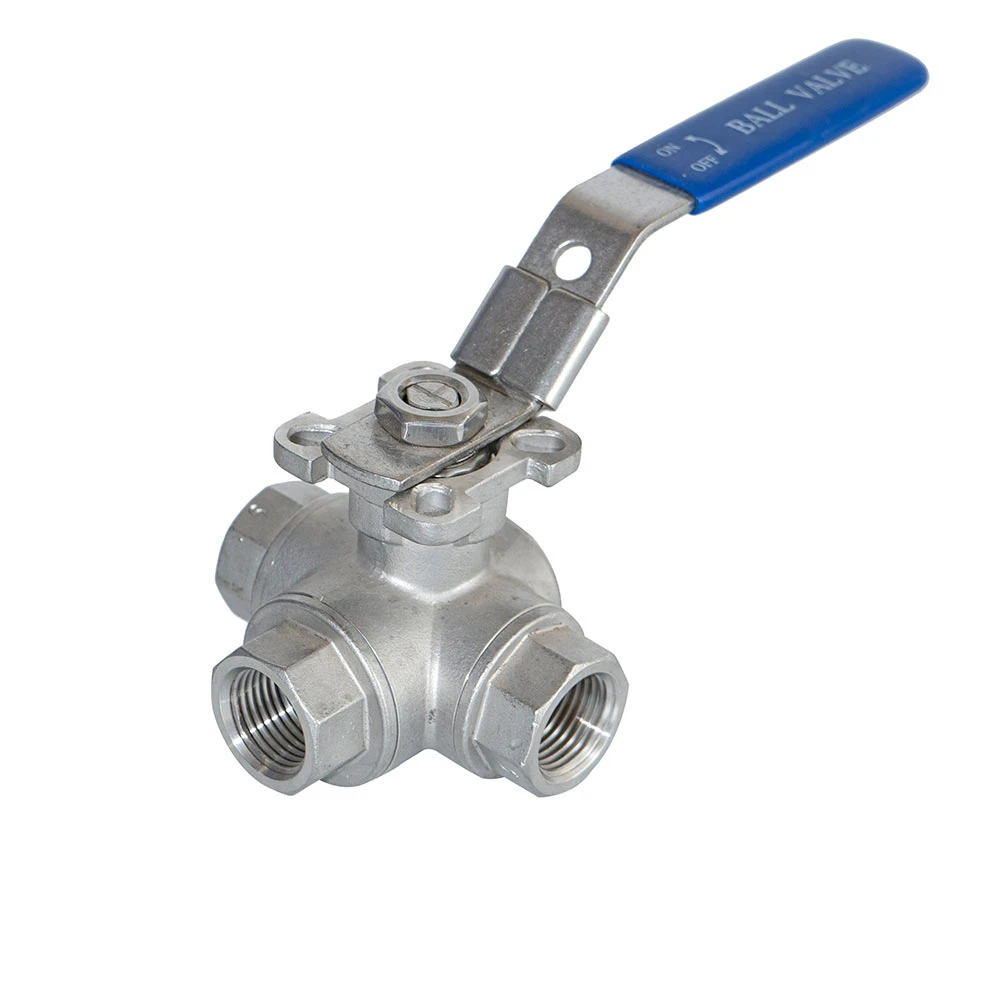
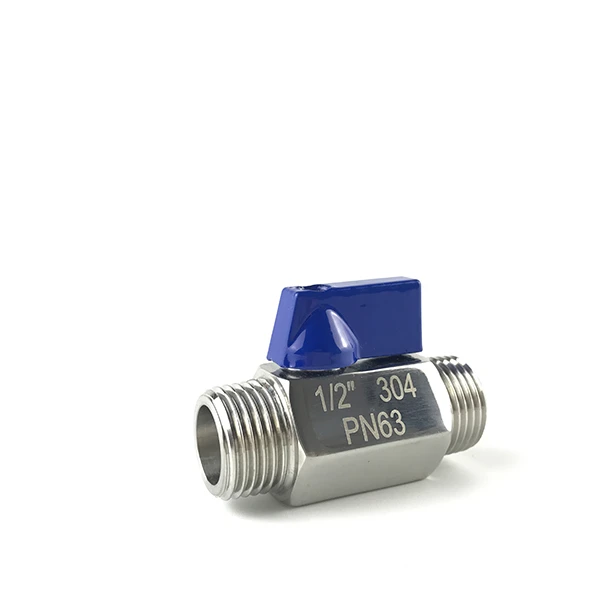
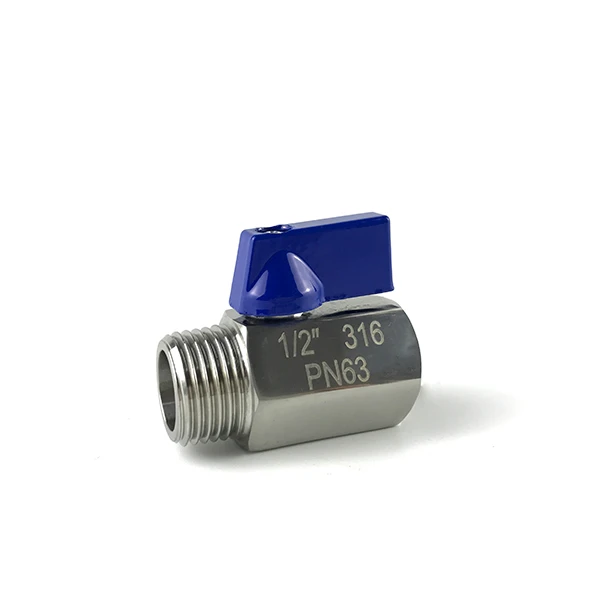
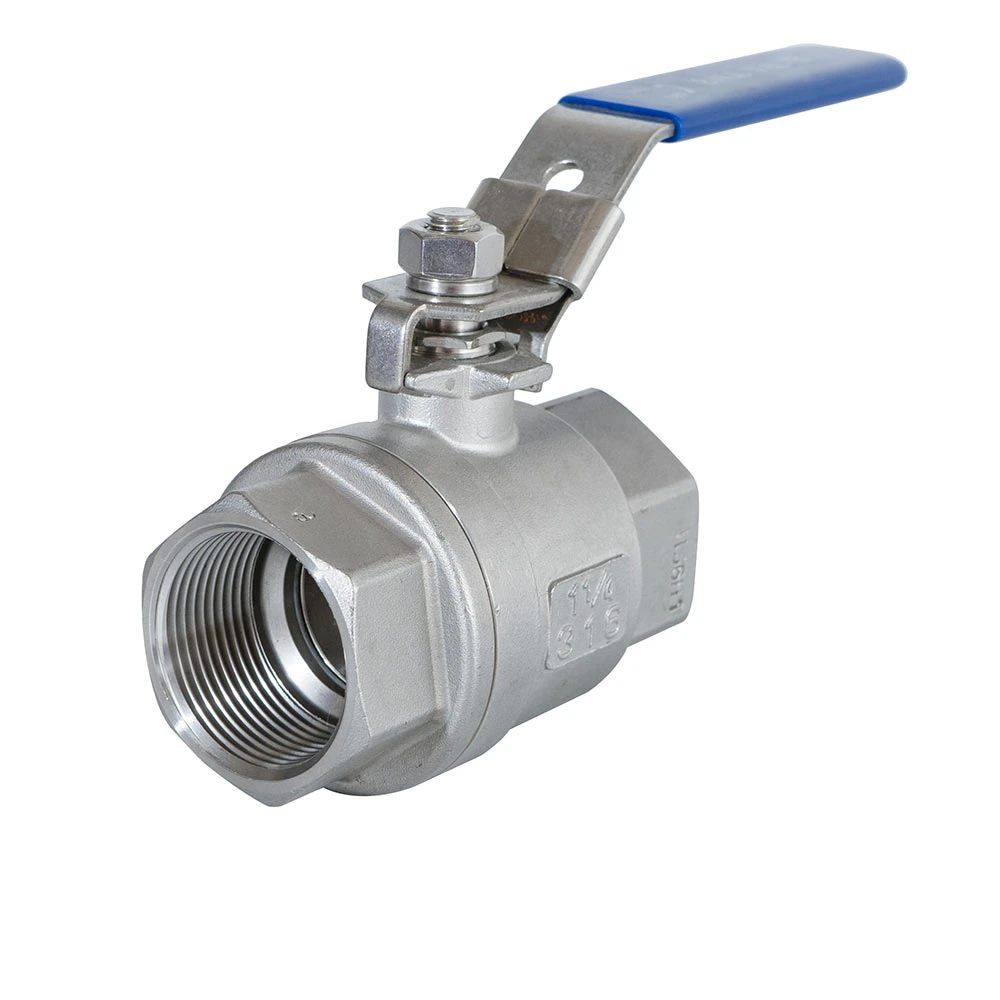
Okay, so what are the types? You’ve got your standard ball valves, full port and reduced port being the primary distinctions. Full port maximizes flow, obviously, while reduced port offers more control. Then you get into exotic materials - stainless steel, PTFE lined, cryogenic versions... it’s a surprisingly deep rabbit hole. I suppose the core function remains the same: quarter-turn operation for quick shutoff. But the engineering behind making them reliable in extreme temperatures, pressures, or corrosive environments? That’s where things get interesting. Here’s a quick look at some key specs we've been seeing:
| Parameter | Specification | Notes |
|---|---|---|
| Max Pressure | Up to 10,000 PSI | Depending on material |
| Temperature Range | -196°C to 427°C | Material dependent |
| Connection Types | Threaded, Socket Weld, Butt Weld | Various standards available |
Benefits & Use Cases of Types Of Ball Valves And Their Functions
Frankly, the applications are almost limitless. Oil and gas, of course – critical for pipeline control. Chemical processing, where corrosion resistance is paramount. Water treatment, needing reliable shutoff. Pharmaceutical, demanding ultra-pure materials. I was talking to an engineer at a large pulp and paper mill recently, and they were using them extensively in their steam lines. They said the quick quarter-turn operation significantly reduced downtime during maintenance. You know, every minute counts in those facilities. A big advantage is their tight shutoff – minimizing leakage and maximizing efficiency.
| Vendor | Material Options | Lead Time | Price Range |
|---|---|---|---|
| Houde Valve | Stainless Steel, Carbon Steel, Alloy Steel | 2-4 Weeks | $50 - $500 |
| Flowserve | Wide Range, Exotic Alloys | 4-8 Weeks | $100 - $1000+ |
| Emerson | Standard & Custom Materials | 3-6 Weeks | $75 - $600 |
Cost, Maintenance & User Experience
Okay, let's talk money. Initial cost is a factor, of course. But frankly, looking at the total cost of ownership – that's where things get interesting. A cheaper valve that fails frequently will cost you far more in the long run, both in terms of replacement and downtime. I've noticed a trend towards valves with easily replaceable seals and components, which simplifies maintenance. Many engineers say preventative maintenance is key. A regular inspection schedule and lubrication can dramatically extend the lifespan. The user experience, from a purely operational standpoint, is generally very good. The quarter-turn action is intuitive, even for less experienced operators.
Sustainability & Market Trends
There’s increasing pressure for more sustainable solutions, and that extends to valve design. Manufacturers are using more eco-friendly materials and focusing on reducing waste in the production process. Oddly enough, energy efficiency is a big driver here – a valve that minimizes pressure drop contributes to overall energy savings. The market is also seeing a move towards smart valves – integrating sensors and data analytics to monitor performance and predict failures. It feels like we are moving towards predictive maintenance becoming standard practice, and these valves are key to that.
Frequently Asked Questions about Types Of Ball Valves And Their Functions
- What is Types Of Ball Valves And Their Functions and how does it work?
- A ball valve uses a hollow, perforated and pivoting ball to control fluid flow. Rotating the ball aligns the hole with the flow path (open) or perpendicular to it (closed). It’s a simple, effective mechanism.
- What are the main benefits of using Types Of Ball Valves And Their Functions in industrial applications?
- Durability, quick operation, tight shutoff, relatively low cost, and suitability for a wide range of fluids and pressures are all major benefits.
- How does Types Of Ball Valves And Their Functions compare to traditional alternatives?
- Compared to gate valves, ball valves offer faster operation and better shutoff. Compared to globe valves, they have lower pressure drop. They're often a more versatile choice.
- What industries can benefit most from Types Of Ball Valves And Their Functions implementation?
- Oil & gas, chemical processing, water treatment, pharmaceuticals, pulp & paper, and food & beverage are all major users.
Conclusion on Types Of Ball Valves And Their Functions from china
Ultimately, choosing the right ball valve is about understanding your specific application and prioritizing reliability, efficiency, and cost-effectiveness. Houde Valve offers a diverse range of options to meet those needs. Don't underestimate the importance of a well-chosen valve – it’s a small component with a big impact.
- Visit our website: https://www.houdevalve.com