Types of Ball Valves in Plumbing
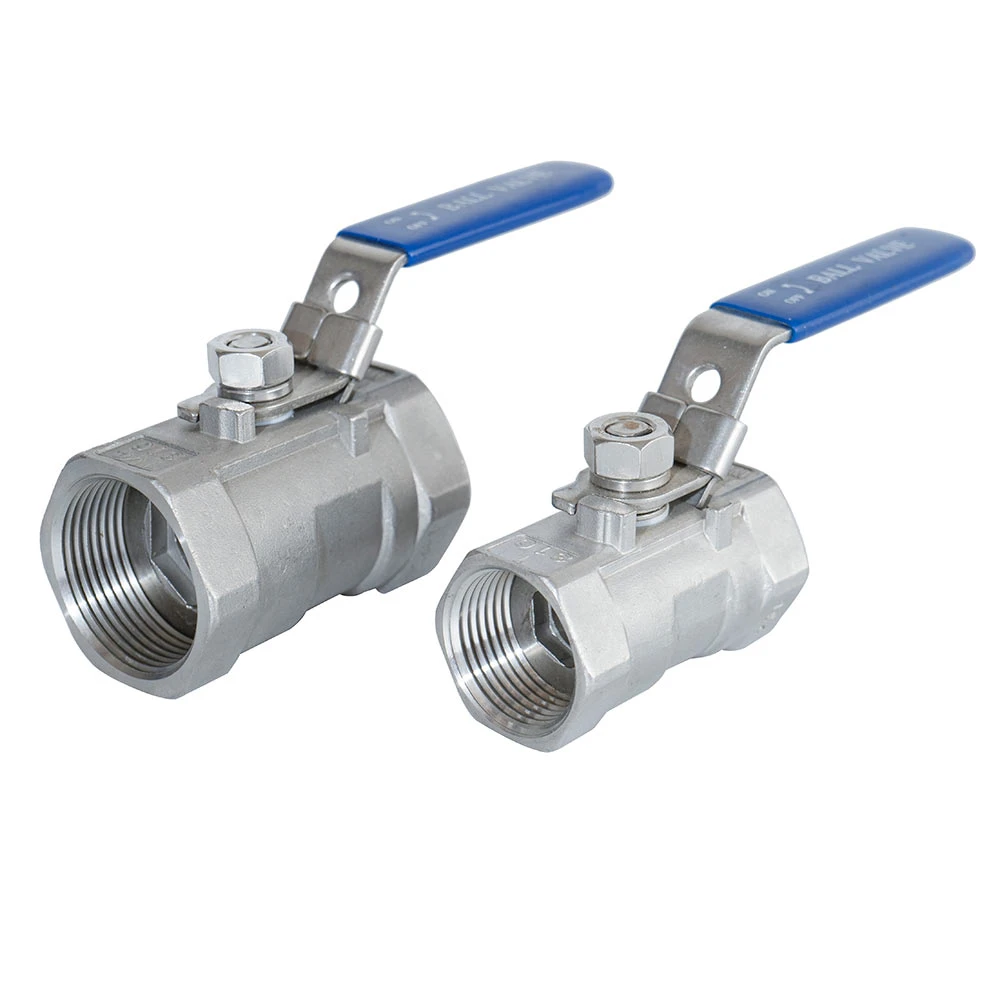
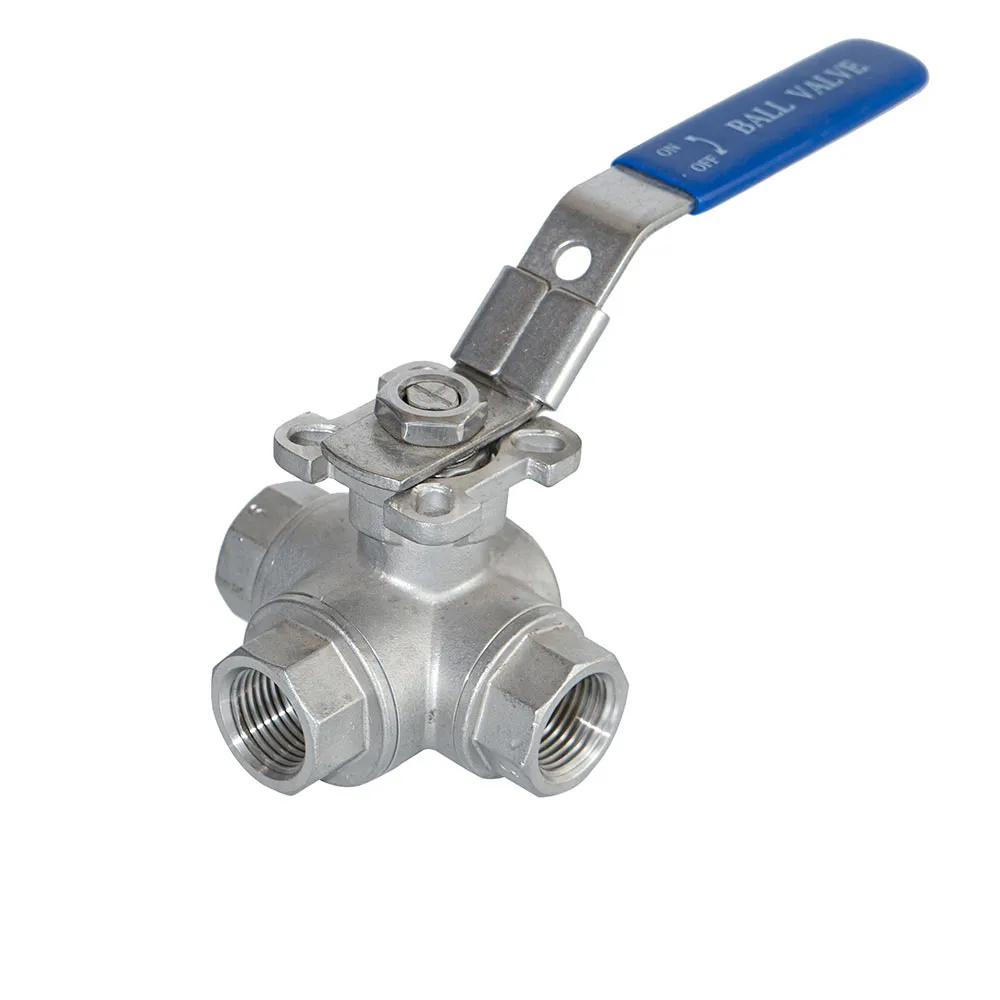
Ball valves are a crucial component in many plumbing systems, renowned for their reliability and efficient flow control. They operate using a hollow, pivoting ball with a bore through it, allowing or blocking the passage of fluid. Understanding the different types of ball valves available is essential for selecting the right valve for a specific application. This article explores the various designs, materials, and applications of ball valves in plumbing, providing a comprehensive guide for professionals and homeowners alike. Choosing the correct valve can significantly impact the longevity and efficiency of your plumbing system.
Understanding the Basic Function of a Ball Valve
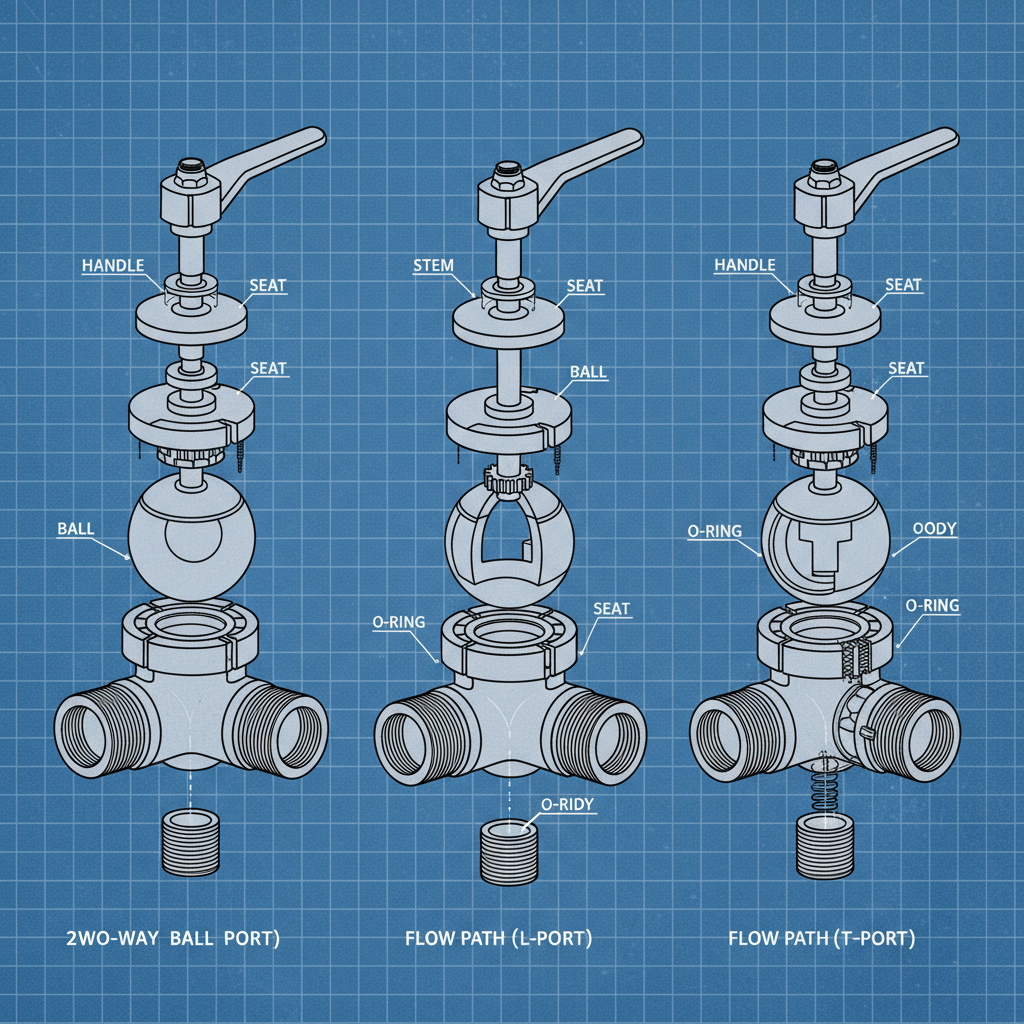
At its core, a ball valve functions by rotating a ball with a bore inside. When the bore is aligned with the pipe, fluid flows freely. Rotating the ball 90 degrees closes the valve, blocking the flow. This simple yet effective mechanism provides quick and reliable shut-off capabilities. They are commonly preferred over other valve types due to their low pressure drop and tight sealing characteristics. The ease of operation and durability make ball valves a versatile choice for residential, commercial, and industrial plumbing applications.
Key Benefits: Quick shut-off, low pressure drop, durable, reliable sealing, and easy operation.
Different Types of Ball Valves
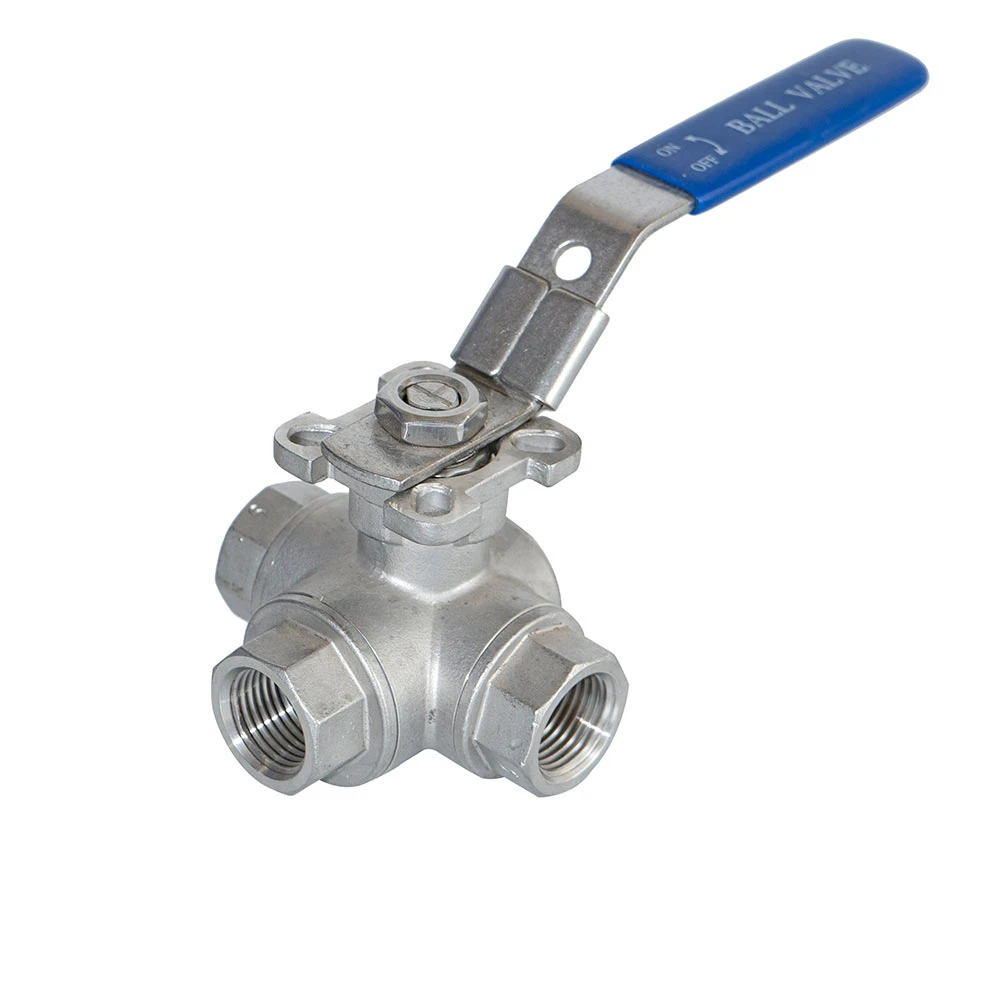
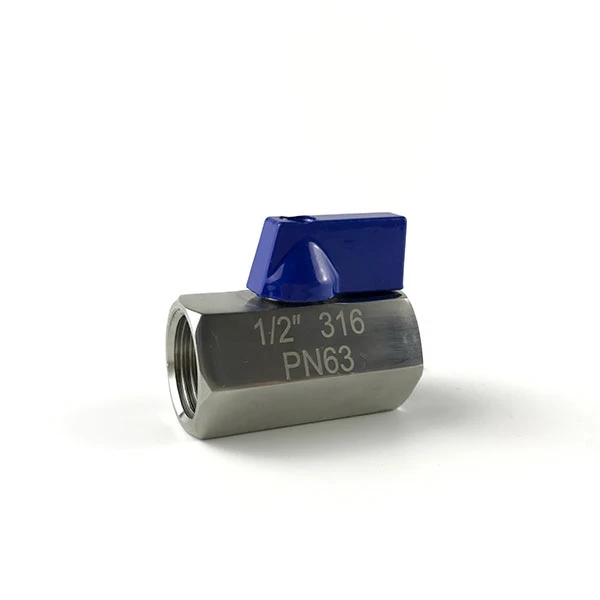
While the basic principle remains the same, ball valves come in various designs tailored for specific purposes. The most common types include full-port, reduced-port, two-piece, three-piece, and multi-port ball valves. Each design offers unique advantages in terms of flow capacity, maintenance, and application suitability. Understanding these differences allows for informed decision-making when selecting a ball valve for a particular plumbing project. Houde Valve offers a wide range of ball valve solutions to meet diverse plumbing needs.
Full-Port vs. Reduced-Port Ball Valves: A Comparison
A key distinction lies between full-port and reduced-port ball valves. Full-port valves have an internal diameter equal to the pipe’s inner diameter, allowing for unrestricted flow. Reduced-port valves, on the other hand, have a smaller bore, creating some resistance to flow. The choice between the two depends on the specific application. Full-port valves are ideal for systems where minimal pressure drop is crucial, while reduced-port valves are suitable for applications where flow control is more important than maximizing flow rate.
Material Considerations for Ball Valves
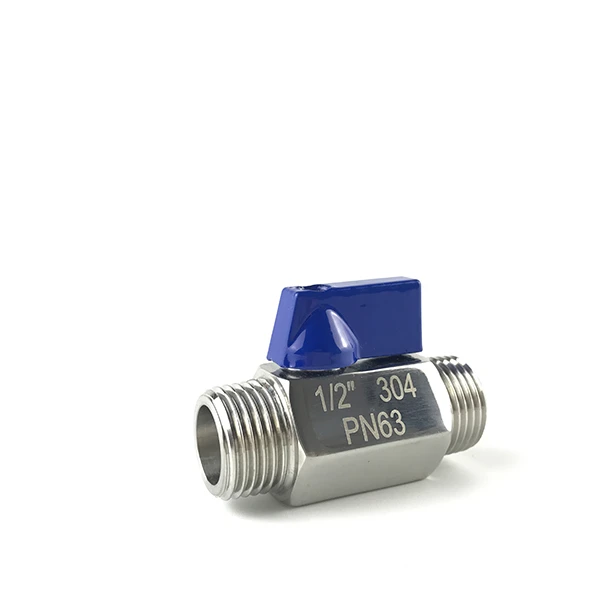
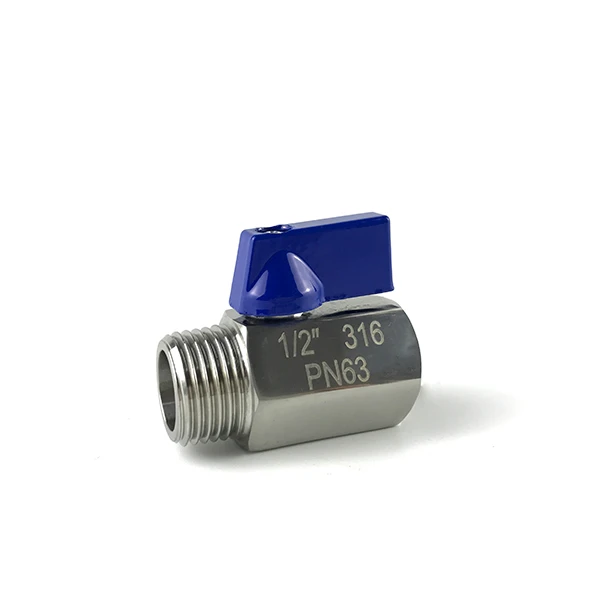
The material of a ball valve significantly impacts its durability and suitability for various fluids and temperatures. Common materials include brass, stainless steel, PVC, and CPVC. Brass valves are widely used for water applications due to their corrosion resistance. Stainless steel valves offer superior strength and are ideal for handling aggressive chemicals and high temperatures. PVC and CPVC valves are lightweight and cost-effective, often used in irrigation and chemical processing. The selection of the right material is critical to ensure long-term performance and prevent leaks or failures.
Two-Piece vs. Three-Piece Ball Valves: Maintenance and Repair
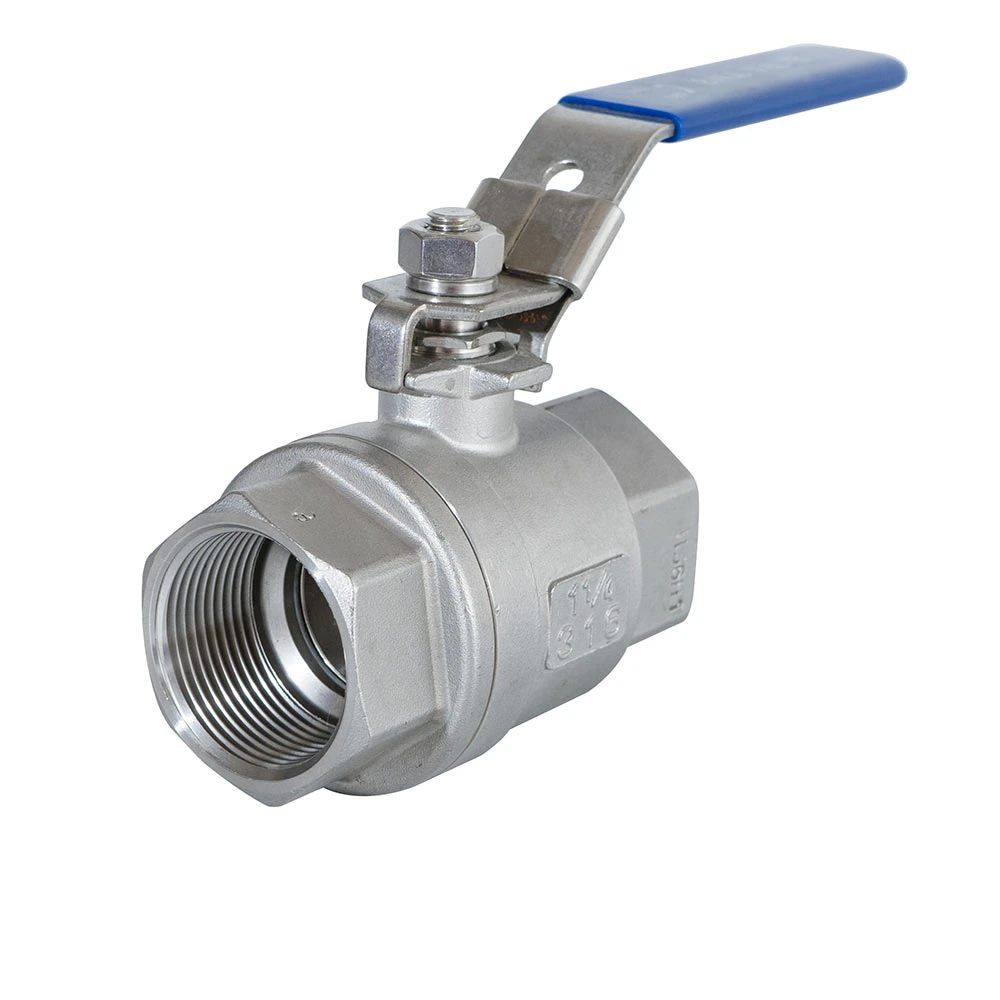
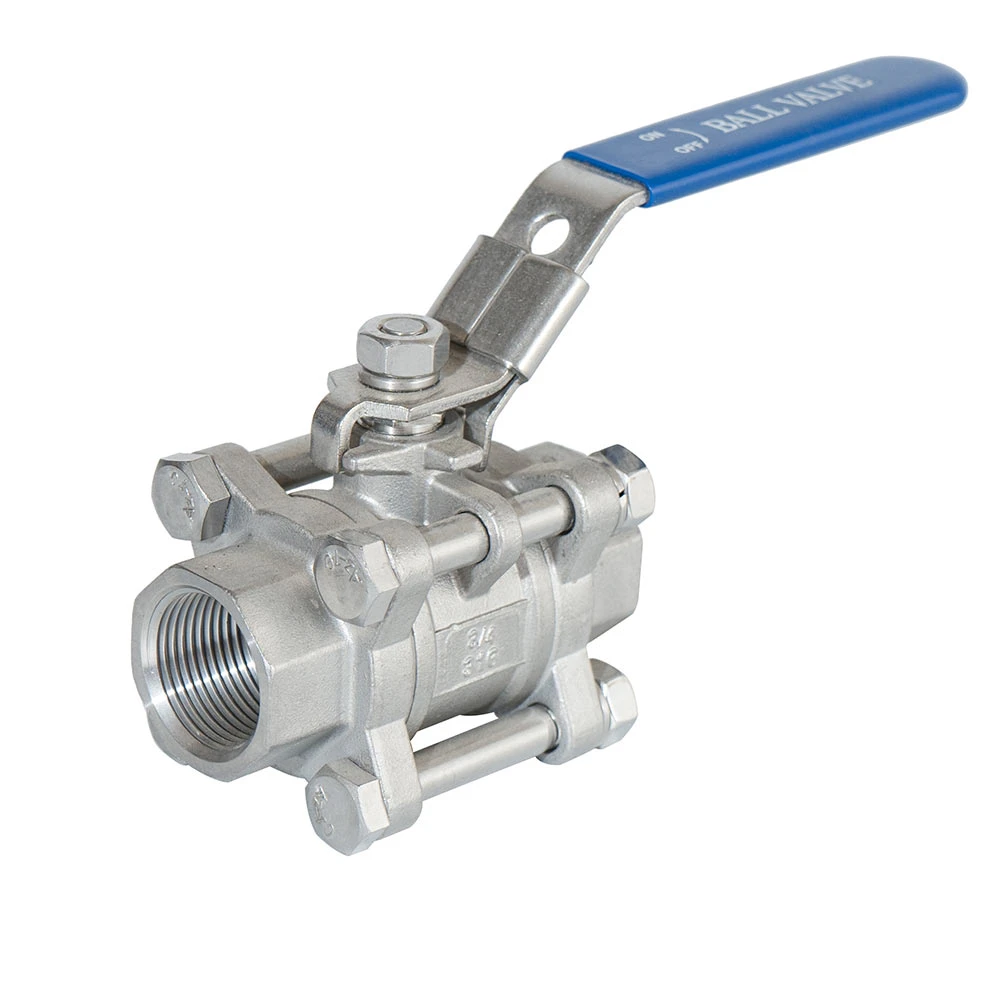
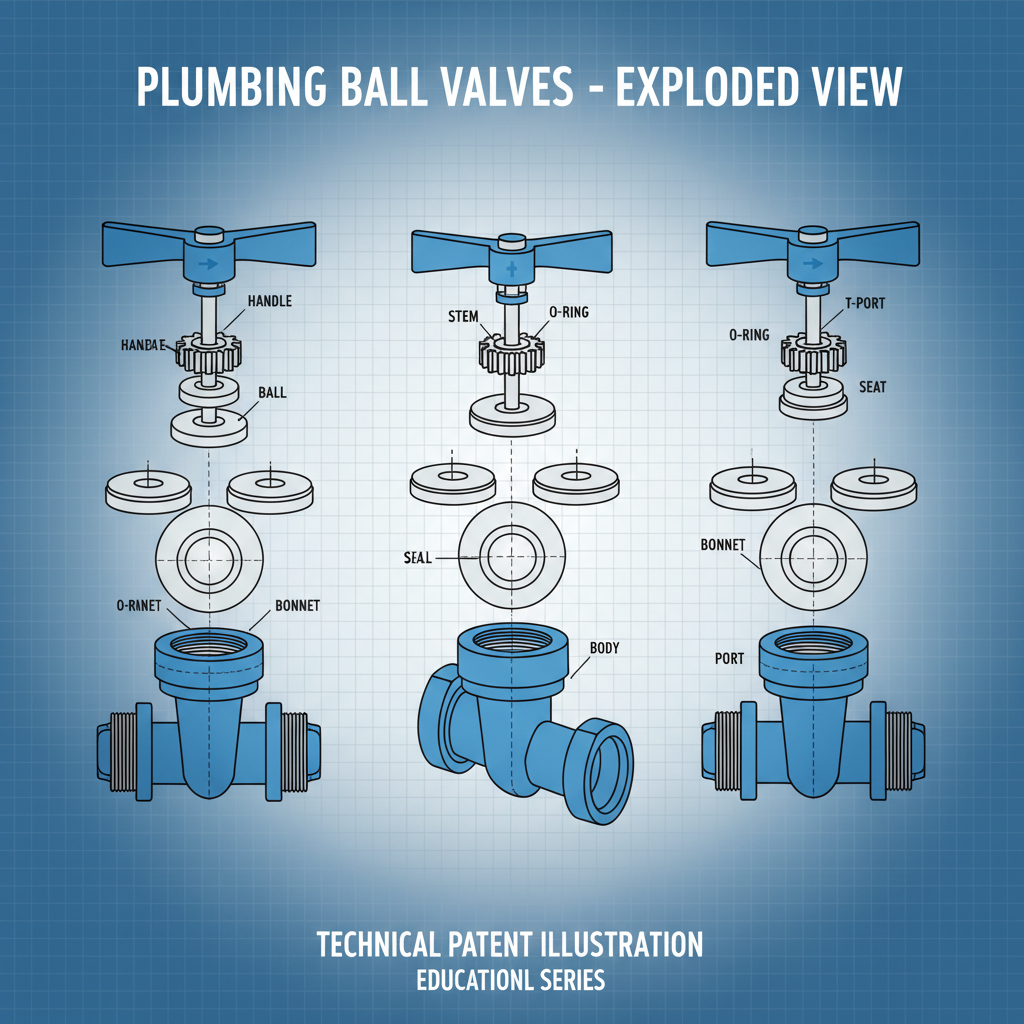
Two-piece ball valves are simpler in design, typically consisting of a body and a ball assembly. They are cost-effective but offer limited maintenance options. Three-piece ball valves, however, are designed for easy disassembly and maintenance. The body is split into three sections, allowing for replacement of the ball, seats, and seals without removing the valve from the pipeline. This makes three-piece valves a preferred choice for applications where frequent maintenance is required. Visit Houde Valve’s website to explore our selection of three-piece ball valves.
Conclusion
Choosing the right type of ball valve is vital for a reliable and efficient plumbing system. By understanding the differences between full-port and reduced-port designs, material considerations, and the benefits of two-piece versus three-piece valves, you can make an informed decision. Houde Valve provides high-quality ball valves designed for diverse plumbing applications. Investing in the right valve ensures long-term performance and peace of mind.
Frequently Asked Questions (FAQs)
What is the lifespan of a typical ball valve?
The lifespan of a ball valve depends on factors like material quality, frequency of use, and the type of fluid it handles. Generally, a well-maintained ball valve can last for 10-20 years or even longer. However, regular inspection is crucial to identify any signs of wear or corrosion. Signs of a failing valve include leaks around the stem or body, difficulty in operation, or a noticeable decrease in flow rate. If any of these symptoms are observed, the valve should be replaced promptly.
How do I properly size a ball valve for my plumbing system?
Proper sizing is crucial for optimal performance. The valve's size should match the pipe diameter to avoid flow restrictions. Consider the flow rate requirements of your system. If you need maximum flow, choose a full-port ball valve. If flow control is the priority, a reduced-port valve might be suitable. Consult a plumbing professional if you're unsure about the correct size for your application. Using a valve that is too small can cause excessive pressure drop, while a valve that is too large might not provide adequate control.
Can ball valves be used with potable water?
Yes, ball valves made from materials like brass or stainless steel are commonly used with potable water. However, it’s essential to ensure that the valve is certified for potable water applications, such as meeting NSF/ANSI 61 standards. This certification guarantees that the valve materials won’t leach harmful contaminants into the water supply. Avoid using valves made from materials that are not approved for potable water, as they could pose health risks.
What is the best way to maintain a ball valve?
Regular maintenance can extend the life of your ball valve. Periodically inspect the valve for leaks, corrosion, or damage. Lubricate the stem with a suitable lubricant to ensure smooth operation. Avoid over-tightening the valve handle, as this can damage the seats and seals. If the valve becomes difficult to operate, it may require cleaning or replacement of the seals. Proper maintenance will help prevent costly repairs and ensure reliable performance.