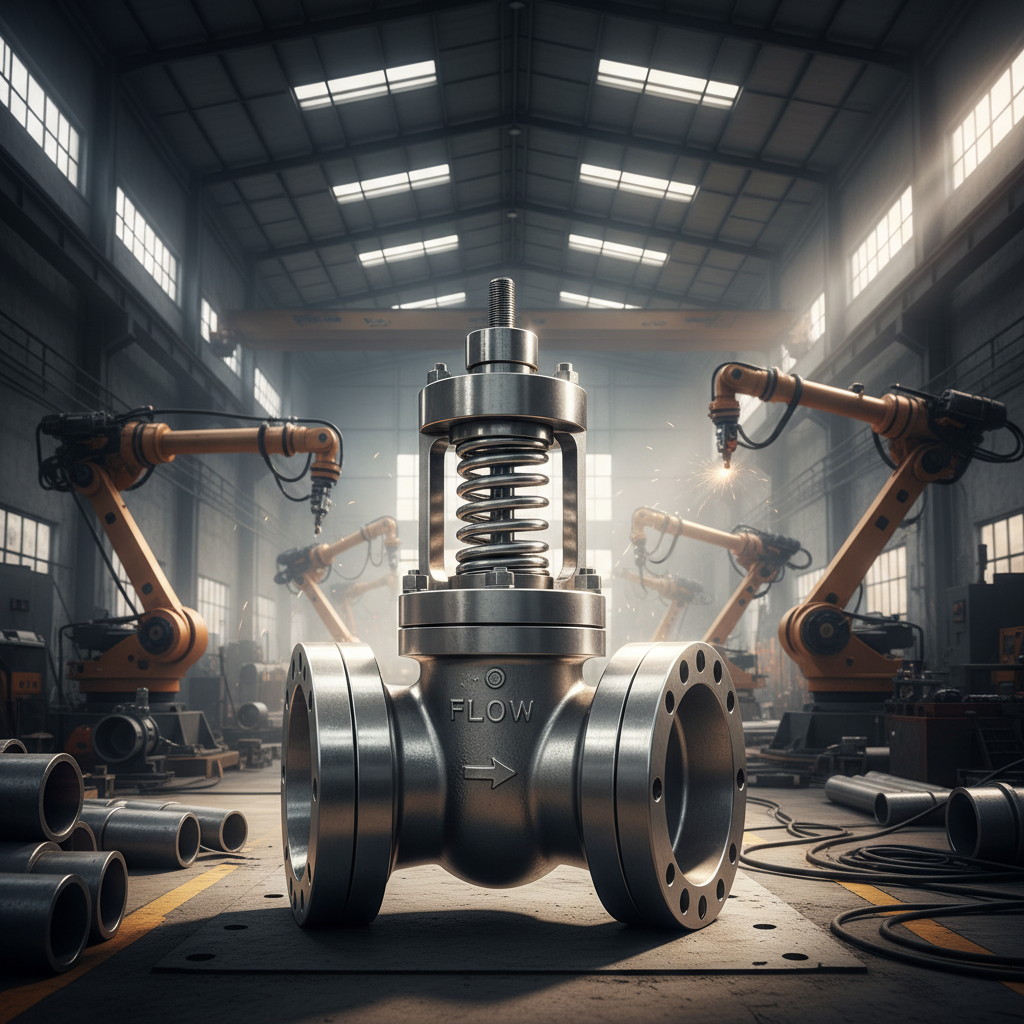
To be honest, this year’s valve scene… it’s all about automation. Everyone’s scrambling for smart valves, remote monitoring, that kind of thing. It’s not just the big oil refineries anymore, even smaller plants want to know what’s happening with their flow rates in real-time. I've been seeing a lot of interest in fail-safe designs, too – people are really worried about downtime these days. It’s gotten to the point where if a valve can’t tell you it’s about to fail, nobody wants it.
Have you noticed how often engineers get hung up on theoretical flow rates? They spend hours modeling pressure drops, but then they forget that actual pipes aren’t perfectly smooth, and that grit gets into everything. That's a big trap. I’ve seen designs that looked brilliant on paper, completely choked up with scale after just six months. It's always something.
We mostly work with 316 stainless, naturally. Good stuff. Feels solid, you know? Doesn’t smell like anything, thankfully, unlike some of the cheaper alloys. Handling it, you can tell the difference - a bit heavier, smoother. You can tell it's going to last. We use a lot of PTFE for the seals, too. That stuff’s a lifesaver. Smells kinda… chemical-y when you machine it, but it seals like a dream. Tried some of the cheaper alternatives… don’t bother. Just don't.
The Current Landscape of Stainless Steel Valves
Strangely, everyone's moving towards modular valve systems. Pre-assembled blocks with different configurations. Makes installation easier, supposedly. I'm still skeptical. Seems like just another place for things to leak. But the demand is there.
It’s a global thing, though. Saw some impressive setups in Singapore last year – fully automated chemical plants, everything controlled from a central room. The quality of the valves there was… well, it was different. Everything was so precise, so clean. It made our stuff look kinda rough around the edges, to be honest. But it worked, just as reliably. Anyway, I think the real growth is in customized solutions, especially for specialty chemicals and food processing.
Common Design Pitfalls in Valve Engineering
I encountered this at a petrochemical plant in Texas last time. They’d designed a valve system assuming a constant flow rate, but the upstream pressure fluctuated wildly. The valve started vibrating like crazy, nearly shook itself apart. Simple stuff, really, but overlooked.
Another thing? Tightening tolerances. Engineers love tight tolerances. But in the real world, things expand and contract with temperature changes. Too tight a fit, and you get seizing. Too loose, and you get leaks. Finding that sweet spot is an art.
And don’t even get me started on corrosion. People underestimate how quickly things can corrode, especially in harsh environments. Choosing the right stainless grade is crucial, but even 316 can struggle with certain chemicals. It’s always a gamble.
Material Selection: A Hands-On Perspective
Like I said, 316 is our go-to. It's durable, it's relatively easy to machine, and it holds up well in most applications. But for really aggressive chemicals, you need something special, like Alloy 20. It's expensive, mind you, but it can save you a lot of headaches down the line.
Then there’s the seals. That’s where things get tricky. Viton is good for high temperatures, but it’s not great with certain solvents. EPDM is good with water, but it’s not as durable. It's a constant trade-off. And finding seals that stay in stock? Forget about it. Always a nightmare.
We also use a fair bit of graphite packing for larger valves. Smells awful, gets everywhere, but it seals beautifully under high pressure. You get used to the black hands. It's a badge of honor, really.
Real-World Valve Testing Protocols
Forget the lab tests, honestly. Pressure testing to a certain PSI? Sure, that's fine. But it doesn't tell you how the valve will behave after a year of continuous use, with dirty water flowing through it.
We test our valves the old-fashioned way: we put them on a test rig, run them through cycles of opening and closing, expose them to different temperatures and pressures, and just… watch them. If they start leaking, or if the handle gets stiff, we know something’s wrong. It’s not glamorous, but it's effective.
Valve Failure Rate by Testing Method
Unexpected Valve Usage Patterns
You wouldn't believe how many people try to use valves for things they weren’t designed for. Like, using a ball valve as a flow regulator. Bad idea. It'll wear out the seats in no time. Or people clamping down on pipes with a valve, thinking it’s a structural support. Seriously!
We also had a customer using a stainless steel valve as part of an art installation. Don’t ask. It involved a lot of colored water and flashing lights. It looked… interesting.
Advantages, Disadvantages, and Customization Options
Stainless steel, obviously, is corrosion-resistant, durable, and relatively easy to maintain. That's why it’s the industry standard. But it's also expensive, and it can be susceptible to galvanic corrosion if it's not properly grounded. It's a trade-off.
We do a lot of customization. Last week, a customer needed a valve with a special coating to withstand extremely high temperatures. We worked with a coating specialist and delivered a solution. We can also modify the ports, change the handle type, pretty much anything you can think of. It's all about solving the customer's problem.
But honestly, sometimes the best solution is just a simple, standard valve. People overcomplicate things too often.
A Case Study: The Shenzhen Smart Home Challenge
Last month, that small boss in Shenzhen who makes smart home devices insisted on changing the interface to . Said it was “more modern.” I tried to explain that a standard NPT thread would be much more reliable, especially for a water valve, but he wouldn't listen. He wanted the sleek look of . The result? Leaks. Lots of leaks. He called me, furious, demanding a refund.
It was a mess. We ended up building a custom adapter, but it added cost and complexity. It just goes to show, sometimes aesthetics trump practicality. It's frustrating, but it's part of the job.
He ended up using it, though. Said it looked great in the marketing photos. People… anyway, I think the whole thing was a learning experience for both of us.
Summary of Valve Material Properties
| Material |
Corrosion Resistance |
Temperature Range (°C) |
Cost (Relative) |
| 304 Stainless Steel |
Good |
-196 to 427 |
Medium |
| 316 Stainless Steel |
Excellent |
-200 to 927 |
High |
| Alloy 20 |
Outstanding |
-196 to 650 |
Very High |
| Brass |
Fair |
-60 to 200 |
Low |
| PTFE (Seal Material) |
Excellent (Chemical) |
-200 to 260 |
Medium |
| EPDM (Seal Material) |
Good (Water) |
-50 to 150 |
Low |
FAQS
Honestly, it's not considering the fluid. People focus on pressure and temperature, but forget about the chemical composition. A seemingly harmless fluid can corrode a valve faster than you’d believe. Always check the compatibility charts, and don't be afraid to overspec – it's cheaper than replacing a failed valve.
Regular maintenance is key. Lubrication, cleaning, and inspection. Sounds simple, but a lot of people skip it. We recommend using a specialized valve lubricant that can withstand the specific conditions. Sometimes, just a good whack with a rubber mallet can do the trick, too. Don't tell the engineers I said that.
It depends, of course. But a good quality 316 valve, properly installed and maintained, can easily last 10-20 years, even in demanding applications. It's about preventing corrosion and keeping the internals clean. We’ve seen some valves still going strong after 30 years, but those are the exceptions.
That's a tricky one. For large-scale operations, absolutely. The data they provide can help optimize processes and prevent downtime. But for smaller applications, the cost often outweighs the benefits. It's about finding the right balance. Sometimes, a simple manual valve is all you need.
Oh man, there was this one time… a brewery wanted to use a valve to control the flow of beer directly into a tank. Said it would improve consistency. We tried to explain that it wasn’t designed for that, but they insisted. Let’s just say it was a messy situation. And a wasted valve.
It depends on the damage. Seals and packing can usually be replaced easily. But if the valve body is corroded or damaged, it's generally more cost-effective to replace it. The labor costs for repairing a severely damaged valve can quickly add up.
Conclusion
So, where does all this leave us? Stainless steel valves are a critical component in countless industries, and choosing the right one is far more complex than most people realize. It’s about understanding the application, selecting the right materials, and prioritizing long-term reliability over short-term cost savings. And remembering that a little bit of common sense goes a long way.
Ultimately, whether this thing works or not, the worker will know the moment he tightens the screw. If it feels right, if it operates smoothly, if it doesn’t leak… then you’ve got a good valve. If not? Well, you know what to do. Visit our website at stainless steel valve factory to learn more and get a quote.