Understanding the Functionality of a 12 Volt Ball Valve
A 12 volt ball valve is a crucial component in many automated fluid control systems. Utilizing a compact and efficient electric actuator, these valves provide remote operation and precise control. This article delves into the workings, applications, benefits, and key considerations when selecting a 12 volt ball valve, aiming to provide a comprehensive understanding for engineers, technicians, and anyone involved in automated systems. Choosing the right valve can dramatically improve system efficiency and reliability.
How Does a 12 Volt Ball Valve Operate?
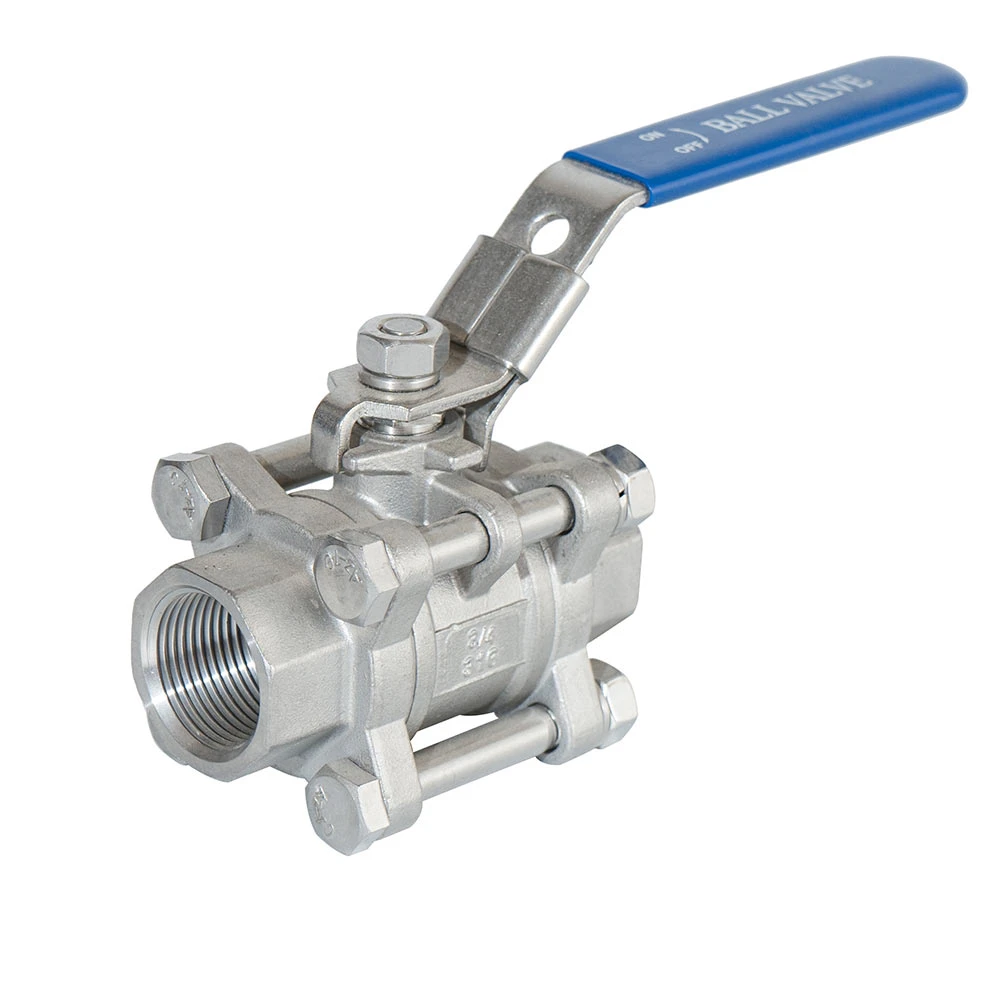
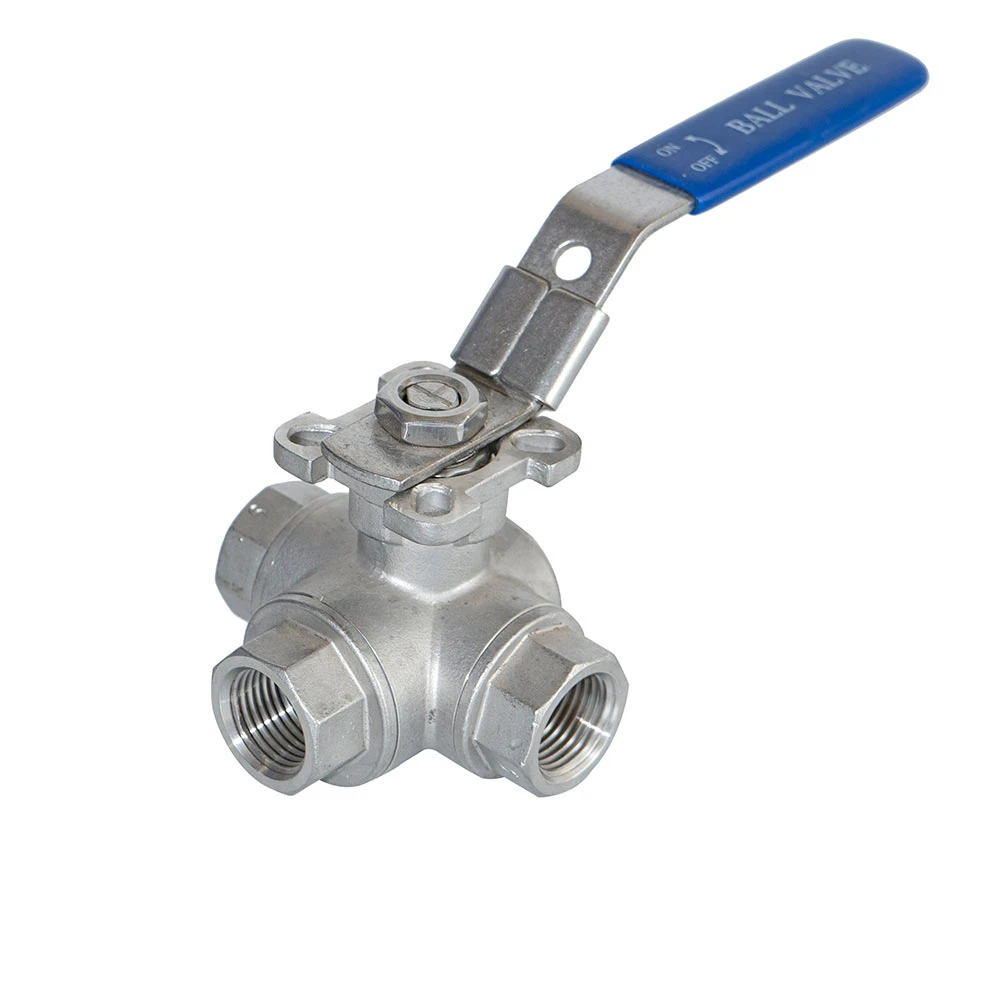
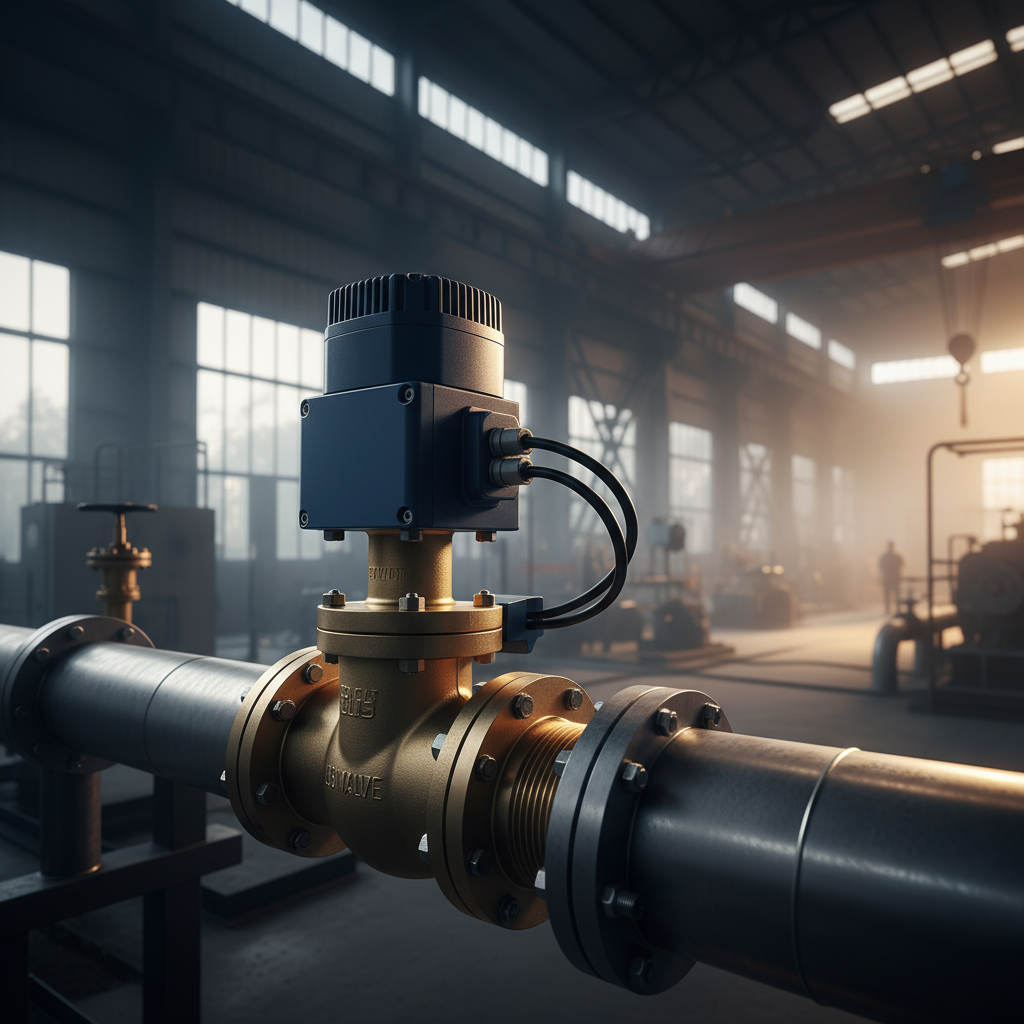
The core principle of operation involves a rotating ball with a bore. When aligned with the flow path, the valve is open, allowing fluid to pass through. A 12-volt DC electrical signal energizes the actuator, which rotates the ball 90 degrees, blocking the flow. The actuator typically uses a solenoid to engage a gearbox, providing the torque needed to rotate the ball. This design ensures quick and reliable switching, making it ideal for applications requiring frequent operation. The compact size of the 12V actuator makes it suitable for installations where space is limited. You can explore different ball valve options on our website.
Key Features: Quick and reliable switching, compact size, remote operation, precise flow control, and low voltage operation for safety.
Applications of 12 Volt Ball Valves
The versatility of 12 volt ball valves makes them suitable for a diverse range of applications. Common uses include: RV water systems, marine sanitation, solar water heating systems, irrigation control, small-scale automation projects, and fuel shut-off systems. Their low voltage requirement makes them safe for use in environments where high voltage is a concern. Furthermore, they are frequently found in automated dispensing systems, laboratory equipment, and various other industrial processes. The ability to integrate easily with microcontrollers and other control systems adds to their widespread adoption.
Common Application Areas:
• RV Water Systems
• Marine Sanitation
• Solar Water Heating
• Irrigation Systems
12 Volt Ball Valve Specifications and Materials
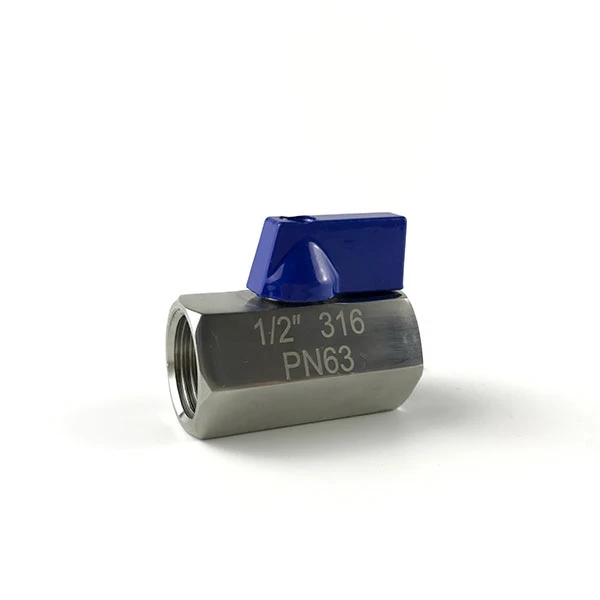
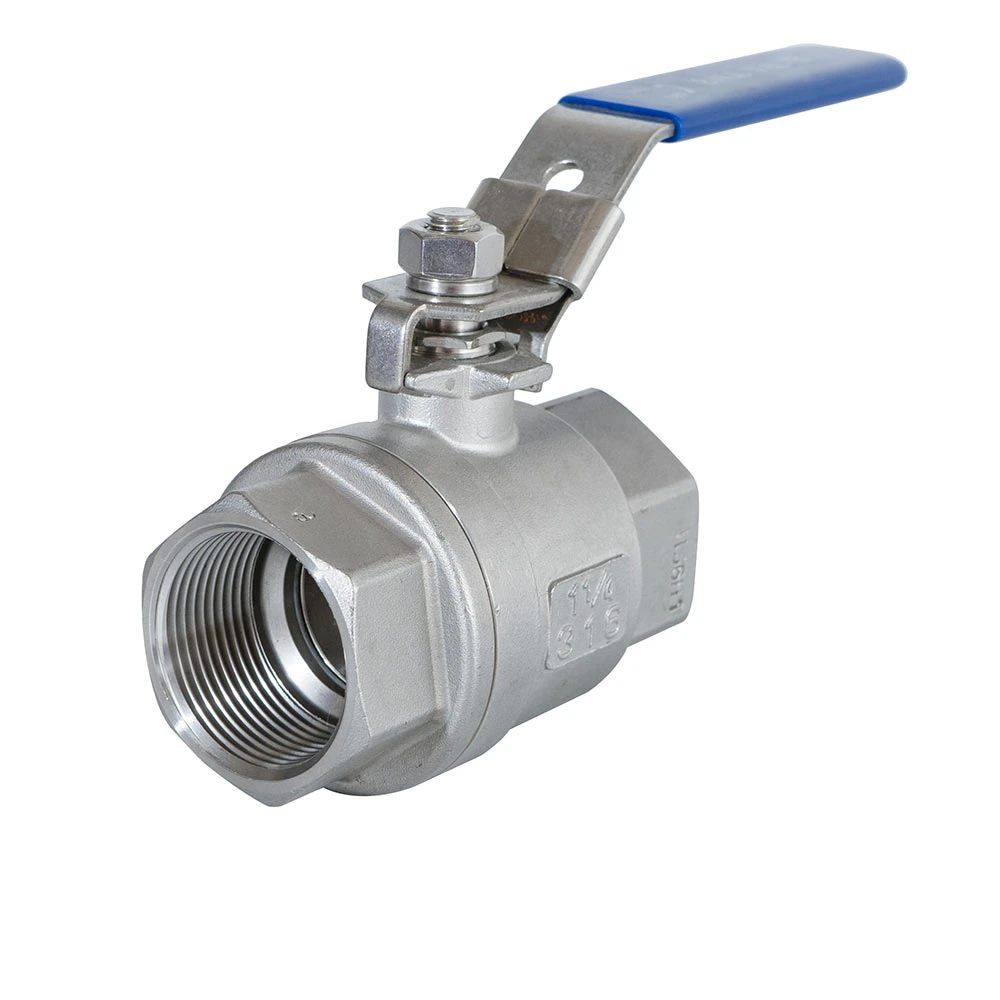
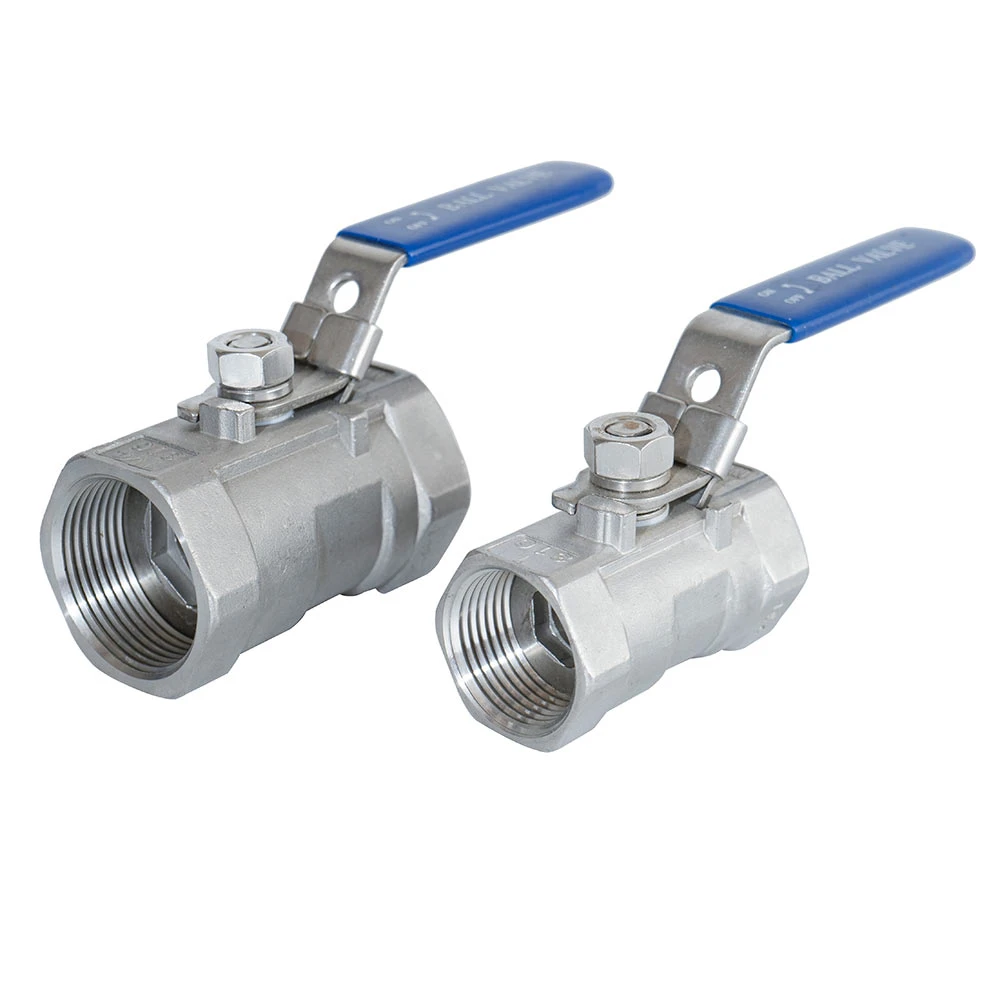
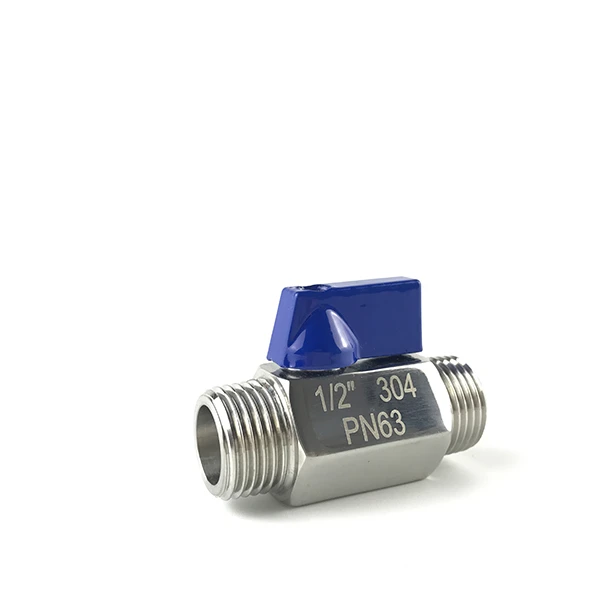
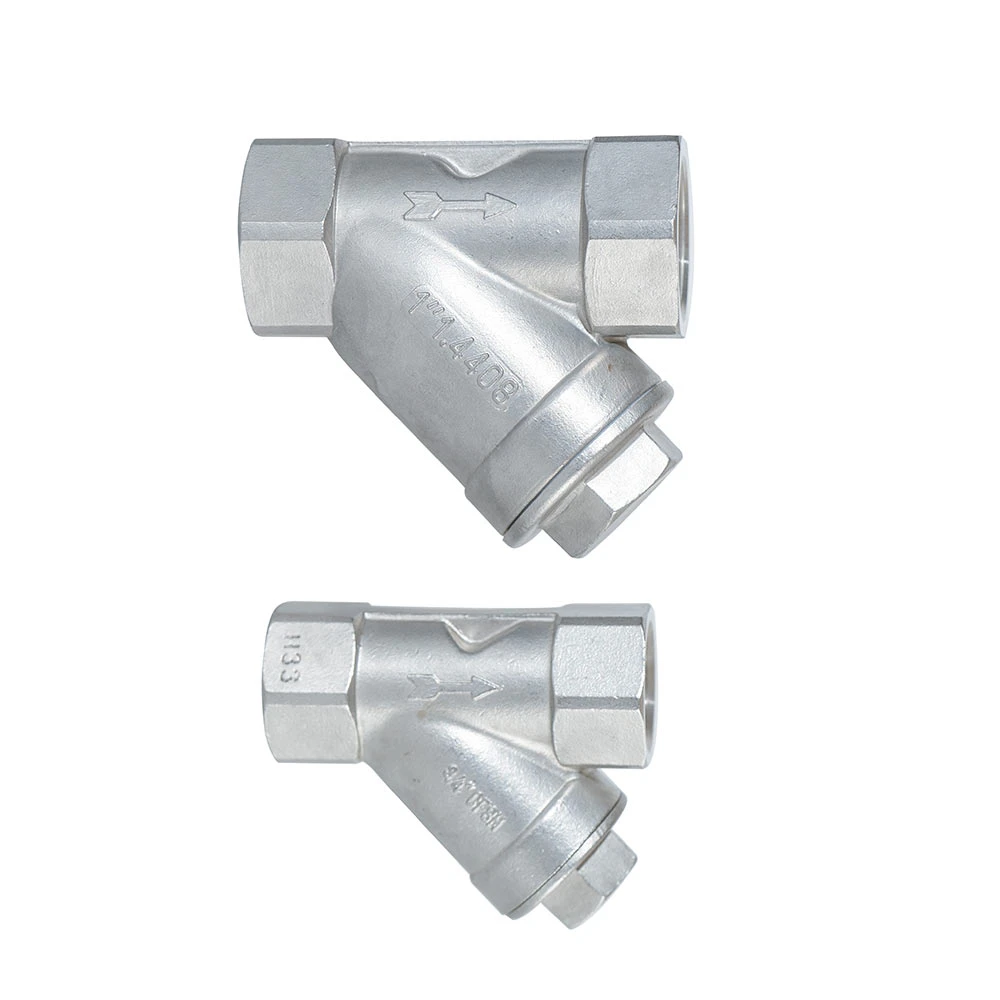
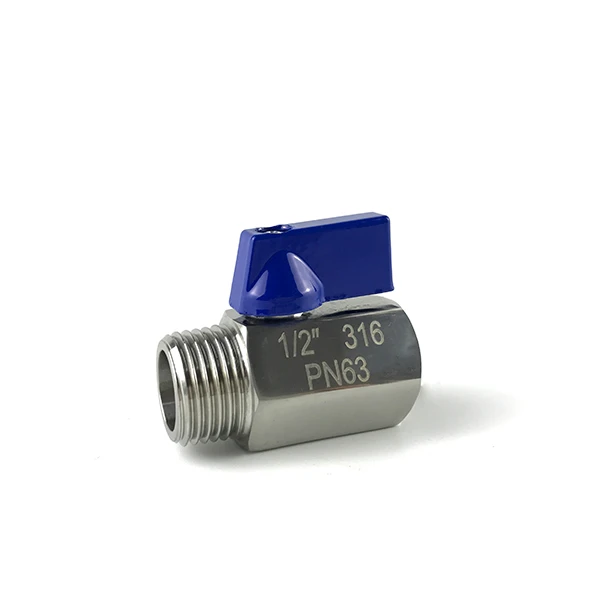
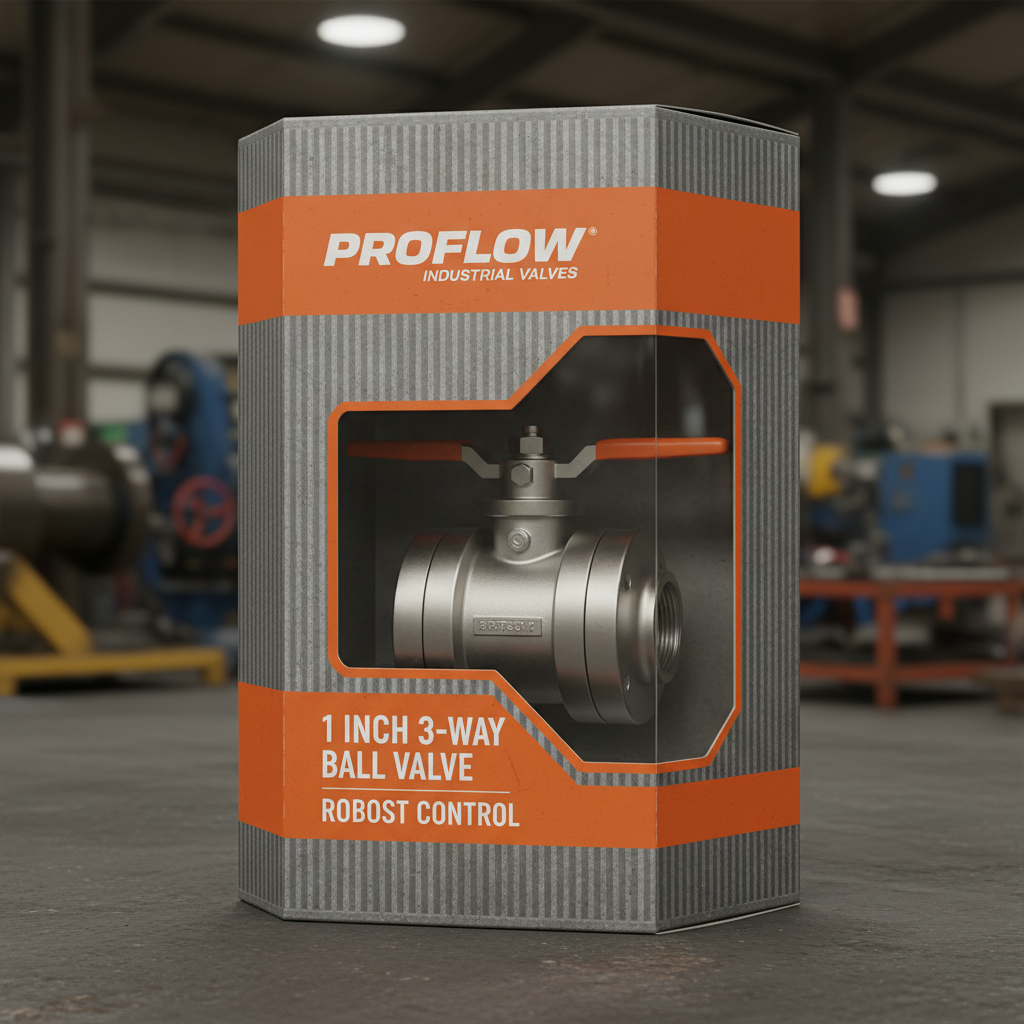
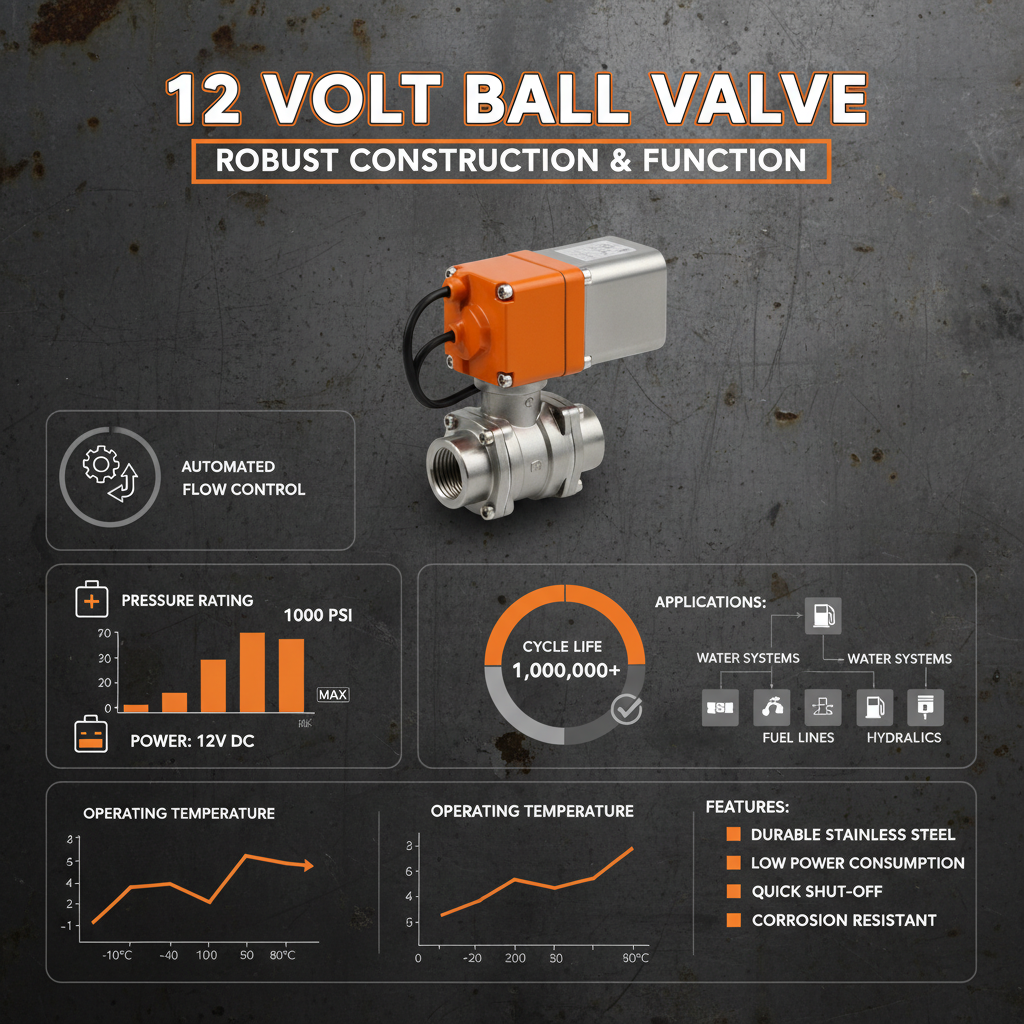
Understanding the specifications and materials is critical for selecting the right valve for your application. Key considerations include valve size (typically 1/4", 1/2", 3/4", or 1"), pressure rating, flow rate, and material compatibility. Common materials include PVC, brass, and stainless steel. PVC valves are suitable for low-pressure water applications, while brass and stainless steel valves offer greater durability and are suitable for a wider range of fluids. The actuator’s power consumption and operating time are also important factors.
Benefits of Using a 12 Volt Ball Valve
Choosing a 12 volt ball valve offers several advantages over traditional manual valves. These include remote control capabilities, increased automation potential, enhanced safety due to low voltage operation, and improved precision in fluid control. They also eliminate the need for manual intervention, reducing labor costs and improving efficiency. The quick response time of the actuator ensures rapid switching, critical for dynamic systems. Browse our selection of high-quality 12 volt ball valves today!
Selecting the Right 12 Volt Ball Valve: Key Considerations
When selecting a 12 volt ball valve, consider the fluid type, pressure requirements, temperature range, and environmental conditions. Ensure the valve material is compatible with the fluid to prevent corrosion or contamination. Verify the pressure rating exceeds the maximum system pressure. Choose a valve with an appropriate IP rating if it will be exposed to water or dust. Proper sizing is crucial for optimal flow and efficiency. It is always recommended to consult with a valve specialist to ensure you select the most suitable valve for your specific application.
Conclusion: Reliable Control with 12 Volt Ball Valves
The 12 volt ball valve offers a robust and versatile solution for a wide range of automated fluid control applications. With its reliable performance, ease of integration, and low voltage operation, it’s a smart choice for both simple and complex systems. Investing in a quality valve from a trusted supplier like HoudeValve ensures long-term reliability and performance.
Frequently Asked Questions (FAQs)
What is the typical lifespan of a 12 volt ball valve?
The lifespan of a 12 volt ball valve depends heavily on usage conditions and maintenance. Generally, with proper care, these valves can operate effectively for 5-10 years. Factors affecting lifespan include the fluid being controlled, operating pressure, temperature, and frequency of switching. Regular inspection for leaks or signs of corrosion is crucial. Proper lubrication of the actuator and occasional cleaning can significantly extend the valve’s service life. Choosing a valve constructed from durable materials like stainless steel will also contribute to a longer lifespan.
Can a 12 volt ball valve be used with corrosive fluids?
It depends on the fluid and the valve’s material. While some 12 volt ball valves are constructed from materials resistant to certain corrosive fluids (such as stainless steel or specific types of plastic), it's crucial to verify compatibility before use. Using an incompatible valve can lead to corrosion, leaks, and eventual valve failure. Always consult the valve’s specifications and chemical compatibility charts to ensure the valve is suitable for the intended application.
What is the typical power consumption of a 12 volt ball valve actuator?
The power consumption varies depending on the actuator’s design and size. Typically, a 12 volt ball valve actuator consumes between 0.5A and 2A during operation (switching). The power consumption during the holding state (when the valve is open or closed) is significantly lower, often less than 0.1A. The exact power consumption is usually specified in the valve’s datasheet.
How can I control a 12 volt ball valve?
A 12 volt ball valve can be controlled using a variety of methods. A simple on/off switch connected to a 12V power supply can operate it. More sophisticated control can be achieved using microcontrollers like Arduino or Raspberry Pi, allowing for automated operation based on sensor input or programmed logic. Relays can also be used to switch the valve on and off remotely. The valve can be integrated into larger automation systems using programmable logic controllers (PLCs).