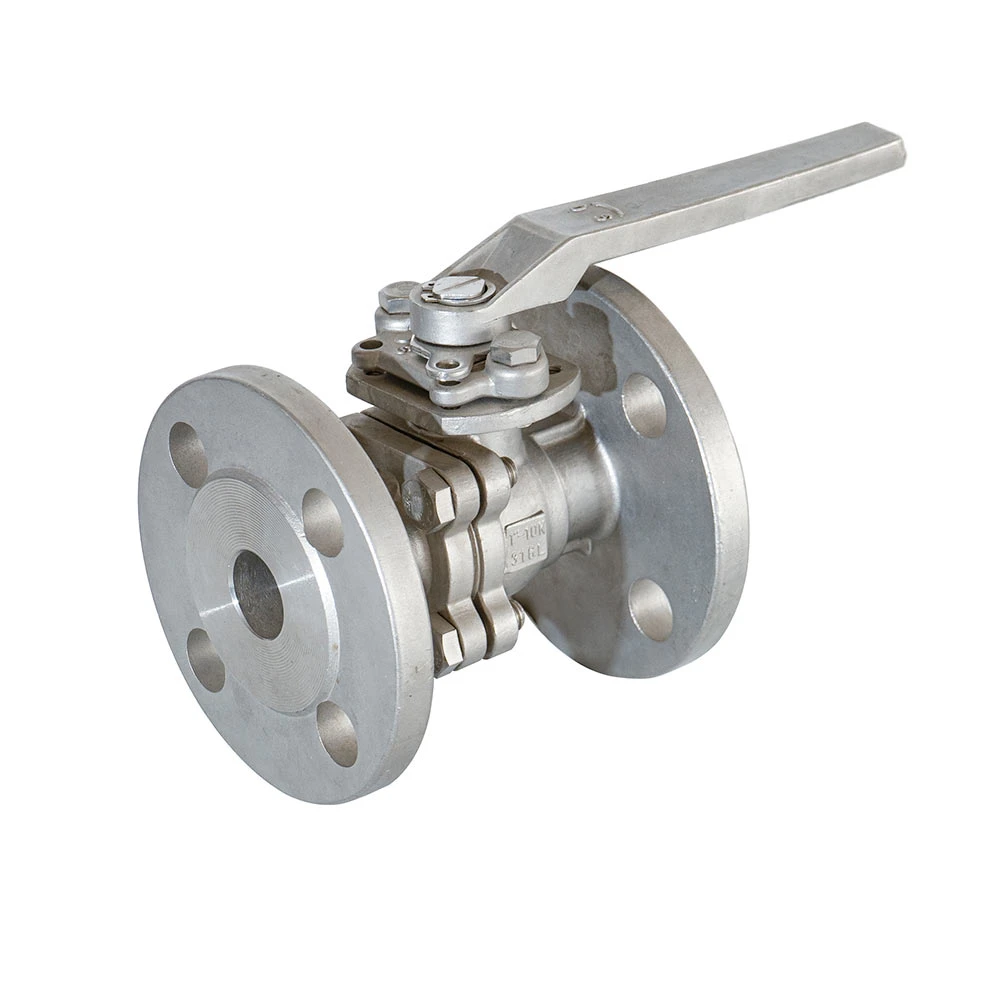
A suitable flanged ball valve must match the line’s pressure class, flange standard, facing, bore, body material, sealing direction and operating method. Our 2 PC Flanged Ball Valve is intended for industrial pipeline systems handling demanding service, with SS304 or SS316 body options, Class 150 to Class 600 ratings, several flange standards, manual or actuated operation, and full or reduced bore choices.

Match the flange standard and facing to the existing or planned pipeline connection, including ANSI B16.5, DIN, JIS or GB/T 9113 and RF or FF facing.
Select the pressure class, body and ball material, bore, sealing direction and operating method from the line medium and working conditions.
A flanged ball valve purchase is a connection and operating decision as much as a valve-size decision. The line must accept the selected flange standard and facing, while the valve body, pressure class, bore and sealing arrangement must suit the medium and operating conditions. When you evaluate a flanged ball valve supplier, we supply the 2 PC Flanged Ball Valve for industrial pipeline systems where these choices need to be settled before ordering.
Start with the pipeline connection
The flange interface should be the first check. Our 2 PC Flanged Ball Valve can be configured for ANSI B16.5, DIN, JIS or GB/T 9113 flange standards, with RF raised-face or FF flat-face options. Select the standard already used by the mating pipe flange, then confirm the nominal size, bolt pattern and facing before releasing the purchase order.
This matters during installation because a valve can be suitable for the medium and still create an integration problem if its flange drilling or face arrangement does not match the existing line. In a replacement project, measure the mating flange and record its standard and facing. In a new skid or pipeline, place the valve standard beside the piping specification so the connection is checked as one package.
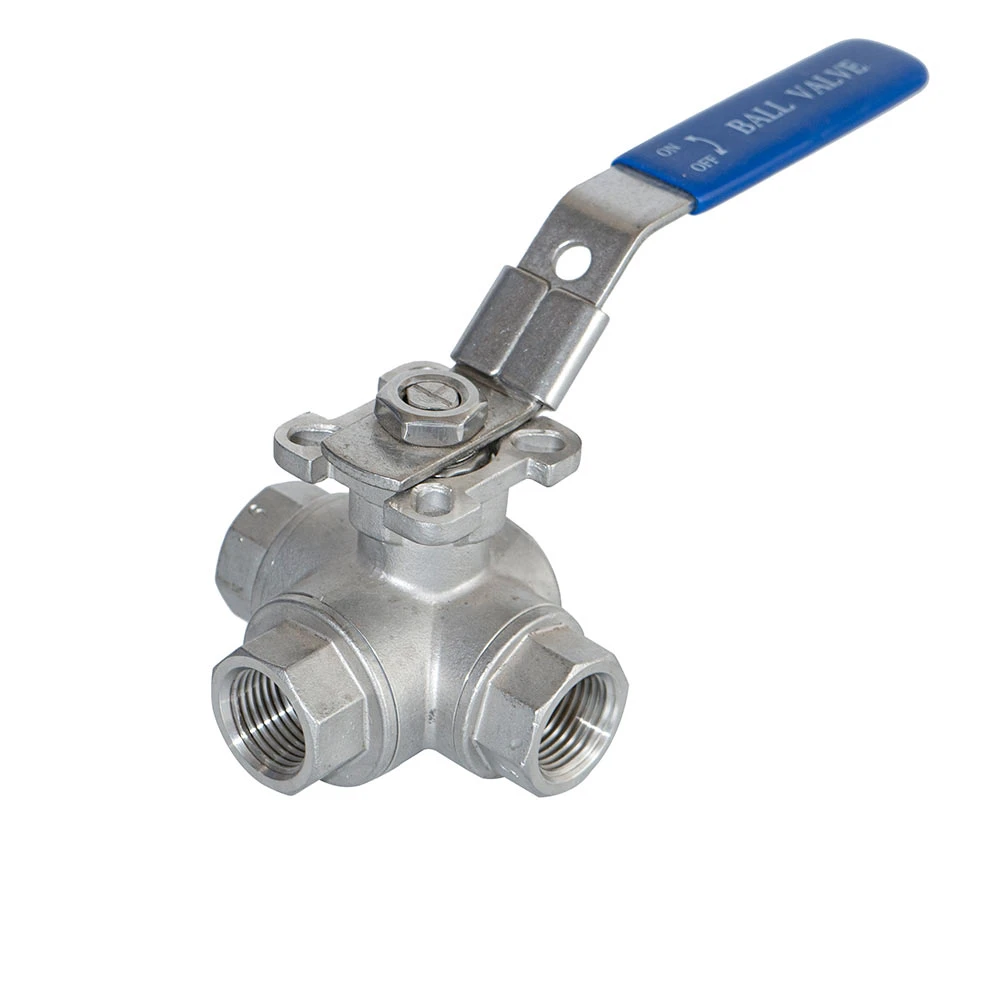
The valve is built as a compact two-piece body with the two precision-cast parts connected by flange bolts. That arrangement gives the installer a defined flanged connection and allows the body to be removed for seat replacement or interior cleaning. It suits systems where access for maintenance must be planned around the valve location.
Match the pressure and material choices to service
Choose the pressure class from the line requirement. The 2 PC Flanged Ball Valve supports Class 150 through Class 600 configurations. The correct class is part of the purchase specification, not a detail to leave open for the supplier. Send the required class with the valve size and flange standard so we can prepare the appropriate configuration.
Body material should follow the fluid and environment. SS304 and SS316 are available for the valve body and ball. Both have corrosion resistance for acids, alkalis and seawater erosion, as well as high-temperature resistance. SS316 is the more relevant material choice where chloride or seawater exposure is part of the service, while SS304 fits applications where the specified environment supports that material selection.
Picture a seawater desalination or marine ballast line: the material choice, flange facing, pressure class and sealing arrangement should be reviewed together. For a petrochemical or acidic-medium line, send the medium description and operating conditions so the body and sealing materials can be matched to the service.
Our product supports special sealing materials such as PEEK and Hudloy, along with low-temperature cryogenic treatment and oil non-degreasing treatment for specified requirements. These options belong in the inquiry when the process requires them.
Select the flow path and operating method
A full-bore design is suited to a line where reducing pressure loss is a priority. A reduced-bore design can be selected where the piping design accepts a smaller passage. Make this choice with the process engineer’s flow requirement, because bore selection changes the internal flow path and the valve’s fit within the system.
Operation can be manual, with a handle or gearbox, or automated with a pneumatic or electric actuator. Manual operation is appropriate for an accessible isolation point that operators open and close locally. Pneumatic or electric operation fits a control arrangement that requires remote or automated actuation. Include the control method in the purchase request, along with any available actuator interface details, so the valve arrives configured for the intended operating point.
The valve can use one-way or two-way sealing according to the working condition. A two-way sealing arrangement can support installation flexibility when the line design requires shutoff in either flow direction. State the required flow direction and isolation function before ordering, especially on a branch or process line where the valve orientation affects operation.
Plan maintenance access around the two-piece body
The two-piece construction is useful when the maintenance plan includes seat replacement or interior cleaning. The body section can be removed for these tasks, so the installation location should leave enough working access around the valve. Do not place it where nearby pipe, insulation or structural steel prevents the body from being handled.
A practical site check is to mark the valve position on the piping layout and confirm that the flange bolts, body joint and operating handle or actuator can be reached. For a water-treatment pumping station, this means checking access beside the pump discharge or process header. For a steam or cooling circulation system, check the same access before insulation and adjacent equipment are installed.
The two-piece design is compact compared with a three-piece valve and is about 20% lighter than three-piece construction. That can help with installation space and handling, but the valve still needs support and lifting arrangements appropriate to the selected size and configuration. Send the valve size, line layout and access constraints when requesting a quotation.
Questions to settle before ordering
Which flange standard should be specified?
Specify the standard used by the mating pipeline flange: ANSI B16.5, DIN, JIS or GB/T 9113. Also state whether the line uses RF raised-face or FF flat-face flanges. The valve should be ordered with the same connection basis as the piping. Send the line size, flange standard, facing and pressure class together so the connection can be checked as a complete set.
Should the valve use a full bore or reduced bore?
Choose full bore when the process design calls for a larger uninterrupted flow passage and lower pressure loss. Choose reduced bore when the system design accepts a smaller passage and the selected configuration is suitable for the line. We need the medium, flow requirement and pipe size to recommend the bore choice for the application rather than treating full bore as a universal selection.
When is SS316 a better material choice than SS304?
SS316 is the more suitable starting point for service involving seawater or chloride exposure because the product has corrosion resistance for seawater erosion. SS304 can be selected where the specified medium and environment are compatible with it. Include the fluid, concentration, temperature and surrounding exposure in the inquiry so we can review the body and ball material with the sealing requirement.
Prepare a complete valve inquiry
Our 2 PC Flanged Ball Valve suits buyers who need a compact flanged valve with SS304 or SS316 options, Class 150 to Class 600 pressure classes, established flange choices, manual or actuated operation, and full or reduced bore configurations. Send the line size, medium, pressure and temperature, flange standard and facing, bore, sealing direction, operation method, quantity and any special treatment requirements for a precise quotation.

About the author
The company
Cangzhou Houde Stainless Steel Products Co., Ltd.
Cangzhou Houde Stainless Steel Products Co., Ltd. was established in 2010 and is located in Cangzhou, Hebei Province, China. It is a professional enterprise engaged in the research, development, production, and sales of stainless steel products. The company is equipped with advanced production equipment and a top-notch technical team, dedicated to providing high-quality stainless steel valves, fittings, pipes and other products widely used in the petroleum, chemical, construction, and food industries.…
About Us ↗Visit company website ↗