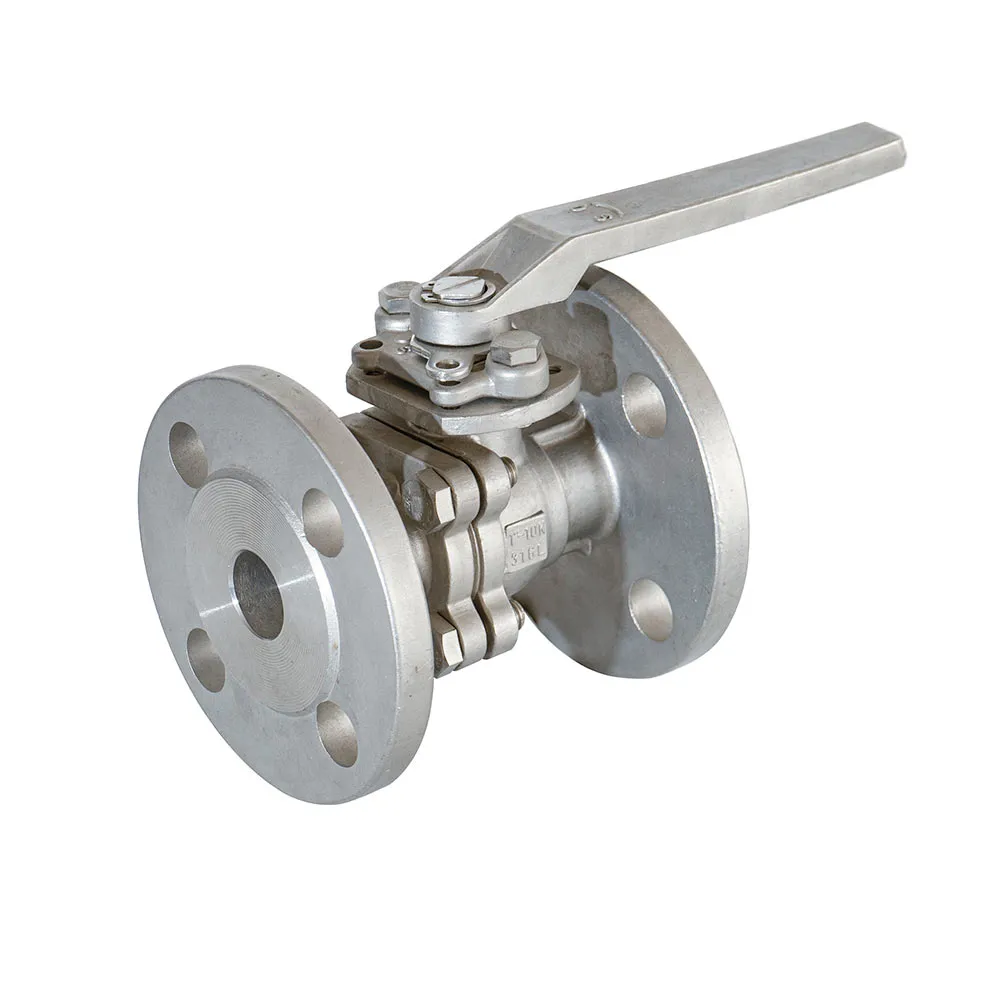
Y Strainer 1 1/2: A Staple in Industrial Filtration
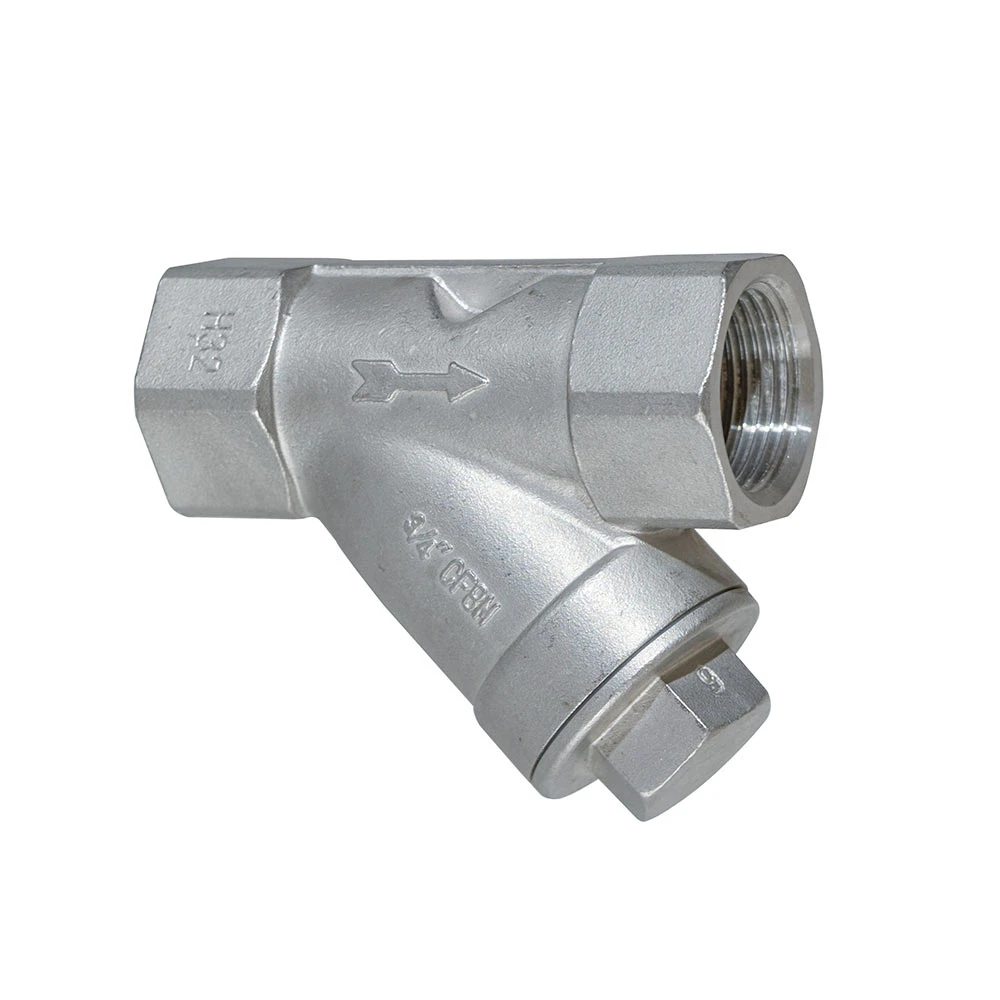
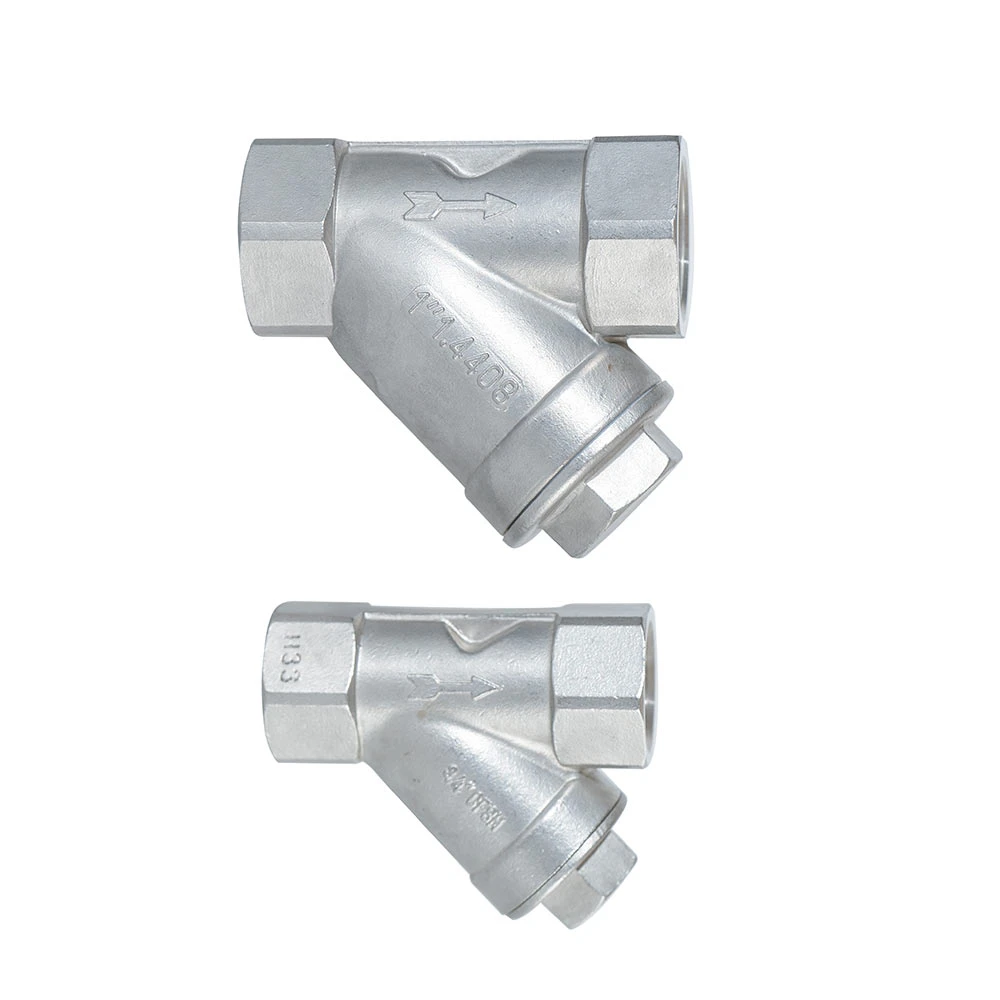
Y Strainer 1 1/2 units have been something I've seen on job sites for years now, quietly doing their job. For those new to industrial process piping, they might seem simple — a pipe fitting with a filtration mesh inside — but odd as it sounds, a reliable y strainer can save you headaches and downtime that no one wants.
From my experience, these strainers are pretty dang essential in all kinds of industries: chemical, water treatment, HVAC, even food processing. They work by catching debris before it can damage pumps, meters, and valves downstream. A 1 1/2 inch size is kind of a sweet spot — not too bulky, but big enough to handle significant flow. I recall once helping a plant engineer who swore by their Houde Y strainers after switching from a cheaper, off-brand version that clogged every few months.
Let’s talk design. What makes a good y strainer? Materials matter. Cast iron or carbon steel bodies are common, but stainless steel is king when corrosion resistance is a must. Screens come in various mesh sizes, depending on what you’re filtering out — iron filings, rust particles, even small sediment granules. Usually, maintenance is a cinch: you unscrew the cap, pull out the mesh, clean it, and replace. No rocket science, but the design quality really influences how long your crew spends on this chore.
One thing I noticed over the years is that the 1 1/2 inch y strainer often balances flow efficiency with filtration. You can’t just slap in any strainer — too tight a mesh and pressure drop climbs, too loose and particles sneak through. Some manufacturers run extensive flow testing and material certifications which frankly give me peace of mind when advising customers. Tight industry standards and thorough testing mean less troubleshooting down the line.
| Specification | Details |
|---|---|
| Size | 1 1/2 inch (DN40) |
| Body Material | Cast Iron, Carbon Steel, Stainless Steel |
| Screen Mesh Sizes | 40 to 200 mesh, customizable |
| Pressure Rating | 150 psi (PN10-PN16 range) |
| Connection Type | Threaded, Flanged, or Welded |
| Operating Temp | -10°C to 200°C (service-dependent) |
Now about vendors — it’s tempting to just grab the cheapest y strainer you find. But I learned (the hard way) that reliability is seldom the bargain basement pick. Here’s a quick vendor comparison I often discuss with clients before they buy:
| Feature | Houde Valve | Vendor A | Vendor B |
|---|---|---|---|
| Material Options | Cast Iron, Carbon Steel, Stainless Steel | Cast Iron Only | Stainless Steel Only |
| Customization | Mesh size & pressure rating | Limited | None |
| Lead Time | 2-4 weeks | 4-6 weeks | 3-5 weeks |
| Warranty | 12 months | 6 months | 12 months |
| Price | Mid-range | Lowest | High |
Speaking frankly, I trust Houde Valve’s Y Strainer 1 1/2 lineup because of their solid reputation and flexible specs. When I recommended them to a food processing facility, they appreciated the stainless steel option and custom mesh sizing. Plus, the relatively short lead times meant less stress on their production schedule.
Whether you’re replacing a worn-out unit or setting up a brand-new line, sizing and specs really count. Don’t forget to consider pressure rating and temperature thresholds that match your process. One thing I noted at a plant recently: sometimes engineers forget cleaning access. These strainers, after all, can clog over time keeping clients honest by including easy “clean-out” caps and plugs is a smart move.
In real terms, these little devices save equipment and keep processes flowing smoothly — they might not get the spotlight, but they definitely earn it.
Hope these insights help you pick the right y strainer that lasts.
— Written from years of hands-on work in industrial valve maintenance and equipment procurement
References
- Industry handbook of valves and piping, 2021 update.
- Houde Valve technical brochure, 2023 edition.
- Personal experience at multiple industrial sites (2010-2023).