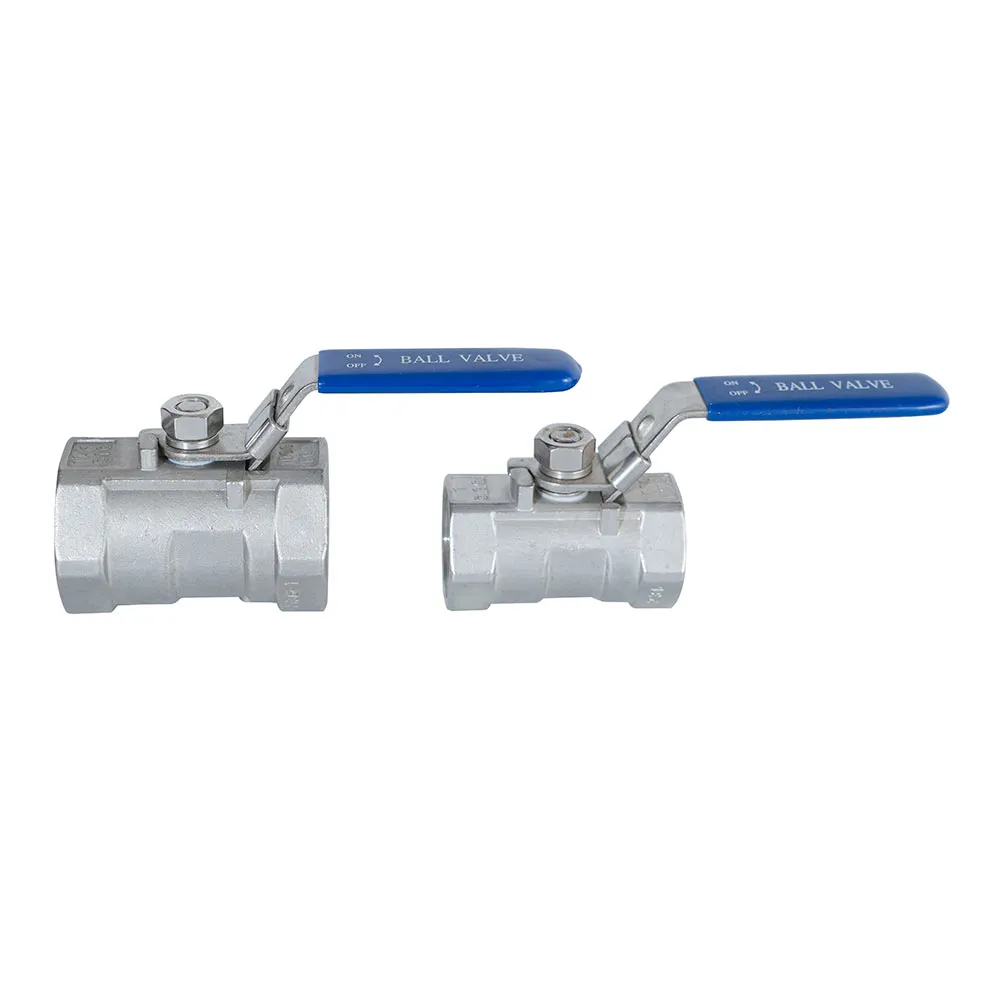
Understanding the Y Pattern Strainer: A Critical Component in Fluid Systems
At first glance, a y pattern strainer might seem like just another small device in industrial piping, but its role is surprisingly pivotal. This humble component stands guard against debris, protecting pumps, valves, and other sensitive equipment. Globally, industries reliant on fluid systems—from water treatment plants to chemical processing—depend on reliable strainers to keep their operations smooth and efficient.
Why should we care about y pattern strainers? Because failures in filtration can lead to costly downtime, safety hazards, and reduced equipment life. Understanding how these strainers work—and how to select and maintain them—can save companies worldwide millions in repairs and lost productivity.
Global Context: Why Y Pattern Strainers Matter Now More Than Ever
With the world’s industrial footprint expanding, reliable fluid management is growing critical. The UN Industrial Development Organization (UNIDO) reports that global manufacturing output is estimated to grow by over 3% annually, signaling more extensive fluid handling systems in play. However, this growth comes with challenges: particulate contamination is a major cause of equipment failure, especially in developing regions where maintenance resources are limited.
Enter the y pattern strainer—a simple yet effective solution addressing this global challenge. Its design ensures an optimal balance between filtering capability and minimal pressure loss, critical for industries aiming to maximize energy efficiency and minimize downtime.
What Exactly Is a Y Pattern Strainer?
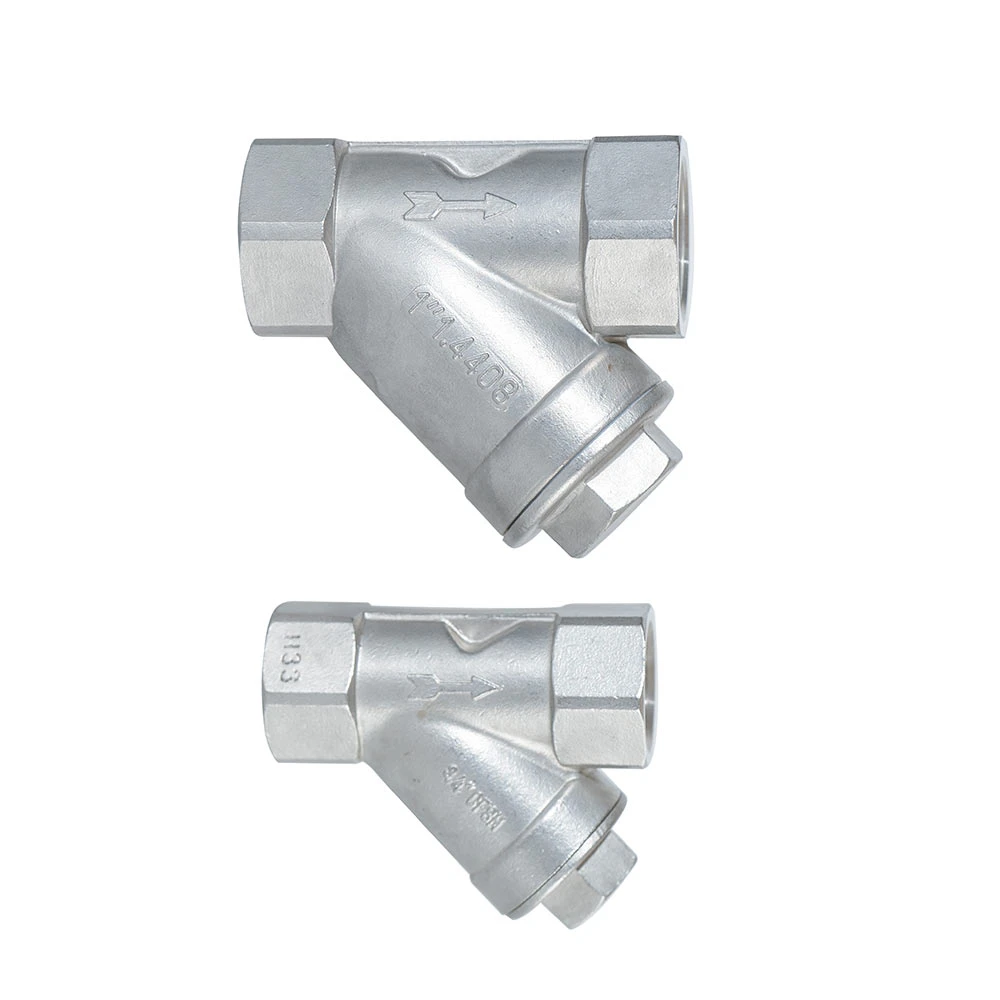
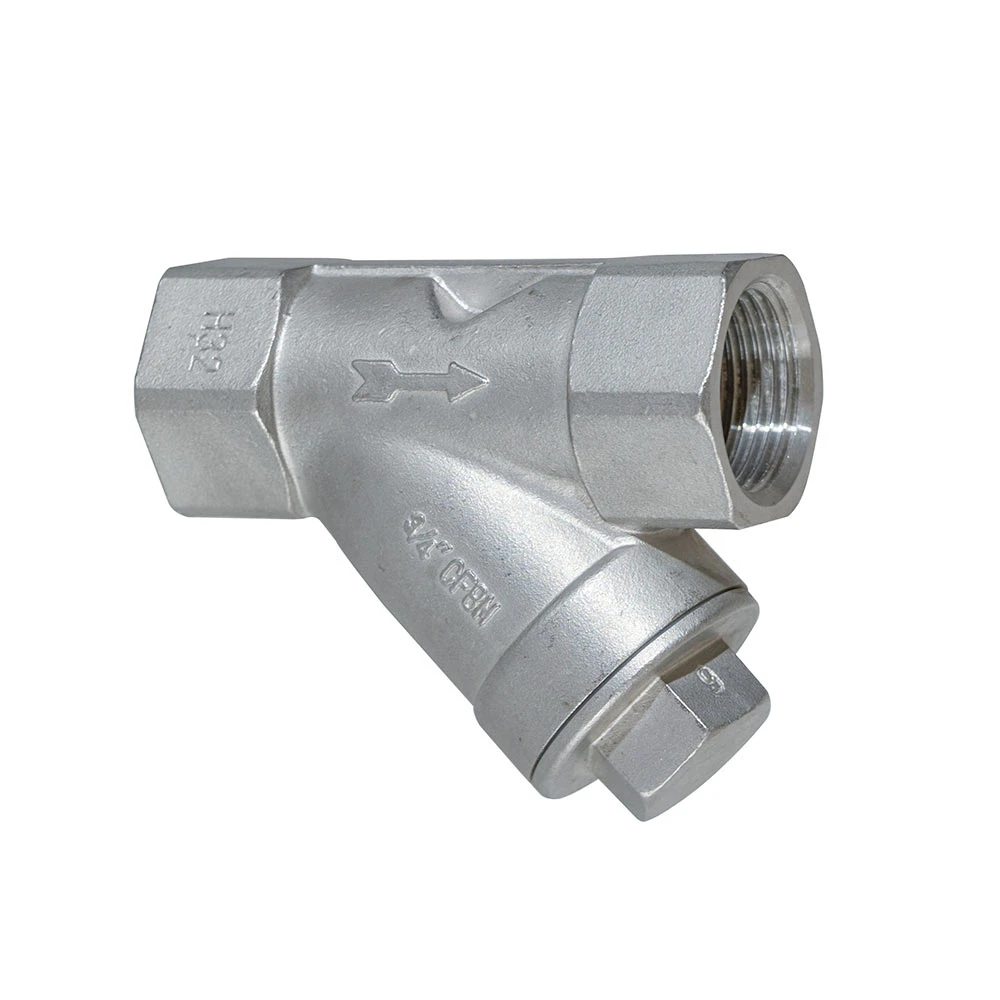
Put simply, a y pattern strainer is a piping component shaped like the letter “Y” that filters out unwanted particles from fluids flowing through a system. Inside, a mesh screen catches debris without significantly impeding flow, preventing damage downstream. Unlike basket strainers, which have a larger filter area but require more space, the compact y shape excels in systems where space and pressure drop matter.
From wastewater plants to oil refineries, the y pattern strainer is integral to modern industrial processes—and even humanitarian water supply efforts, where reliable filtration is a lifesaver. The fact that it’s a passive device, requiring no power, only adds to its universal appeal.
Core Components and Key Factors
1. Durability
Constructed mainly from cast steel, stainless steel, or bronze, y pattern strainers are built to withstand harsh conditions—corrosive fluids, high temperatures, and mechanical stress. Material choice usually depends on the media handled and industry standards like ASTM or ISO classifications.
2. Filtration Efficiency
Screens come in various mesh sizes, typically ranging from 10 to 400 microns. Selecting the right screen ensures optimum particle capture without clogging too quickly, balancing longevity and performance.
3. Pressure Drop
Because the fluid must pass through a screen, some pressure loss is inevitable. The y pattern minimizes this by allowing debris to settle in the angled leg, facilitating easier cleaning and limiting flow resistance compared to other strainer designs.
4. Maintenance and Accessibility
The design allows quick access—the screen can be removed from the side cover without disassembling the entire assembly. This ease of cleaning is especially vital in industries where downtime must be minimal.
5. Size and Scalability
Available in sizes from ½ inch to several inches in diameter, y pattern strainers scale to suit anything from laboratory setups to massive industrial pipelines.
Technical Specifications at a Glance
| Specification | Typical Range | Notes |
|---|---|---|
| Material | Cast Steel, Stainless Steel, Bronze | Depends on application |
| Screen Mesh Size | 10 - 400 microns | Determines filter fineness |
| Max Operating Pressure | 150 - 300 PSI | Varies by material/class |
| Operating Temperature | -20°C to 300°C | Material-dependent |
| Size Range | 1/2" to 12" | Fits varied pipeline diameters |
Worldwide Applications and Use Cases
The versatility of y pattern strainers has helped industries across continents:
- Water Treatment Plants: Keeping pumps safe from sand and silt suspended in intake water, especially in regions dependent on river water sources.
- Chemical Processing: Filtering out impurities that could catalyze unwanted reactions or clog precision equipment.
- Oil & Gas: In pipelines carrying crude and refined products, strainers help avoid solid contaminants that could affect valves or instrumentation.
- Food & Beverage: Maintaining hygiene by removing particles before further processing.
- Post-Disaster Relief: Portable systems with y pattern strainers ensure clean water supply in humanitarian efforts, reducing risk of waterborne diseases.
For instance, in Southeast Asia, where water quality fluctuates greatly during monsoon seasons, y pattern strainers reduce downtime by preventing pump failures caused by flood debris.
Vendor Comparison: Leading Manufacturers of Y Pattern Strainers
| Vendor | Material Options | Price Range ($) | Lead Time | Warranty |
|---|---|---|---|---|
| Houde Valve | Cast Steel, Stainless Steel, Bronze | 150 - 600 | 2-4 weeks | 1 year |
| Global Strainers Inc. | Stainless Steel, PVC | 130 - 550 | 3-5 weeks | 6 months |
| EcoFilter Solutions | Cast Steel, Bronze | 160 - 700 | 4-6 weeks | 2 years |
Advantages & Long-Term Value of Y Pattern Strainers
The true value of a y pattern strainer goes beyond just filtering. It reduces downtime by preventing equipment failures, translating to huge cost savings—an obvious logical benefit. There’s also a powerful emotional side, especially in sectors like water treatment, where reliable filtration safeguards public health and dignity.
Using sustainable materials and ensuring long equipment lifespans ties into global goals, such as the UN’s Sustainable Development Goals, particularly Clean Water and Industry Innovation. In essence, these strainers embody innovation, trust, and safety—a trifecta that keeps industries, communities, and systems running smoothly.
Future Trends & Innovations
It feels like the y pattern strainer, though old in concept, is due for a modern makeover. Innovations are happening in screen materials with nano-technology meshes improving filtration without penalty on flow. Smart sensors integrated to detect clogging and pressure drops are also on the horizon, feeding data directly into plant management systems—hello, Industry 4.0.
Additionally, eco-friendly coatings and alloys improve corrosion resistance making these devices last longer, reducing replacement frequency and waste.
Challenges & Expert Solutions
One challenge with y pattern strainers is that screens eventually clog, causing pressure drops that affect process efficiency. This is especially problematic where maintenance is infrequent or skills limited.
Experts advise combining condition monitoring and routine schedules, plus training onsite technicians. Some companies are experimenting with self-cleaning strainers or integrating automatic backflushing to overcome these issues—technologies that may transform future practices.
FAQ: Your Common Questions About Y Pattern Strainers
Q: How do I choose the right mesh size for my application?
A: Consider the size and type of particles you want to filter. Smaller mesh sizes filter finer particles but clog faster. Balancing filtration efficiency with maintenance intervals is key; consulting process specifications helps.
Q: Can y pattern strainers handle high temperature fluids?
A: Yes, if specified correctly. Materials like stainless steel are ideal for high-temperature applications. Always check the maximum operating temperature in technical specs before selection.
Q: What maintenance is required for y pattern strainers?
A: Regular inspection and cleaning of the screen to prevent clogging are essential. Fortunately, the design allows easy access via the side cover, reducing downtime during maintenance.
Q: Are y pattern strainers suitable for corrosive media?
A: They can be, with the right material. Stainless steel or bronze variants withstand corrosion well. For extremely corrosive environments, specialized alloys or coatings may be needed.
Q: How quickly can I get y pattern strainers for a large-scale project?
A: Lead times vary, but typically 2 to 6 weeks after ordering, depending on size, material, and vendor. Planning ahead is advisable to avoid project delays.
Conclusion
In the big picture, the y pattern strainer stands as a small but indispensable guardian in fluid systems worldwide. It embodies resilience, efficiency, and adaptability that industries cannot do without. Whether safeguarding potable water in rural communities or protecting intricate chemical plant equipment, the importance of these strainers cannot be overstated.
For those looking to invest in quality y pattern strainers, visit our website to explore reliable options that combine tradition with innovation.
Mini takeaway: Small components like y pattern strainers quietly ensure massive systems keep flowing—quite literally!
References:
1. UNIDO Industrial Development Report, 2023
2. ISO 9001 on Quality Management Systems
3. Wikipedia: Strainer (device)