Understanding the Y strainer working principle in Industrial Systems
Having spent a fair chunk of my career around industrial equipment—mostly on the shop floors and then digging into specs—it’s always fascinated me how such “simple” devices can quietly save an entire operation. The Y strainer fits squarely in that category. Oddly enough, it feels like these humble strainers don’t get nearly as much attention as pumps or valves, but they deserve a moment in the spotlight.
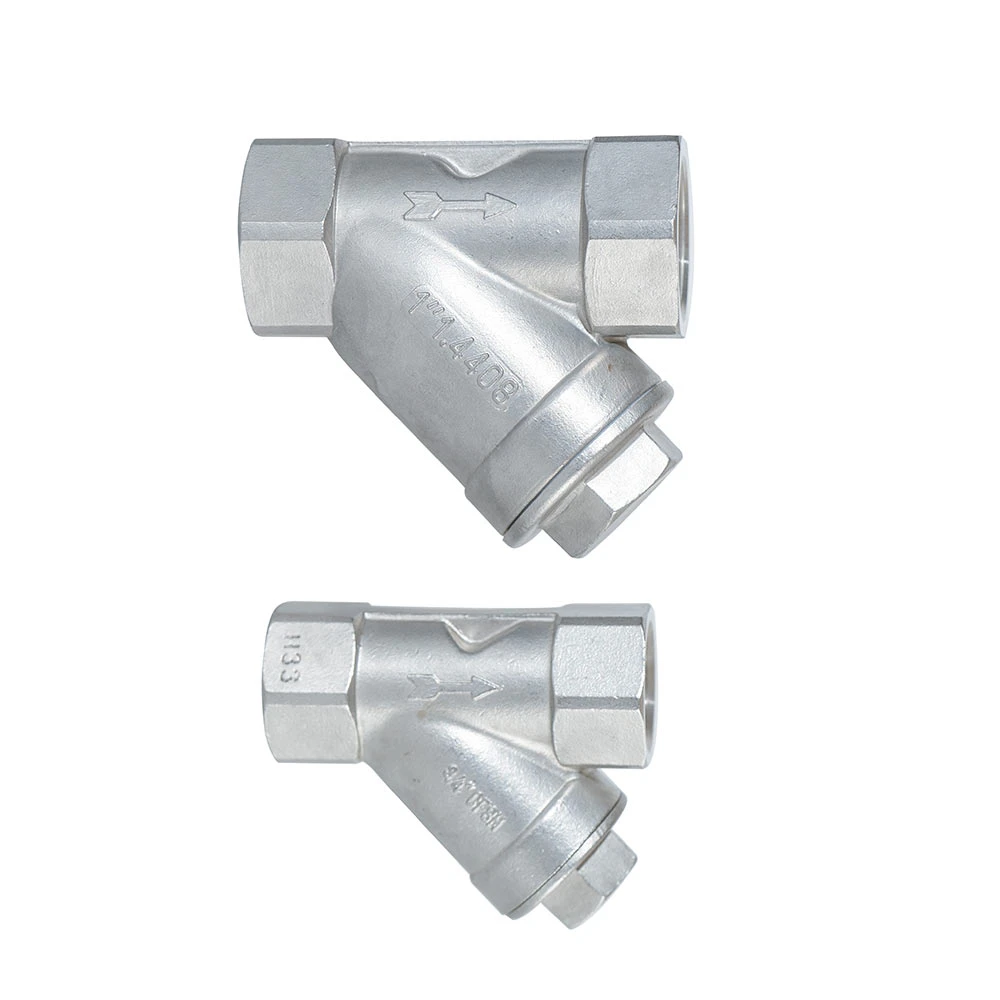
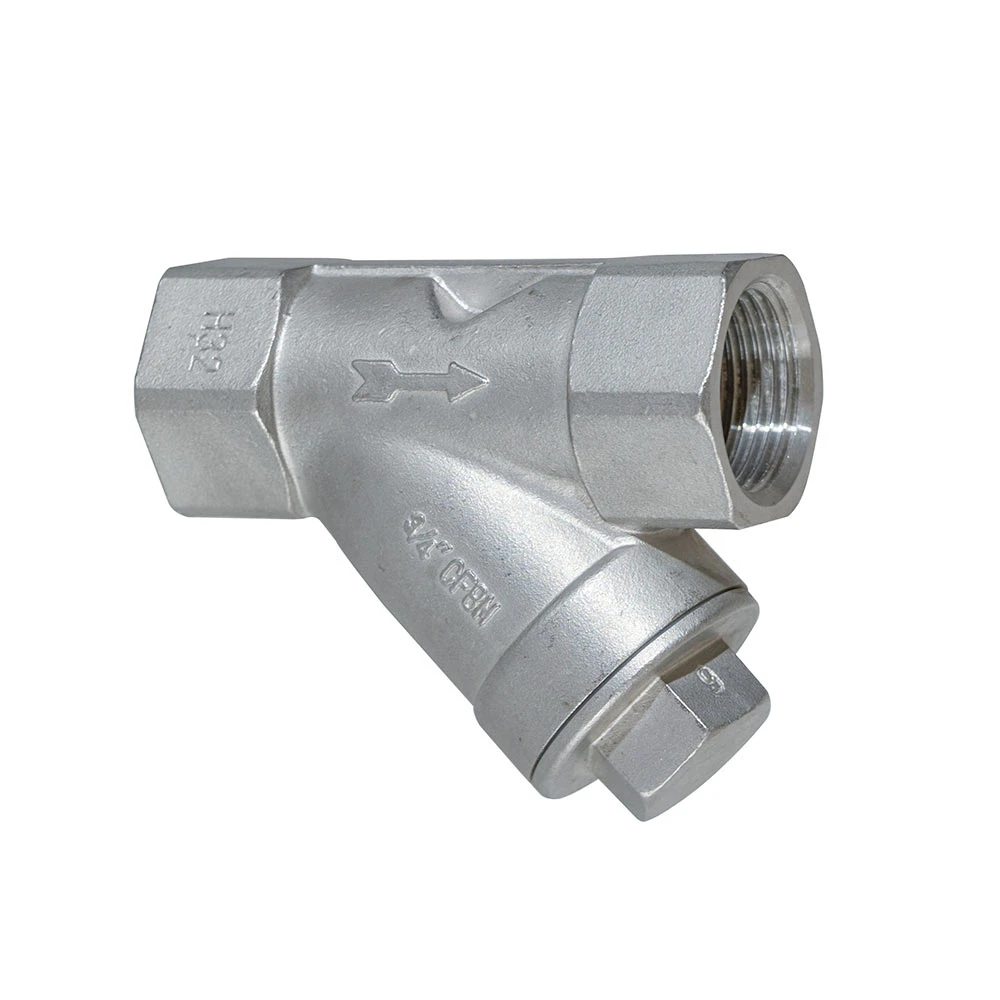
So, what’s the Y strainer working principle that makes it so invaluable in pipelines? Essentially, it’s a mechanical filter designed to capture particles and debris, preventing damage or clogging downstream. Its name comes from the Y-shaped body configuration, which lends itself well to installations where space is limited. But beyond the shape, the design details and material choices really impact how well the strainer performs—and whether it fits your system’s needs.
In real terms, fluid (liquid or gas) enters through the inlet and passes through a perforated or mesh screen, which traps unwanted solids. The cleaned fluid then exits through the outlet. Because the debris builds up in the strainer element, periodic cleaning is necessary—something that operators often appreciate because it helps extend equipment life and reduces downtime.
Key Advantages of Y Strainers
- Compact design saves space in pipe runs.
- Simple construction means fewer points of failure.
- Easy to maintain; screens are accessible via a removable cover.
- Works for liquid and gas systems alike.
- Often customizable with different screen materials and mesh sizes.
What I’ve noticed over the years is that material selection—stainless steel, cast iron, bronze—really depends on the environment. For example, corrosive fluids call for stainless steel, while less demanding applications might use cast iron. It’s kind of a balance of cost versus durability.
Now, speaking of specs, let's quickly zoom into a typical Y strainer product to illustrate:
| Specification | Details |
|---|---|
| Material | Stainless Steel 304 |
| Pressure Rating | 150 PSI |
| Connection Size | 2" NPT |
| Mesh Size | 40 Mesh (0.425 mm) |
| Flow Direction | Axial with drain for debris removal |
Choosing the Right Vendor: A Quick Comparison
Over the years, I’ve worked with a handful of suppliers—each with their own style. Here’s a quick glance at how three popular vendors stack up for quality and service, especially when it comes to Y strainer solutions:
| Vendor | Product Range | Customization | Lead Time | Typical Industries |
|---|---|---|---|---|
| Houde Valve | Wide (Cast, Stainless, Bronze) | Screens size, materials | 2-3 weeks | Oil & Gas, Water, HVAC |
| Vendor B | Limited Stainless Steel | Minimal | 1-2 weeks | Chemical Processing |
| Vendor C | Standard Cast Iron Only | None | 4+ weeks | Water Treatment |
Frankly, I’ve found Houde Valve to be a dependable partner, especially when customization is non-negotiable. For a project once, we needed a particular screen mesh size and corrosion-resistant material on short notice. They pulled through, and the client was thrilled to avoid costly downtime.
To wrap up: the Y strainer working principle might seem basic, but it’s this elegant simplicity that makes it so crucial. In an industrial world full of complex technology, sometimes the best solutions are the ones that just quietly keep things flowing.
In reflection, whether you're a plant engineer or just starting to explore process equipment, understanding devices like Y strainers helps you appreciate the unseen heroes of efficiency and system protection.
References
- Industry Handbook on Industrial Filtration Systems, 2021 Edition.
- Houde Valve Technical Datasheets and Product Catalogs.
- Personal experience and field notes from 15+ years in industrial equipment maintenance.