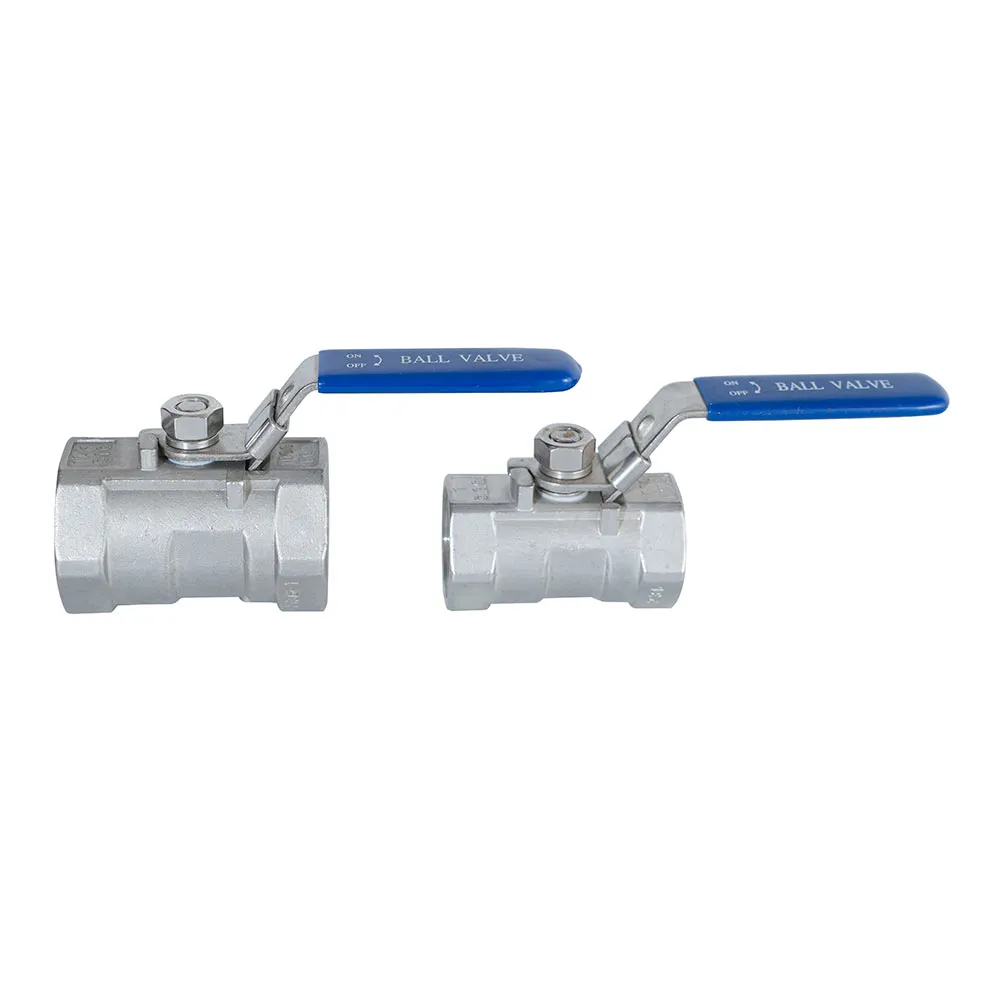
Why a y strainer Is Still an Industrial Workhorse
Having spent more than a decade working in the industrial equipment sector, I’ve always appreciated the humble yet vital role that y strainers play in virtually every fluid handling system. Oddly enough, in an era overshadowed by high-tech sensors and smart valves, these simple filters remain indispensable for protecting pumps, meters, valves, and other delicate components from damage by debris. It feels like the more complicated things get, the more we rely on old-fashioned robustness — and that’s exactly what a y strainer brings to the table.
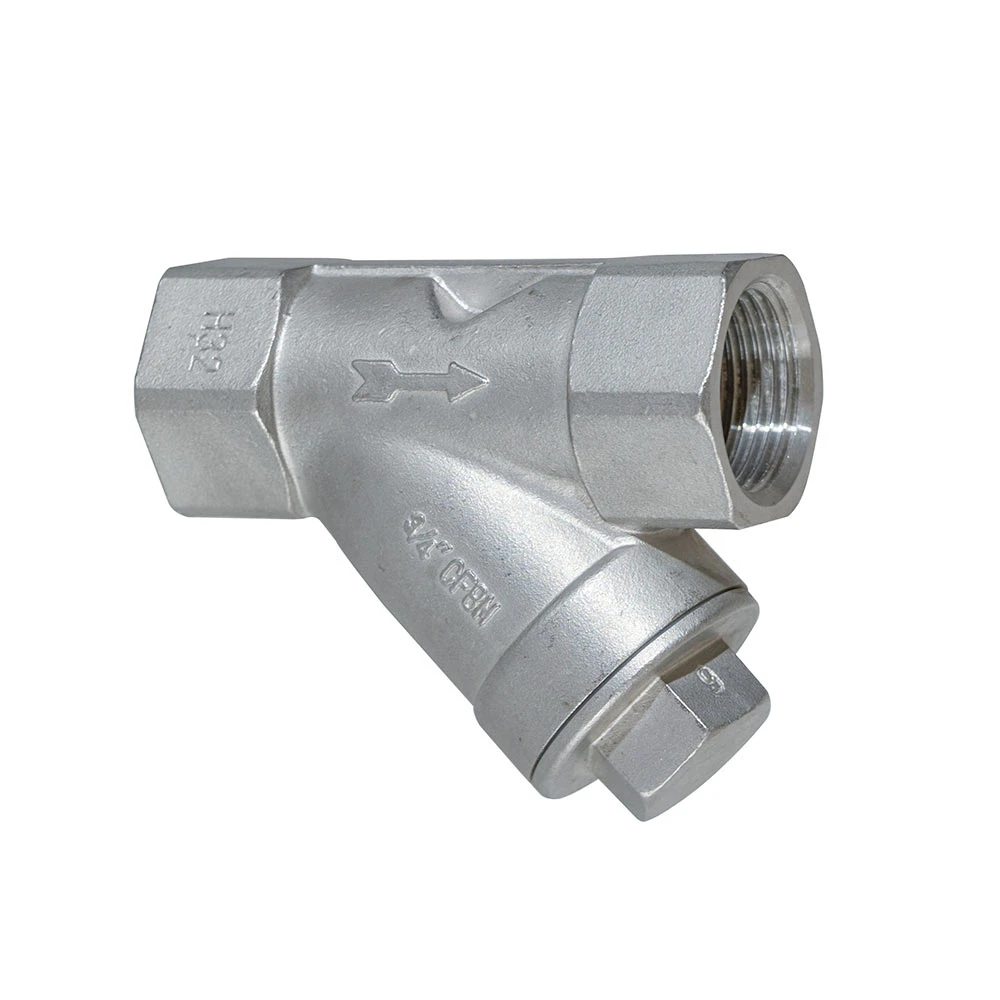
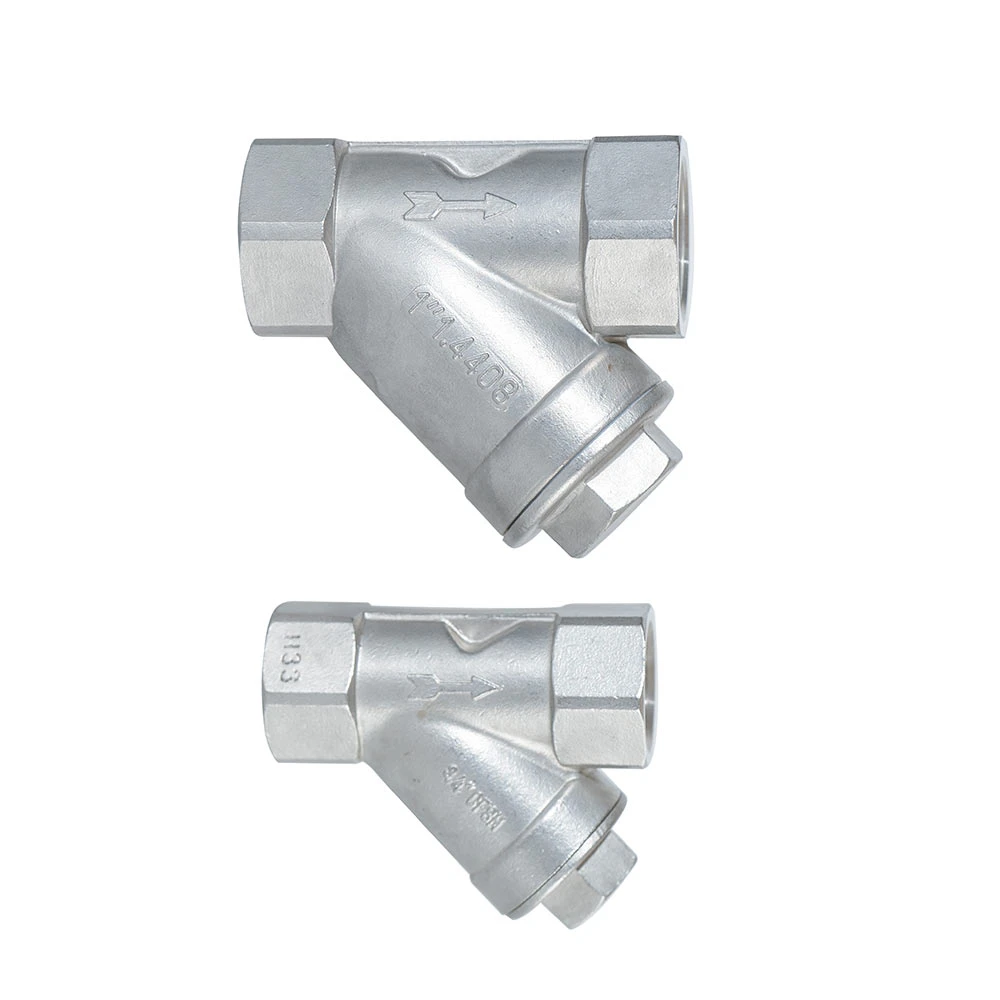
So, what exactly makes a y strainer so essential? Simply put, it's a mechanical filter that intercepts particulate contamination in pipelines, typically in water, oil, gas, or chemical lines. Its name comes from the Y-shaped body design, which allows the straining element to angle out of the main flow path, making cleaning and maintenance more convenient — at least compared to other strainer designs I’ve seen.
In real terms, a well-chosen y strainer can save a plant thousands in downtime and repair costs, and many facilities swear by them for system longevity. I suppose the best part is how universal the design is — you see them in refineries, paper mills, water treatment plants, and more. The materials vary, from cast iron to stainless steel, depending on what's flowing through your pipes, and frankly, picking the right one is part science, part art.
Key Product Specifications of a Standard Y Strainer
| Specification | Typical Range / Details |
|---|---|
| Body Material | Cast Iron, Carbon Steel, Stainless Steel |
| Connection Type | Flanged, Threaded (NPT, BSP), Socket Weld |
| Size Range | ½" to 12" (DN15 to DN300) |
| Screen Mesh | 20 to 400 Mesh (customizable) |
| Pressure Rating | 150 to 300 PSI (PN10 to PN25) |
| Temperature Range | -20°C to 220°C (depends on materials) |
One thing I’ve noticed during my years in the field: no two plants use exactly the same y strainers. Customization — whether it’s screen size, body material, or connection type — can make or break system efficiency. In fact, I recall a client who initially installed generic strainers and constantly battled clogging issues. Switching to a higher-grade stainless steel model with finer mesh made all the difference. That speaks volumes about understanding the right specs for your process.
Vendor Comparison: What to Consider When Buying a Y Strainer
| Aspect | Houde Valve | Competitor A | Competitor B |
|---|---|---|---|
| Material Options | Cast Iron, Carbon Steel, Stainless Steel | Cast Iron, Stainless Steel only | Carbon Steel only |
| Customization (Screen Mesh) | 20 to 400 mesh, tailored on request | Standard 60 mesh only | Limited options |
| Lead Time | 2 to 4 weeks | 4 to 6 weeks | 3 to 5 weeks |
| Technical Support | Responsive, with engineering consultation | Limited support options | Basic support only |
| Price Range | Mid-range - good value | Lowest price | Premium priced |
Frankly, it’s tough to pick a single standout without knowing your exact needs; however, one thing I can vouch for is that established suppliers like Houde Valve offer a solid balance of quality, customization, and support. I’ve worked closely with their team on several projects, and their willingness to tailor a solution to a client’s process has always impressed me. Plus, with quick lead times and fair pricing, they often edge out others in making downtime less painful.
Of course, when selecting a y strainer, consider the application: fluid type, pressure, temperature, and the kinds of impurities you expect. Sorting that out early saves a lot of headaches. Also, don’t overlook maintenance access — a y strainer that’s a pain to clean will inevitably be neglected, defeating the whole point.
To wrap it up with a small anecdote: I remember a pulp plant engineer telling me that switching to a better y strainer was one of their smartest maintenance moves. It not only extended pump life but also allowed the team to focus on other issues rather than mass-cleaning clogged filters every week. It’s those success stories that remind me: sometimes, the simplest tools still deliver the biggest bang for your buck.
Bottom line — whether you're upgrading an existing system or building new, a durable, well-specified y strainer is a no-brainer protection strategy.
References:
1. Industry-standard piping handbooks
2. Customer feedback from various plants (private communication)
3. Manufacturer technical datasheets and QA reports