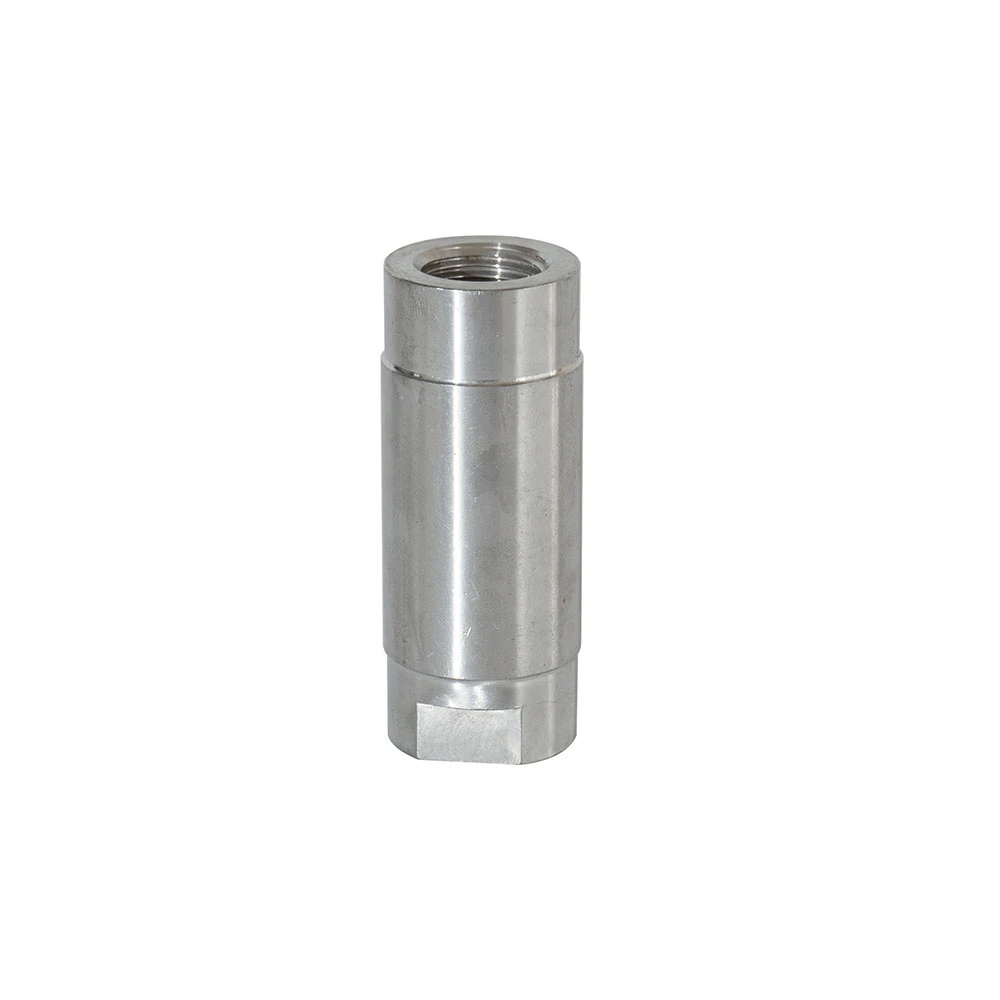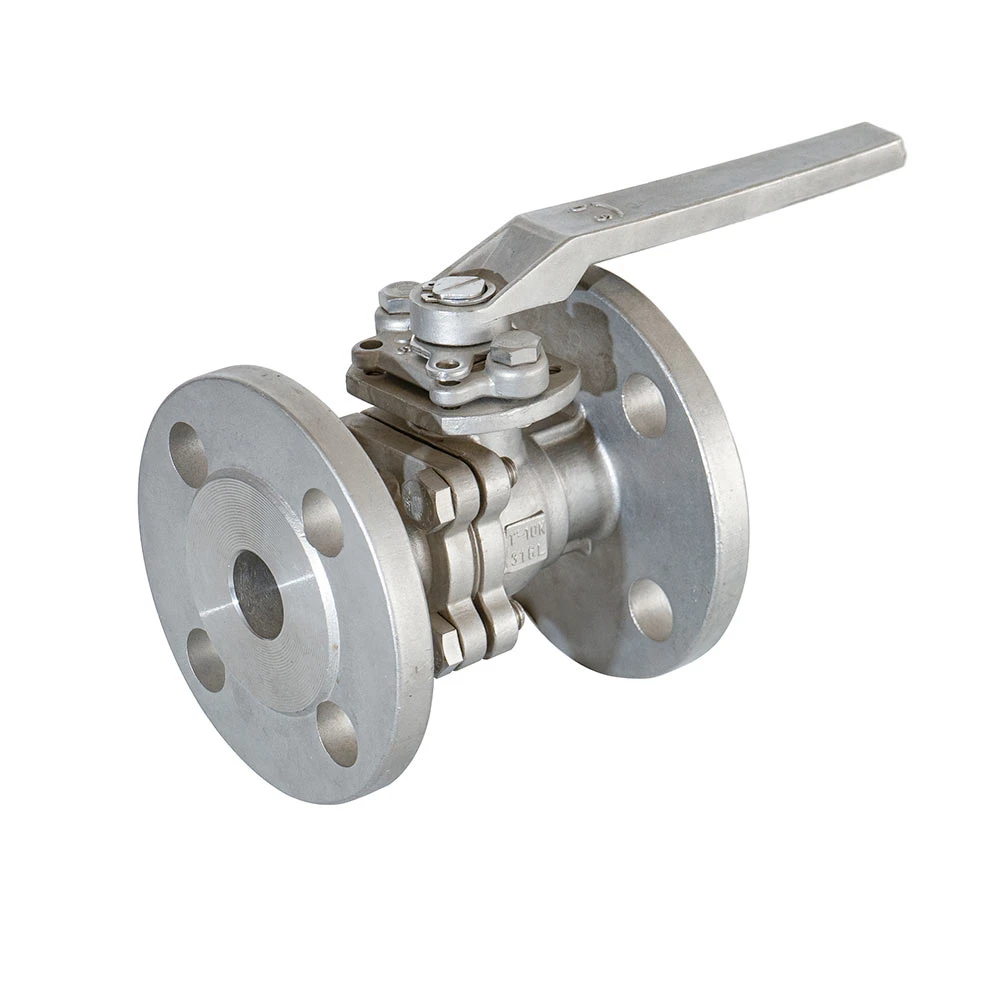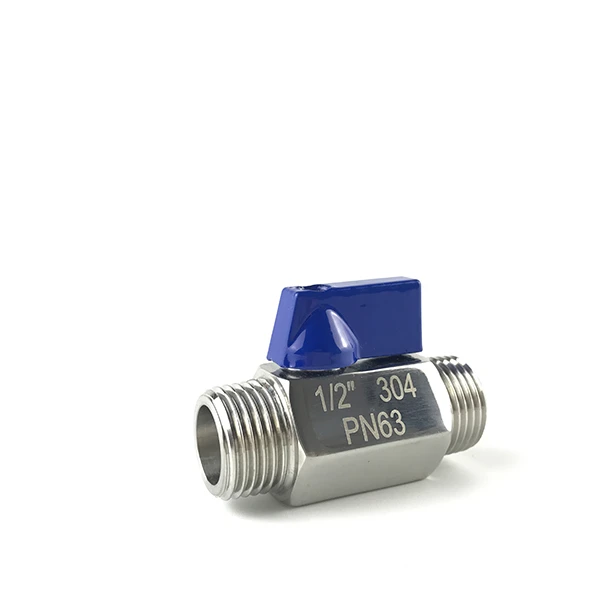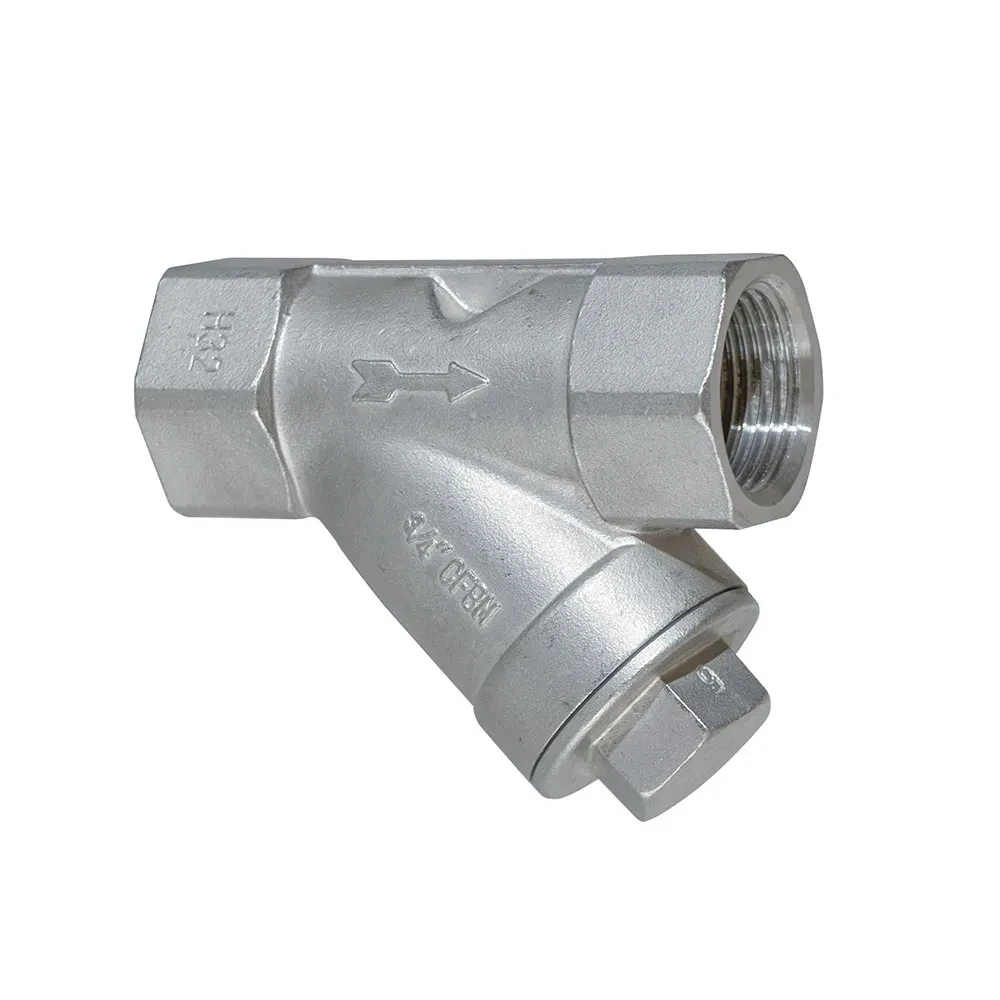
Understanding 16 Ball Valve: A Comprehensive Guide
The 16 ball valve is a critical component in various fluid control systems. Known for its quick quarter-turn operation and reliable sealing, it's widely utilized across industries. This article will provide a detailed exploration of 16 ball valves, covering their applications, types, materials, and key considerations when selecting the right valve for your needs. Understanding the nuances of these valves ensures optimal performance and long-term reliability in your systems.

What is a 16 Ball Valve?
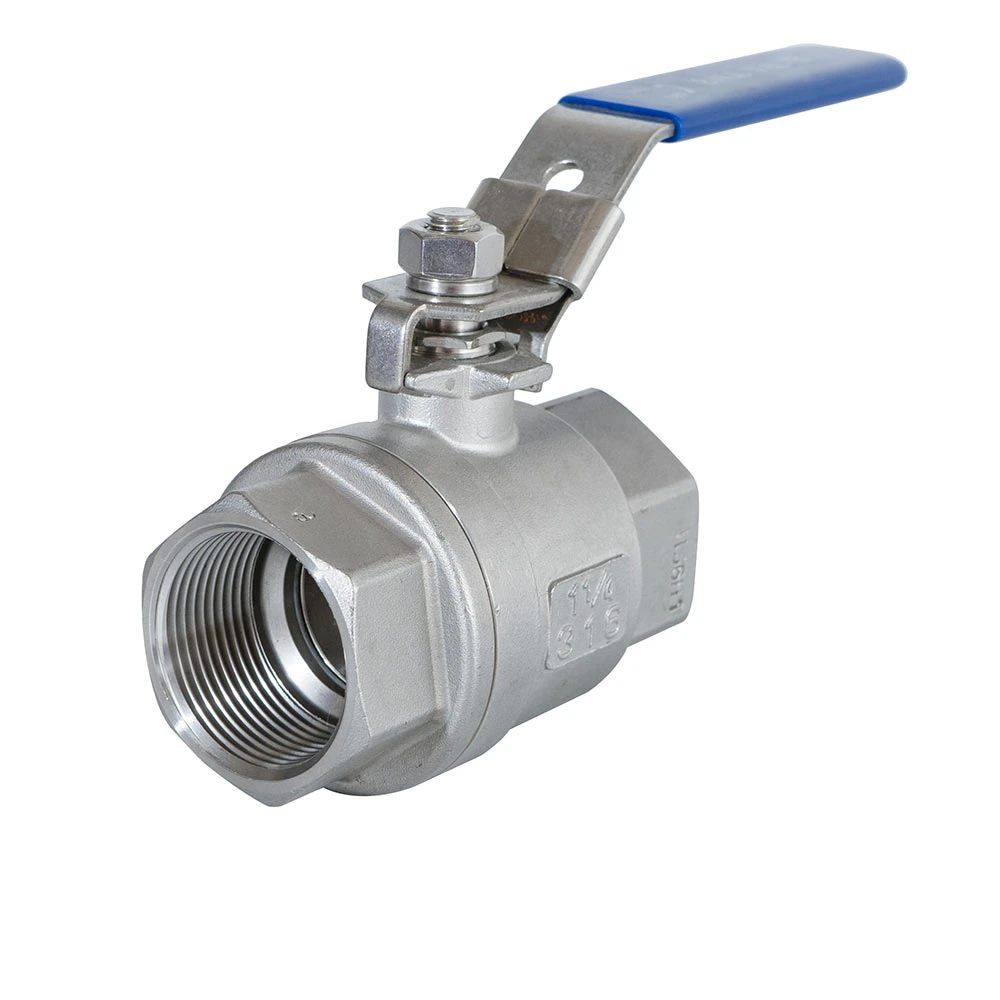
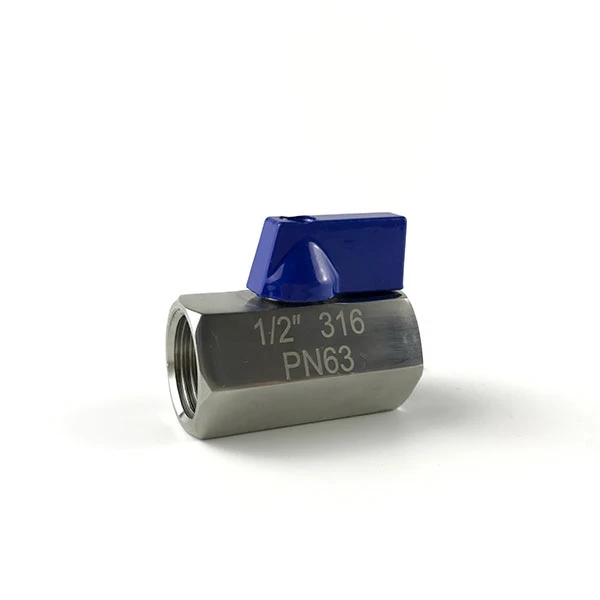
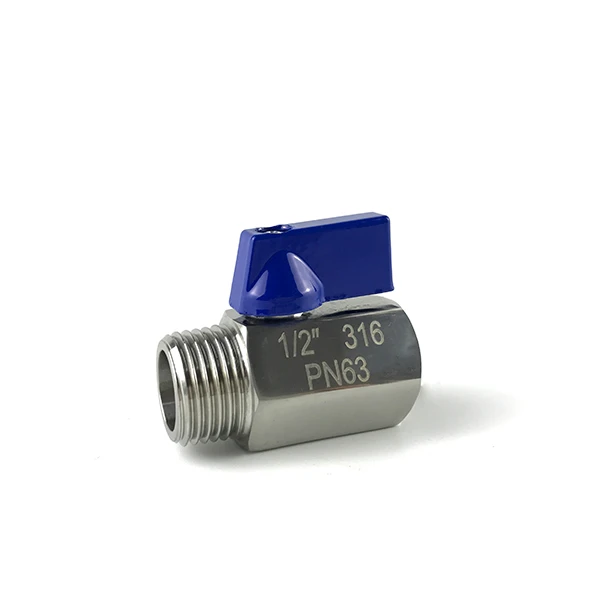
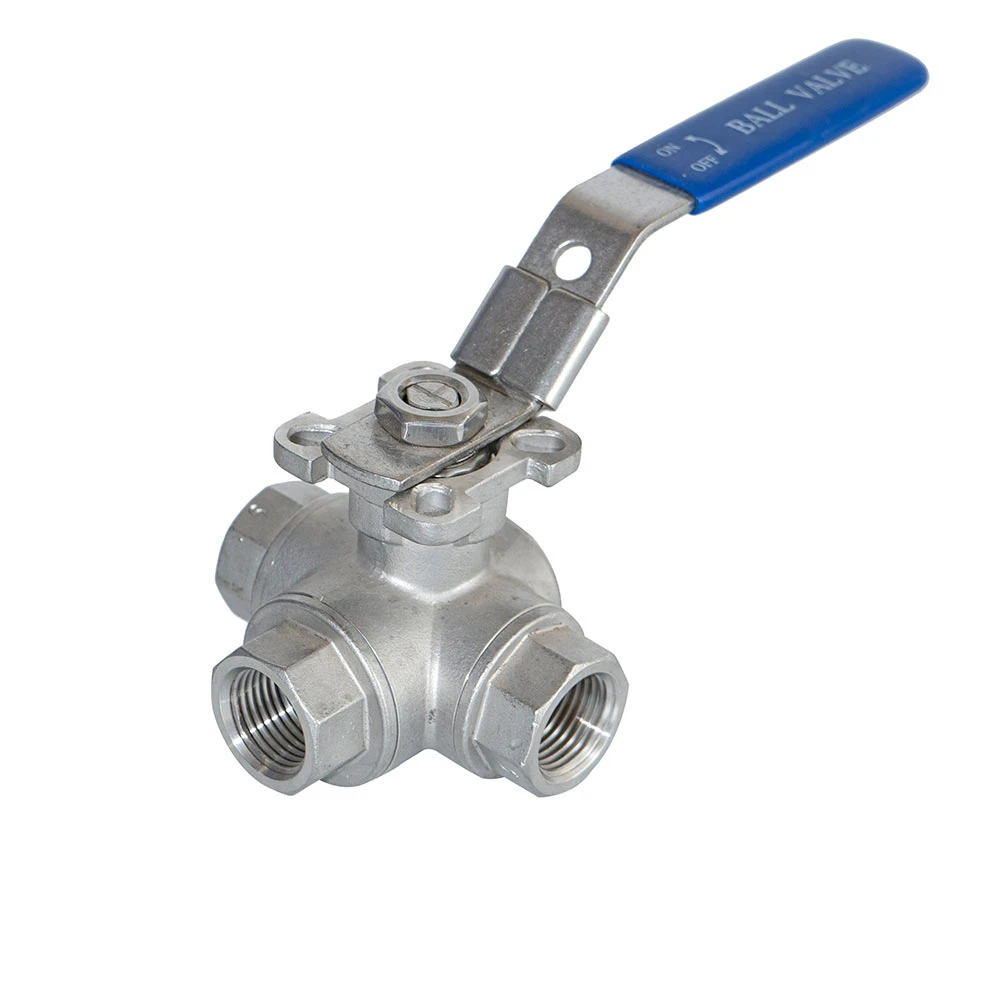
A 16 ball valve, referring to its nominal pipe size of 16mm, utilizes a hollow, perforated and pivoting ball to control fluid flow. Rotating the ball a quarter turn either allows flow through the valve or blocks it. This simple yet effective mechanism makes it a popular choice for on/off control. These valves are praised for their durability, minimal pressure drop, and suitability for a wide range of fluids. They are commonly found in residential, commercial, and industrial plumbing systems, as well as in more specialized applications like chemical processing and oil and gas.
Types of 16 Ball Valves
16 ball valves come in several configurations, each suited to specific applications. The most common types include:
- Full Port Ball Valves: Offer unobstructed flow with a full bore, minimizing pressure drop.
- Reduced Port Ball Valves: Have a smaller bore, resulting in some pressure loss but often more economical.
- Two-Piece Ball Valves: Simple construction, easy to maintain, typically used for general purpose applications.
- Three-Piece Ball Valves: Allow for in-line servicing without removing the valve from the pipe.
Materials Used in 16 Ball Valve Construction
The materials used in a 16 ball valve significantly impact its performance and lifespan. Common materials include:
Key Considerations When Selecting a 16 Ball Valve
Choosing the right 16 ball valve requires careful consideration of several factors. These include the fluid type, temperature, pressure, and the specific application. Compatibility with the fluid is paramount; certain materials are better suited for corrosive substances than others. The operating temperature and pressure of the system must also be within the valve's specified limits. Furthermore, consider the valve's connection type (threaded, flanged, etc.) to ensure compatibility with your existing piping. Always prioritize quality and compliance with relevant industry standards.
Applications of 16 Ball Valves
The versatility of 16 ball valves lends itself to a multitude of applications. Common uses include:
- Residential Plumbing: Shut-off valves for sinks, toilets, and water heaters.
- Industrial Processes: Controlling the flow of chemicals, gases, and liquids.
- HVAC Systems: Regulating coolant flow in air conditioning and heating units.
- Irrigation Systems: On/off control for sprinkler zones.
- Oil and Gas Industry: Shut-off and control in various process lines.
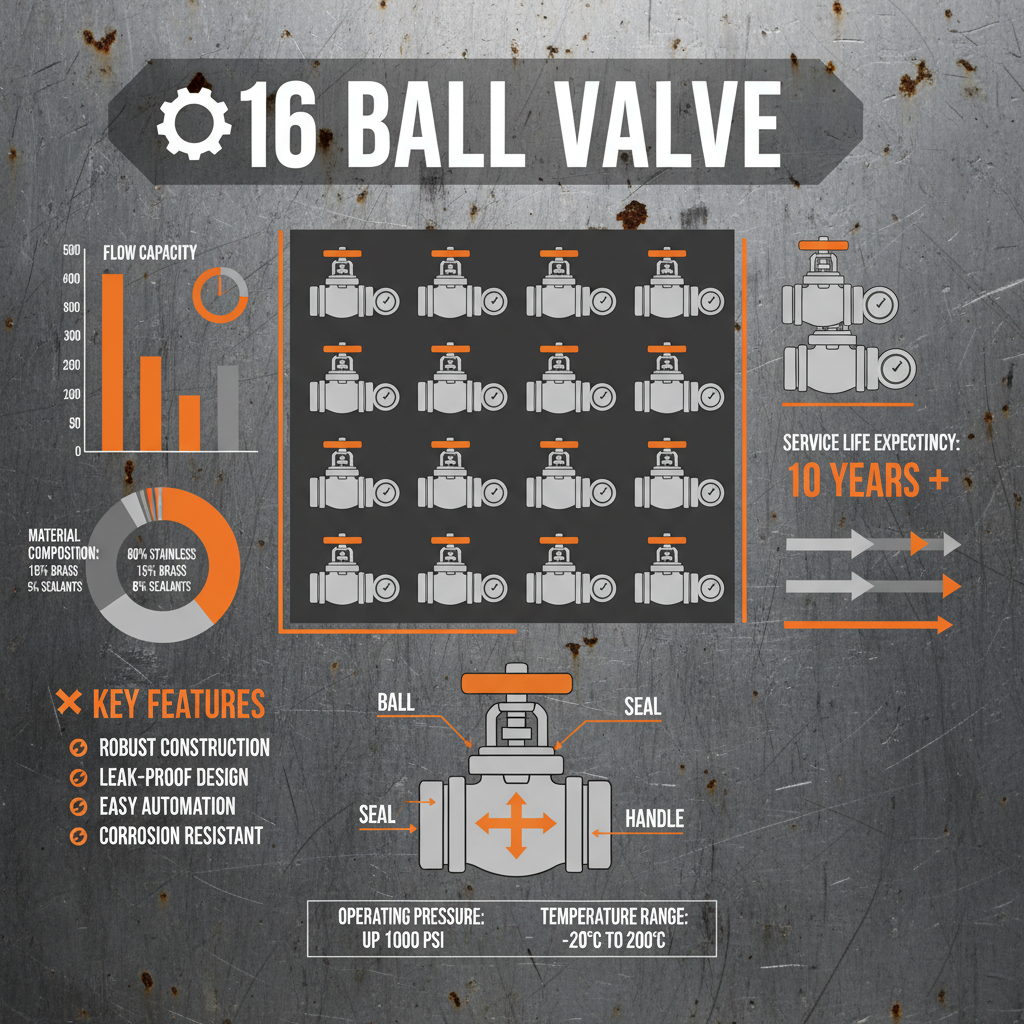
Conclusion: Selecting the Right 16 Ball Valve for Your Needs
The 16 ball valve is a dependable and versatile solution for fluid control. By understanding the different types, materials, and key considerations, you can select the optimal valve for your specific application. Investing in a high-quality valve from a reputable manufacturer like HoudeValve ensures long-term performance, reliability, and safety.
Frequently Asked Questions (FAQs)
What is the typical lifespan of a 16 ball valve?
The lifespan of a 16 ball valve varies depending on the material, operating conditions, and frequency of use. Generally, a well-maintained ball valve can last for 5 to 15 years, or even longer. Regular inspection and preventative maintenance, such as lubricating the ball and seals, can significantly extend its lifespan. Signs of wear, like leaks or difficulty in operation, indicate the need for replacement. Factors such as corrosive fluids, high temperatures, and frequent cycling can shorten the lifespan.
Can a 16 ball valve be repaired?
Depending on the nature of the damage, some 16 ball valves can be repaired. Often, replacing the seats and seals can restore the valve's functionality. However, if the ball itself is damaged or the valve body is corroded, repair is typically not feasible and replacement is recommended. Three-piece ball valves are easier to repair than two-piece valves as they allow for disassembly without removing the valve from the pipeline. Consider the cost of repair versus replacement when making a decision.
What pressure rating should I look for in a 16 ball valve?
The pressure rating of the 16 ball valve should be carefully selected to match the operating pressure of your system, with a safety margin. Always choose a valve with a pressure rating higher than the maximum pressure the system will experience. Common pressure ratings include 150 PSI, 300 PSI, and higher. Consider both static pressure (pressure when the system is not flowing) and dynamic pressure (pressure when the system is flowing). Refer to the system's design specifications and consult with a qualified engineer if you are unsure about the appropriate pressure rating. Using a valve with an insufficient pressure rating can lead to failure and potential hazards.