Understanding the Versatility of a 1.25 Inch Ball Valve
In the world of fluid control, the 1.25 inch ball valve stands out as a critical component across numerous industries. Its robust design, efficient operation, and versatility make it ideal for a wide range of applications, from residential plumbing to complex industrial processes. This article will delve into the features, benefits, applications, and selection criteria for these valves, helping you understand why they are a cornerstone of modern fluid handling systems. Choosing the right ball valve can significantly impact the efficiency and reliability of your operations. HoudeValve is a trusted supplier of high-quality ball valves.
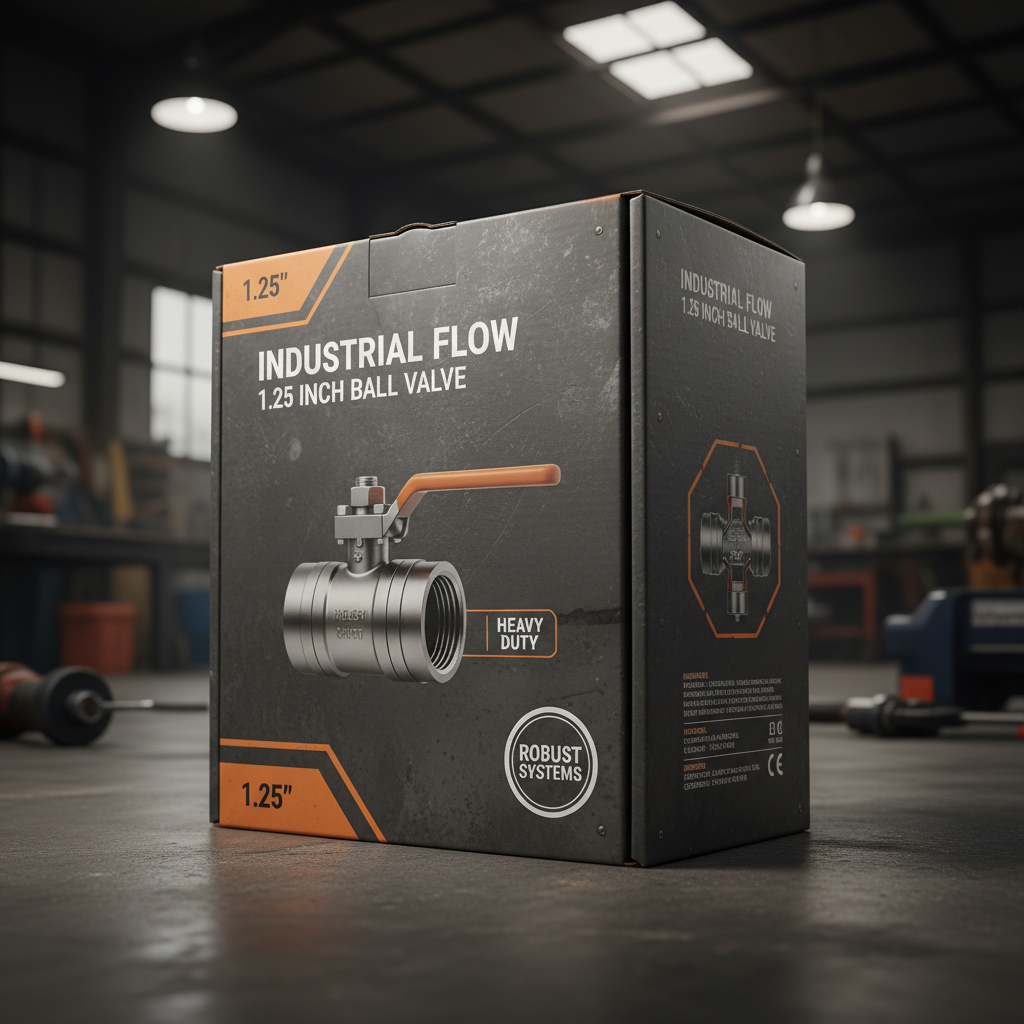
Key Features of a 1.25 Inch Ball Valve
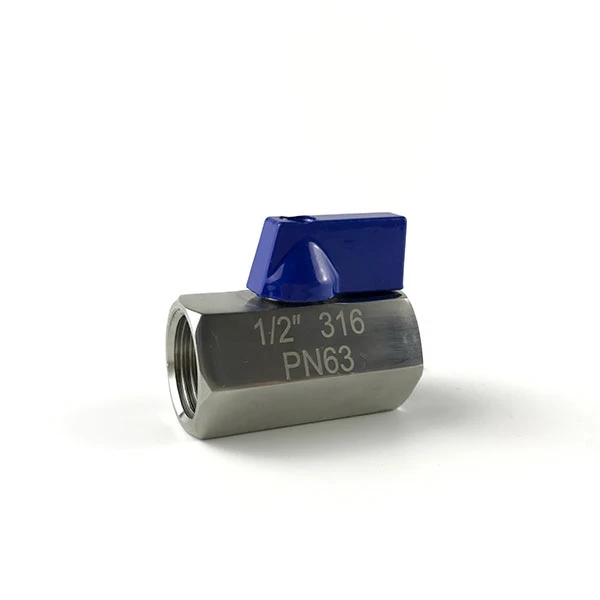
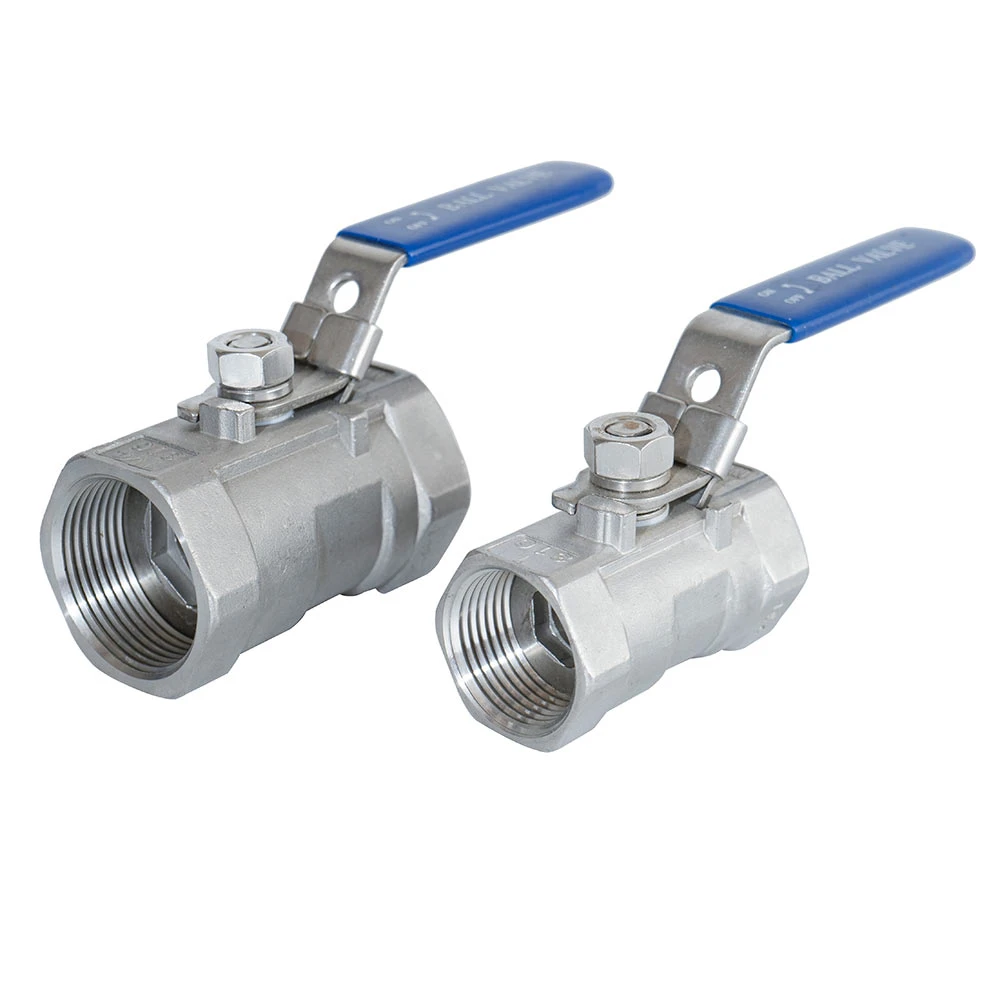
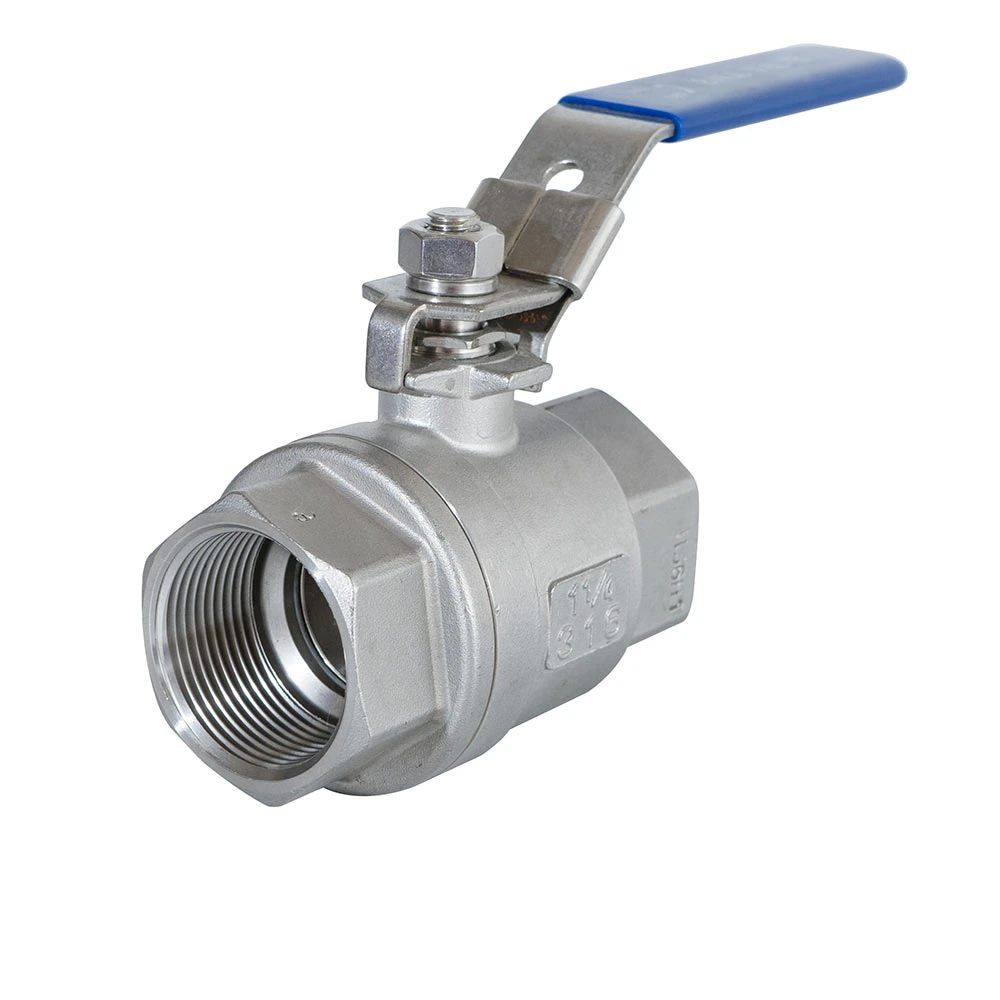
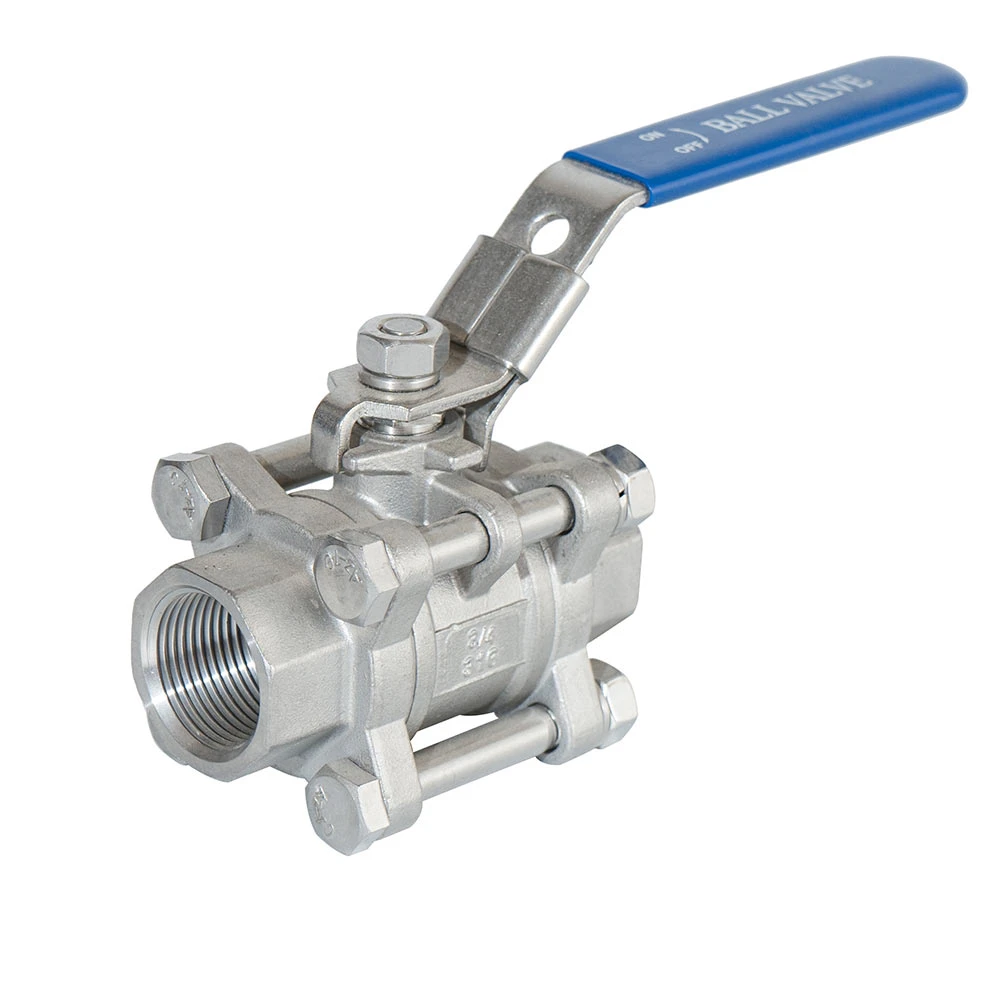
A 1.25 inch ball valve utilizes a hollow, perforated and pivoting ball to control fluid flow. Its quarter-turn operation provides quick on/off functionality. These valves are renowned for their durability and leak-tight shut-off capabilities. They are available in various materials like brass, stainless steel, PVC, and carbon steel, offering compatibility with diverse media. The 1.25 inch size indicates the internal diameter of the valve, making it suitable for applications requiring moderate flow rates. HoudeValve's 1.25 inch ball valves are designed for long-lasting performance.
Key Highlights: Quick quarter-turn operation, leak-tight shut-off, durable construction, and compatibility with various fluids and materials.
Applications of 1.25 Inch Ball Valves
The applications for a 1.25 inch ball valve are widespread. They are commonly found in residential plumbing systems for controlling water flow to sinks, showers, and toilets. In industrial settings, they regulate the flow of chemicals, gases, and oils in various processes. Agricultural irrigation systems also benefit from their reliable on/off control. Further applications include HVAC systems, fire sprinkler systems, and even some automotive applications. Their versatility makes them indispensable across multiple sectors. Explore HoudeValve’s extensive range of ball valves for diverse applications.
Common Application Areas:
• Residential Plumbing
• Industrial Processes
• Agricultural Irrigation
• HVAC Systems
1.25 Inch Ball Valve: Material Selection and Compatibility
Choosing the right material for your 1.25 inch ball valve is crucial for ensuring compatibility with the fluid being controlled. Brass valves are suitable for water and some gases, but may not be ideal for corrosive chemicals. Stainless steel offers excellent corrosion resistance and is often used for demanding applications involving aggressive fluids. PVC valves are lightweight and cost-effective, but may have temperature limitations. Carbon steel is a strong and durable option for high-pressure applications, but requires corrosion protection. Carefully consider the fluid's chemical properties and temperature when selecting the valve material. HoudeValve offers a comprehensive guide to material selection.
Selecting the Right 1.25 Inch Ball Valve for Your Needs
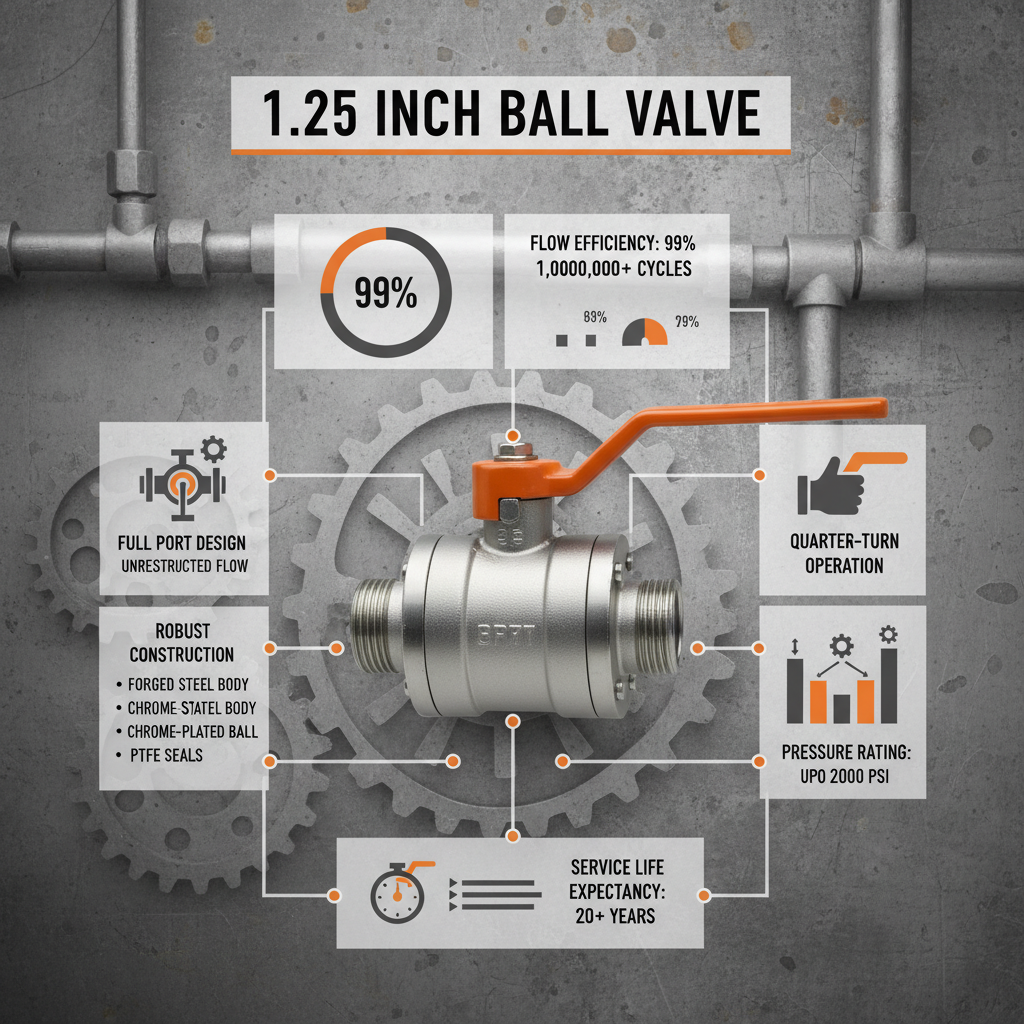
When selecting a 1.25 inch ball valve, consider the following factors: the type of fluid, operating pressure, temperature, connection type (threaded, flanged, etc.), and any specific industry standards. Full-port valves offer unrestricted flow, while reduced-port valves may be more suitable for throttling applications. The actuator type (manual, pneumatic, electric) will depend on the level of automation required. HoudeValve offers a wide variety of configurations to meet your specific requirements.
Maintaining Your 1.25 Inch Ball Valve
Regular maintenance is key to ensuring the longevity and reliable performance of your 1.25 inch ball valve. Periodic inspection for leaks, corrosion, or damage is crucial. Lubricate the valve stem as needed to prevent sticking. If the valve is used in a harsh environment, consider a protective coating. Following the manufacturer's recommendations for maintenance will maximize the valve's lifespan and minimize downtime. HoudeValve’s support team can provide guidance on proper maintenance procedures.
Conclusion: Reliable Fluid Control with HoudeValve
The 1.25 inch ball valve is a vital component for numerous applications requiring precise and reliable fluid control. By understanding its features, selecting the appropriate materials, and implementing regular maintenance, you can ensure optimal performance and longevity. HoudeValve is committed to providing high-quality ball valves and expert support to meet your fluid handling needs.
Frequently Asked Questions (FAQs)
What is the pressure rating for a typical 1.25 inch ball valve?
The pressure rating of a 1.25 inch ball valve varies depending on the material and construction. Common pressure ratings range from 200 PSI to 600 PSI, but some valves can handle even higher pressures. It's essential to check the valve's specification sheet to ensure it is suitable for your application's pressure requirements. Using a valve with an insufficient pressure rating can lead to failure and potential hazards. HoudeValve provides detailed specifications for all its valves.
What are the different connection types available for 1.25 inch ball valves?
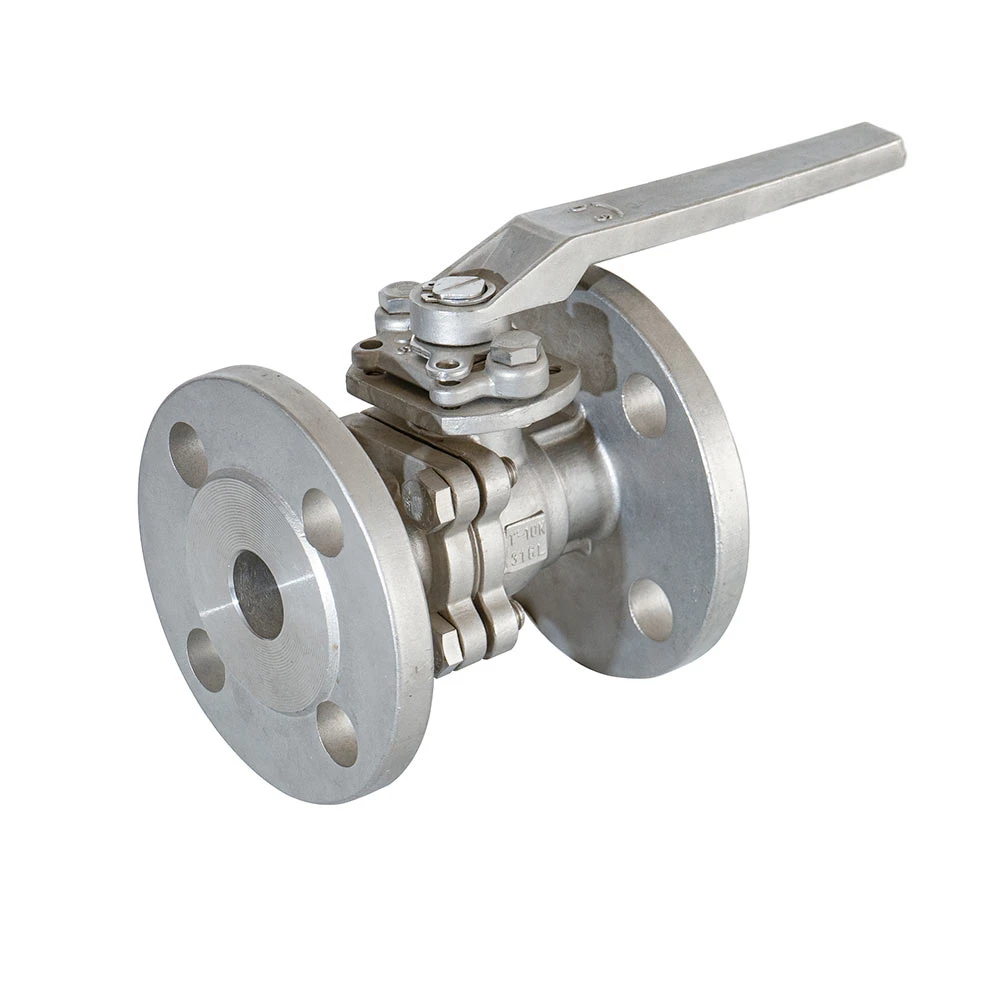
Common connection types for 1.25 inch ball valves include threaded (NPT, BSP), flanged, and socket weld. Threaded connections are easy to install and are suitable for low-pressure applications. Flanged connections provide a more secure and robust connection for high-pressure systems. Socket weld connections are often used in critical applications requiring a leak-tight seal. The best connection type depends on the specific application and piping system.
How often should I replace a 1.25 inch ball valve?
The replacement frequency depends on the valve's usage, operating conditions, and the fluid it controls. As a general guideline, it's recommended to inspect ball valves annually and replace them every 5-10 years, even if they appear to be in good condition. Valves exposed to corrosive fluids or high pressures may need to be replaced more frequently. Look for signs of wear, corrosion, or leakage as indicators of the need for replacement.
What is the difference between a full-port and a reduced-port 1.25 inch ball valve?
A full-port ball valve has a bore diameter equal to the pipe's internal diameter, allowing for unrestricted flow. A reduced-port valve has a smaller bore diameter, creating some flow restriction. Full-port valves minimize pressure drop and are ideal for applications requiring maximum flow capacity. Reduced-port valves are often used for throttling or regulating flow. The choice depends on the specific flow requirements of your system.