Understanding 15mm Ball Valves: A Comprehensive Guide
15mm ball valves are crucial components in various plumbing and industrial applications, prized for their reliable shut-off capabilities and ease of operation. This article delves into the specifics of these valves, covering their applications, materials, advantages, and selection criteria. Whether you're involved in residential plumbing, irrigation systems, or more complex industrial processes, understanding the nuances of a 15mm ball valve is essential for optimal system performance. We will explore how to choose the right valve for your specific needs, ensuring a leak-proof and durable solution.
What are 15mm Ball Valves and How Do They Work?
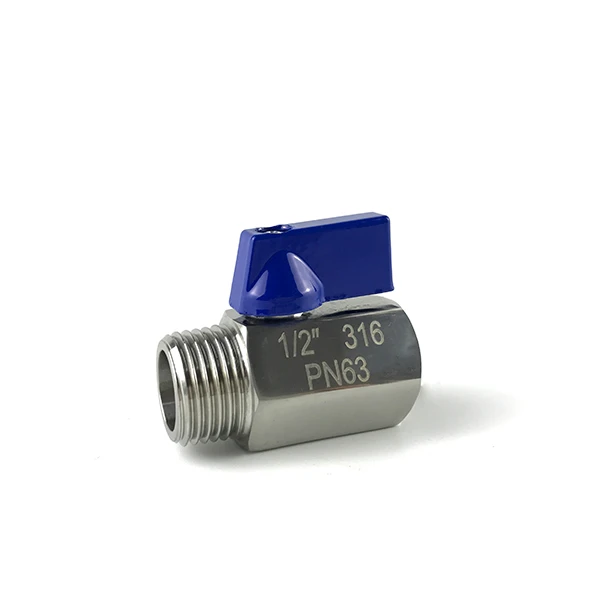
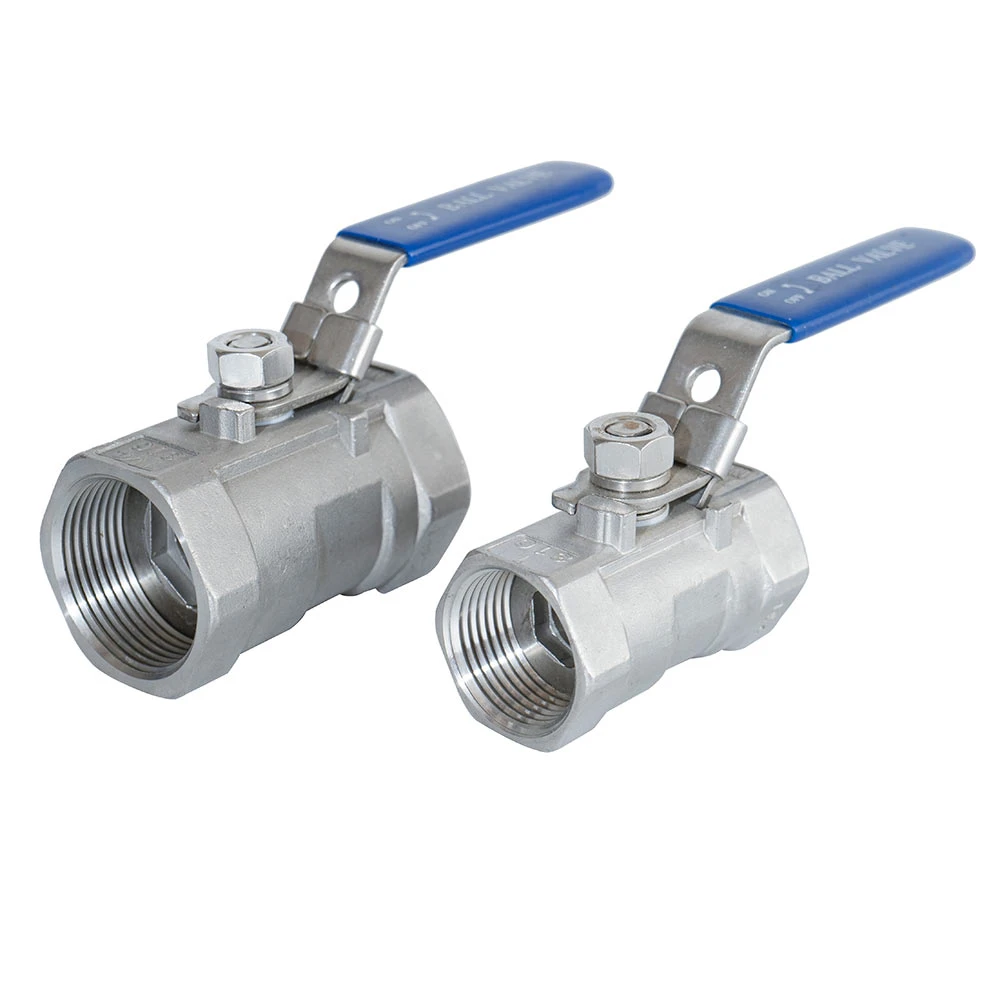
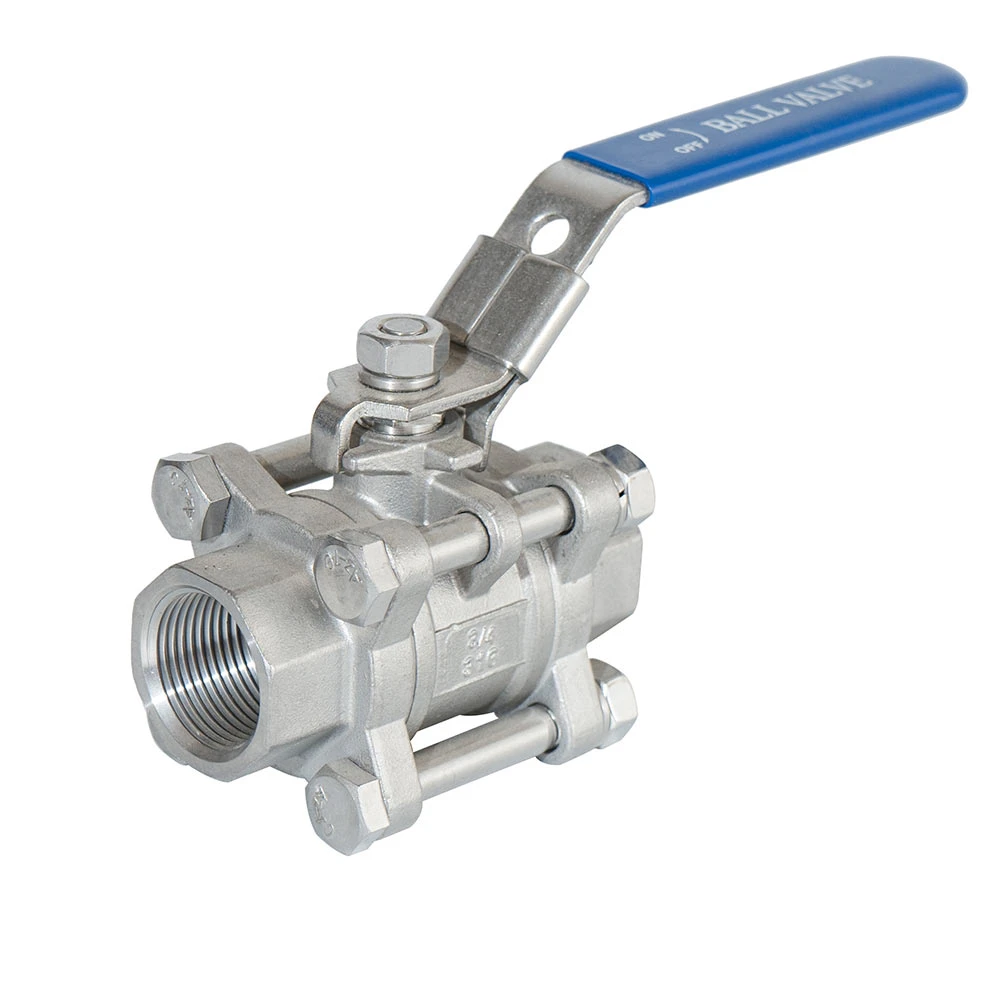
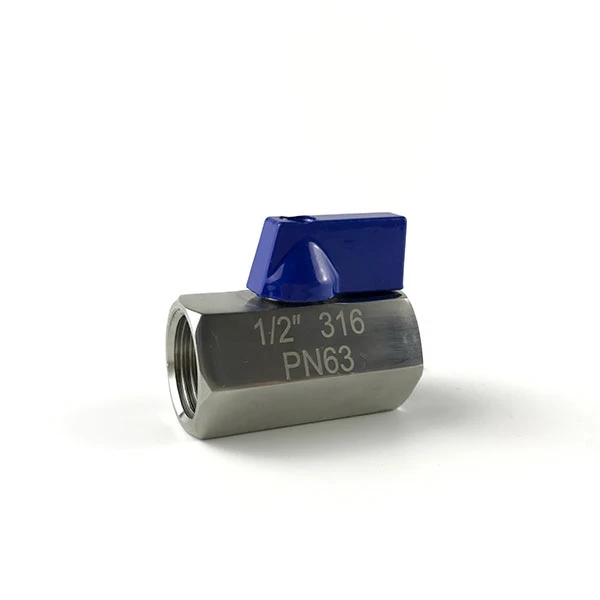
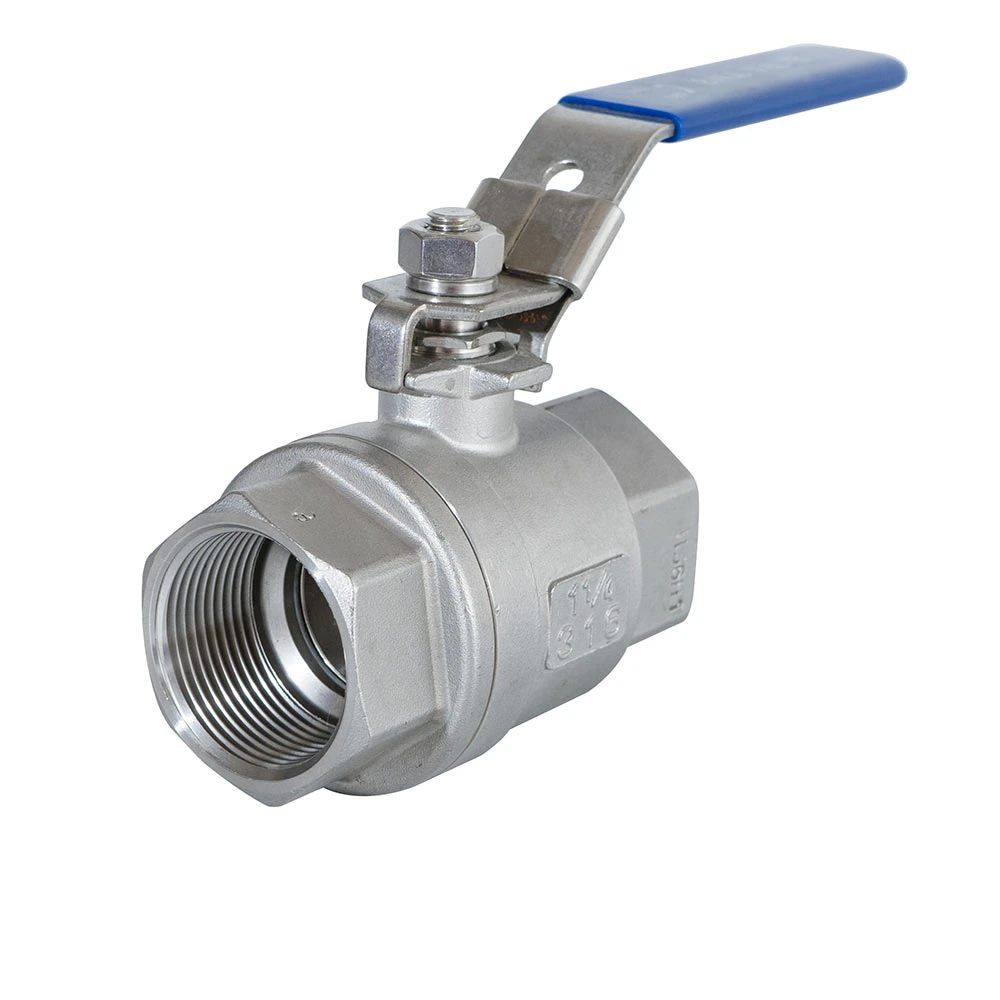
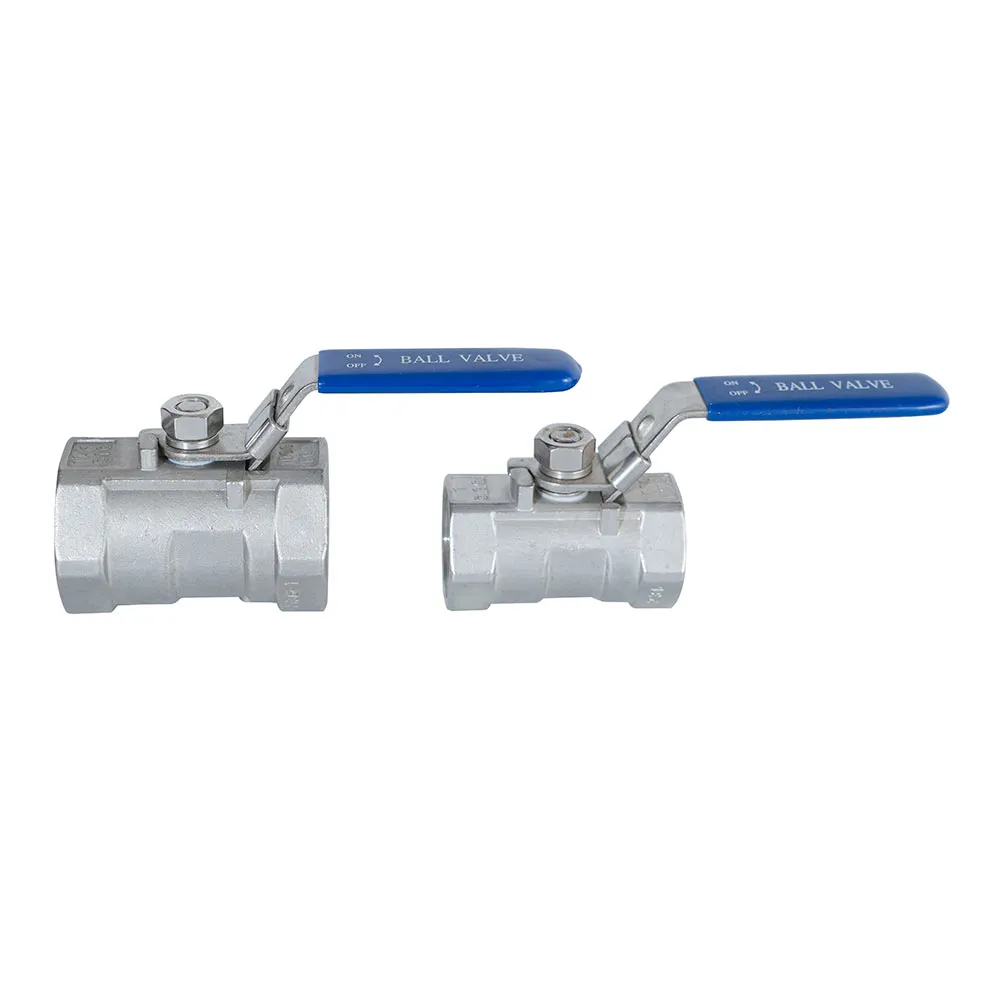
A 15mm ball valve utilizes a hollow, perforated and pivoting ball to control the flow of media. The "15mm" refers to the diameter of the valve's port, indicating the size of the pipe it’s designed to connect to. When the ball's hole aligns with the pipe, flow occurs. Rotating the ball 90 degrees closes the valve, stopping the flow. This simple yet effective mechanism makes ball valves ideal for quick on/off control. They are known for their minimal pressure drop and tight sealing properties. Compared to other valve types, the quarter-turn operation makes them quick and efficient to use.
Key Features: Quarter-turn operation, tight shut-off, low pressure drop, durable construction, and suitability for various media.
Common Applications of 15mm Ball Valves
15mm ball valves find widespread use across numerous applications. In residential plumbing, they're frequently used under sinks, for toilet connections, and in washing machine supply lines to isolate sections for maintenance. In irrigation systems, they control water flow to different zones. Industrially, they’re employed in chemical processing, oil & gas, and water treatment plants where reliable flow control is essential. Their compact size and robust design make them well-suited for applications where space is limited and the fluid may be corrosive. You can find a comprehensive selection of 15mm ball valves at HoudeValve.
Application Areas:
• Residential Plumbing
• Irrigation Systems
• Industrial Processing
• Water Treatment
15mm Ball Valve Materials: Choosing the Right One
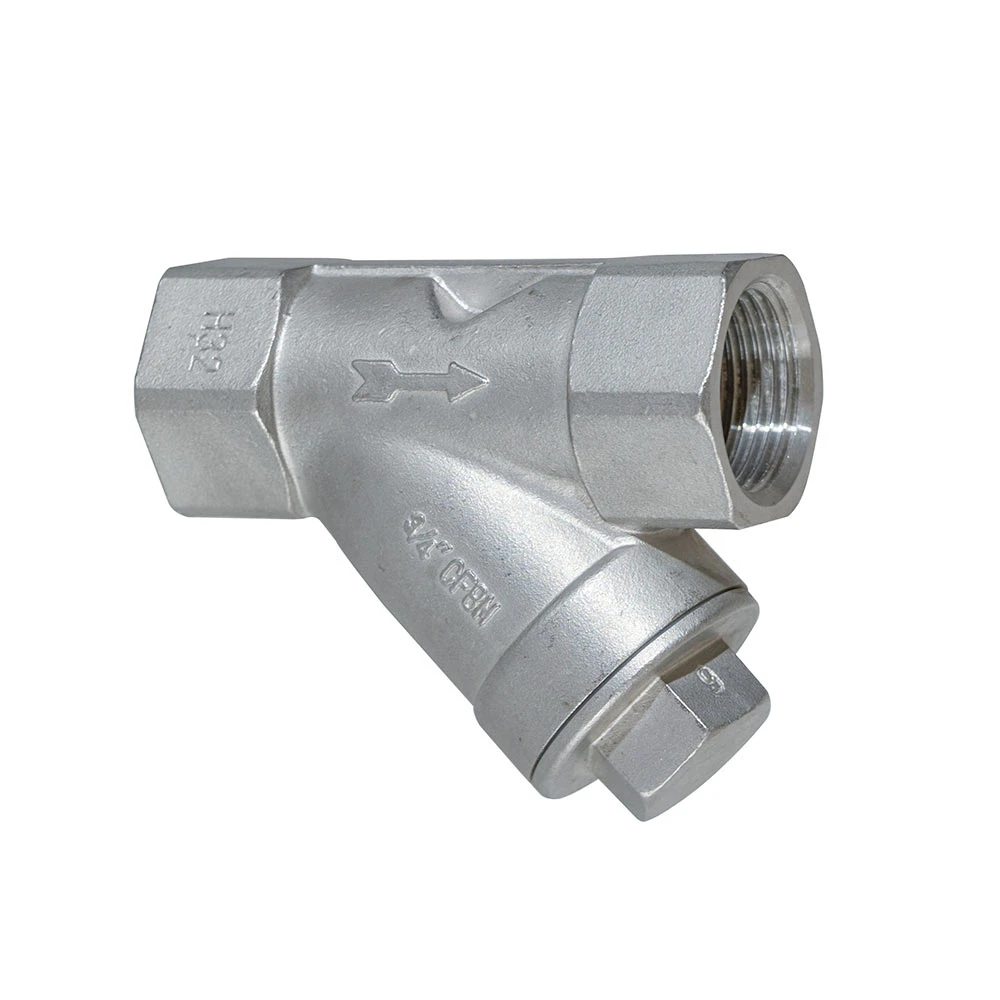
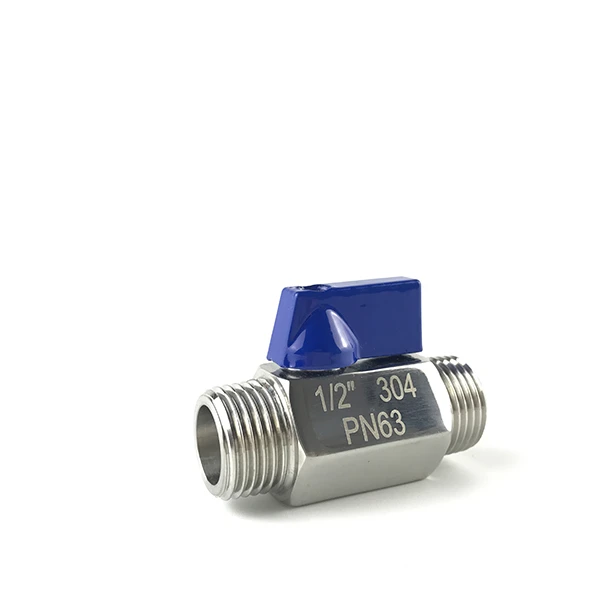
The material of a 15mm ball valve is critical for ensuring compatibility with the fluid it will handle and for longevity. Common materials include: Brass (good for water and general use), Stainless Steel (excellent corrosion resistance, ideal for aggressive media), PVC (cost-effective, suitable for non-corrosive applications), and PEX (flexible, often used in plumbing systems). Selecting the correct material prevents corrosion, leaks, and premature failure. Consider the temperature, pressure, and chemical composition of the fluid when making your selection.
Benefits of Choosing a 15mm Ball Valve
Compared to other valve types, 15mm ball valves offer several distinct advantages. Their quick quarter-turn operation simplifies control, while their robust construction ensures durability. The tight sealing properties prevent leaks and minimize maintenance. They are also relatively inexpensive, making them a cost-effective solution for many applications. Furthermore, the simple design contributes to easy installation and repair. A properly selected 15mm ball valve delivers reliable performance for years.
Selecting the Right 15mm Ball Valve: Key Considerations
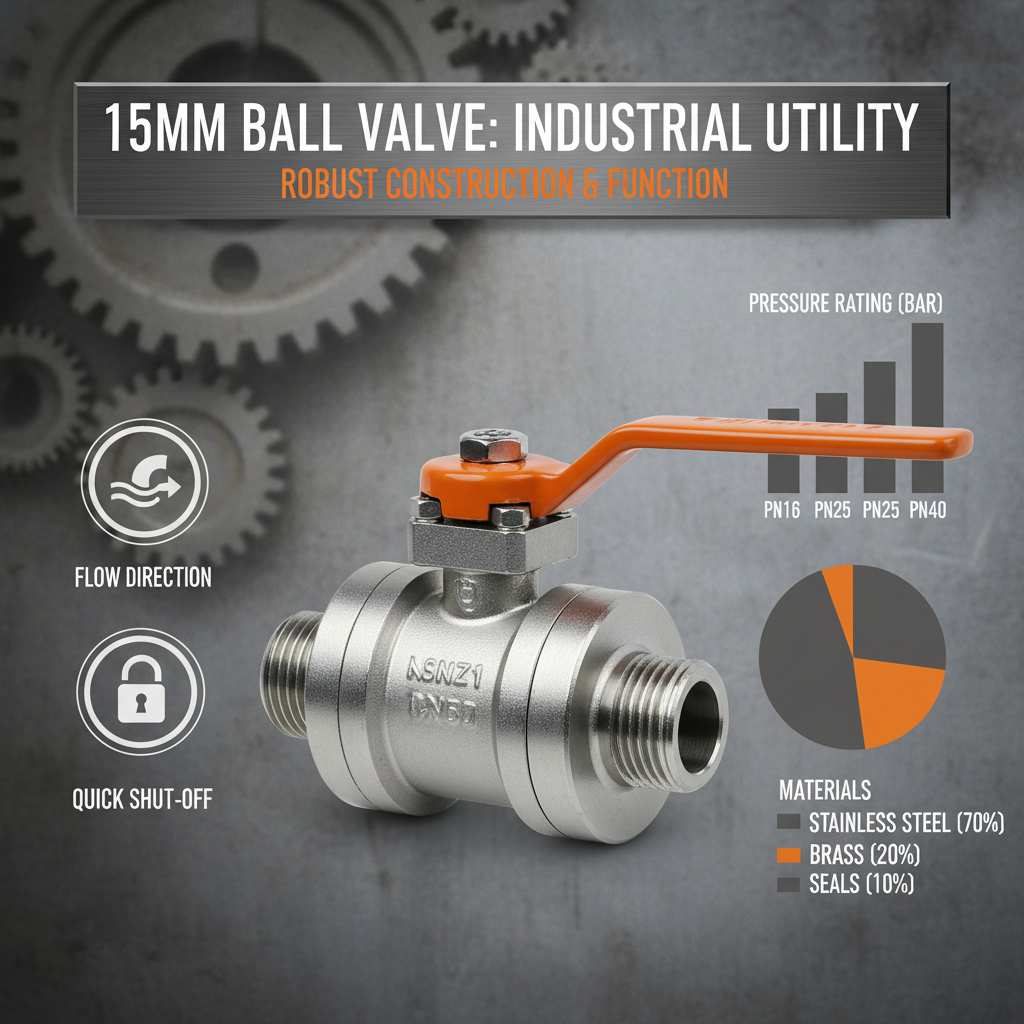
Choosing the right 15mm ball valve requires careful consideration of several factors. First, determine the fluid type and its compatibility with the valve material. Consider the operating pressure and temperature. Select a valve rated for these conditions. The connection type (threaded, soldered, etc.) must match your existing plumbing system. Finally, consider the actuation method (manual, automatic). For critical applications, look for valves with certifications and quality assurance.
Conclusion: Ensuring Reliable Flow Control
Understanding the characteristics and applications of 15mm ball valves is critical for any plumbing or industrial project. By carefully considering the material, pressure rating, and application requirements, you can select a valve that delivers long-lasting performance and reliable flow control. Choose quality, choose the right materials, and ensure a secure and efficient system.
Frequently Asked Questions (FAQs)
What is the typical lifespan of a 15mm ball valve?
The lifespan of a 15mm ball valve varies based on usage conditions, fluid type, and material quality. Generally, a well-maintained ball valve can last between 5 and 15 years. Factors like frequent cycling, exposure to corrosive fluids, and high pressure can shorten the lifespan. Regular inspection for leaks or stiffness in the handle is crucial. Replacing the valve proactively can prevent system failures and costly repairs.
Can I repair a leaking 15mm ball valve, or should I replace it?
Minor leaks around the stem or handle may be repairable by tightening the packing nut. However, leaks originating from the valve body or the ball itself generally indicate internal damage and necessitate replacement. Attempting to repair a severely damaged valve can be risky and may lead to further complications. It’s often more cost-effective and safer to replace a leaking valve, particularly if it's been in service for an extended period.
What are the different types of connections for 15mm ball valves?
Common connection types for 15mm ball valves include threaded (BSP, NPT), soldered (copper pipes), compression (for plastic or copper pipes), and push-fit (quick and easy installation). The appropriate connection type depends on the piping material and installation requirements. Threaded connections are versatile, while soldered connections create a permanent, leak-proof seal. Compression and push-fit connections are suitable for DIY projects and temporary installations.