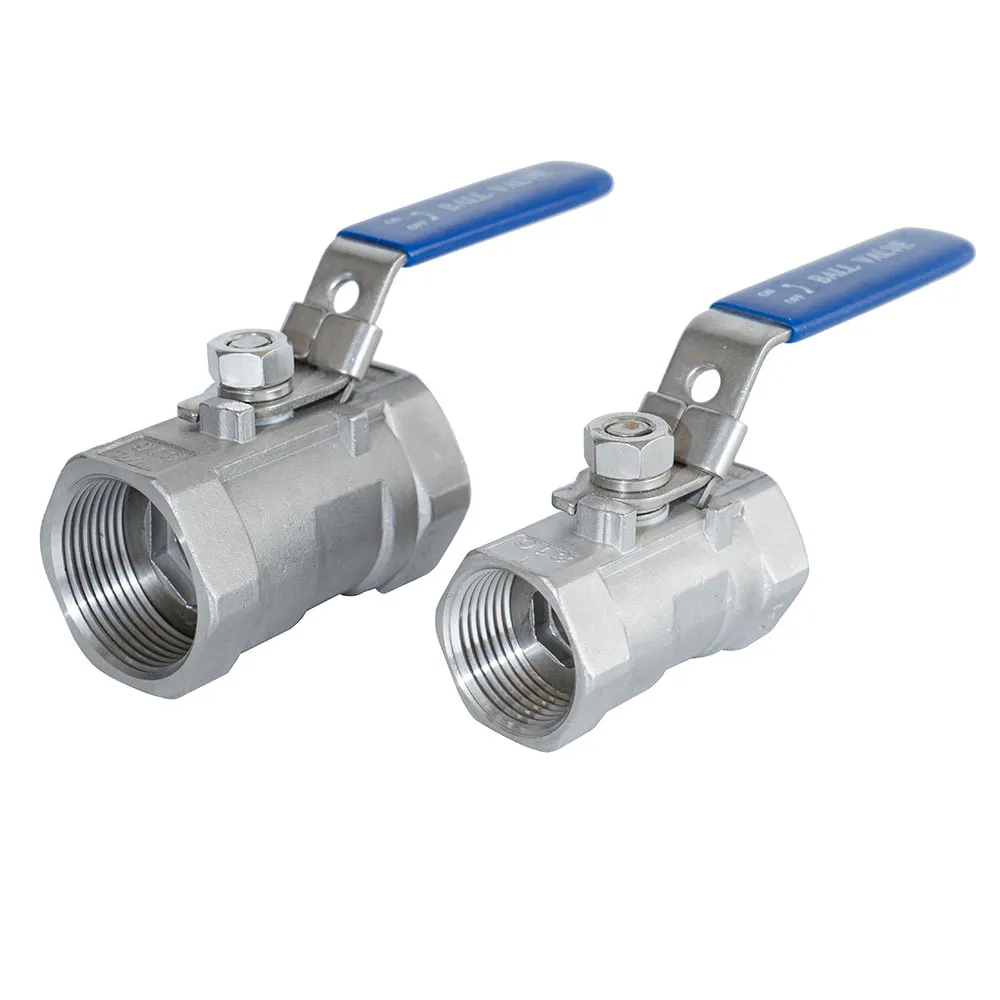
Understanding the Versatility of a 12mm Ball Valve
A 12mm ball valve is a critical component in numerous fluid control systems. Its compact size doesn't compromise its functionality, making it ideal for a diverse range of applications, from residential plumbing to intricate industrial processes. This article will delve into the features, applications, material options, and considerations when selecting a 12mm ball valve, providing a comprehensive guide for engineers, plumbers, and anyone involved in fluid handling. Understanding the nuances of ball valves and their specific sizes like 12mm is crucial for ensuring optimal system performance and longevity.
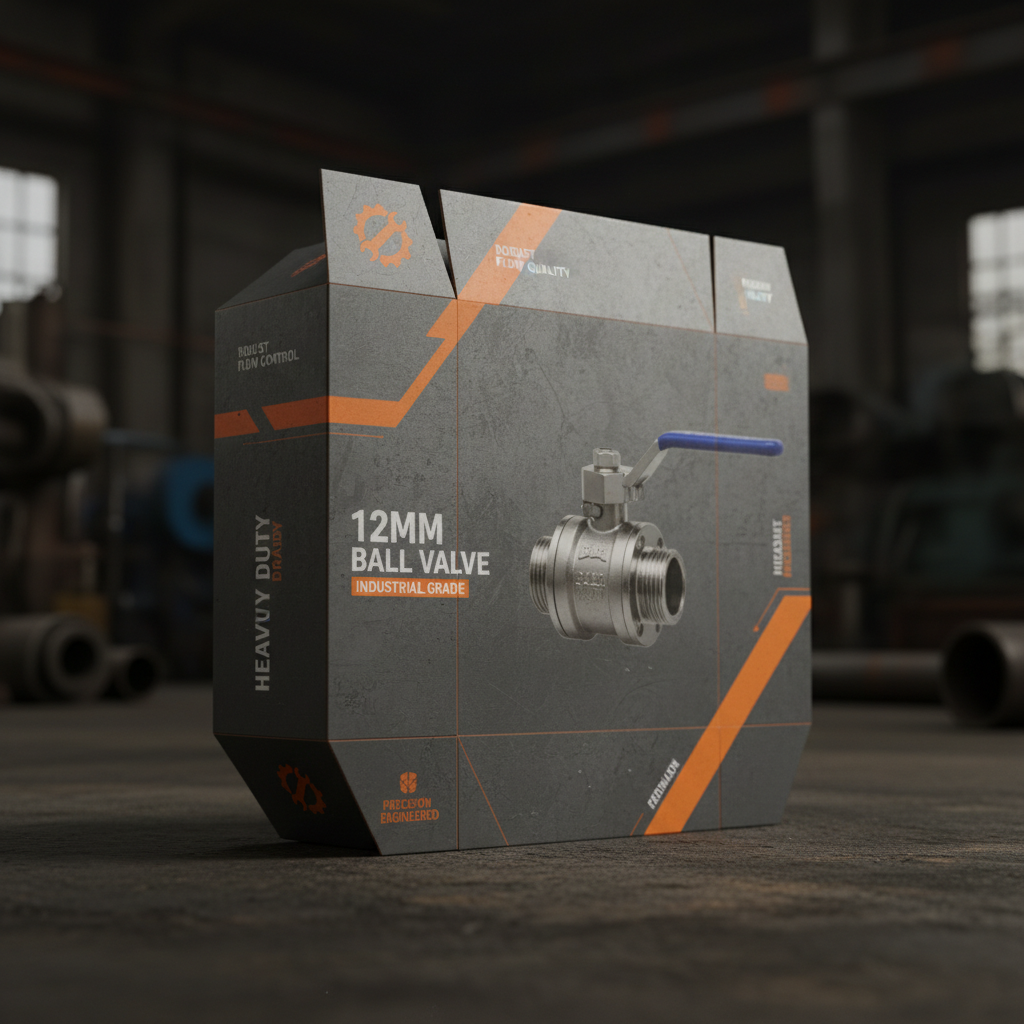
What is a 12mm Ball Valve?
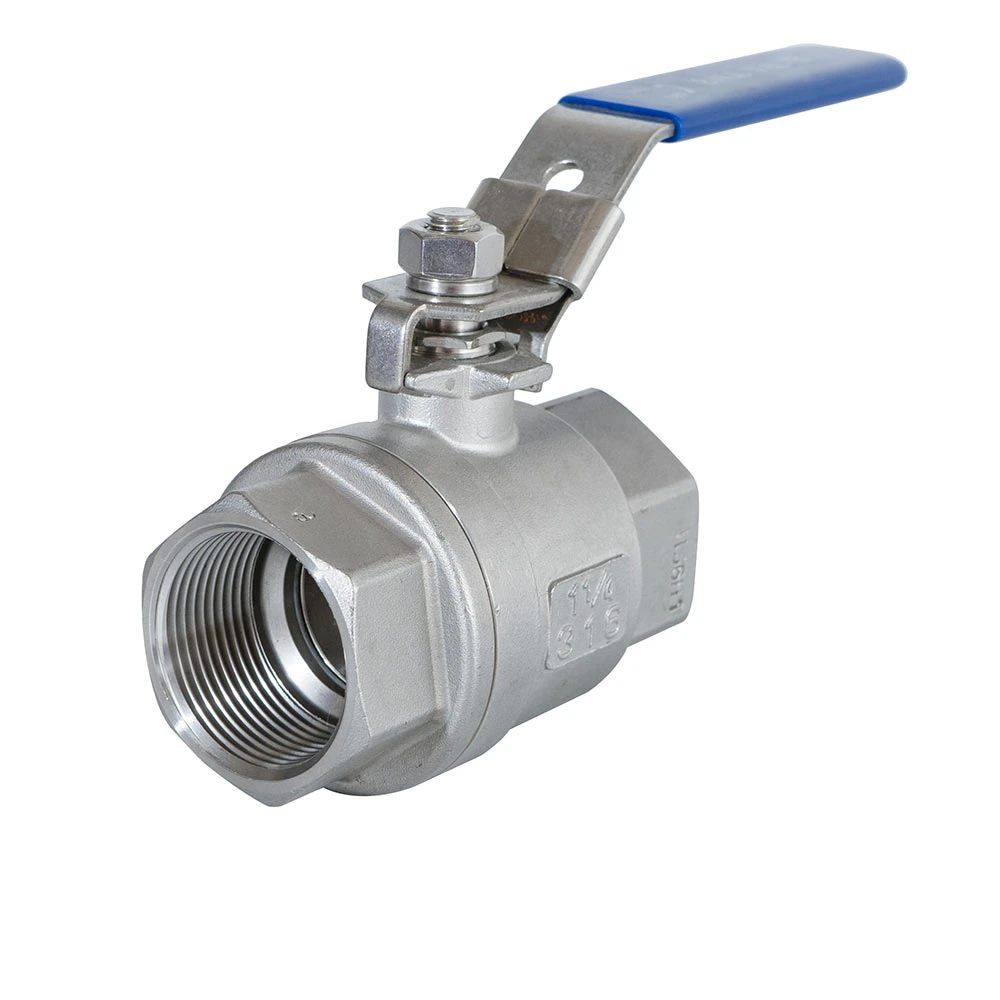
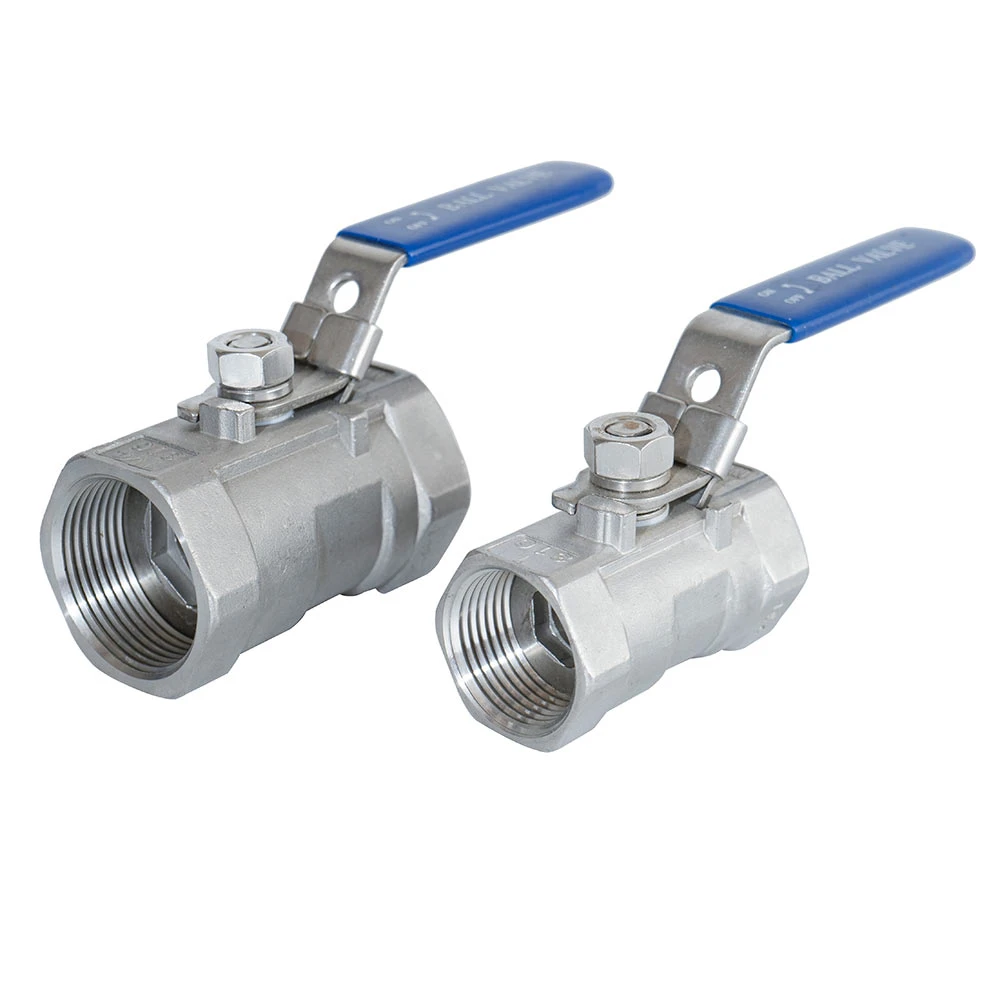
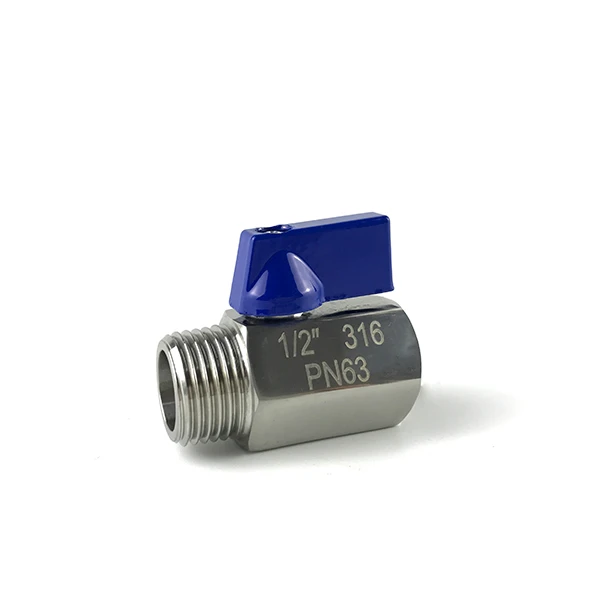
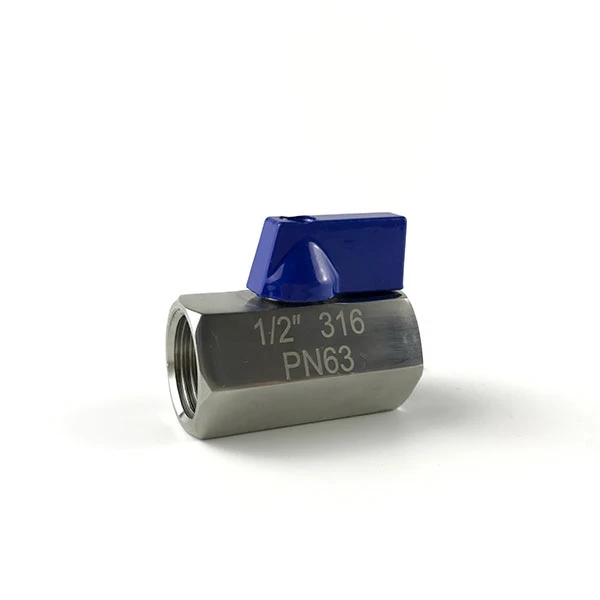
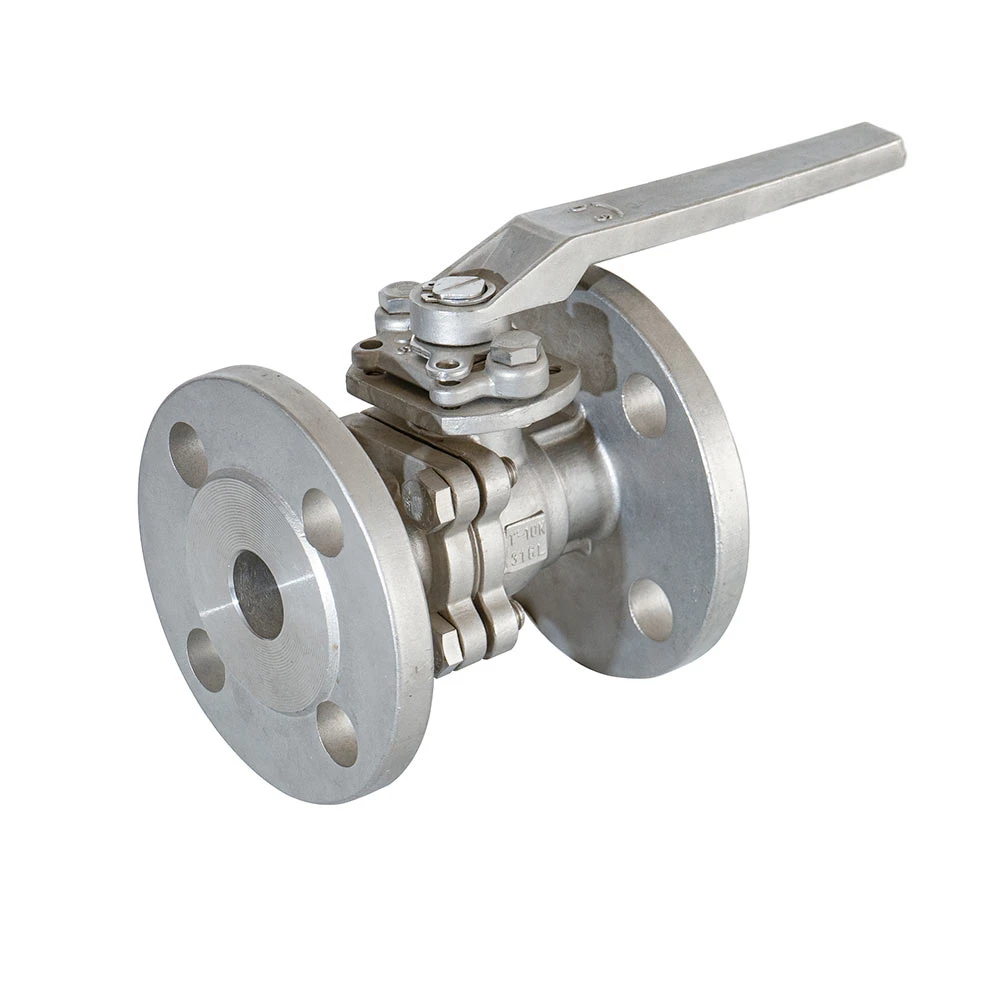
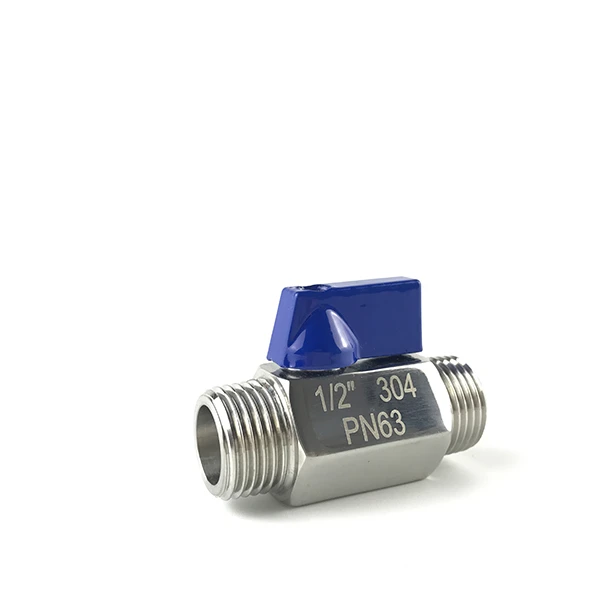
A ball valve operates on a simple yet effective principle: a hollow, perforated, and pivoting ball controls the flow of fluid. Turning the ball a quarter turn (90 degrees) either aligns the hole with the flow path, allowing fluid to pass, or rotates it perpendicular, blocking the flow. A 12mm ball valve specifically refers to the nominal pipe size it's designed to connect to—in this case, 12mm. This size is often used in smaller diameter tubing and piping systems where precise flow control is needed. They are known for their quick operation, reliable sealing, and minimal pressure drop when fully open. You can find high-quality 12mm ball valves at HoudeValve.
Key Highlights: Quick quarter-turn operation, reliable sealing, minimal pressure drop, compact size for versatile applications.
Common Applications of 12mm Ball Valves
The compact size and efficient flow control of 12mm ball valves make them suitable for a broad spectrum of applications. These include:
- Residential Plumbing: Used in water supply lines for sinks, toilets, and appliances.
- Irrigation Systems: Controlling water flow to individual sprinklers or zones.
- HVAC Systems: Managing refrigerant or water flow in heating and cooling circuits.
- Pneumatic Systems: Controlling air flow in automated machinery and tools.
- Laboratory Equipment: Precise fluid control in analytical instruments.
- Small-Scale Industrial Processes: Managing flow in chemical dosing or filtration systems.
Material Options for 12mm Ball Valves
The material of a 12mm ball valve is critical, depending on the fluid being handled and the operating environment. Common materials include:
Comparing Different Types of 12mm Ball Valves
12mm ball valves come in several variations, each suited for specific applications. These include:
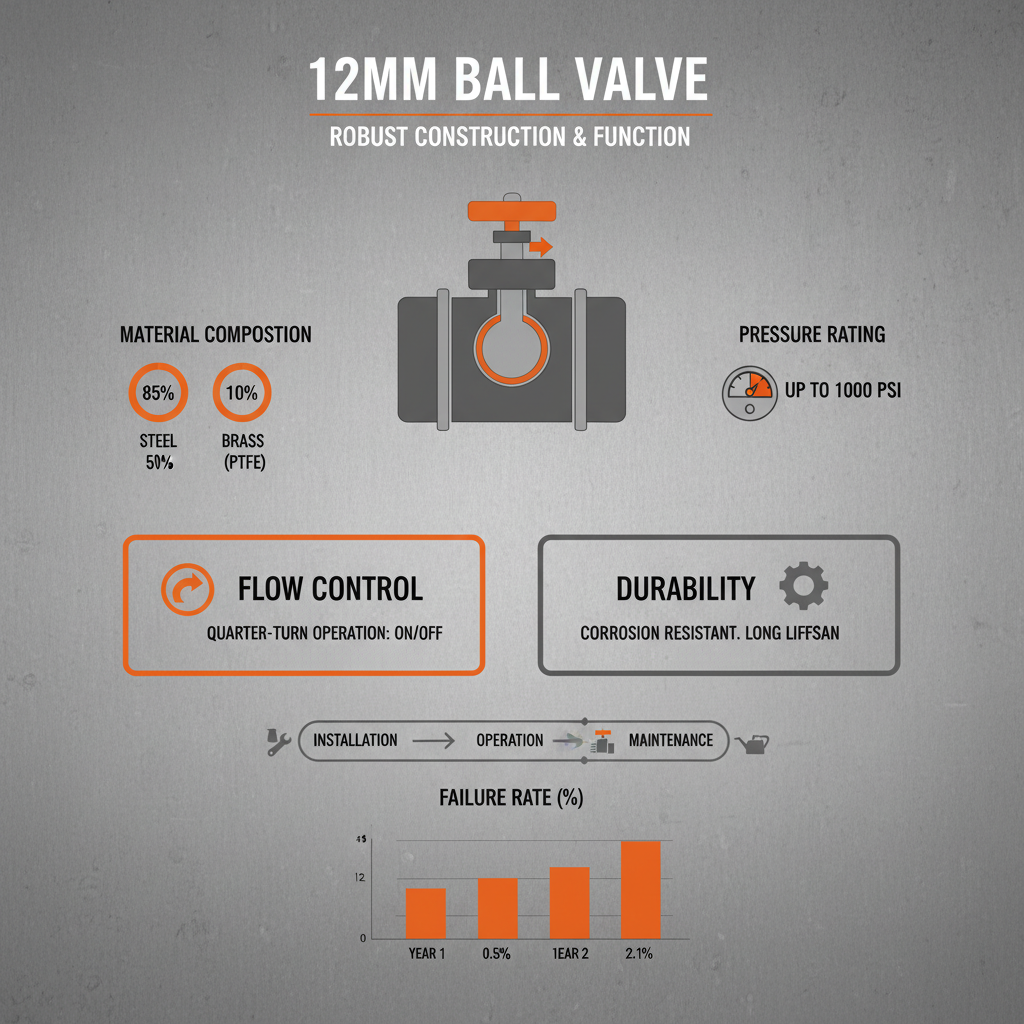
- Two-Piece Ball Valves: Simple design, economical, suitable for on/off applications.
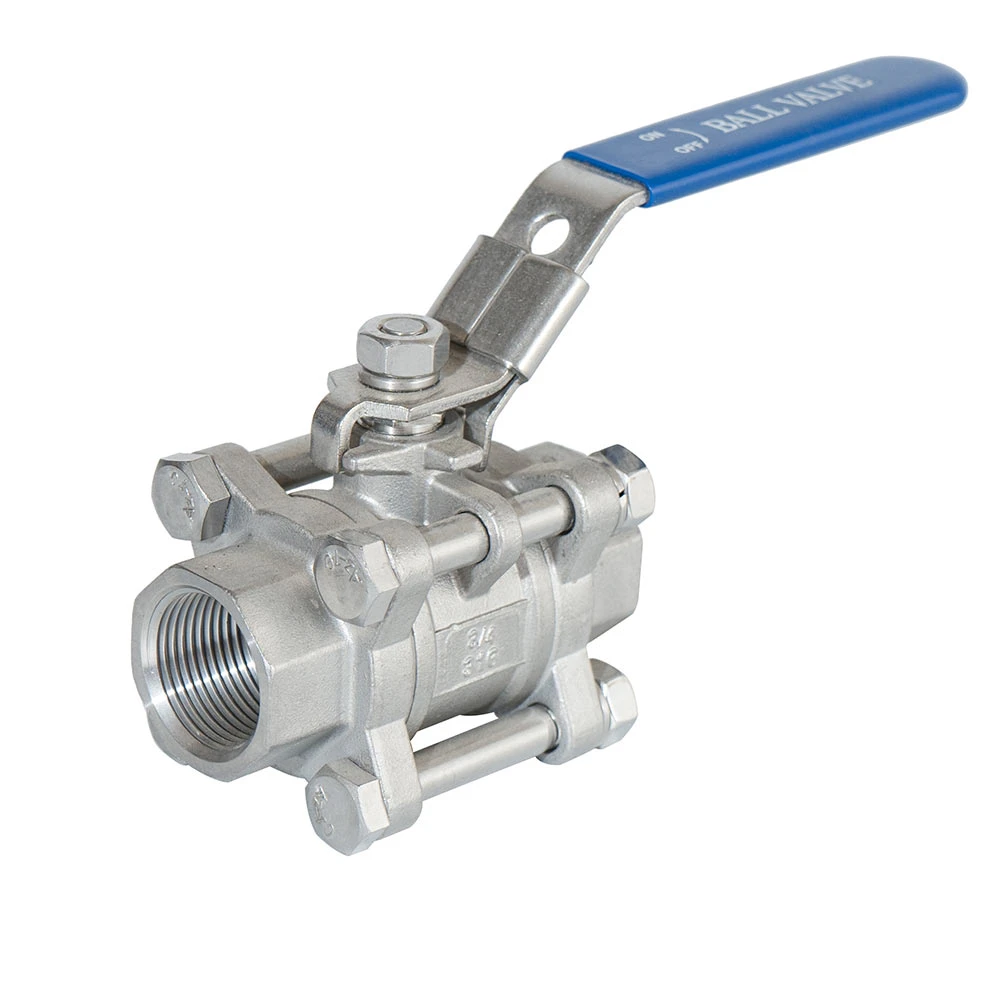
- Three-Piece Ball Valves: Easier to maintain, allowing for in-line repair without removing the valve from the piping.
- Full Port Ball Valves: The bore of the valve matches the pipe diameter, minimizing pressure drop.
- Reduced Port Ball Valves: Have a smaller bore than the pipe diameter, creating some pressure drop but often more cost-effective.
Selecting the Right 12mm Ball Valve: Key Considerations
Choosing the appropriate 12mm ball valve requires careful consideration of several factors. These include the fluid type, temperature, pressure, and the specific application requirements. Ensure the valve’s material is compatible with the fluid to prevent corrosion and ensure longevity. Verify the pressure rating exceeds the maximum system pressure. Consider the ease of maintenance and repair when selecting between two-piece and three-piece designs. For optimal performance and reliability, it's always best to source your 12mm ball valves from a reputable manufacturer like HoudeValve.
Conclusion: The Importance of Choosing the Right Valve
Selecting the correct 12mm ball valve is paramount for efficient and reliable fluid control. By considering the factors discussed in this article – material, type, and application – you can ensure optimal performance and longevity in your systems. Investing in quality valves from a trusted supplier like HoudeValve is a step towards ensuring safe and efficient operation.
Frequently Asked Questions (FAQs)
What is the typical lifespan of a 12mm ball valve?
The lifespan of a 12mm ball valve varies depending on several factors, including the material of construction, the fluid being handled, the operating temperature and pressure, and the frequency of use. Generally, a well-maintained brass ball valve can last for 5-10 years, while stainless steel valves can last considerably longer, potentially 20 years or more. Regular inspection for leaks, corrosion, or wear and tear is essential. Replacing the valve proactively if any issues are detected will prevent system failures.
How do I determine the correct pressure rating for a 12mm ball valve?
The pressure rating of the ball valve must exceed the maximum operating pressure of your system. Always factor in potential pressure surges or spikes. Check the specifications of your piping and equipment to determine the highest pressure they will experience. Select a valve with a pressure rating that provides a sufficient safety margin – at least 20% higher than the maximum operating pressure is recommended. The valve's pressure rating is typically stamped or embossed on the valve body.
Can a 12mm ball valve be used with different types of fluids?
Yes, but material compatibility is crucial. Brass valves are suitable for water, air, and gas. Stainless steel valves are better suited for corrosive fluids, chemicals, and high-temperature applications. PVC valves are generally used for low-pressure water and irrigation systems. Always check the valve's specifications to ensure it's compatible with the fluid you intend to use. Using an incompatible valve can lead to corrosion, leaks, and premature failure.
What is the difference between a full port and a reduced port 12mm ball valve?
A full port 12mm ball valve has an internal diameter that is equal to the pipe's inner diameter, allowing for unrestricted flow and minimal pressure drop. A reduced port valve has a smaller internal diameter, creating some restriction to flow and a corresponding pressure drop. Full port valves are preferred when maintaining flow rate is critical, while reduced port valves may be suitable for applications where some pressure loss is acceptable and cost is a concern.