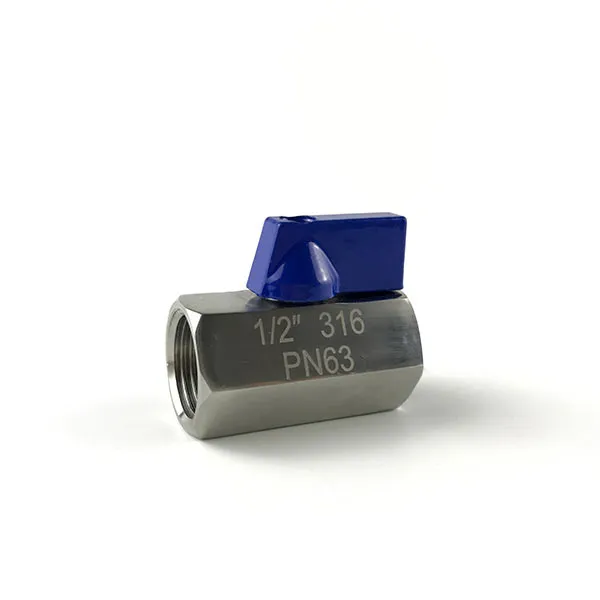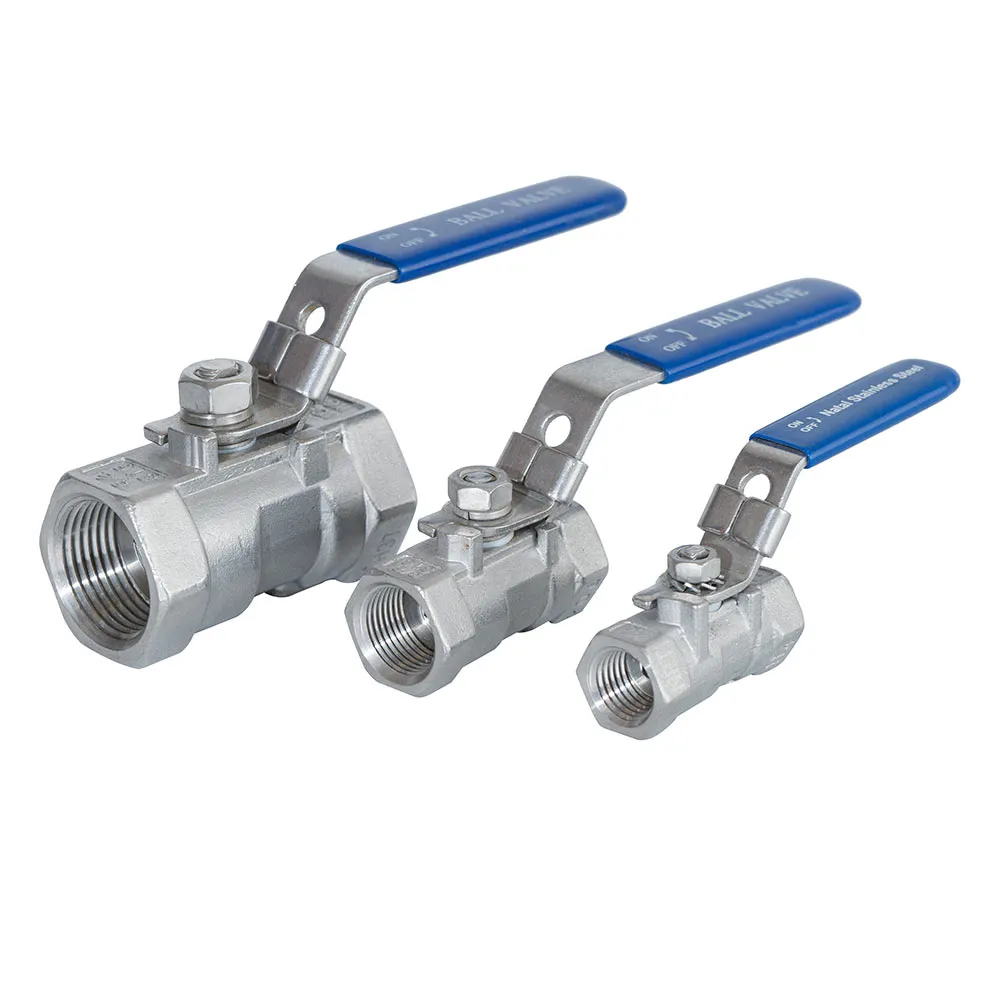
Understanding 12V Ball Valves: A Comprehensive Guide
When managing fluid flow in various industrial and commercial applications, a reliable valve is crucial. 12V ball valves offer a robust and efficient solution for on/off control. This article delves into the features, applications, benefits, and key considerations when choosing a 12V ball valve. We will explore how these valves operate and why they are a popular choice for automation and remote control systems.
What is a 12V Ball Valve?
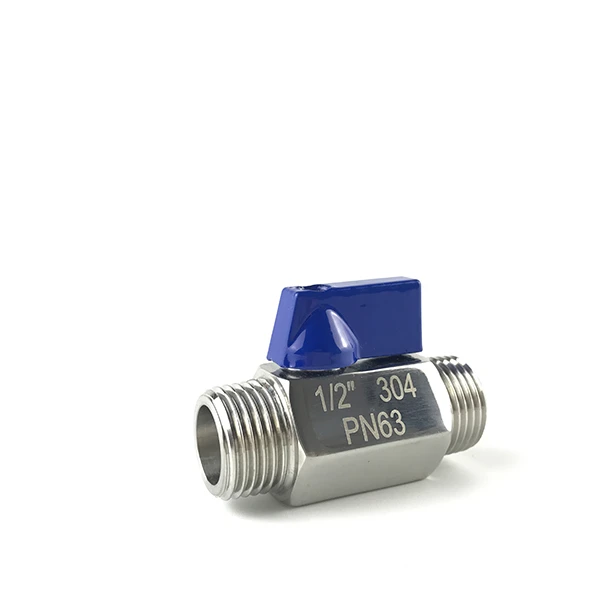
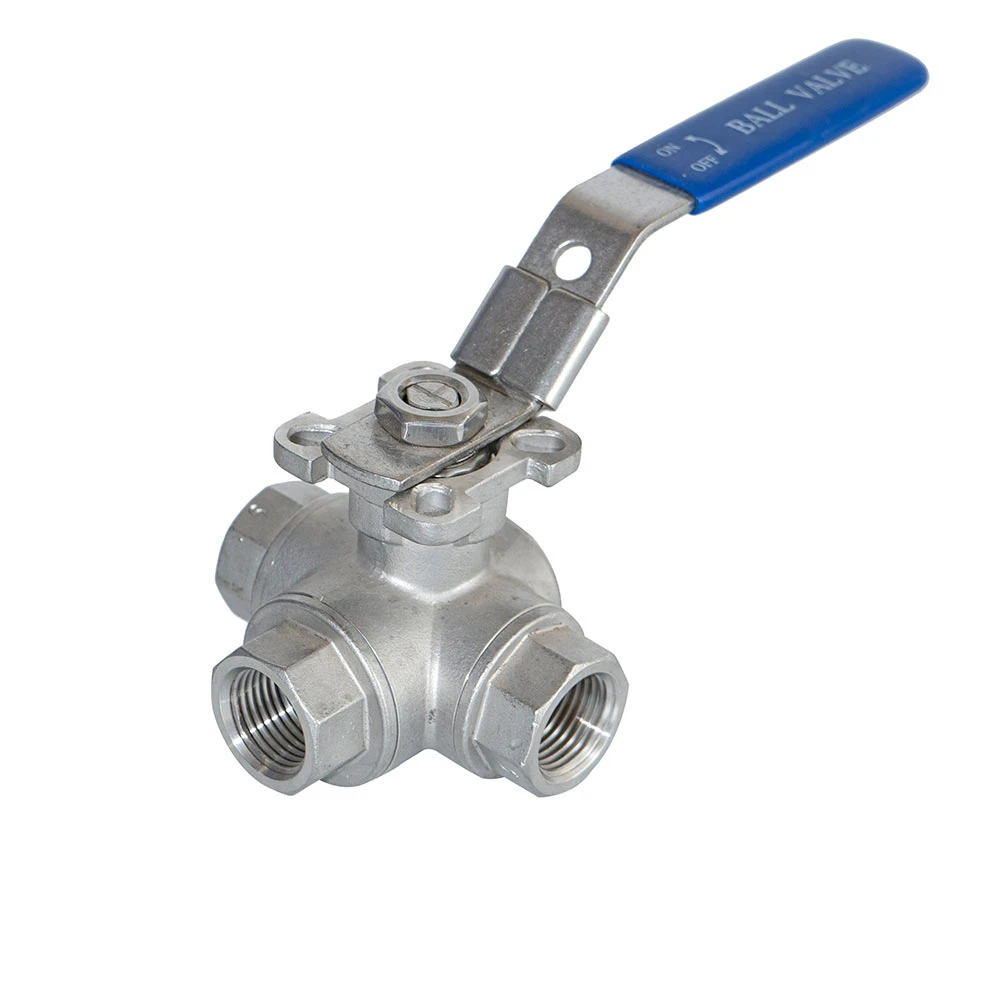
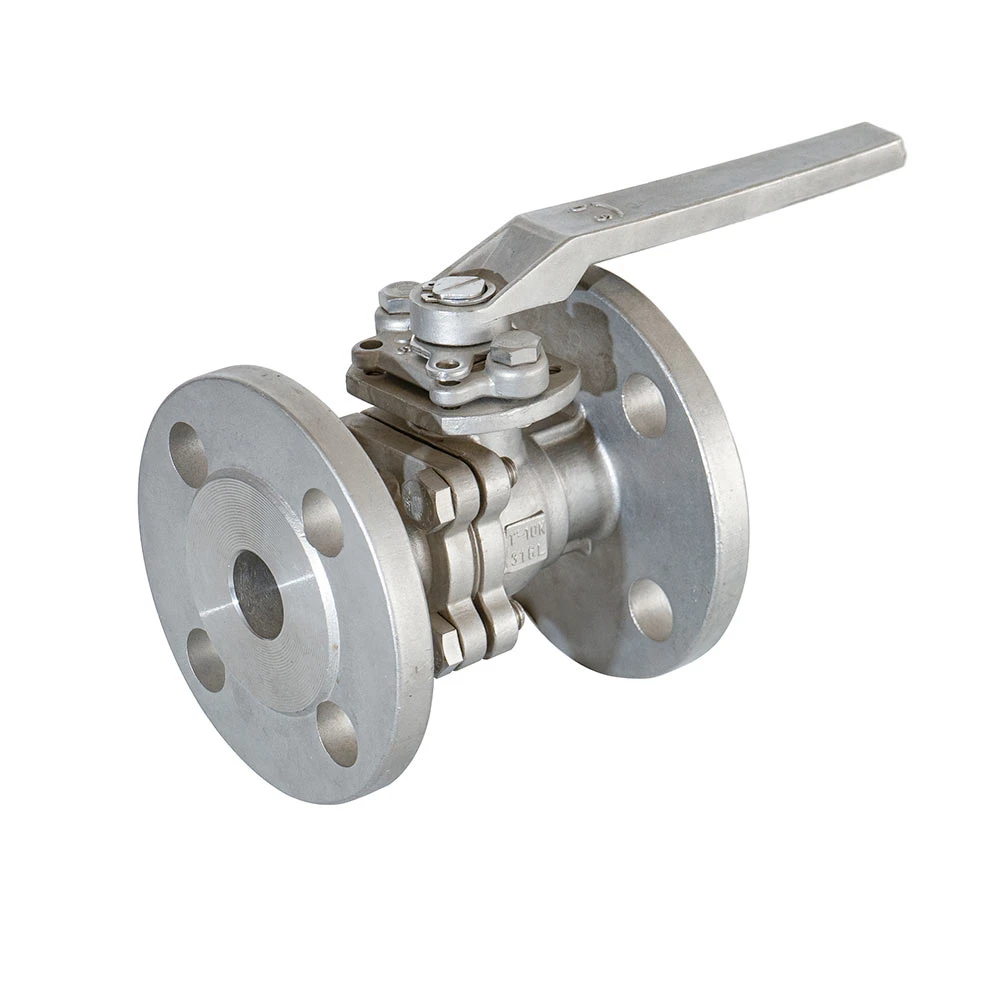
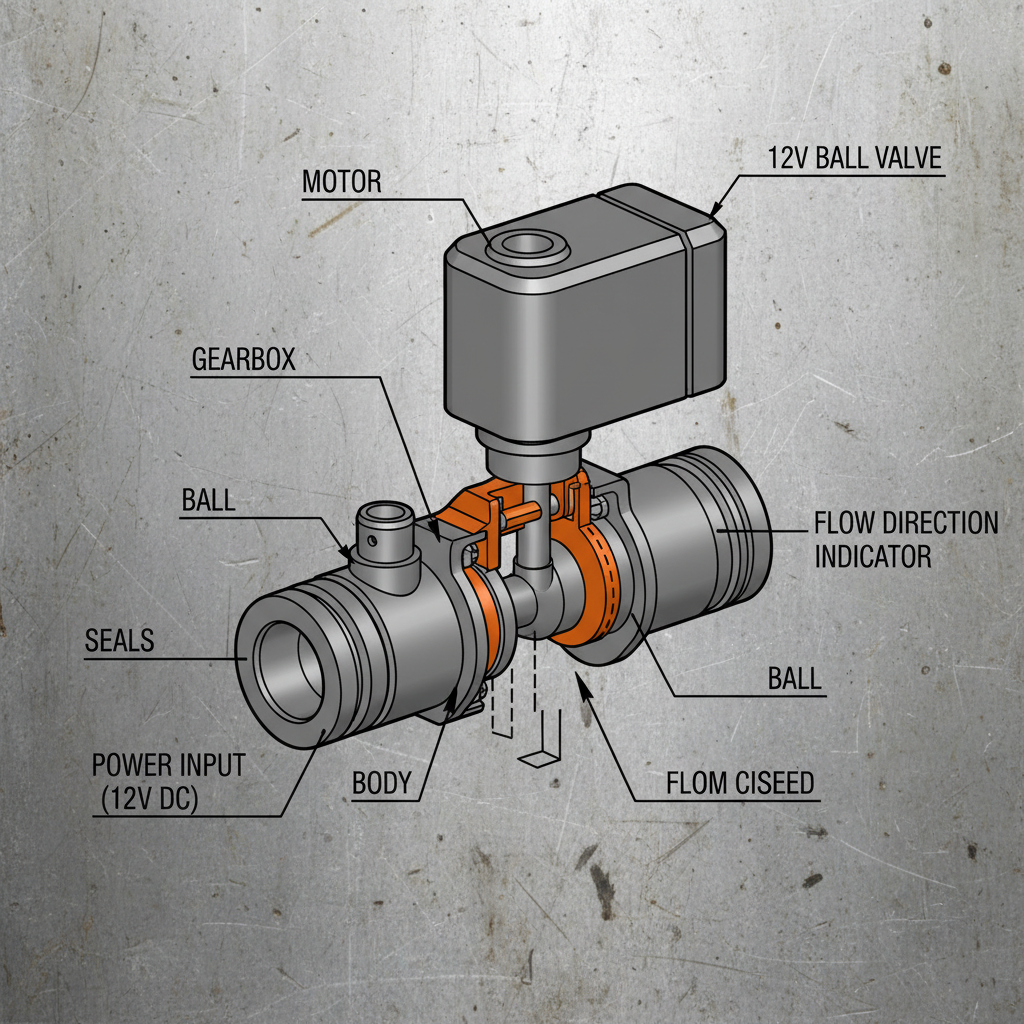
A 12V ball valve is a type of quarter-turn valve that utilizes a ball with a bore through the center to control the flow of liquids or gases. The “12V” designation signifies that the valve is operated by a 12-volt direct current (DC) electrical signal. This allows for remote operation and integration with automated control systems. Unlike manual ball valves, a 12V ball valve uses an electric actuator to rotate the ball 90 degrees between fully open and fully closed positions. This makes them ideal for applications requiring precise and reliable flow control without manual intervention. Houde Valve specializes in providing high-quality 12V ball valves for diverse industrial needs.
Key Highlights: 12V ball valves offer remote operation, precise flow control, and reliable performance in automated systems.
Common Applications of 12V Ball Valves
The versatility of 12V ball valves makes them suitable for a broad spectrum of applications. These include: water treatment systems, irrigation systems, marine applications, automotive systems (e.g., coolant control), fuel systems, chemical processing, and pneumatic control systems. Their ability to quickly and reliably shut off flow makes them essential in safety-critical applications. Furthermore, their compatibility with automation systems simplifies integration into complex processes. Because of their ability to be controlled remotely, they are perfect for difficult to reach locations.
Application Areas:
• Water Treatment
• Irrigation Systems
• Marine Applications
• Automotive Systems
12V Ball Valve vs. Other Valve Types
When selecting a valve, understanding the differences between various types is crucial. Compared to gate valves, ball valves offer quicker operation and tighter shut-off. Compared to butterfly valves, ball valves typically provide more precise flow control and are better suited for applications requiring frequent cycling. Compared to solenoid valves, 12V ball valves often handle higher flow rates and pressures. Here’s a comparative overview:
Key Considerations When Choosing a 12V Ball Valve
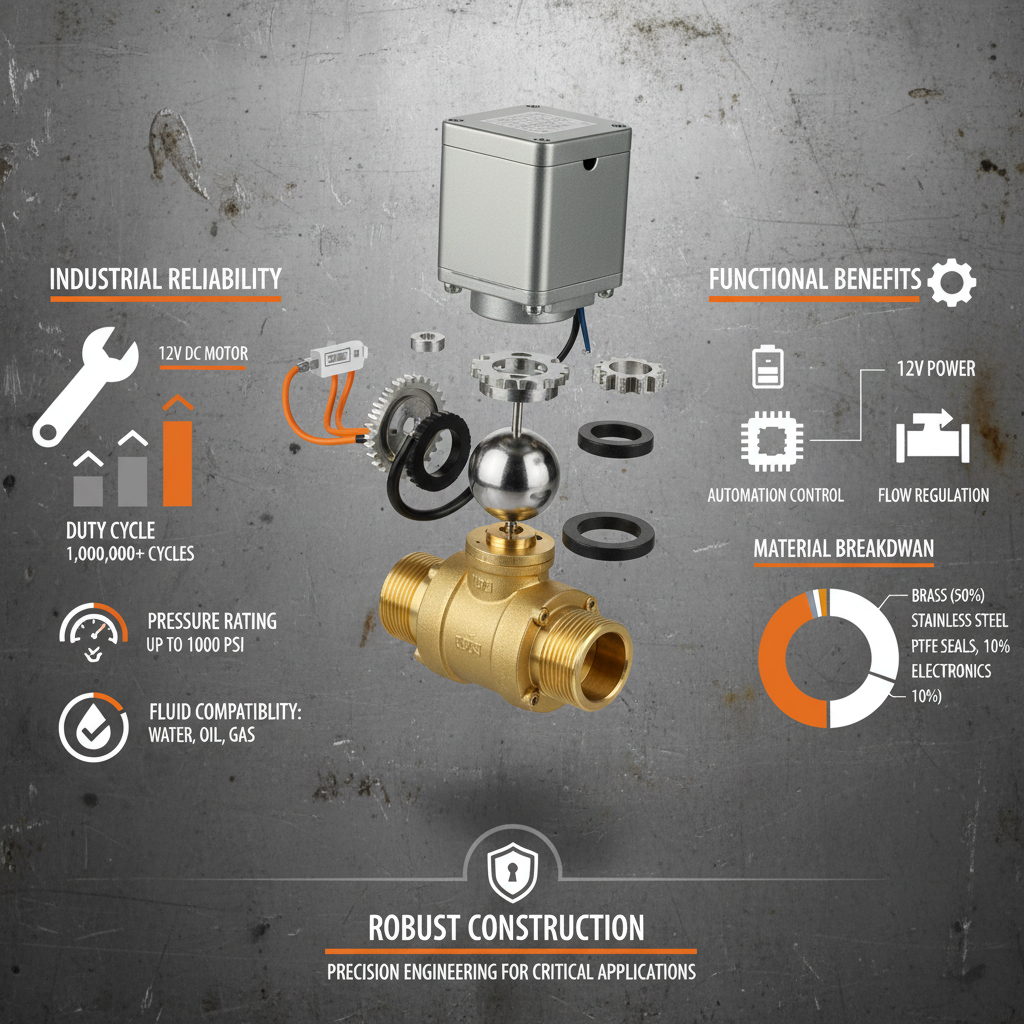
Selecting the right 12V ball valve requires careful consideration of several factors. First, the material of construction must be compatible with the fluid being handled. Common materials include brass, stainless steel, and PVC. Second, the size and pressure rating should align with the system’s requirements. Third, the actuator's voltage and current draw must be compatible with the power supply. Finally, consider the valve’s wiring configuration and control signals to ensure seamless integration with the automation system. Consulting with a valve specialist can help ensure you choose the optimal valve for your specific application.
Maintaining and Troubleshooting 12V Ball Valves
Regular maintenance is crucial for ensuring the longevity and reliability of 12V ball valves. Periodically inspect the valve body for leaks or corrosion. Check the actuator's wiring and connections for damage. Lubricate the ball and stem as needed to ensure smooth operation. If the valve fails to operate, check the power supply, wiring, and actuator. If the issue persists, consult a qualified technician. Proper maintenance and timely troubleshooting can prevent costly downtime and ensure continued safe and efficient operation.
Conclusion: Choosing the Right 12V Ball Valve
Investing in a high-quality 12V ball valve from a reputable manufacturer like Houde Valve ensures reliable performance, efficient flow control, and long-term cost savings. By carefully considering your application requirements and following proper maintenance procedures, you can maximize the benefits of this versatile valve technology.
Frequently Asked Questions (FAQs)
What is the typical lifespan of a 12V ball valve?
The lifespan of a 12V ball valve depends on factors like usage frequency, the fluid it handles, and environmental conditions. Generally, with proper maintenance, a 12V ball valve can last for 5-10 years or more. Regular inspection for leaks, corrosion, and actuator functionality is essential. Higher-quality valves constructed from corrosion-resistant materials will typically have a longer lifespan.
What are the common materials used in 12V ball valve construction?
Common materials include brass (for general-purpose applications), stainless steel (for corrosive environments and higher pressures), and PVC (for lower-pressure applications handling non-aggressive fluids). The choice of material depends on the fluid compatibility and operating conditions. Stainless steel offers excellent corrosion resistance but is more expensive than brass or PVC.
How do I troubleshoot a 12V ball valve that is not opening or closing?
First, check the power supply to the actuator. Ensure the correct voltage is being supplied. Next, inspect the wiring connections for any loose or damaged wires. If the power supply and wiring are good, test the actuator itself. If the actuator is faulty, it will need to be replaced. Also, check for any obstructions preventing the ball from rotating.
What safety precautions should I take when working with 12V ball valves?
Always disconnect the power supply before working on the valve or its wiring. Wear appropriate personal protective equipment (PPE), such as gloves and eye protection. If handling hazardous fluids, take extra precautions to prevent spills or exposure. Ensure the system is depressurized before dismantling the valve for maintenance or repair.