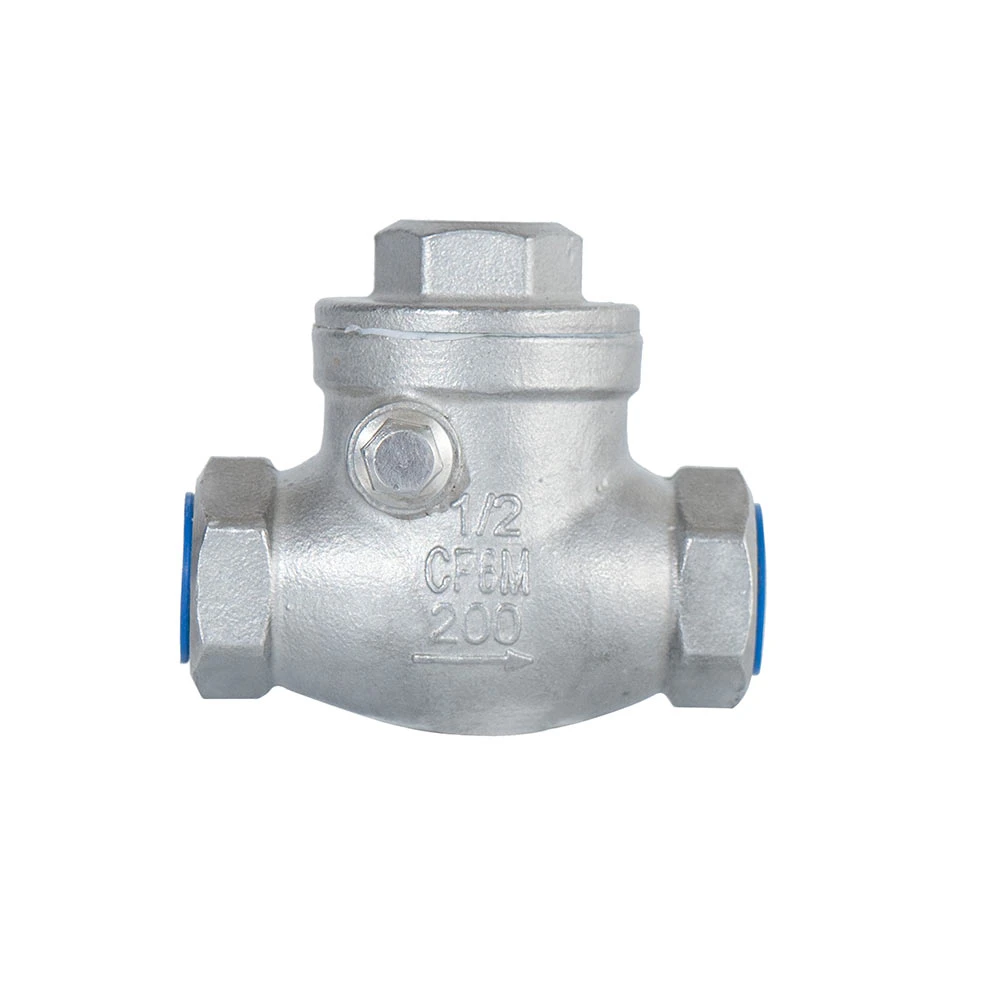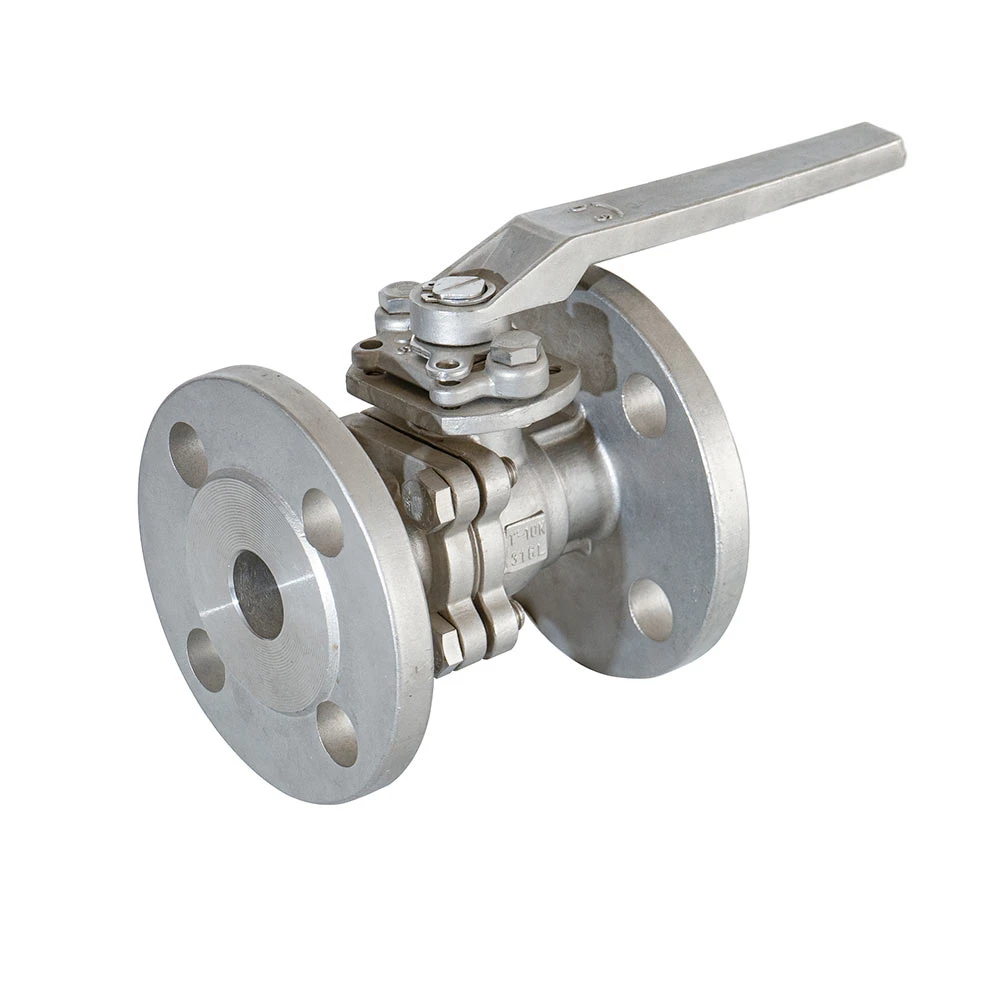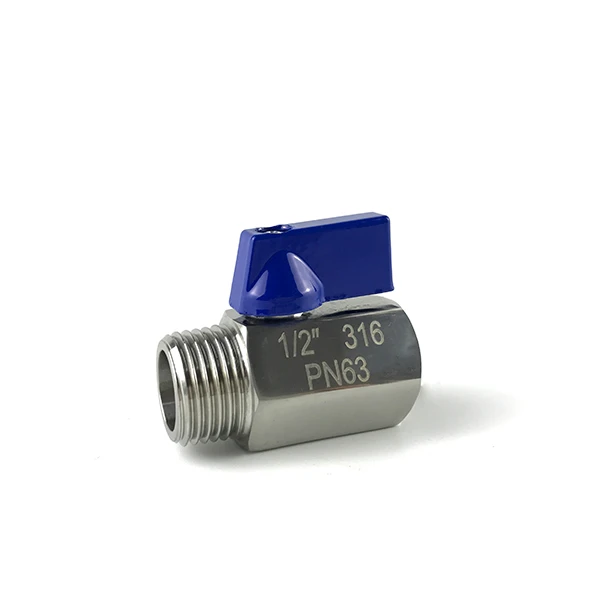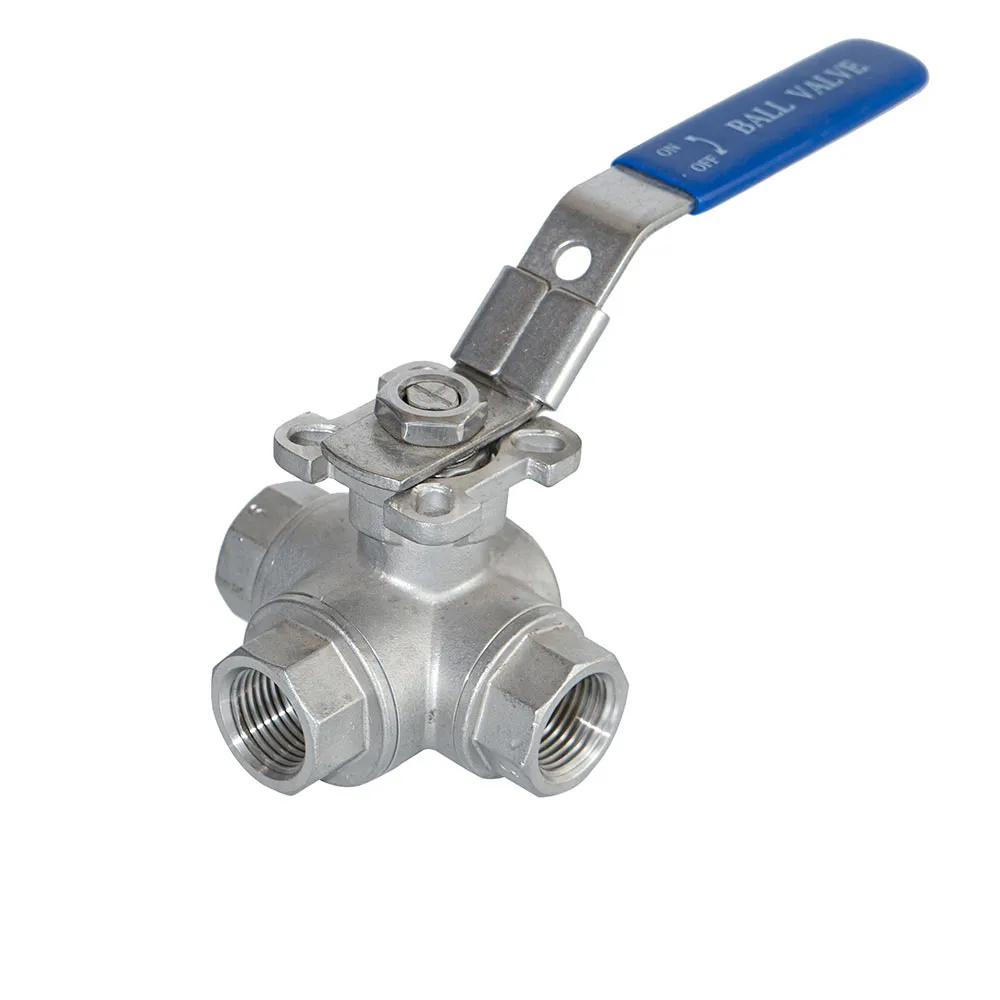
Understanding the 2 Pipe Strainer: A Small Device With Big Impact
At first glance, the 2 pipe strainer might sound like a niche industrial component. But when you zoom out, this humble device plays a surprisingly crucial role across many sectors worldwide — from manufacturing plants to water treatment facilities and HVAC systems. Strainers like these help prevent blockages, maintain flow efficiency, and protect expensive equipment downstream. With global supply chains growing ever more complex and industries demanding higher uptime, understanding the ins and outs of 2 pipe strainers isn’t just technical jargon — it’s a key enabler of modern efficiency and safety.
Introduction: Why the 2 Pipe Strainer Matters Globally
To put it in context, global industrial water use alone accounts for about 20% of all freshwater withdrawal (UN Water, 2021), and protecting pipelines and machinery from debris is a universal concern. The World Bank estimates that inefficient filtration and poor maintenance contribute to billions in lost productivity annually. The 2 pipe strainer addresses this head-on by ensuring solids and particulate matter are effectively removed from flowing media, helping plants operate smoother and safer. Put another way: these devices protect millions in assets and help avoid costly downtime everywhere from South America steel mills to Southeast Asian power plants.
What Is a 2 Pipe Strainer?
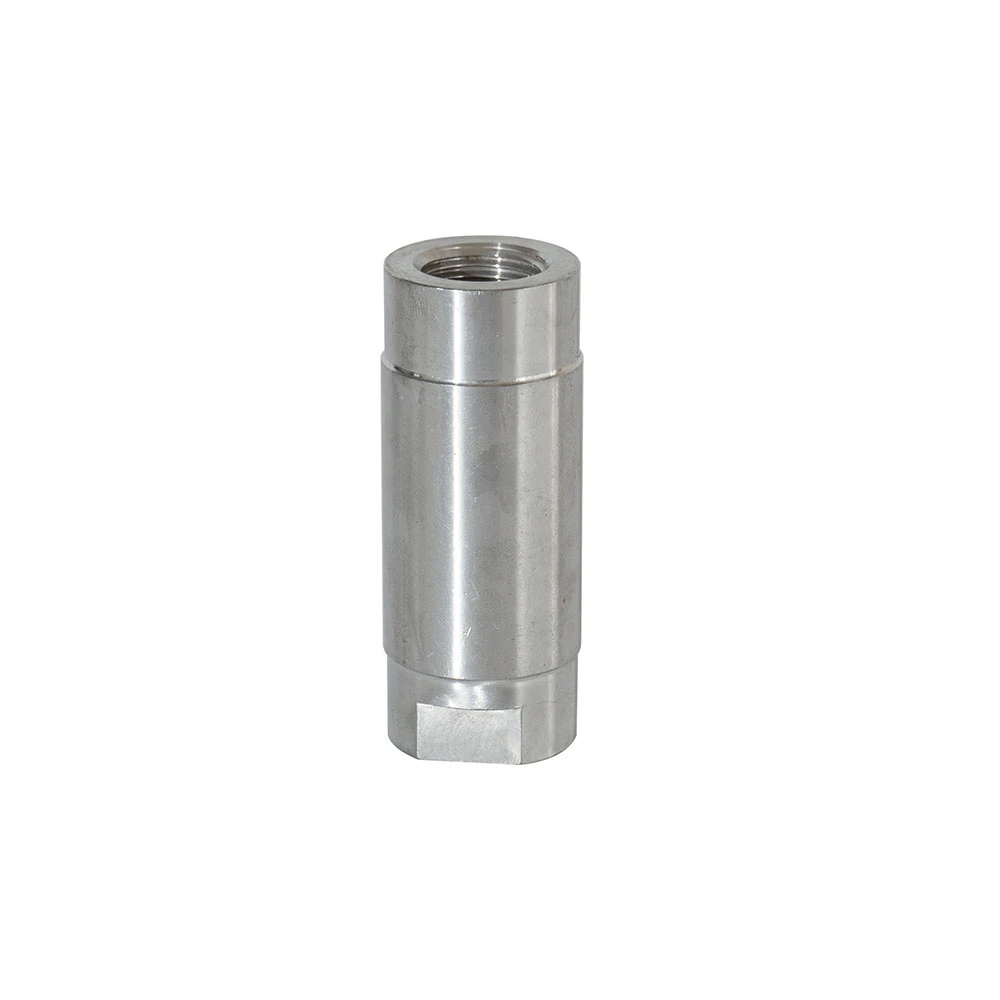
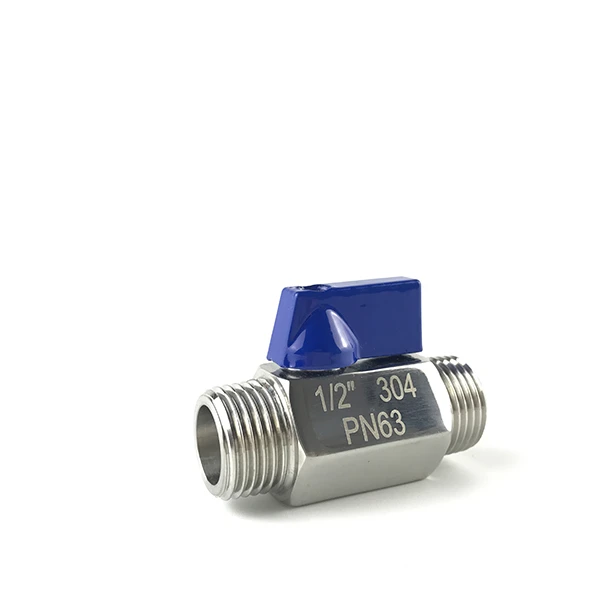
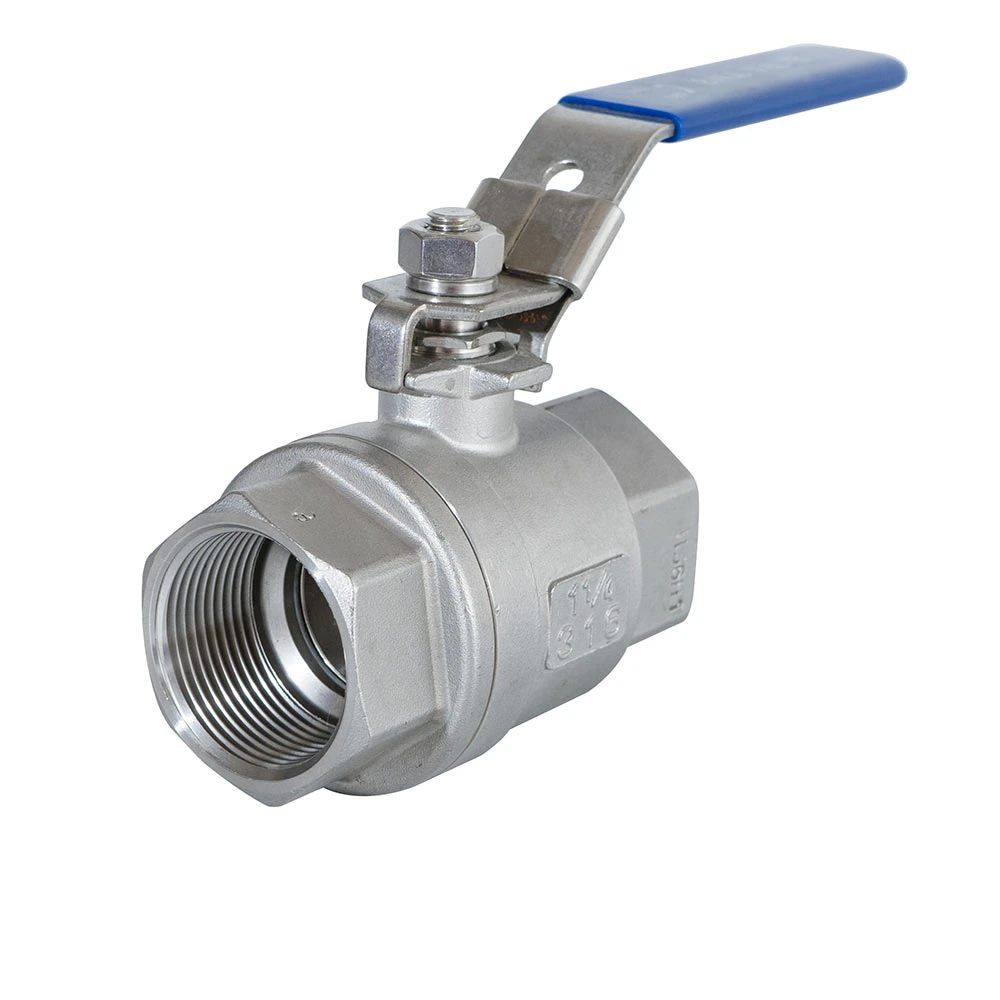
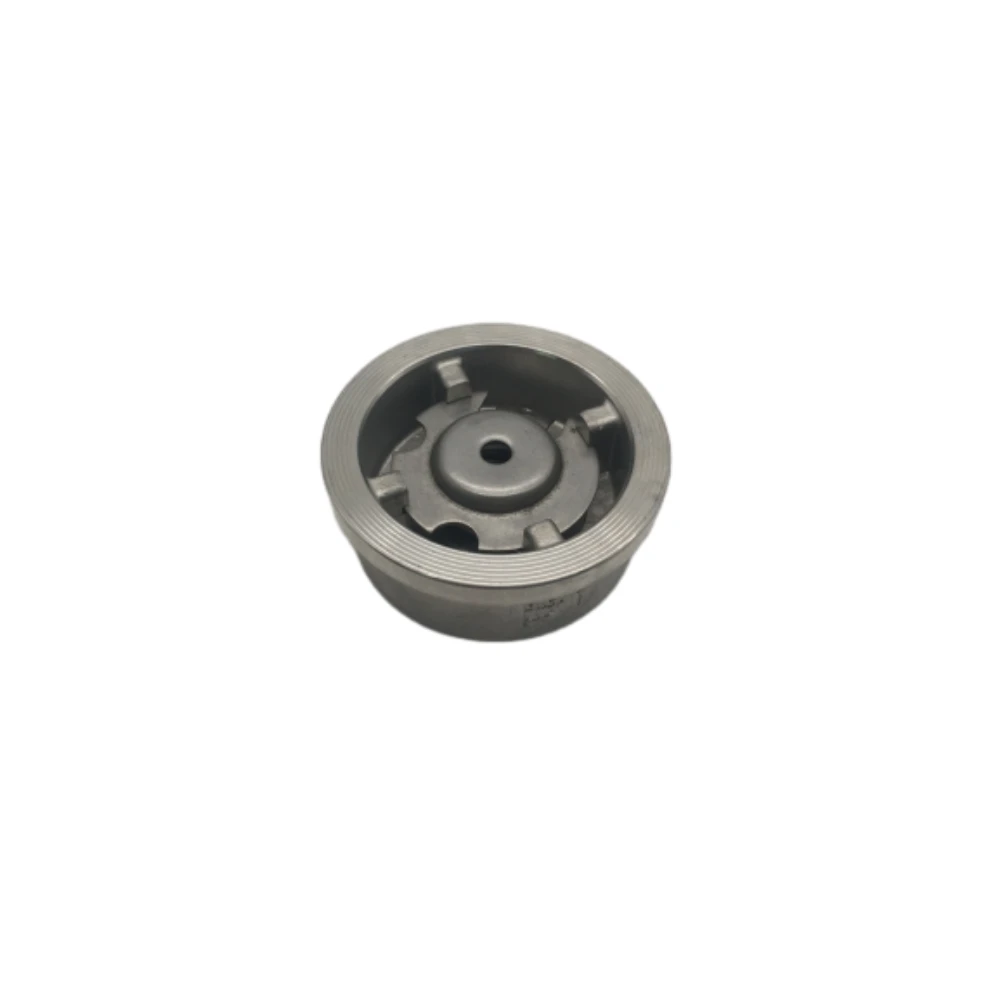
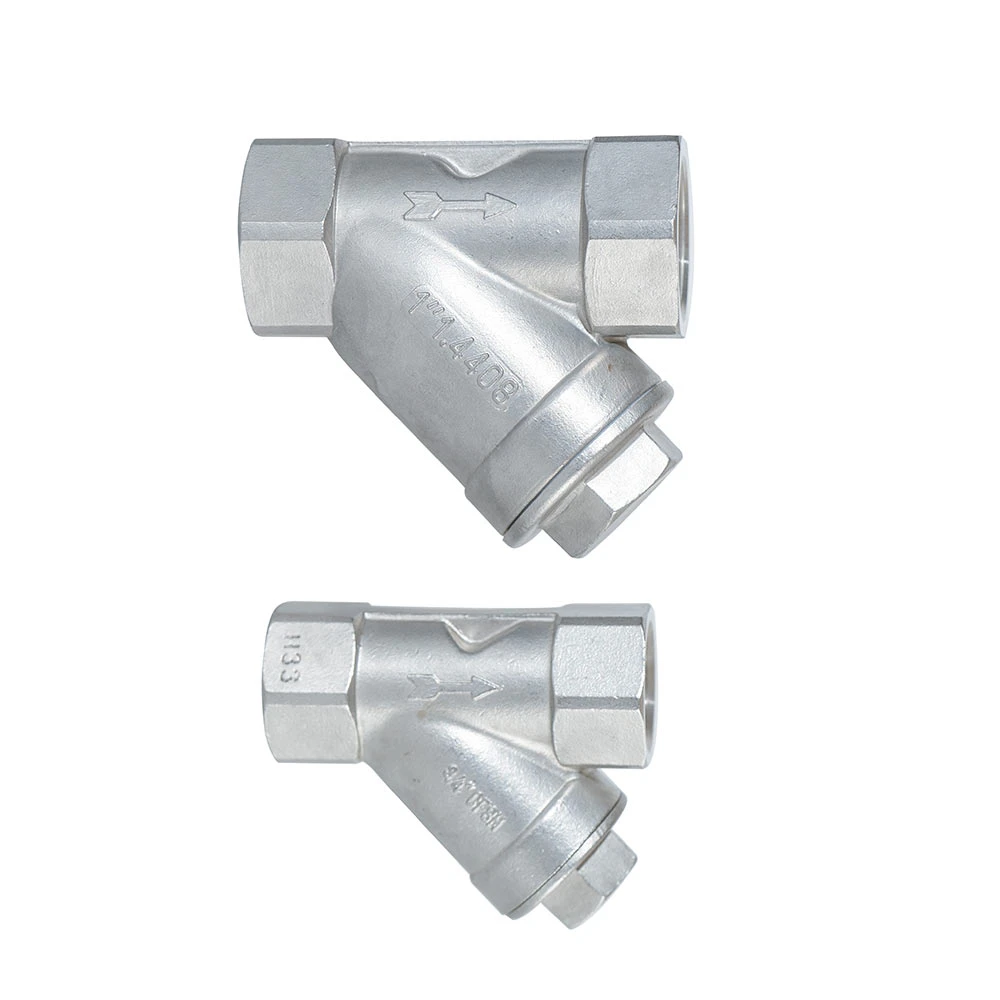
In simple terms, a 2 pipe strainer is a filtration device installed in pipeline systems with two connection points (inlet and outlet). Its job? To catch unwanted particles like sand, rust, or scale as fluids pass through. This protects sensitive downstream equipment — pumps, valves, heat exchangers — from damage and wear. Though straightforward, their design and sizing can be complex, depending on flow rates, fluid types, and the particles’ nature.
Strainers aren’t just about industry: they're also vital for ensuring clean water delivery or safe chemical processing, which tie into broader humanitarian and environmental needs. For example, well-maintained strainers help keep drinking water clean and reliable in communities vulnerable to contamination.
Key Factors and Core Components of 2 Pipe Strainers
- Build Material: Typically stainless steel, carbon steel, or cast iron — chosen for corrosion resistance and durability.
- Mesh Size: Determines particle size filtered; must balance contaminant removal with minimal flow restriction.
- Pressure Rating: Essential for matching strainers with pipeline operating pressures up to hundreds of PSI.
- Ease of Maintenance: Some designs allow quick cleaning or element replacement to reduce downtime.
- Connection Type: Flanged, threaded, or welded ends depending on system compatibility.
These aspects influence not just functionality but also the total cost of ownership of a 2 pipe strainer, whether used in a petrochemical refinery or a remote irrigation system.
Typical Product Specifications
| Specification | Details |
|---|---|
| Material | 304 Stainless Steel / Carbon Steel |
| Connection | ANSI Flanged 2"-12" |
| Mesh Size Range | 10 - 1000 Microns |
| Operating Pressure | 150 - 300 PSI |
| Temperature Range | -20°C to 250°C |
Global Applications & Use Cases
Oddly enough, despite their small size, 2 pipe strainers have a worldwide footprint in a variety of industries:
- Water Treatment: Removing sediment before water enters pumps and filtration plants.
- Oil & Gas: Filtering out debris and rust fragments to protect turbines and compressors.
- HVAC Systems: Ensuring clean circulating water in chilled water systems for large commercial buildings.
- Agriculture: Preventing clogging in irrigation pipelines, particularly in semi-arid regions like parts of Africa and India.
- Post-Disaster Relief: Portable filtration units with 2 pipe strainers help deliver safe water in emergency settings.
For instance, in remote industrial zones in Canada’s oil sands, high-efficiency strainers maintain uninterrupted fluid flow despite abrasive particles. Similarly, municipal water authorities in Europe rely on these devices to comply with ISO 9001 quality standards for pipeline safety and maintenance.
Advantages & Long-Term Value of 2 Pipe Strainers
Frankly, you might underestimate these strainers until a single component fails and stops production cold. Then the advantages become glaringly clear:
- Cost Savings: By preventing equipment damage and reducing maintenance, companies save big in repair costs and downtime.
- Sustainability: Prolonging equipment life means less waste and a smaller carbon footprint.
- Reliability: A consistent filtration solution that keeps operations smooth — essential in safety-critical environments.
- Social Impact: Clean water access and safer industrial processes contribute to community welfare and worker safety.
Interestingly, many operations managers say their investment in quality strainers “pays for itself within one year” due to these savings and risk reductions.
Vendor Comparison Table: Popular 2 Pipe Strainer Suppliers
| Vendor | Product Range | Lead Time | Price Range | Certifications |
|---|---|---|---|---|
| Houde Valve | Customizable sizes, stainless steel, carbon steel | 2-4 weeks | $$$ | ISO 9001, CE |
| Global Strainers Inc. | Standard models, low to mid pressure | 1-3 weeks | $$ | ISO 14001 |
| Prime Filtration Co. | High pressure, exotic materials | 3-5 weeks | $$$$ | ASME, PED |
Future Trends & Innovations in 2 Pipe Strainers
In real terms, the future is looking both greener and smarter. We’re seeing advances in materials science producing more corrosion- and wear-resistant alloys, meaning strainers last longer under harsher conditions. Digital transformation has not missed this field: sensors integrated inside strainers can now monitor blockage levels in real time, triggering alerts before performance suffers. Automation is helping maintenance teams optimize cleaning cycles, reducing unnecessary downtime.
Interestingly, as greener energy solutions like biofuels and hydrogen rise, strainers are adapting to handle new types of fluids safely. Sustainability-driven policies worldwide encourage manufacturers to prioritize durable, recyclable components. So the humble 2 pipe strainer is evolving from a passive part to an intelligent device embedded within the Industrial Internet of Things (IIoT) ecosystem.
Challenges & Solutions When Working With 2 Pipe Strainers
Nothing is perfect though. Common challenges include:
- Clogging: Fine particulates can build up quickly in some systems.
- Incorrect Sizing: Too fine a mesh may restrict flow; too coarse misses contaminants.
- Material Degradation: Exposure to aggressive chemicals or extreme temps can shorten life.
The good news is manufacturers like Houde Valve provide expert guidance and customization for sizing and materials, reducing these issues. Advanced filter inserts and self-cleaning mechanisms also help mitigate clogging. And regular inspection protocols, sometimes aided by embedded sensors, keep strainers operating optimally.
FAQ: Frequently Asked Questions About 2 Pipe Strainers
- Q: How do I know if I need a 2 pipe strainer?
- A: If your pipeline carries fluids with suspended solids or debris, installing a 2 pipe strainer protects downstream equipment and reduces maintenance costs.
- Q: Can I clean the strainer without dismantling the pipeline?
- A: Certain models feature blow-off valves or backflushing options allowing cleaning without full disassembly, saving time and labor.
- Q: What materials are best for corrosive environments?
- A: Stainless steel (especially 316 grade) or specialized alloys resist corrosion better and extend durability in aggressive fluids.
- Q: How often should strainers be inspected?
- A: Depends on the system’s contamination level, but at least quarterly inspections are advisable, with more frequent checks for high-particle or critical services.
- Q: Are 2 pipe strainers compatible with automated monitoring?
- A: Yes, sensors can be integrated to detect pressure drops or blockage, facilitating predictive maintenance and reducing unplanned downtime.
Conclusion: Why the 2 Pipe Strainer Remains Essential
Ultimately, even the smallest parts make a big difference. The 2 pipe strainer quietly supports complex global industries and infrastructure, enhancing safety, reliability, and sustainability. As technologies advance and demands grow, investing in quality strainers pays off in operational stability and peace of mind.
If you’re looking to explore reliable 2 pipe strainers tailored to your needs, I recommend visiting Houde Valve — a trusted expert with proven experience and customizable options.
In a world where flow matters, don’t overlook the humble strainer. It really is the unsung guardian of pipelines.
Mini Takeaway: A well-chosen 2 pipe strainer is a cost-effective, sustainable investment that safeguards critical systems globally, from industrial plants to water networks.
References: