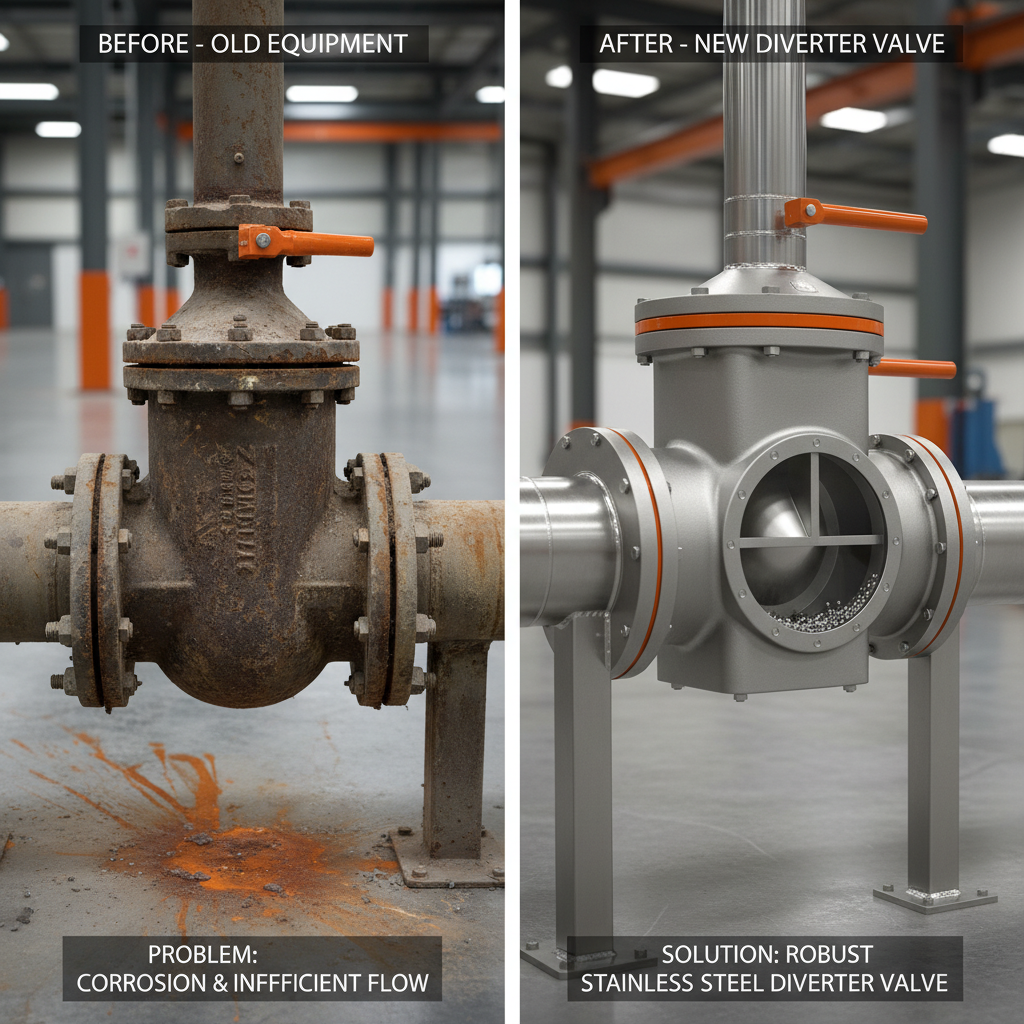
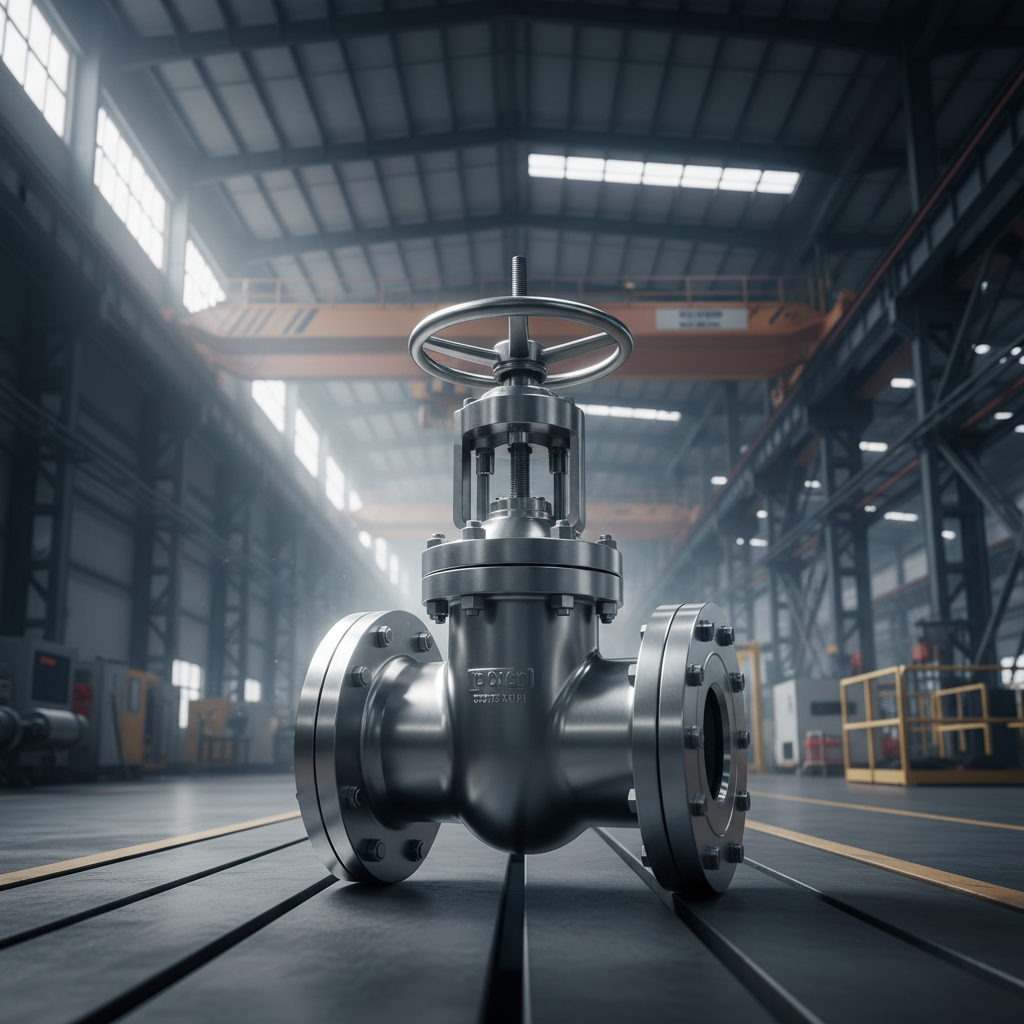
Stainless valves are integral components in a vast array of industries, from chemical processing and pharmaceuticals to food and beverage production and oil & gas. Their robust construction and resistance to corrosion make them indispensable for handling diverse fluids and gases, often in challenging environments. Understanding their properties, applications, and future trends is critical for engineers, procurement professionals, and anyone involved in fluid control systems.
Globally, the demand for stainless valves is driven by stringent safety regulations, increasing industrialization in emerging economies, and the need for reliable, long-lasting equipment. The worldwide valve market is projected to reach billions of dollars in the coming years, with stainless steel valves consistently representing a significant portion of that market share. This growth underscores their importance in maintaining efficient and secure operations across numerous sectors.
Stainless valves play a vital role in ensuring the safe and efficient transfer of critical materials. From providing potable water to communities to supporting complex industrial processes, these valves are often the silent guardians of public health and industrial productivity. Advancements in materials and manufacturing are constantly expanding their capabilities and applications, cementing their place as a cornerstone of modern infrastructure.
The Importance of Stainless Valves
Stainless valves are critical for ensuring the integrity and reliability of fluid handling systems in a wide variety of applications. Their unique ability to resist corrosion and maintain performance in harsh environments makes them superior to valves constructed from other materials in many scenarios. This leads to reduced maintenance costs, improved safety, and longer operational lifespans.
The selection of appropriate stainless valves is a crucial engineering decision. Factors such as the type of fluid, temperature, pressure, and regulatory requirements must be carefully considered to ensure optimal performance and prevent costly failures. Utilizing stainless valves from reputable manufacturers helps guarantee compliance and long-term reliability.
Defining Stainless Valves
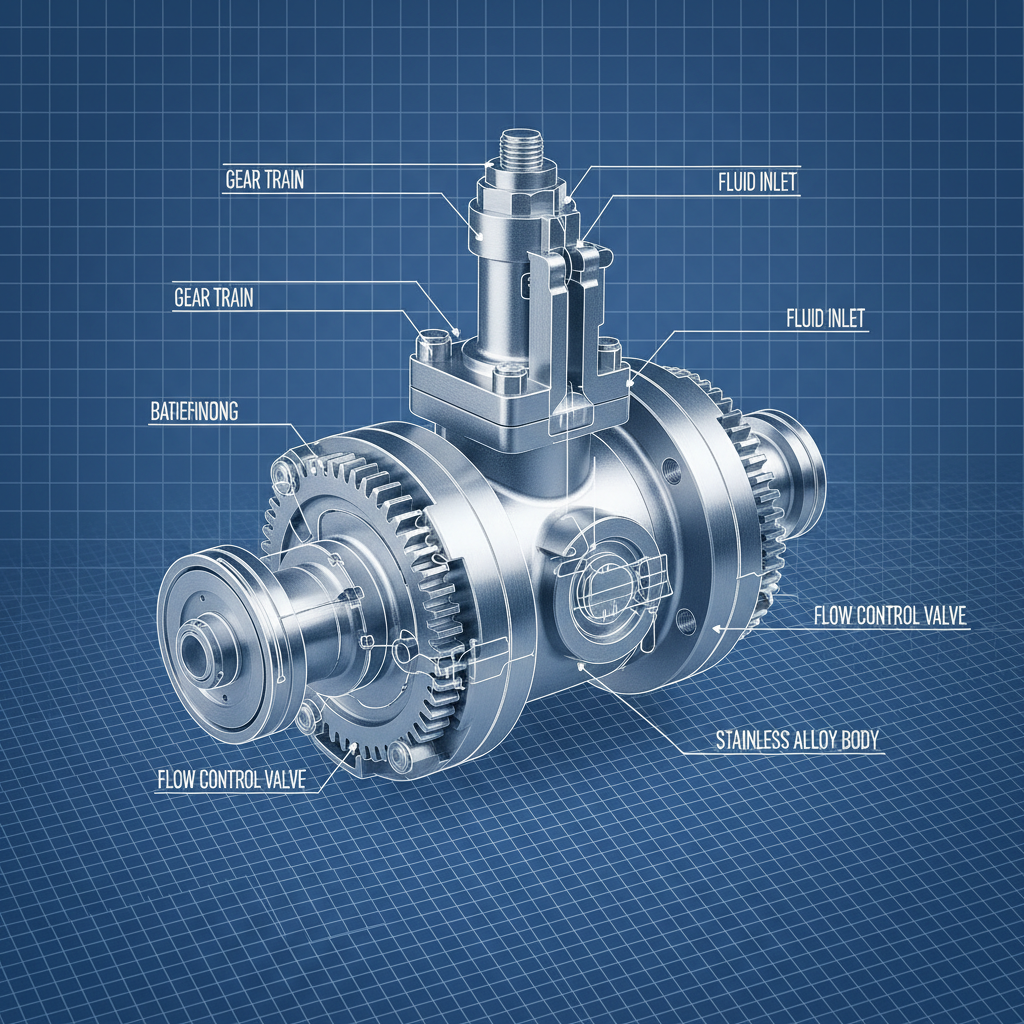
A stainless valve is a mechanical device used to control the flow of fluids – liquids, gases, or slurries – through a pipeline or system. What sets them apart is their construction from stainless steel alloys, offering exceptional resistance to corrosion, oxidation, and high temperatures. This resistance stems from the chromium content in the steel, which forms a passive protective layer on the surface.
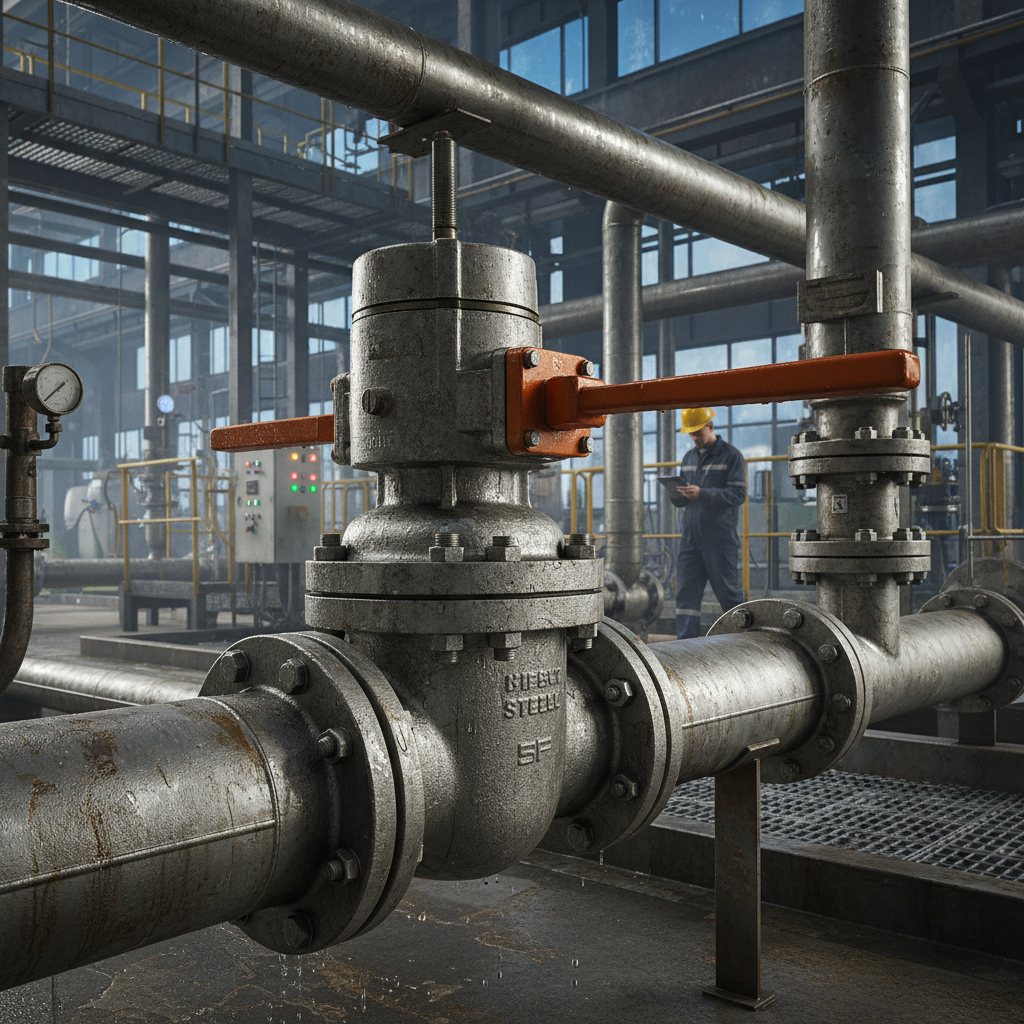
Stainless valves are fundamentally important to modern industrial processes and essential for public health and safety. They are used extensively in water treatment plants, pharmaceutical manufacturing, the food and beverage industry, chemical processing, and numerous other critical applications where maintaining purity and preventing contamination are paramount.
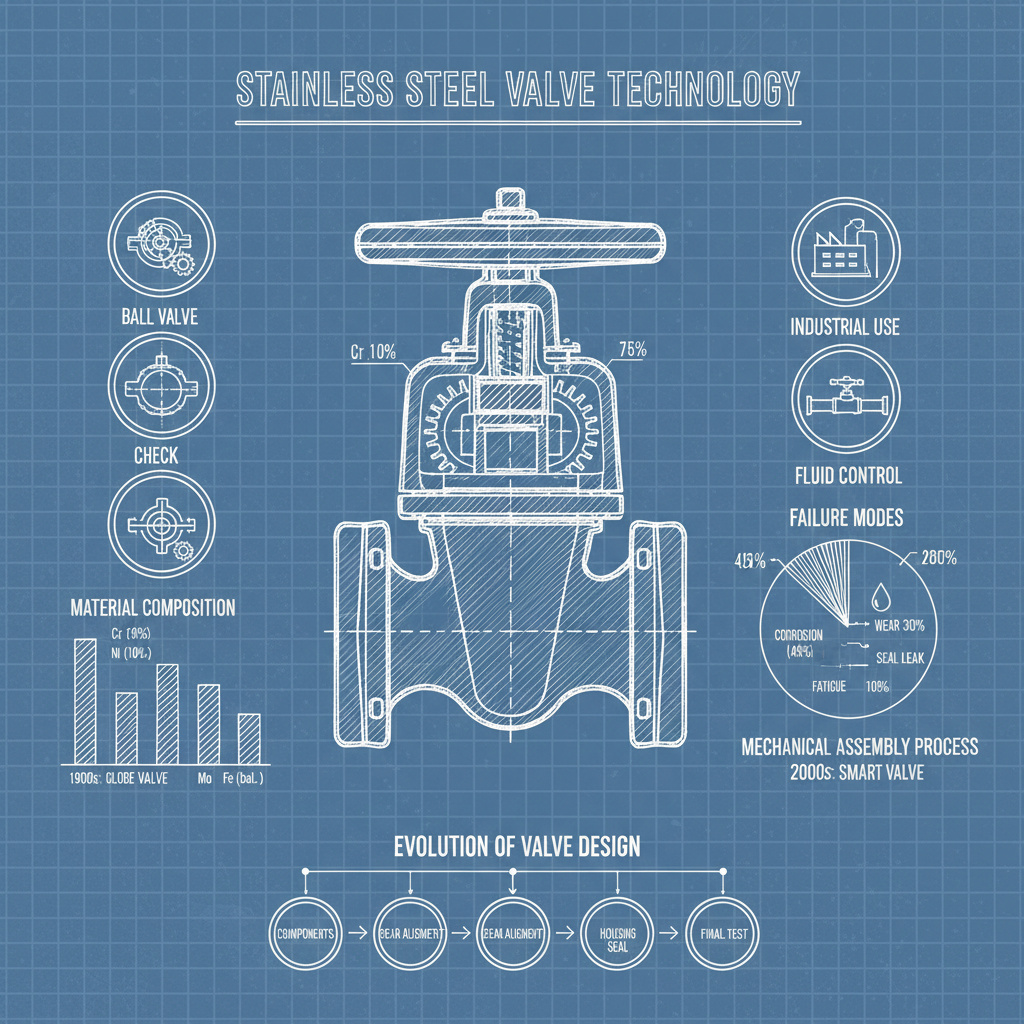
They come in a variety of designs – including ball valves, gate valves, globe valves, check valves, butterfly valves, and plug valves – each suited for specific applications and flow control requirements. Understanding these different types is key to selecting the optimal valve for a given situation.
Core Characteristics of Stainless Valves
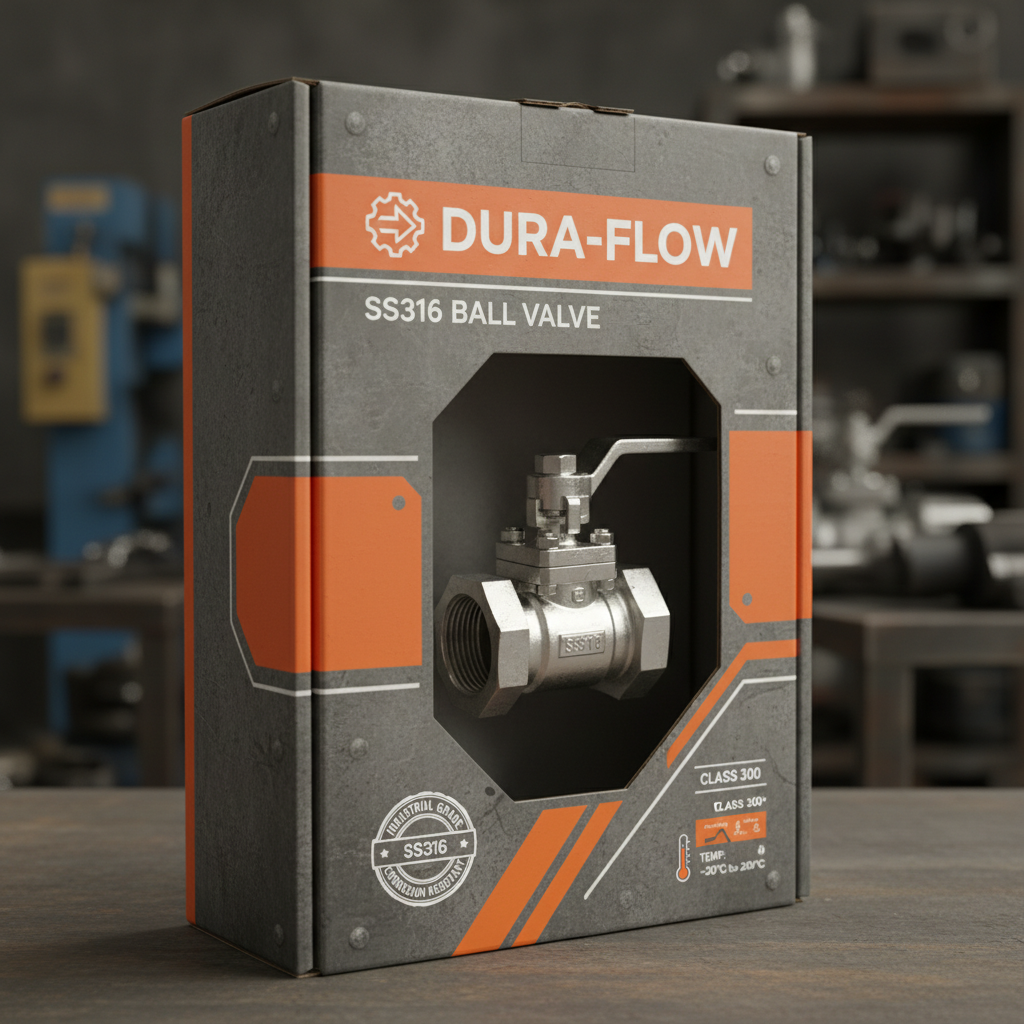
One of the most defining characteristics of stainless valves is their exceptional corrosion resistance. Different grades of stainless steel offer varying levels of protection, allowing for selection based on the specific fluid being handled. For example, 316 stainless steel offers superior resistance to chlorides, making it ideal for marine environments and chemical processing.
Durability is another key characteristic. Stainless steel’s inherent strength and resistance to wear and tear ensure a long service life, even in demanding applications. This reduces the frequency of replacements and minimizes downtime, resulting in significant cost savings over the long term. Properly maintained stainless valves can operate reliably for decades.
Stainless valves exhibit excellent temperature resistance, performing reliably across a wide range of operating temperatures. This makes them suitable for both high-temperature steam applications and cryogenic processes. The ability to maintain structural integrity and sealing performance at extreme temperatures is critical in many industrial settings.
Applications of Stainless Valves Across Industries
The food and beverage industry relies heavily on stainless valves to maintain hygiene and prevent contamination during processing. From dairy production to brewing, these valves ensure the purity and safety of the final product. Their ease of cleaning and sanitization is a significant advantage in these regulated environments.
In the pharmaceutical industry, stainless valves are crucial for handling sterile fluids and maintaining the integrity of drug manufacturing processes. Strict regulatory compliance demands the use of materials that are non-reactive and easy to validate. This is where the reliability of these valves truly shines.
Stainless Valve Performance by Application
Long-Term Benefits and Value Proposition
Investing in stainless valves translates to lower life-cycle costs. While the initial investment might be higher than for valves made from other materials, the reduced maintenance, repair, and replacement frequency significantly outweigh this cost over time. This makes them a financially prudent choice for long-term operations.
Beyond cost savings, stainless valves offer increased safety and environmental responsibility. Their resistance to leaks and failures minimizes the risk of hazardous spills and environmental contamination, contributing to a more sustainable and secure operating environment.
Future Trends in Stainless Valve Technology
The integration of smart technology into stainless valves is a growing trend. Smart valves equipped with sensors and communication capabilities provide real-time data on flow rates, pressure, temperature, and valve status. This data can be used for predictive maintenance, process optimization, and remote monitoring.
Advancements in additive manufacturing (3D printing) are opening up new possibilities for designing and producing complex stainless valve geometries. This allows for customized solutions tailored to specific applications, reducing material waste and improving performance.
Further research into new stainless steel alloys with enhanced corrosion resistance and higher strength is ongoing. These innovations will expand the range of applications for stainless valves and improve their performance in even the most demanding environments.
Overcoming Challenges in Stainless Valve Implementation
One common challenge is selecting the correct grade of stainless steel for a specific application. Incorrect material selection can lead to premature corrosion and failure. Thorough material compatibility testing and consultation with experienced engineers are essential.
Another challenge is the potential for galvanic corrosion when stainless steel is used in contact with dissimilar metals. Careful attention to material selection and the use of insulating materials can mitigate this risk.
Maintaining proper sealing is also critical. The selection of appropriate gaskets and seals, along with regular inspection and maintenance, is essential to prevent leaks and ensure reliable performance. Consider using specialized seals designed for high-temperature or corrosive environments.
Summary of Common Stainless Valve Challenges and Solutions
| Challenge |
Root Cause |
Solution |
Preventative Measure |
| Corrosion |
Incorrect material selection |
Upgrade to higher alloy stainless steel |
Perform material compatibility testing |
| Galvanic Corrosion |
Contact with dissimilar metals |
Use insulating materials |
Avoid direct contact between dissimilar metals |
| Leakage |
Worn or damaged seals |
Replace seals with compatible materials |
Implement a regular maintenance schedule |
| Valve Failure |
High Pressure |
Install a pressure relief valve. |
Check valve pressure rating. |
| Erosion |
Abrasive fluid |
Utilize hardened stainless steel |
Implement filter upstream. |
| Valve Sticking |
Lack of Lubrication |
Regular lubrication schedule. |
Select self-lubricating valve design. |
FAQS
Stainless valves offer superior corrosion resistance, durability, and hygiene compared to valves made from carbon steel, brass, or plastic. This makes them ideal for applications involving corrosive fluids, high temperatures, or stringent sanitary requirements. They also boast a longer lifespan, reducing long-term costs.
Selecting the correct grade is crucial. 304 stainless steel is common for general applications, while 316 offers enhanced resistance to chlorides and is better suited for marine or chemical environments. Consider the specific fluid, temperature, and pressure to determine the optimal grade. Consulting with a valve specialist is highly recommended.
Regular inspection and lubrication are key. Check for signs of corrosion, leakage, or wear. Periodically exercise the valve to prevent sticking. Replace seals and gaskets as needed. A proactive maintenance schedule will significantly extend the valve’s lifespan and ensure reliable operation.
Yes, many stainless steel grades maintain their strength and sealing properties at high temperatures. However, it’s essential to select a grade specifically designed for high-temperature service and to use appropriate gaskets and seals. Proper thermal expansion considerations are also important during installation.
The lifespan of a stainless valve depends on the application, operating conditions, and maintenance practices. With proper installation and regular maintenance, a stainless valve can reliably operate for decades. The durability of stainless steel contributes to a significantly longer service life compared to other materials.
Galvanic corrosion occurs when dissimilar metals are in contact in the presence of an electrolyte. To prevent it, use insulating materials between the stainless valve and other metals, or select metals that are galvanically compatible. Proper grounding and coating can also help mitigate the risk.
Conclusion
In conclusion, stainless valves are indispensable components in numerous industries, providing reliable, durable, and hygienic fluid control solutions. Their corrosion resistance, longevity, and adaptability make them a crucial investment for any operation prioritizing safety, efficiency, and long-term cost savings. Understanding the different types, grades, and applications of stainless valves is paramount for engineers and procurement professionals alike.
Looking ahead, the integration of smart technology and advancements in materials science will further enhance the capabilities of stainless valves. By embracing these innovations and adopting proactive maintenance strategies, organizations can maximize the benefits of these critical components and ensure the continued integrity of their fluid handling systems. For reliable stainless valves, visit our website today.