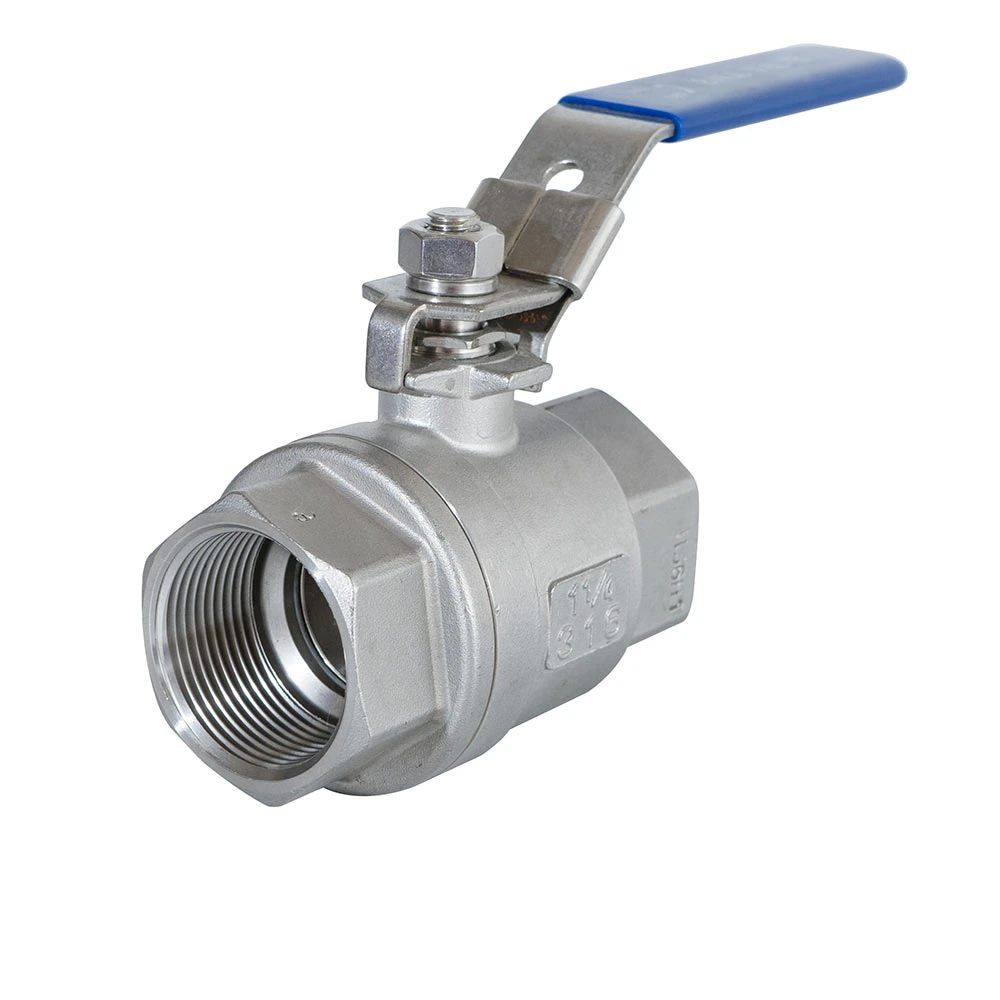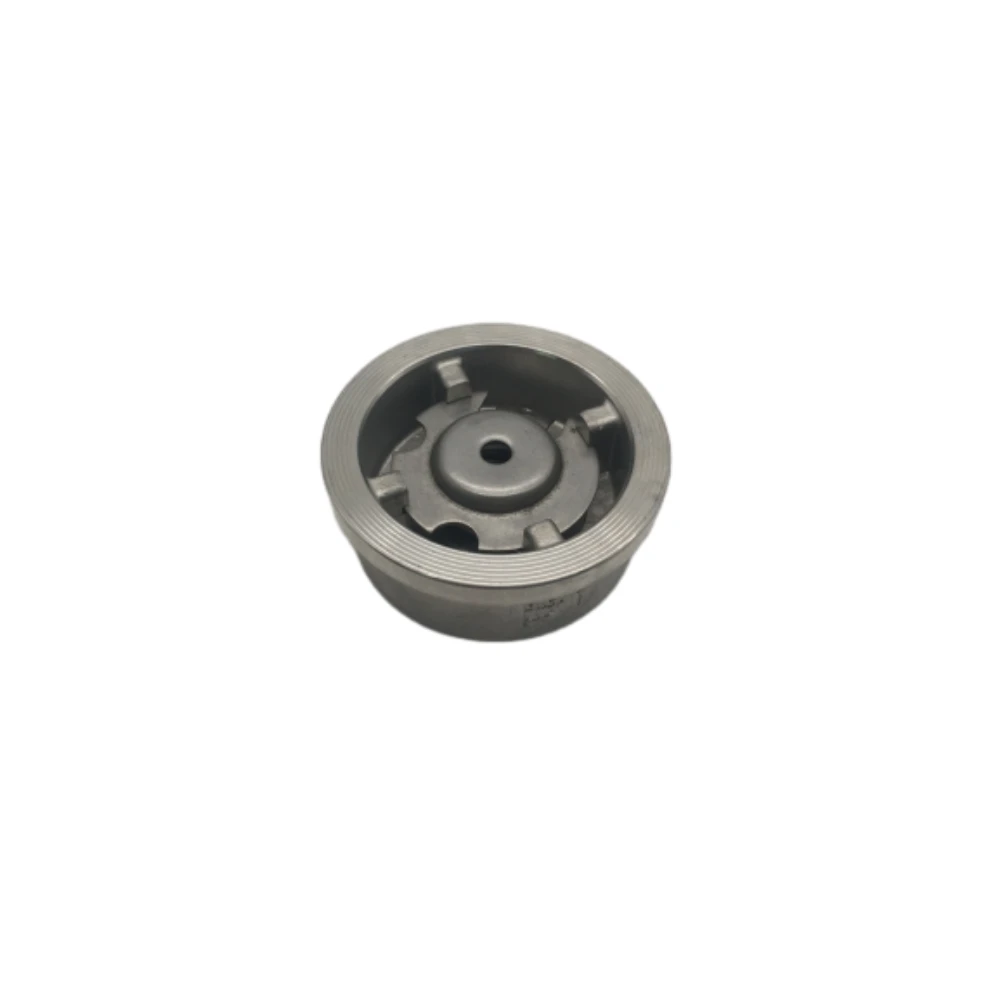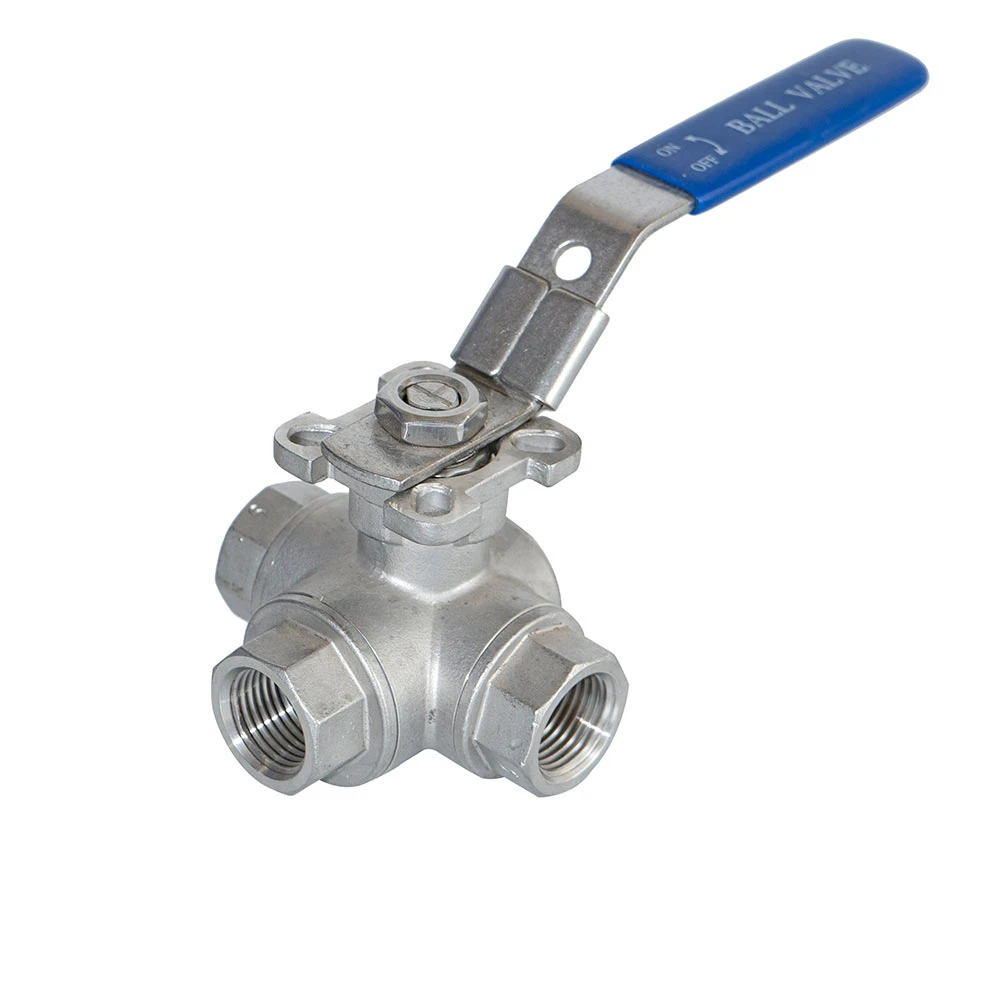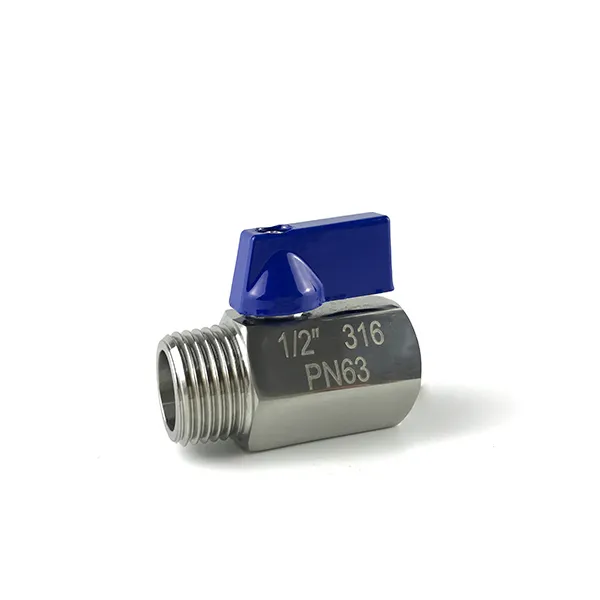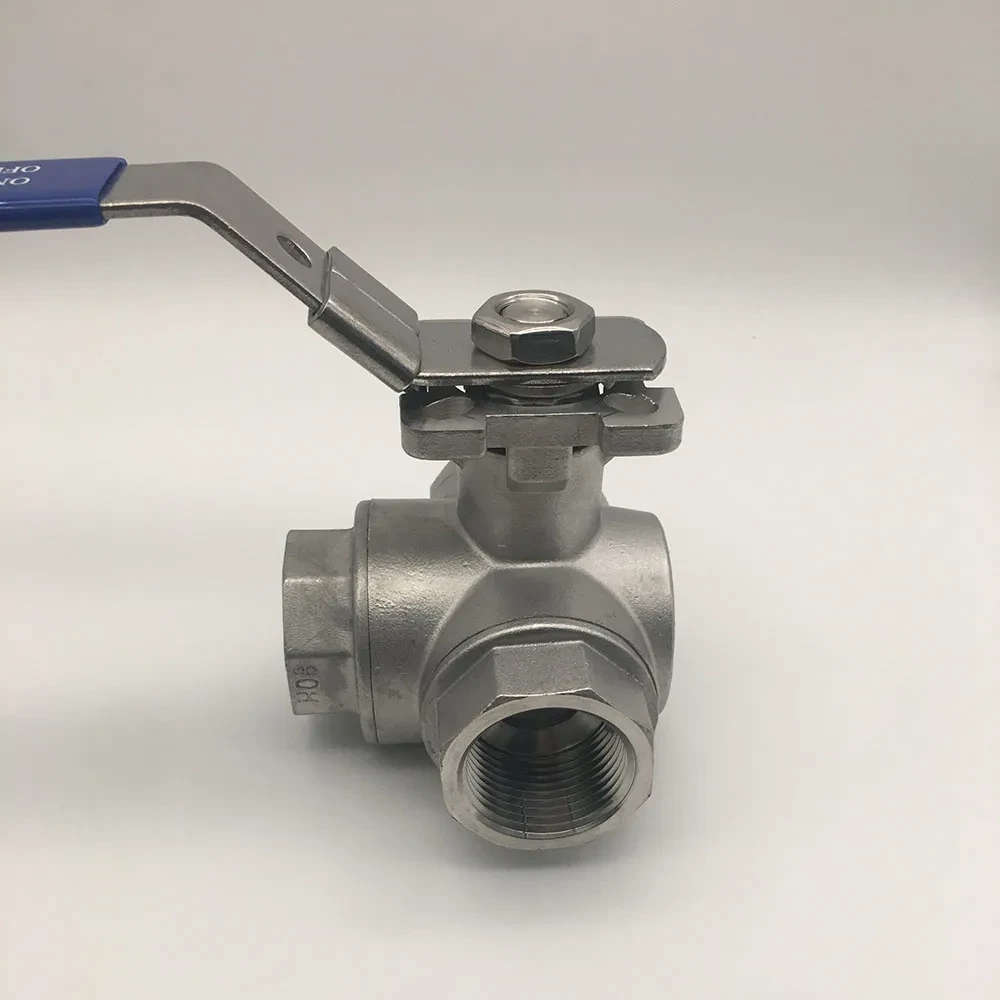
Understanding the Water Pipe Strainer: Essential for Clean and Reliable Fluid Systems
The water pipe strainer might not be the flashiest piece of industrial equipment, but it plays a quietly indispensable role in keeping water and fluid systems running smoothly, worldwide. From massive municipal water supplies to remote industrial plants, these devices protect pumps, valves, and pipelines from unwanted debris that can cause costly malfunctions.
With water scarcity and infrastructure challenges growing globally, the value of efficient, durable water pipe strainers is only increasing. Knowing what these strainers do, how they work, and their practical benefits can help engineers, plant managers, and humanitarian organizations make smarter choices and ensure safer water flow for communities and industries alike.
Global Context: Why Water Pipe Strainers Matter Now More Than Ever
We often take clean water for granted, but according to the United Nations, over two billion people worldwide lack access to safely managed drinking water sources. Infrastructure failures — often exacerbated by debris blockage — significantly hamper water distribution. This is where water pipe strainers come in as unsung heroes.
Across rapidly urbanizing regions or disaster-affected zones, water pipe strainers help maintain the reliability of crucial pipelines by filtering out sand, rust flakes, and organic matter. The ISO has even stressed the importance of filtration components in water management systems to protect mechanical parts and ensure consistent flow.
Oddly enough, even small differences in strainer design or quality can impact maintenance cycles, energy use, and operational costs. So, their global relevance touches water security, cost efficiency, and sustainability efforts.
What Is a Water Pipe Strainer?
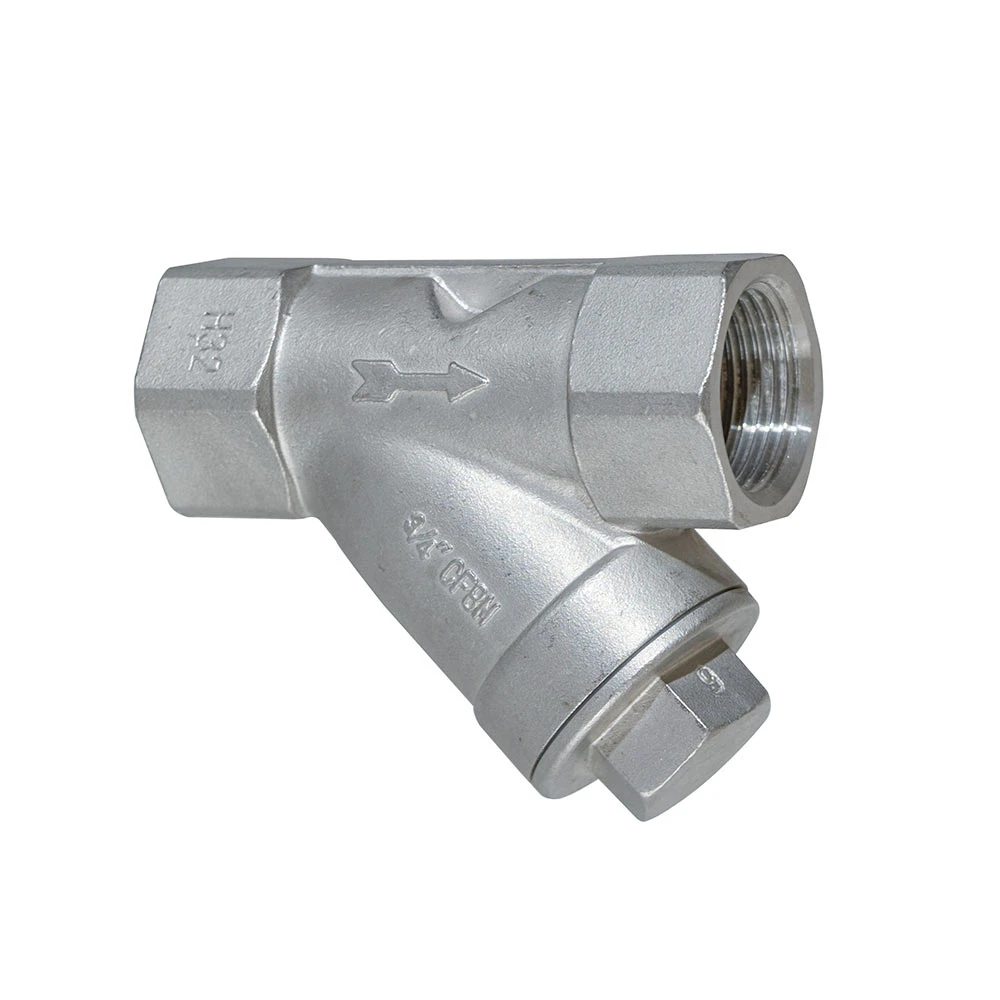
Simply put, a water pipe strainer is a device installed within a piping system to screen out solids from the flowing water. Think of it as a filter that stops junk like grit, leaves, and sediment before they clog or damage pumps and valves downstream.
Beyond a household water filter, this strainer must withstand high pressures and sometimes harsh contaminants, making material choice and design critical for performance. It’s a cornerstone component in industries ranging from municipal water treatment to agriculture irrigation and even humanitarian water supply setups.
Key Factors of Water Pipe Strainers
1. Durability
Water pipe strainers face constant pressure and sometimes corrosive substances. Cast iron, stainless steel, and durable alloys are common materials that ensure long life and resistance to wear. Durability reduces replacement frequency, which is essential in remote or disaster-prone areas.
2. Filtration Efficiency
Mesh size or perforation dimensions define how well a strainer captures debris. Too coarse, and damaging particles pass through; too fine, and the flow rate may drop or clog quickly. Strainers often come with customizable screens to balance protection with flow needs.
3. Cost Efficiency
While upfront cost is a factor, lifecycle costing—including maintenance intervals and downtime—matters more. Investing in quality strainers saves money by preventing equipment damage and reducing operational interruptions.
4. Scalability & Compatibility
Strainers must fit different diameters and pipe systems, sometimes needing flanged, threaded, or welded connections. Scalability means selecting designs that can be adapted easily for various flows, pressures, and environments.
5. Ease of Maintenance
Many modern strainers feature removable baskets or screens for fast cleaning without system shutdowns. This is a big deal in continuous operations where downtime means lost productivity.
| Parameter | Details |
|---|---|
| Material | Cast Iron, Stainless Steel, Carbon Steel |
| Connection Type | Flanged, Threaded, Welded |
| Screen Mesh Size | 50 to 2000 microns (customizable) |
| Pressure Rating | 1.0 - 10 bar (varies by model) |
| Maintenance | Removable basket or screen for cleaning |
Mini takeaway: A well-selected water pipe strainer combines durability with optimal filtration for specific industrial or municipal needs, balancing upfront cost with long-term savings and reliability.
Global Applications and Use Cases
Water pipe strainers show up in places you might not immediately consider. For example:
- Municipal Water Treatment Plants: Preventing pipe corrosion and maintaining pump efficiency.
- Agricultural Irrigation: Keeping drip irrigation systems running by filtering out sediment in surface water.
- Post-Disaster Relief: NGOs deploy portable water pipe strainers to quickly set up safe water distribution in flooded or debris-laden areas.
- Industrial Facilities: Power plants and factories use strainers to protect sensitive equipment from raw water contaminants.
- Remote Mining Operations: Where water is recycled and reused, strainers prevent wear on pumps handling abrasive mining runoff.
Oddly enough, different global regions prioritize strainers differently based on water source quality and infrastructure complexity. For instance, in parts of Asia and Africa, sediment filtration is crucial due to high turbidity.
Advantages and Long-Term Value of Using Water Pipe Strainers
It’s not just about keeping debris out; it’s about maintaining the whole system’s integrity. Here are a few standout benefits:
- Cost Savings: Preventing equipment damage lowers repair and replacement costs markedly.
- Sustainability: Cleaner pipelines mean fewer chemical treatments and less frequent pump replacements.
- Operational Reliability: Consistent water flow reduces downtime, especially in critical infrastructure.
- Social Impact: Safer, uninterrupted water supplies support public health and economic stability.
Ultimately, the peace of mind knowing a system won’t fail because of clogged pipes counts for a lot. It’s about trust, safety, and respect for the water itself, kind of like giving your system a simple but vital shield.
Future Trends & Innovations in Water Pipe Strainers
The industry is gradually embracing:
- Smart Sensors and IoT: Digital monitoring of strainer clog levels alerts technicians before blockages cause real harm.
- Advanced Materials: Corrosion-resistant composites and self-cleaning coatings help reduce maintenance.
- Eco-Friendly Designs: Recyclable materials and low-pressure-drop models improve sustainability.
- Automation: Automated cleaning systems minimize manual intervention, especially useful in hazardous environments.
These innovations promise greater efficiency, lower environmental impact, and easier system integration — all crucial as global water demands keep rising.
Challenges & Solutions
Of course, challenges remain. Strainers can clog quickly if the mesh is too fine or if maintenance is neglected. Some older designs don’t allow easy access for cleaning, causing costly system shutdowns.
Experts recommend investing in strainers with removable baskets, selecting mesh sizes appropriate for the water source, and scheduling regular inspections. New smart technologies are also facilitating predictive maintenance, which helps avoid unexpected failures.
Vendor Comparison: Popular Water Pipe Strainers
| Brand | Material Options | Max Pressure | Maintenance Type | Price Range |
|---|---|---|---|---|
| Houde Valve Co. | Cast Iron, SS | 10 bar | Removable Screen | $$ |
| Global Filters Inc. | Carbon Steel, SS | 12 bar | Automated Cleaning | $$$ |
| EcoFlow Solutions | Composite Materials | 8 bar | Self-Cleaning Coating | $$ |
FAQ: Frequently Asked Questions About Water Pipe Strainers
- Q1: How do I choose the right mesh size for my water pipe strainer?
- Choosing the correct mesh size depends on the type of debris in your water source and the sensitivity of downstream equipment. If the water has large particulates, a coarser mesh (around 1000-2000 microns) may work, whereas finer systems require mesh sizes as small as 50 microns. Consulting with manufacturers or experts ensures optimal balance between filtration and flow.
- Q2: Can a water pipe strainer reduce maintenance downtime?
- Yes! By trapping debris upfront, strainers prevent blockages and damage, which greatly reduces unplanned shutdowns. Many strainers offer removable baskets for quick cleaning without system disassembly, further minimizing downtime.
- Q3: Are there environmentally friendly options for water pipe strainers?
- Absolutely. Some manufacturers use recyclable materials and innovative coatings to reduce corrosion and waste. Automated or self-cleaning strainers also cut down water and chemical use for maintenance, improving eco-impact.
- Q4: How often should I inspect or clean a water pipe strainer?
- Inspection frequency varies, but monthly checks are a good rule of thumb for most systems. If your water is particularly dirty or sediment-heavy, more frequent maintenance might be necessary to avoid buildup and pressure drops.
Conclusion
The humble water pipe strainer quietly plays a pivotal role in global water management — protecting vital infrastructure, reducing costs, and supporting sustainability across industries and communities. As technologies evolve, these devices are becoming smarter, greener, and more adaptable. For anyone overseeing fluid systems, gaining a solid grasp of strainers is frankly essential.
To explore high-quality, reliable water pipe strainers and learn how they can improve your operations, visit the Houde Valve website today.
Final takeaway: When it comes to keeping water systems safe and efficient, choosing the right strainer is a small step that makes a big difference.
References: