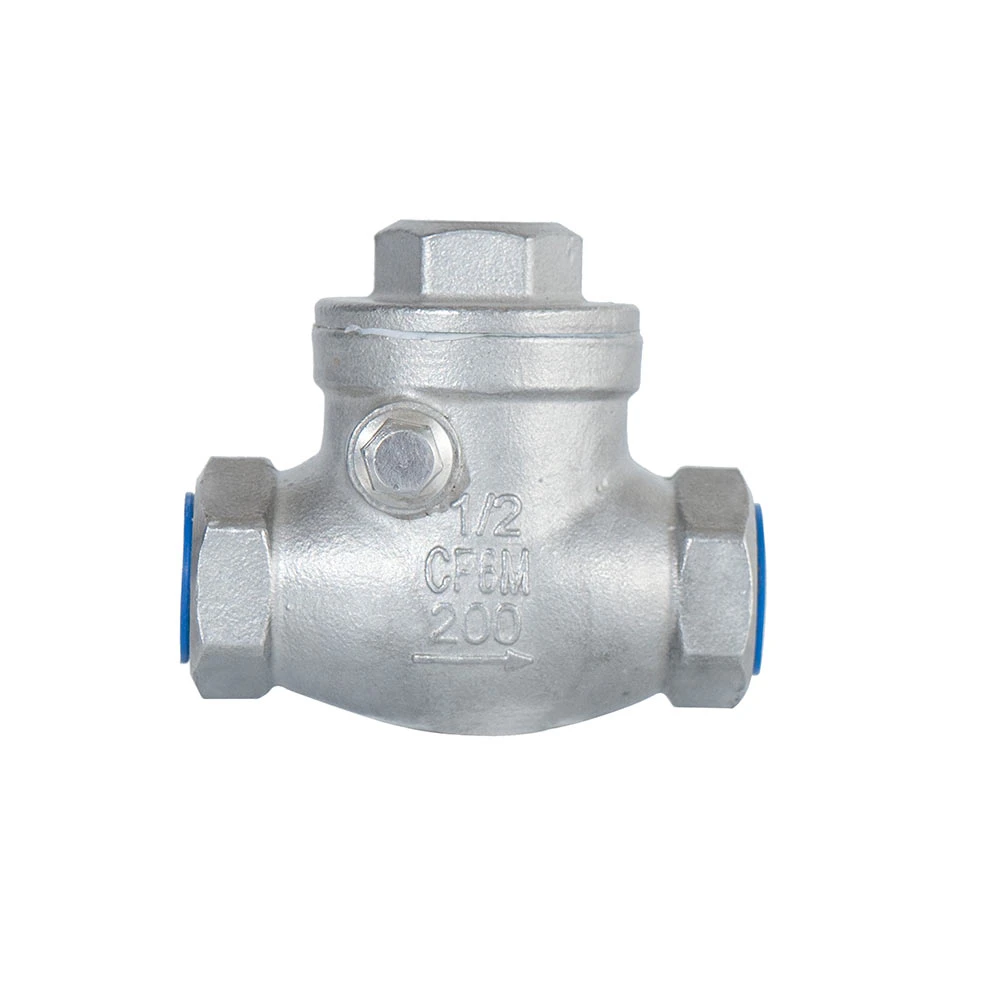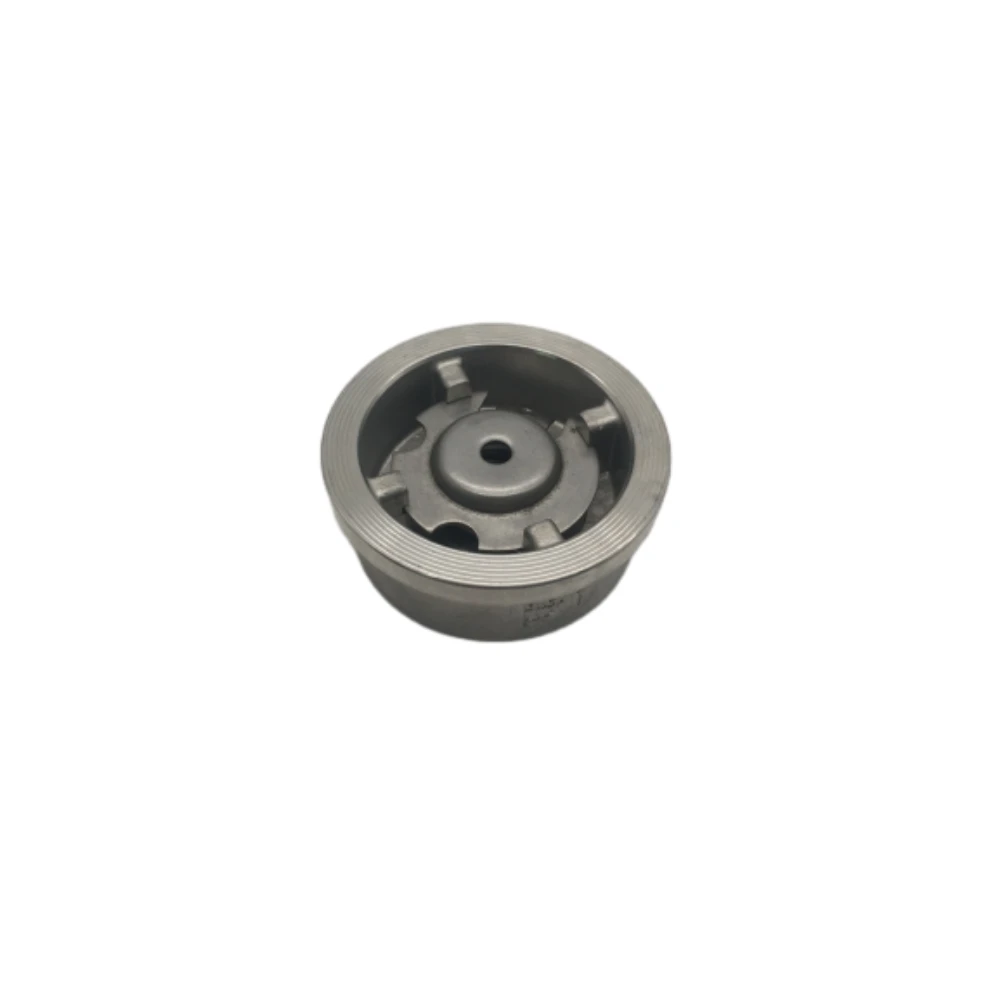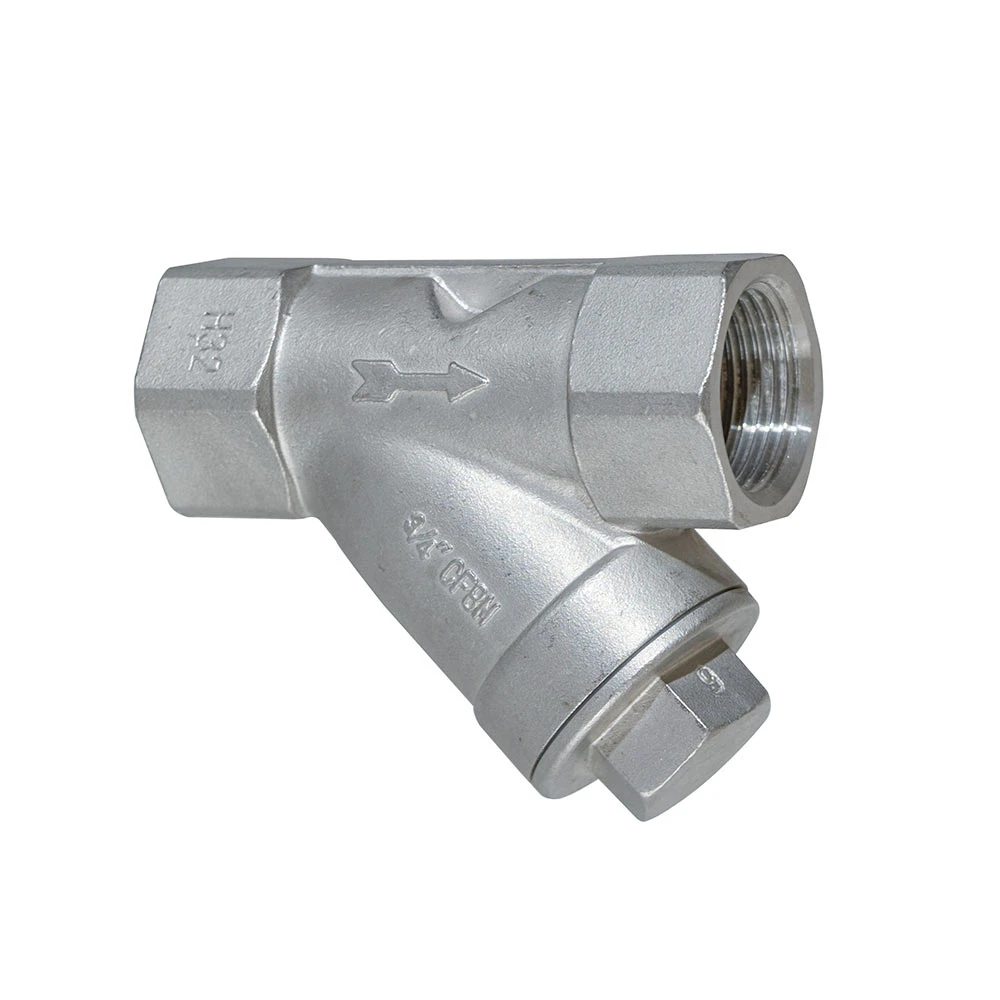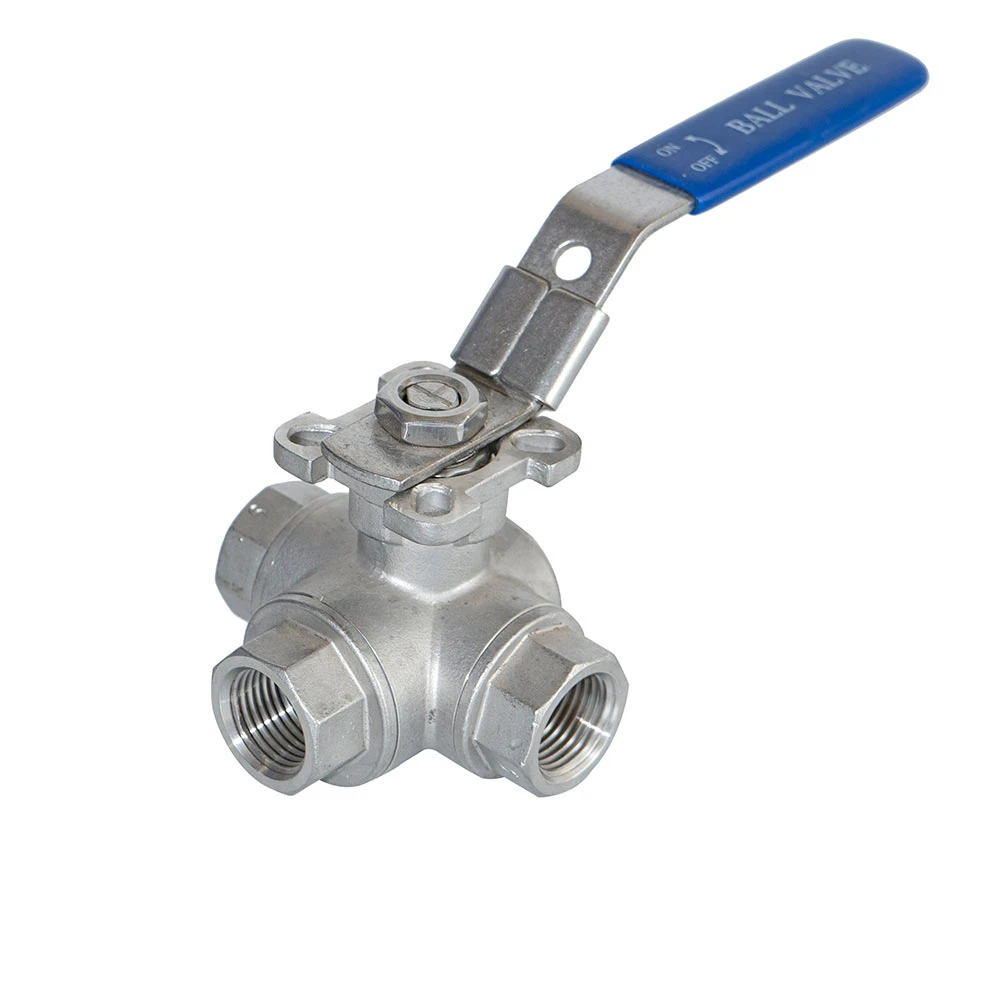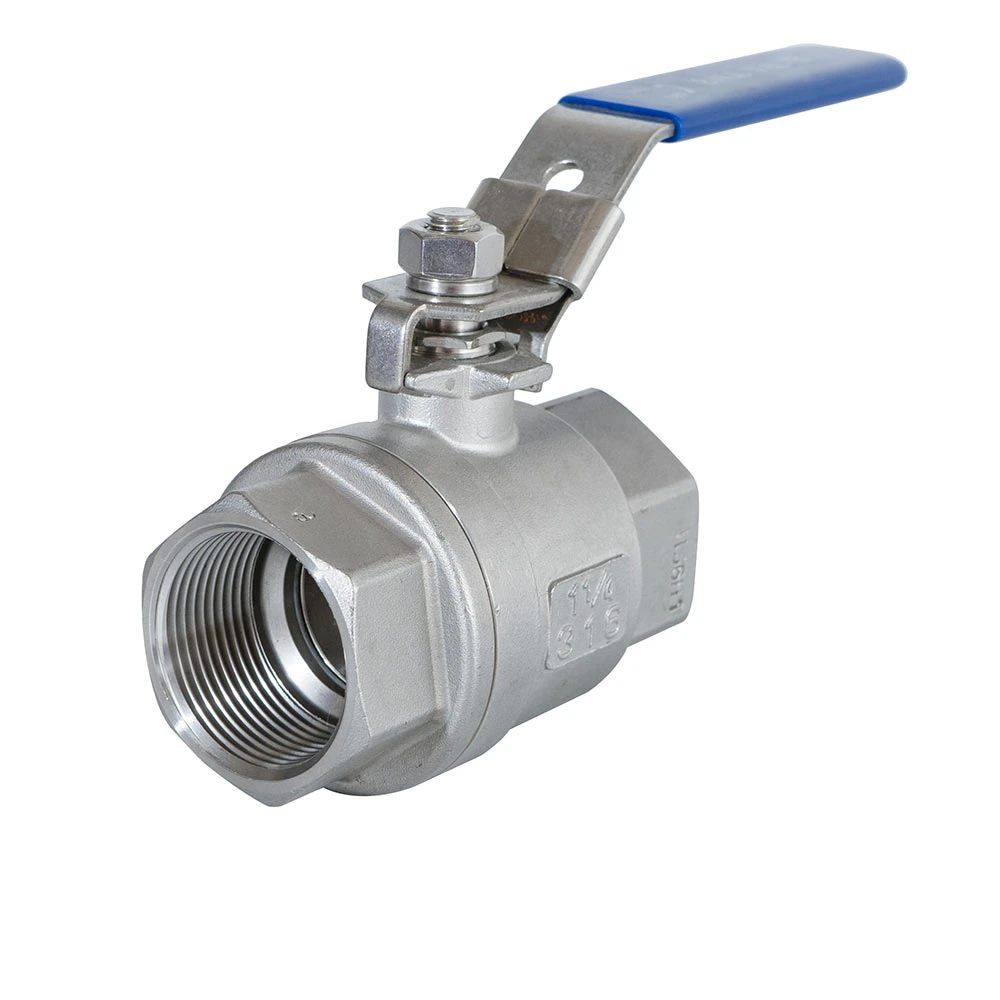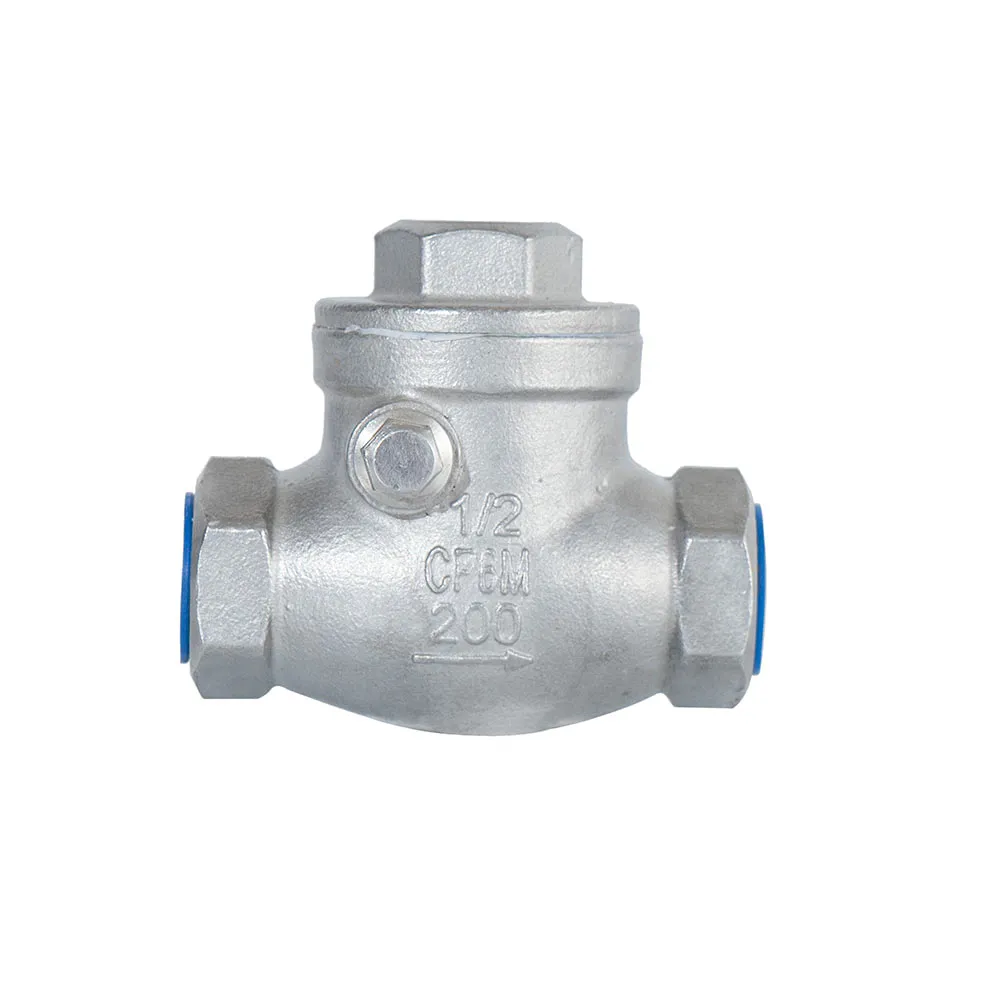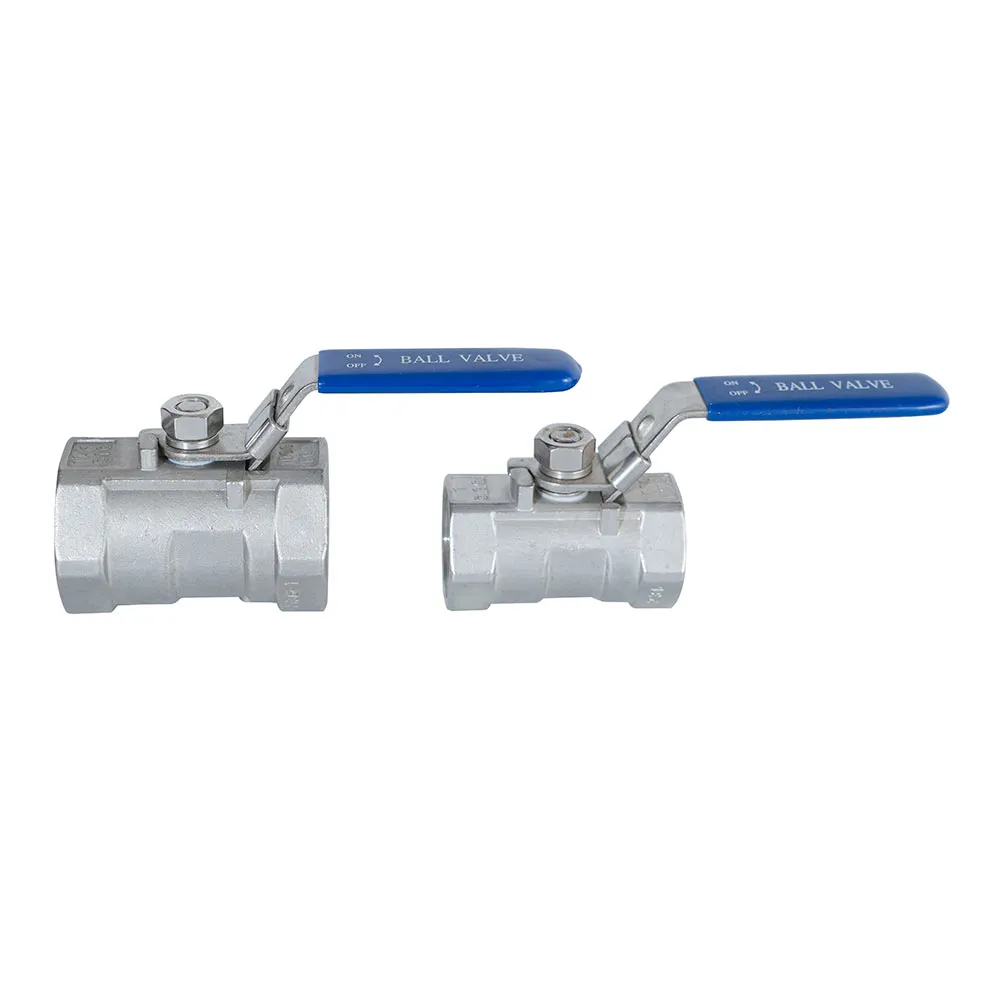
Y Type Strainer Drawing is a key solution in the industry, specifically within fluid processing and pipeline protection. It might sound a bit mechanical and dry at first, but having the right strainer design on hand can save a lot of trouble downstream. This article explores how https://www.houdevalve.com supports professionals with durable, high-performance products, and explains why this product is an ideal choice for businesses in these sectors.
Table of Contents
- Y Type Strainer Drawing Overview
- Benefits & Use Cases of Y Type Strainer Drawing
- Cost, Maintenance & User Experience
- Sustainability & Market Trends
- Frequently Asked Questions
- Conclusion on Y Type Strainer Drawing from China
Y Type Strainer Drawing Overview
A Y Type Strainer Drawing visually represents the design and dimensions of a Y Type Strainer, an essential component in fluid handling systems. Fundamentally, these strainers filter out debris and contaminants before fluids enter sensitive equipment like pumps and valves. Their “Y” shape isn't just for looks—it lets debris collect in a side chamber that can be cleaned without needing to halt operations, which is frankly a lifesaver for continuous processes.
Technically, these strainers are designed to fit seamlessly into pipelines, with specs varying based on pipe size, pressure ratings, and mesh screen types. For example, a common case from Houde Valve includes carbon steel bodies rated for up to 16 bar and temperatures reaching 200°C. These details ensure the strainer suits both high-pressure steam applications or more delicate fluid lines. The drawing itself, typically to scale, aids engineers and installers in applying the precise fit and compatibility needed for system efficiency.
| Specification | Value / Range |
|---|---|
| Material | Carbon Steel / Stainless Steel / Cast Iron |
| Pressure Rating | Class 150 to 600 (PN 16–40) |
| Operating Temperature | -29°C to 425°C (depending on material) |
| Screen Mesh Size | 10 to 400 mesh |
| Connection Types | Flanged, Threaded, Welded |
Benefits & Use Cases of Y Type Strainer Drawing
Y Type Strainer Drawings aren’t just technical blueprints; they’re practical guides that enable engineers to customize and deploy strainers effectively across multiple industries. For example, in petrochemical plants, these strainers protect sensitive equipment from particulate contamination, which could cause costly downtime. Oddly enough, even in food and beverage sectors they find use—to safeguard pumps and ensure hygienic processing by removing unwanted solids.
One key advantage is the ability to tailor the mesh size and body material to the fluid type and operating environment. Houde Valve’s drawings show how customizable their designs can be, often specifying removable covers for quick cleaning—a huge plus for industries needing minimal system interruptions. Plus, compared to basket strainers, Y Type Strainers are more compact and weight-friendly, something engineers mention often when space and weight constraints are real worries on-site.
Cost, Maintenance & User Experience
In terms of total cost of ownership, Y Type Strainers tend to offer solid long-term value. The upfront investment in engineered components—like those depicted in Houde Valve’s detailed drawings—pays off in durability and decreased maintenance frequency. These parts handle corrosive media well, and their easy-to-clean design means less downtime overall. You've got to appreciate that when budgets tighten but systems still need to run 24/7.
Feedback from actual users reveals satisfaction with the user-friendly installation and maintenance. One client in the chemical processing field reported that switching to this model reduced clog-related stoppages by nearly 30%. That kind of ROI is persuasive, frankly. It's not just about cheaper upfront costs but a smoother operational flow overall.
| Vendor | Material Quality | Customization Options | Pricing | Lead Time |
|---|---|---|---|---|
| Houde Valve | High-grade Carbon & Stainless Steel | Extensive (mesh size, size, connection) | Competitive | 4-6 weeks |
| Vendor B | Standard Carbon Steel | Limited | Moderate | 6-8 weeks |
| Vendor C | Mid-grade Stainless Steel | Moderate | Higher | 5-7 weeks |
Sustainability & Market Trends
Sustainability is more than a buzzword in fluid handling today — it’s becoming a market expectation. Y Type Strainers contribute by enhancing system efficiency and reducing waste caused by equipment failure. As regulations around environmental impact tighten, products designed with longevity and cleanability in mind are gaining traction. Houde Valve’s drawings reflect this trend by showcasing designs that minimize material use but maximize performance, as well as compatibility with eco-friendly fluids.
Oddly enough, the market for these strainers is expanding alongside the rise of automated manufacturing and Industry 4.0, where precise, reliable components underpin smart systems. Investing in well-documented, adaptable designs like those from Houde Valve means staying future-ready while remaining compliant with evolving standards and sustainability goals.
Frequently Asked Questions about Y Type Strainer Drawing
- What is Y Type Strainer Drawing and how does it work?
- It is a technical illustration showing the precise dimensions, shape, and parts of a Y Type Strainer, which filters out debris from fluids in pipelines. The Y shape allows debris to settle while fluid keeps flowing, protecting downstream equipment.
- What are the main benefits of using Y Type Strainer Drawing in industrial applications?
- Benefits include durability, lower maintenance needs, flexibility in customization, and seamless integration into various piping systems, reducing downtime and repair costs.
- How does Y Type Strainer Drawing compare to traditional alternatives?
- Compared to basket strainers, Y Type Strainers are smaller, lighter, and easier to clean without system shutdown. The drawings reflect these practical advantages allowing engineers to select fitting models.
- What industries can benefit most from Y Type Strainer Drawing implementation?
- Mainly petrochemical, food & beverage, pharmaceuticals, water treatment, and chemical processing industries find great utility in these strainers for protecting delicate equipment and ensuring process purity.
Conclusion on Y Type Strainer Drawing from china
To wrap up, the Y Type Strainer Drawing is more than a schematic; it’s a blueprint for reliability and efficiency in fluid systems across a spectrum of industries. Its combination of durability, ease of maintenance, and customization aligns well with modern industrial needs. For businesses aiming for long-term operational success, using products backed by precise, well-engineered drawings from trusted vendors like Houde Valve is simply a smart move.
- Recap the value of Y Type Strainer Drawing.
- Visit our website: https://www.houdevalve.com
Always remember, the right design drawing can be the quiet hero behind your plant’s smooth running — and in this case, the humble Y Type Strainer Drawing from a reliable source like Houde Valve stands tall.
References:
1. Houde Valve Official Site
2. Industry Case Studies on Fluid Protection
3. Recent Sustainability Reports in Pipeline Components