In the complex landscape of fluid control, the 1 piece ball valve stands as a testament to the marriage of simplicity and efficiency. Designed for rapid operation and ease of installation, this compact valve architecture is essential for industries where space is at a premium and quick shut-off capabilities are non-negotiable. By integrating the body into a single piece, engineers have managed to reduce potential leak paths, making it a reliable choice for a variety of low-to-medium pressure applications globally.
Understanding the nuances of the 1 piece ball valve is critical for procurement managers and system designers who aim to balance cost-effectiveness with operational reliability. As global industrial standards shift toward more sustainable and lean manufacturing processes, the demand for components that offer a high strength-to-weight ratio and minimal maintenance requirements has surged. This specific valve design addresses these needs by minimizing the number of fasteners and seals required, thereby streamlining the supply chain and reducing the total cost of ownership.
Ultimately, the adoption of the 1 piece ball valve across diverse sectors—from residential plumbing to complex industrial processing—reflects a broader industry trend toward optimized engineering. Whether it is used in a simple water line or a specialized chemical distribution system, the value of this component lies in its ability to provide a tight seal and a clear flow path with minimal mechanical complexity. By exploring its technical specifications and application limits, users can ensure the longevity and safety of their piping infrastructure.
Global Industry Context of 1 piece ball valve
The global market for flow control components has seen a significant pivot toward modularity and cost-reduction, placing the 1 piece ball valve at the center of this evolution. According to ISO standards for industrial valves, the drive toward reducing "leak-point probability" has led many manufacturers to favor single-body constructions over multi-piece designs in specific pressure ratings. This shift is particularly evident in rapidly developing industrial zones across Southeast Asia and Latin America, where infrastructure projects require scalable and affordable solutions.
However, the industry faces a persistent challenge: balancing the inherent cost savings of a single-piece design with the stringent safety requirements of high-pressure environments. While a 1 piece ball valve offers unmatched simplicity, the lack of a separate bonnet in some configurations means that internal repairs often require the replacement of the entire unit. This trade-off has sparked a global dialogue on "disposable vs. maintainable" components, pushing manufacturers to improve material science to extend the lifecycle of these valves.
Defining the 1 piece ball valve Architecture
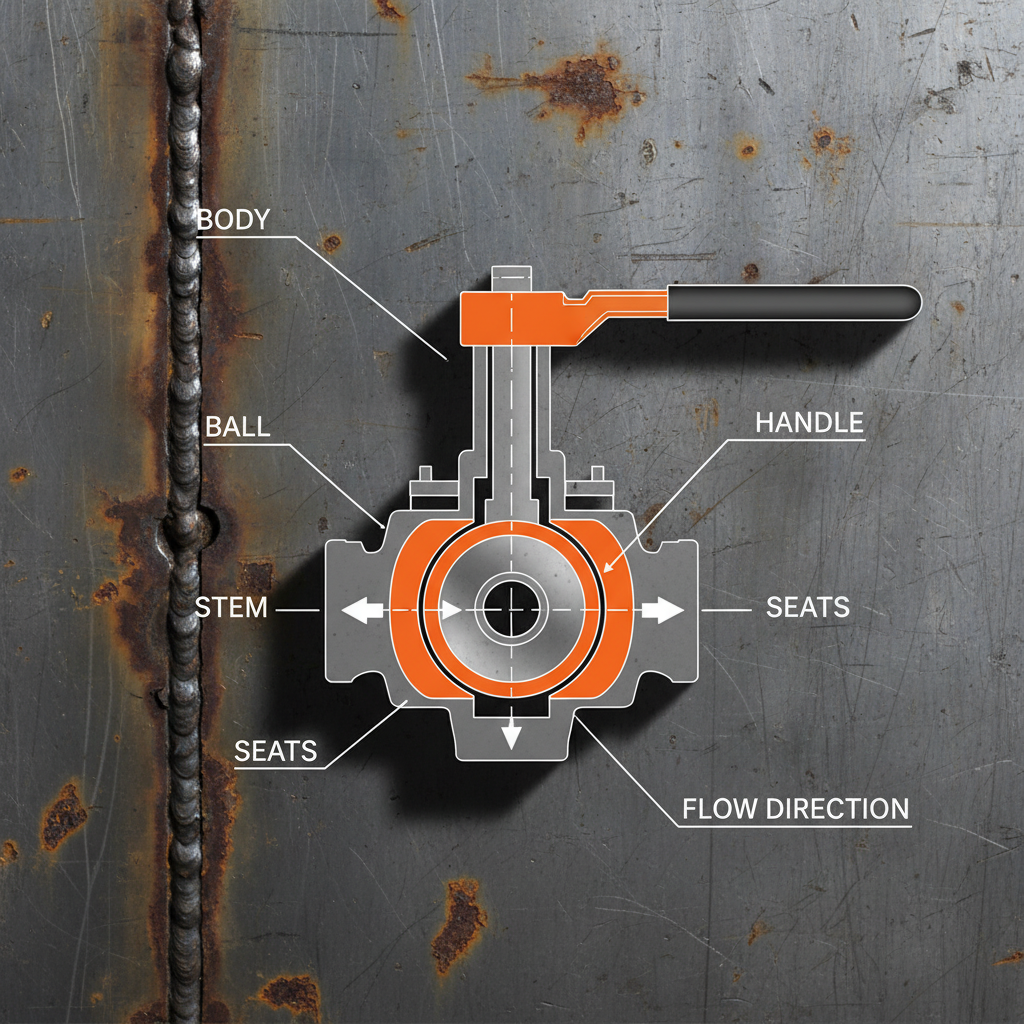
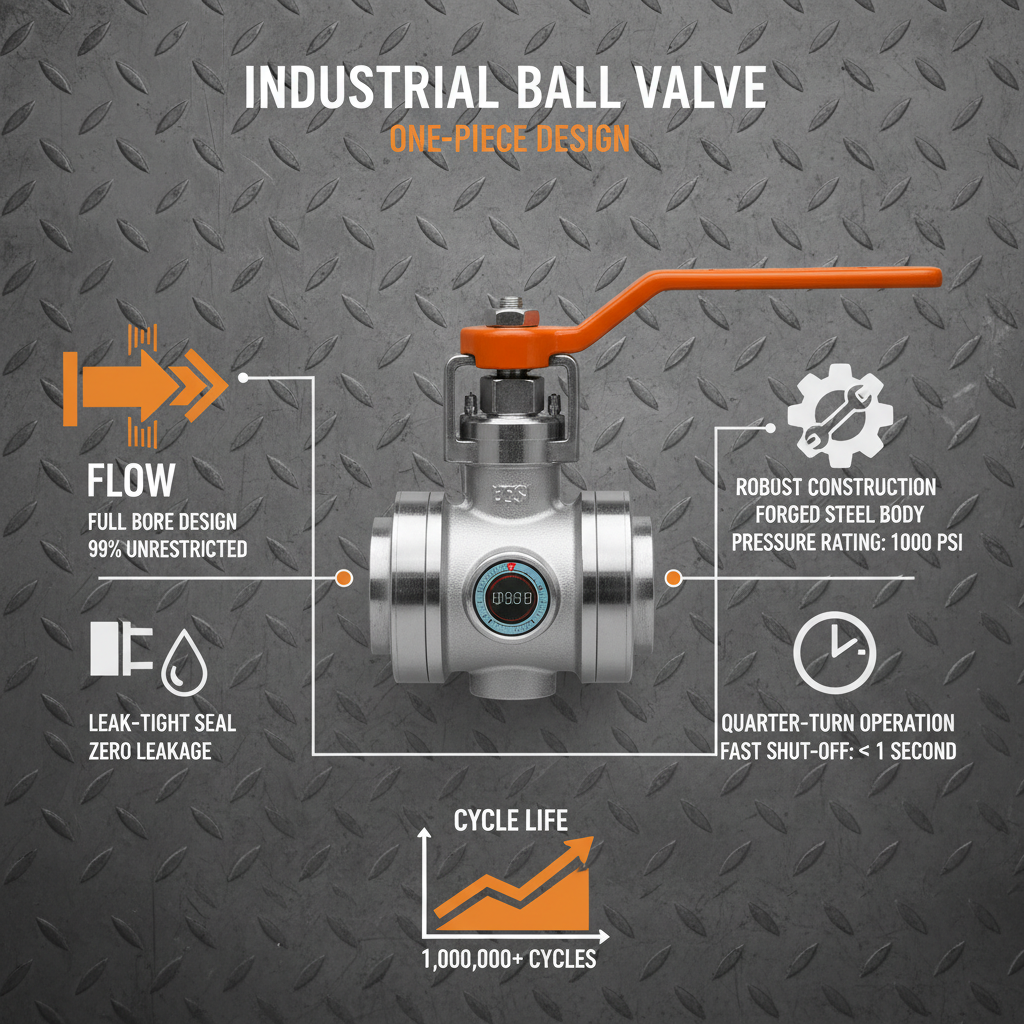
In the simplest terms, a 1 piece ball valve is a quarter-turn valve characterized by a single-piece body that houses the ball and the stem. Unlike two-piece or three-piece valves, which use bolted joints to connect the body sections, the one-piece variant is typically cast or forged as a single unit. This architectural choice eliminates the need for body gaskets, which are common failure points in traditional valve designs, thereby reducing the risk of external leakage.
Beyond the technical definition, this design speaks to a modern industrial need for "lean" hardware. In humanitarian efforts, such as the rapid deployment of water purification systems in disaster-stricken areas, the use of 1 piece ball valves allows for faster assembly and lower shipping weights. The ability to provide an airtight seal with a minimal number of parts makes it an ideal candidate for emergency infrastructure where time and resources are severely limited.
From a mechanical perspective, the connection between the ball and the seat in a 1 piece ball valve is engineered for precision. By utilizing high-performance polymers like PTFE (Teflon) for the seating, these valves can achieve a bubble-tight shut-off. This ensures that even in critical agricultural or light industrial applications, the flow is managed with absolute certainty, preventing waste and ensuring the safety of the surrounding environment.
Core Components and Performance Factors
The durability of a 1 piece ball valve is primarily dictated by its material composition. Most high-quality units are crafted from stainless steel (CF8 or CF8M) or brass, depending on the corrosive nature of the medium being transported. The integration of a single-piece body ensures that the structural integrity is not compromised by bolts or joints, providing a robust exterior that can withstand external mechanical shocks.
Crucial to the performance of the 1 piece ball valve is the precision-ground ball and the seat interface. The seat must provide a low-friction environment to allow for smooth 90-degree rotation while maintaining a high-pressure seal. When these components are aligned perfectly within a single body, the valve exhibits a significant reduction in torque requirements, making it easier for operators to actuate manually.
Furthermore, cost-efficiency is a hallmark of this design. Because the manufacturing process involves fewer machining steps and fewer individual parts to inventory, the unit cost is substantially lower than its multi-piece counterparts. For large-scale projects involving thousands of isolation points, the cumulative savings provided by the 1 piece ball valve architecture can be transformative for the overall project budget without sacrificing essential functionality.
Comparative Efficiency and Scalability
When comparing the 1 piece ball valve to other options like check valves or strainers, the primary advantage is the absolute control over flow initiation and termination. In a scalable industrial system, the ability to quickly isolate segments for maintenance without dismantling the entire line is invaluable. The one-piece design simplifies this process by providing a compact footprint that fits into tight manifolds where larger valves would be impractical.
The efficiency of these valves is not just measured in fluid dynamics, but in installation speed. A technician can install a 1 piece ball valve in a fraction of the time required for a three-piece valve, as there are no body bolts to torque or gaskets to align. This operational efficiency translates directly into reduced labor costs and shorter downtime during plant shutdowns.
Performance Rating of 1 piece ball valve Variants
Global Applications and Strategic Use Cases
In the real world, the 1 piece ball valve is widely deployed in sectors where reliability meets simplicity. For instance, in the pharmaceutical industry, these valves are used in secondary coolant lines where the priority is a leak-proof seal and ease of cleaning. The smooth internal bore of the one-piece design prevents the accumulation of debris, making it a hygienic choice for controlled environments.
Beyond the lab, in remote industrial zones like mining sites in Australia or oil fields in Canada, the resilience of the 1 piece ball valve is put to the test. In these harsh environments, the reduced number of external joints means there are fewer areas for salt, sand, or ice to penetrate and corrode the valve body. This reliability ensures that critical shut-off points remain operational even when maintenance crews are miles away.
Long-Term Value and Reliability Gains
The long-term value of investing in high-grade 1 piece ball valves lies in the reduction of unplanned downtime. When a system utilizes components with fewer failure points, the frequency of emergency repairs drops significantly. This creates a logical path toward higher operational stability, where plant managers can predict maintenance cycles with greater accuracy, rather than reacting to sudden leaks at body joints.
From an emotional and safety perspective, the trust provided by a reliable shut-off valve cannot be overstated. In a facility handling volatile fluids, the confidence that a 1 piece ball valve will actuate instantly and seal completely provides peace of mind to the operators. This sense of security is a tangible asset, reducing workplace stress and enhancing the overall safety culture of the organization.
Moreover, the sustainability aspect of the one-piece design is becoming increasingly relevant. By using materials that are fully recyclable—such as high-grade stainless steel—and reducing the amount of synthetic gaskets used in assembly, manufacturers are lowering the environmental footprint of flow control. The longevity of these valves means fewer replacements over the decades, aligning with global green energy and sustainability goals.
Future Trends in 1 piece ball valve Technology
The future of the 1 piece ball valve is being shaped by the digital transformation of industry, often referred to as Industry 4.0. We are seeing the emergence of "smart" one-piece valves that integrate miniature sensors into the body to monitor flow rates and seal integrity in real-time. These sensors can alert operators to the first sign of wear, transforming the 1 piece ball valve from a passive component into an active data point in a predictive maintenance network.
Materials science is also evolving, with the introduction of advanced ceramic coatings and nano-composites that further reduce friction and increase corrosion resistance. These innovations allow the 1 piece ball valve to be used in increasingly aggressive chemical environments that were previously the exclusive domain of expensive, multi-piece specialty valves. As these materials become more affordable, the versatility of the one-piece design will continue to expand.
Additionally, automation is playing a key role. The integration of compact pneumatic and electric actuators specifically designed for the 1 piece ball valve's torque profile is enabling fully automated fluid management systems. This shift toward automation reduces human error and allows for the precise timing of flow control, which is essential for the next generation of sustainable manufacturing and green energy production.
Technical Analysis of 1 piece ball valve Material Performance
| Material Grade |
Corrosion Resistance |
Max Pressure Rating |
Cost-Effectiveness |
| SS304 |
High |
1000 PSI |
Moderate |
| SS316 |
Excellent |
1000 PSI |
Low |
| Brass (Forged) |
Moderate |
600 PSI |
High |
| PVC/CPVC |
Very High (Chemical) |
150 PSI |
Very High |
| Alloy 20 |
Extreme |
800 PSI |
Very Low |
| Carbon Steel |
Low |
2000 PSI |
Moderate |
FAQS
The primary difference lies in the body construction. A 1 piece ball valve is cast or forged as a single unit, eliminating the bolted joint found in 2 piece designs. This reduces the number of potential leak paths and lowers the overall cost, although it makes the valve non-serviceable in terms of body replacement. It is ideal for low-to-medium pressure applications where simplicity and cost are priorities.
Generally, 1 piece ball valves are designed for light to medium industrial use. For high-pressure steam, the thermal expansion and contraction can put significant stress on a single-body casting. In such cases, a 3 piece ball valve or a specialized high-pressure globe valve is usually recommended to ensure safety and allow for easier seat replacement. Always check the PSI rating of your specific valve model.
Selection depends on the medium being transported. For water and air, brass or SS304 is typically sufficient. For corrosive chemicals or marine environments, SS316 is the industry standard due to its molybdenum content. If you are dealing with highly aggressive acids, you may need PVC or a specialty alloy. Consider both the chemical compatibility and the operating temperature to avoid material failure.
Yes, they are among the easiest valves to install. Most 1 piece ball valves come with threaded ends (NPT or BSP), allowing for a simple screw-in installation. Because of their compact size, they often fit into existing spaces where larger, multi-piece valves might require piping modification. Their lightweight nature also reduces the mechanical stress on the supporting pipework.
Depending on the material and the medium, a high-quality 1 piece ball valve can last from 5 to 20 years. The limiting factor is usually the wear on the PTFE seats rather than the body itself. Regular lubrication of the stem and ensuring that the fluid is filtered to prevent abrasive particles from scoring the ball can significantly extend the operational life of the valve.
Yes, they contribute to sustainability in two ways: first, by reducing the number of components (like gaskets) that end up in landfills, and second, by providing a superior seal that prevents fluid leaks into the environment. When manufactured from recyclable stainless steel, they align well with circular economy principles, offering a long-term solution with a relatively low carbon footprint during production.
Conclusion
The 1 piece ball valve represents the optimal balance of engineering efficiency, cost-effectiveness, and operational reliability. By eliminating unnecessary complexity and focusing on a robust, single-body design, it provides a secure and durable solution for a vast array of global industrial and commercial applications. From reducing leak points to streamlining installation, the benefits of this valve architecture are clear for any organization seeking to optimize its fluid control systems without compromising on safety.
Looking forward, the integration of smart technology and advanced materials will only enhance the value proposition of the one-piece design. As industries move toward greater automation and stricter environmental standards, the 1 piece ball valve will remain a cornerstone of lean infrastructure. We encourage system designers and procurement experts to evaluate their current piping needs and consider the long-term reliability and sustainability gains that these valves offer. Visit our website: www.houdevalve.com to explore our full range of high-performance flow control solutions.