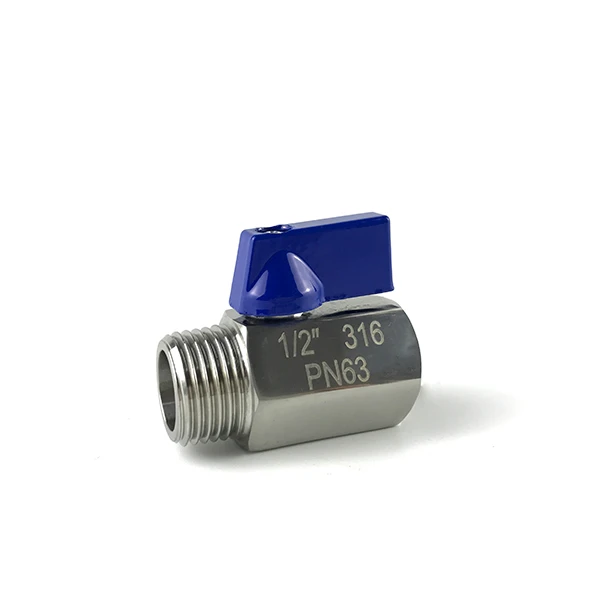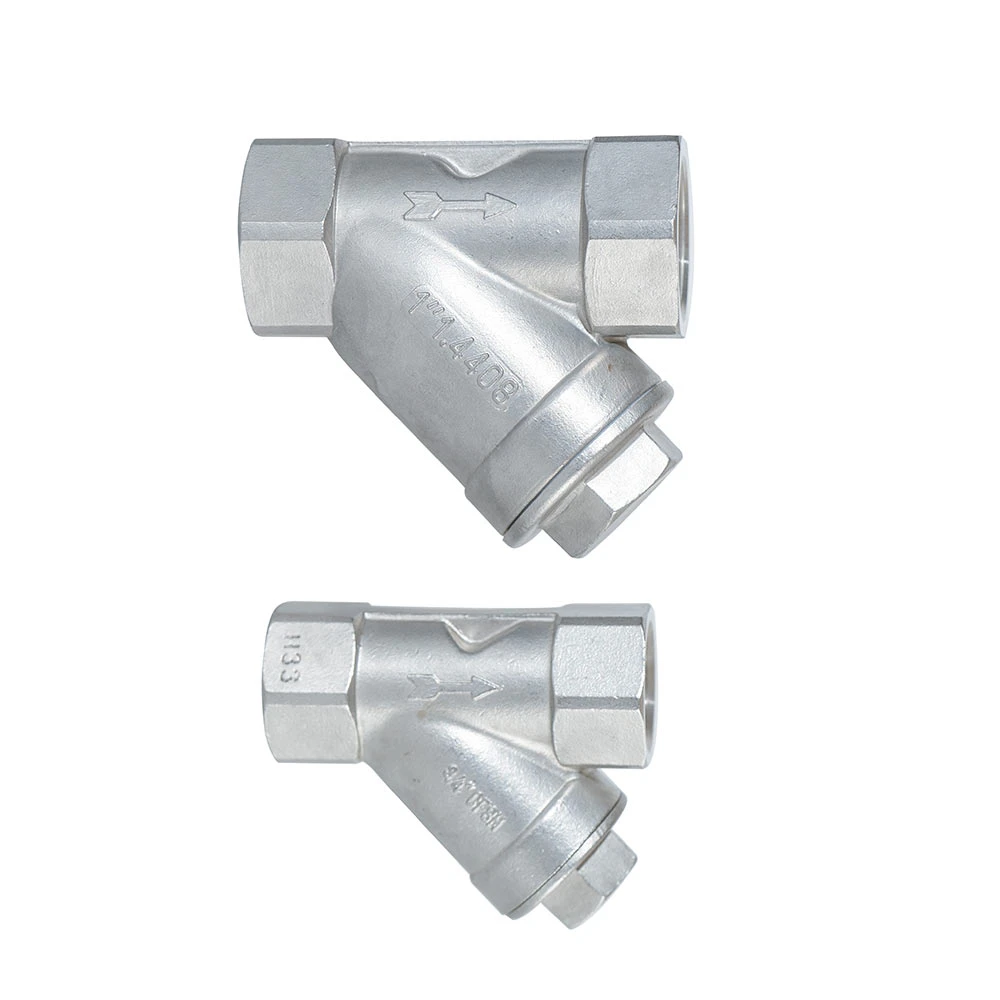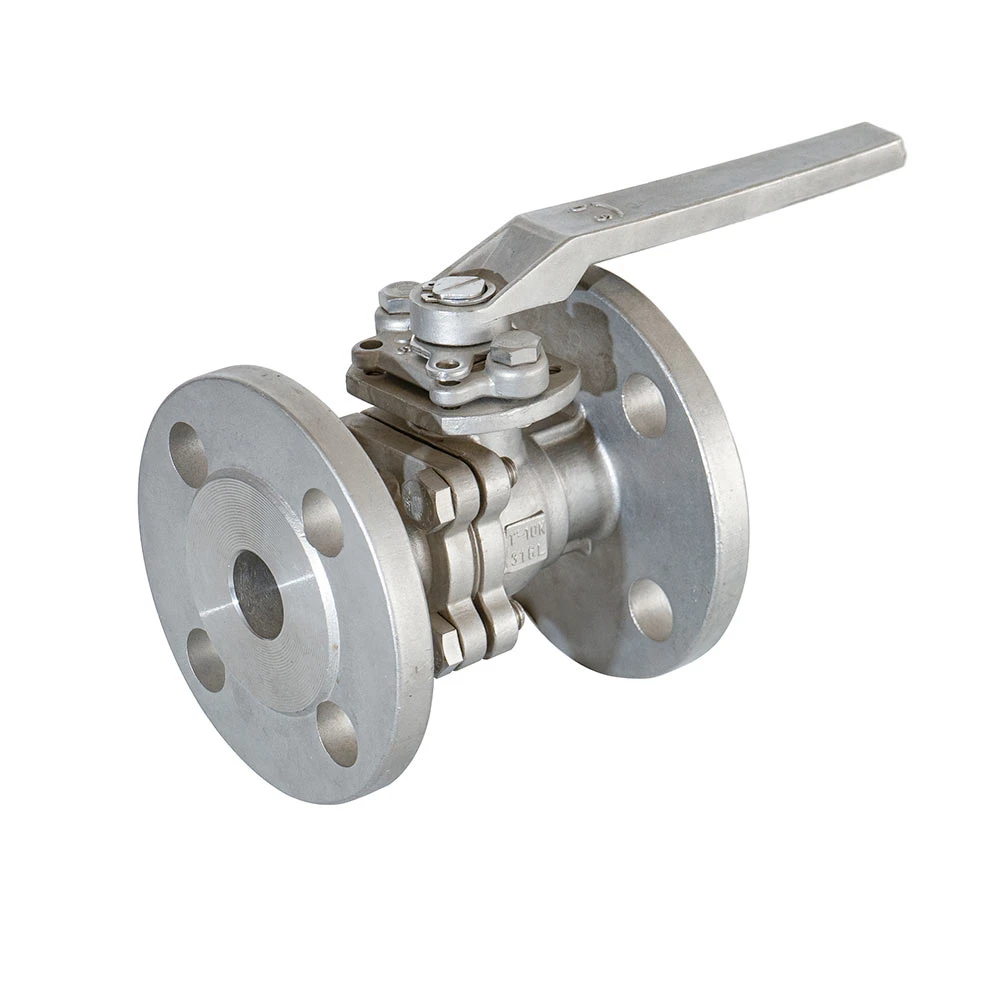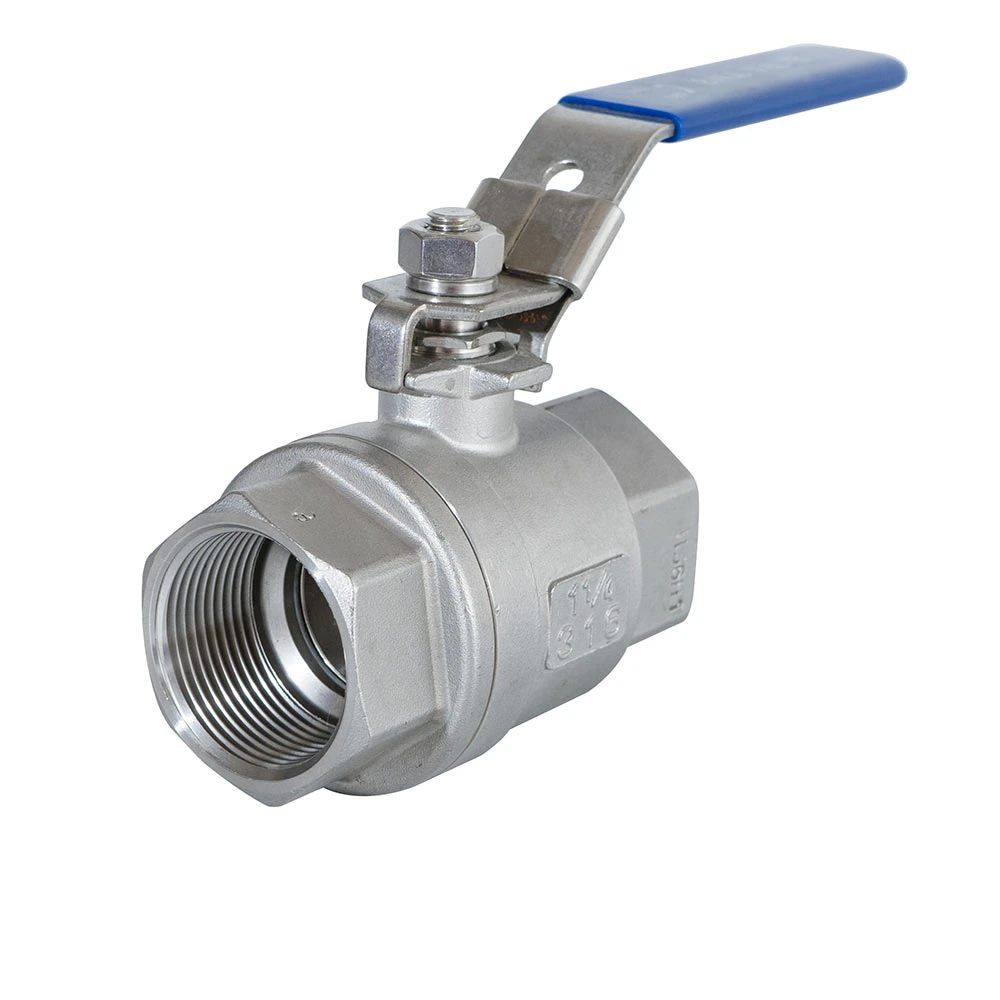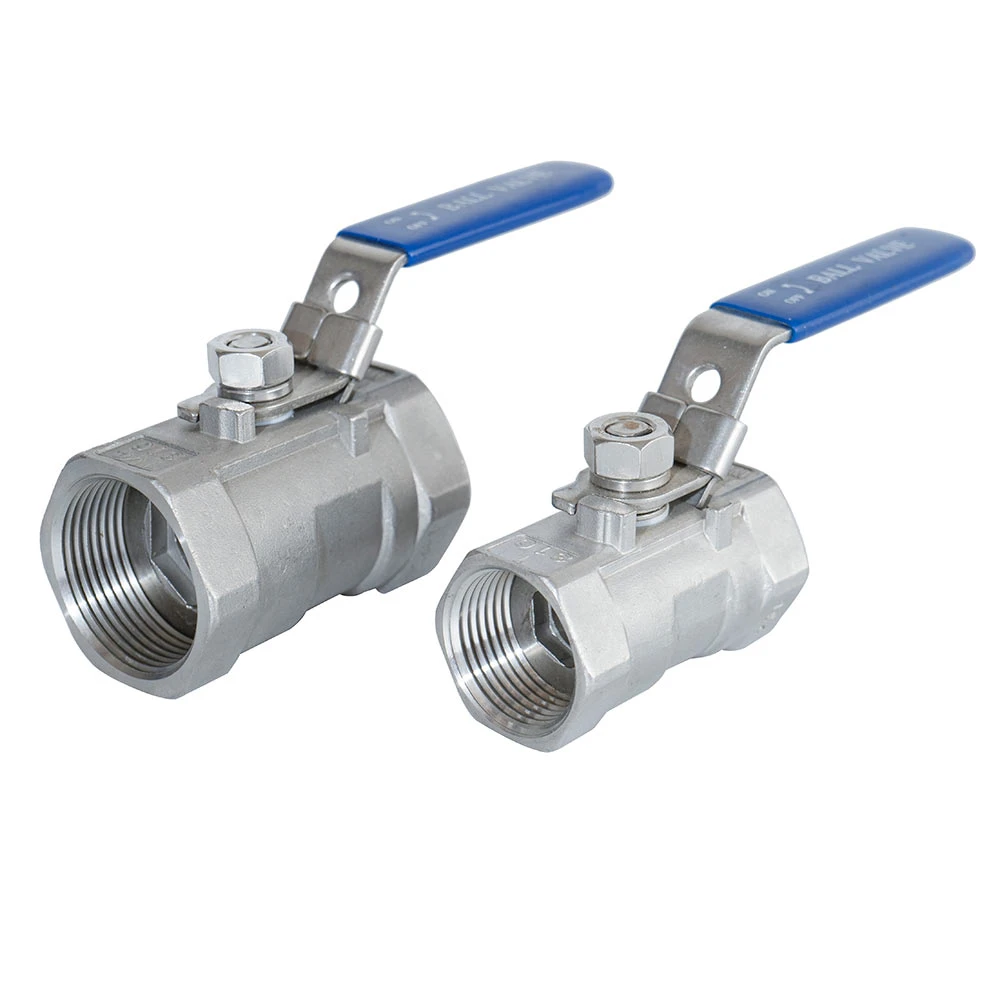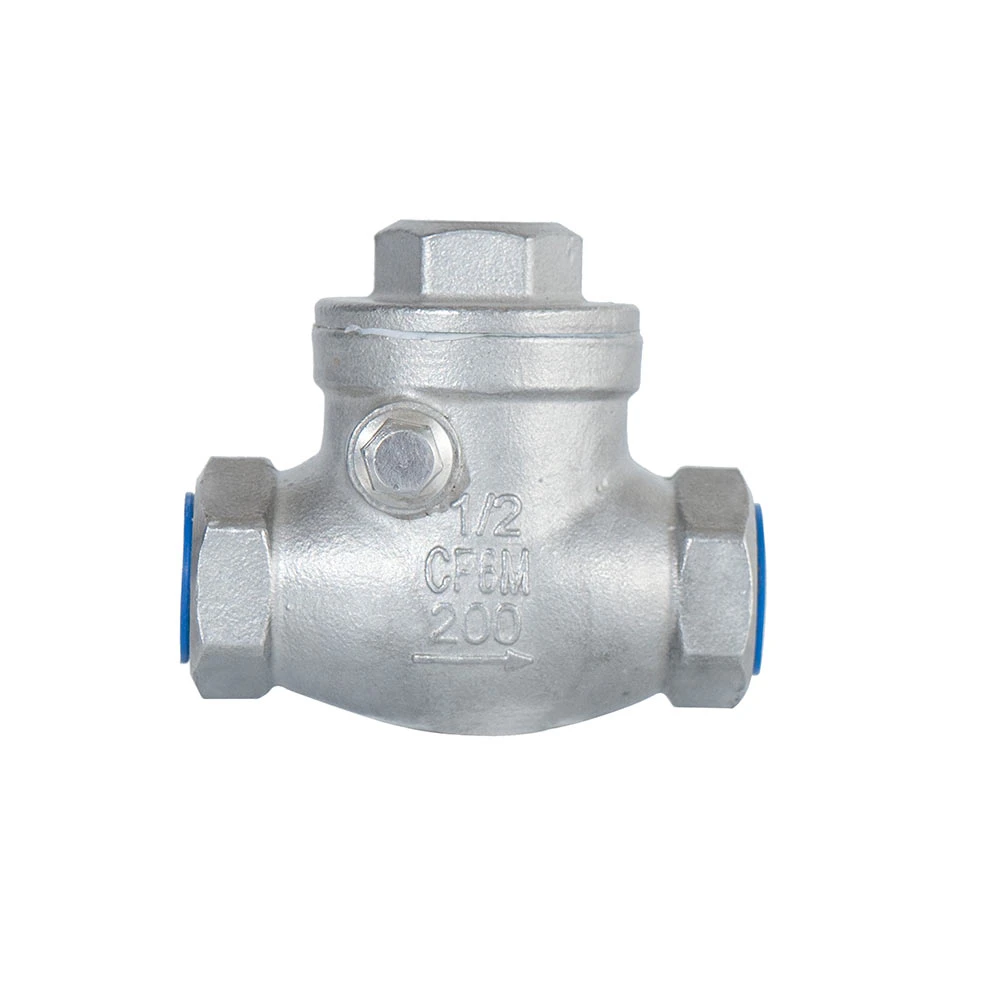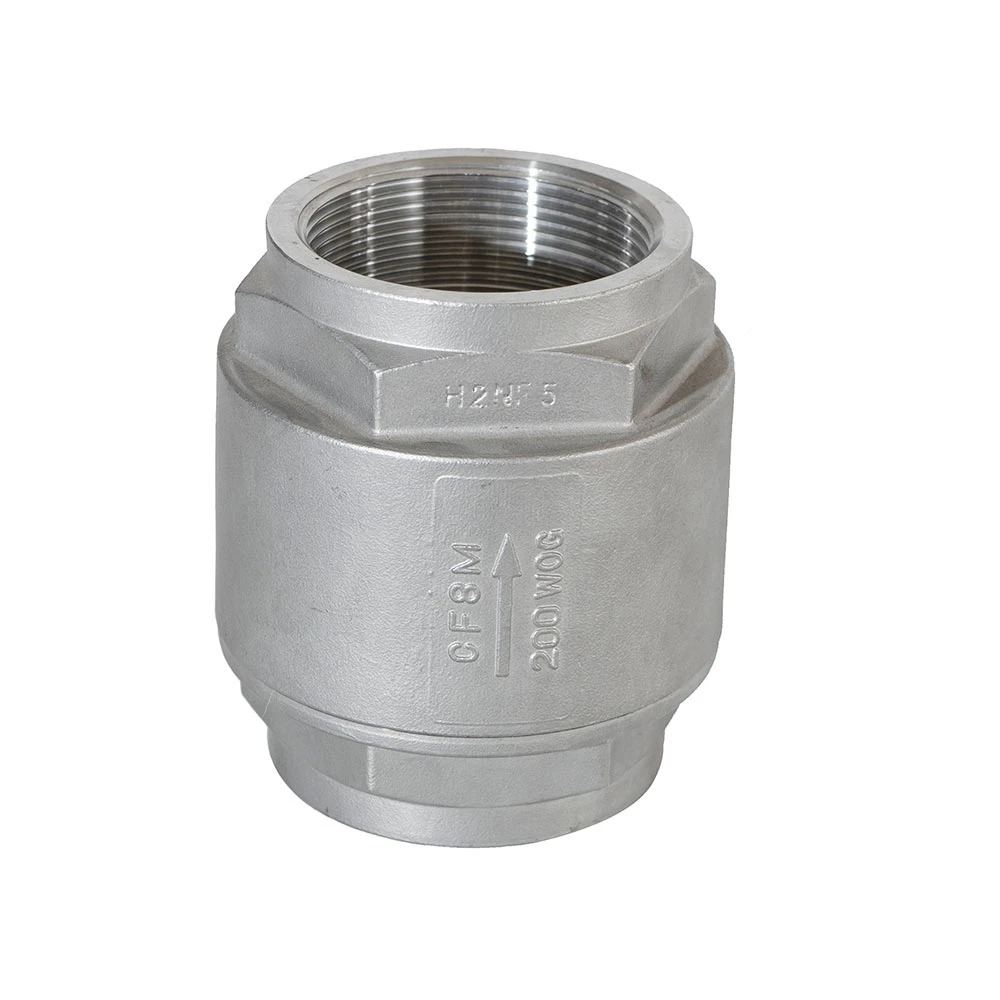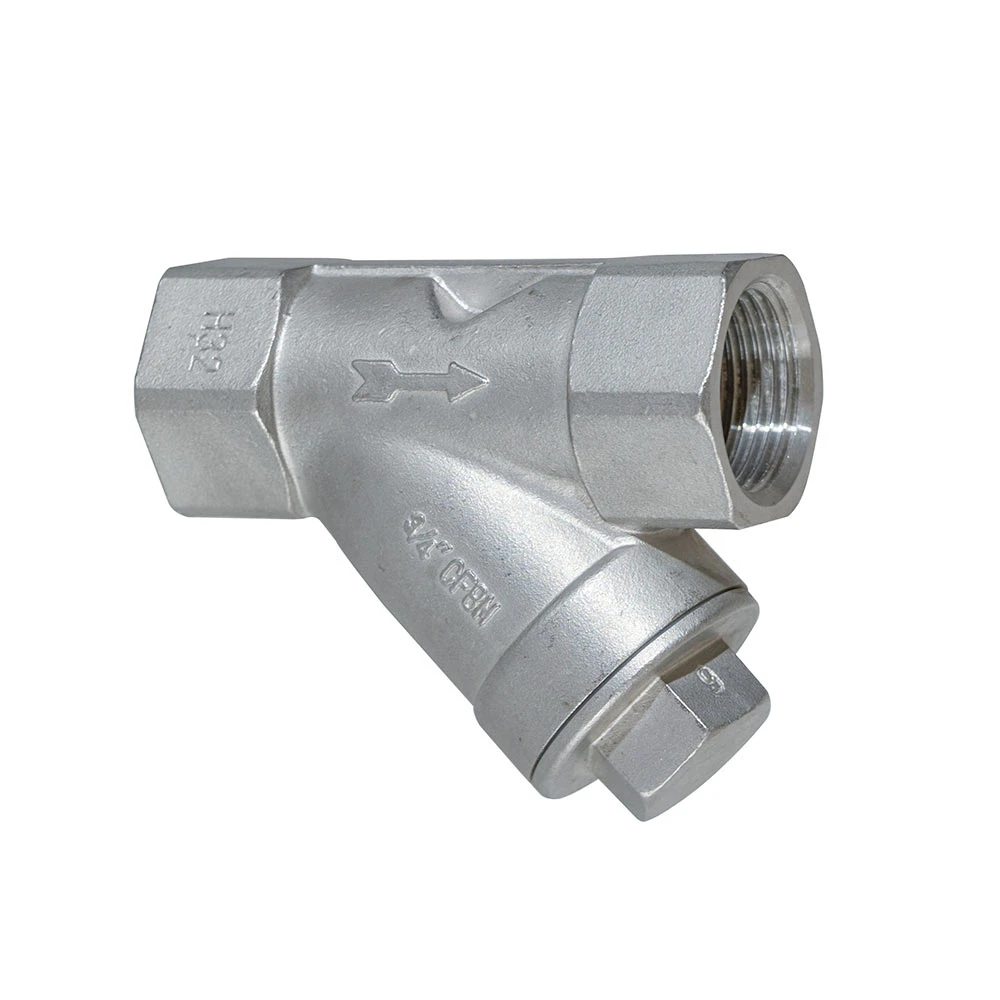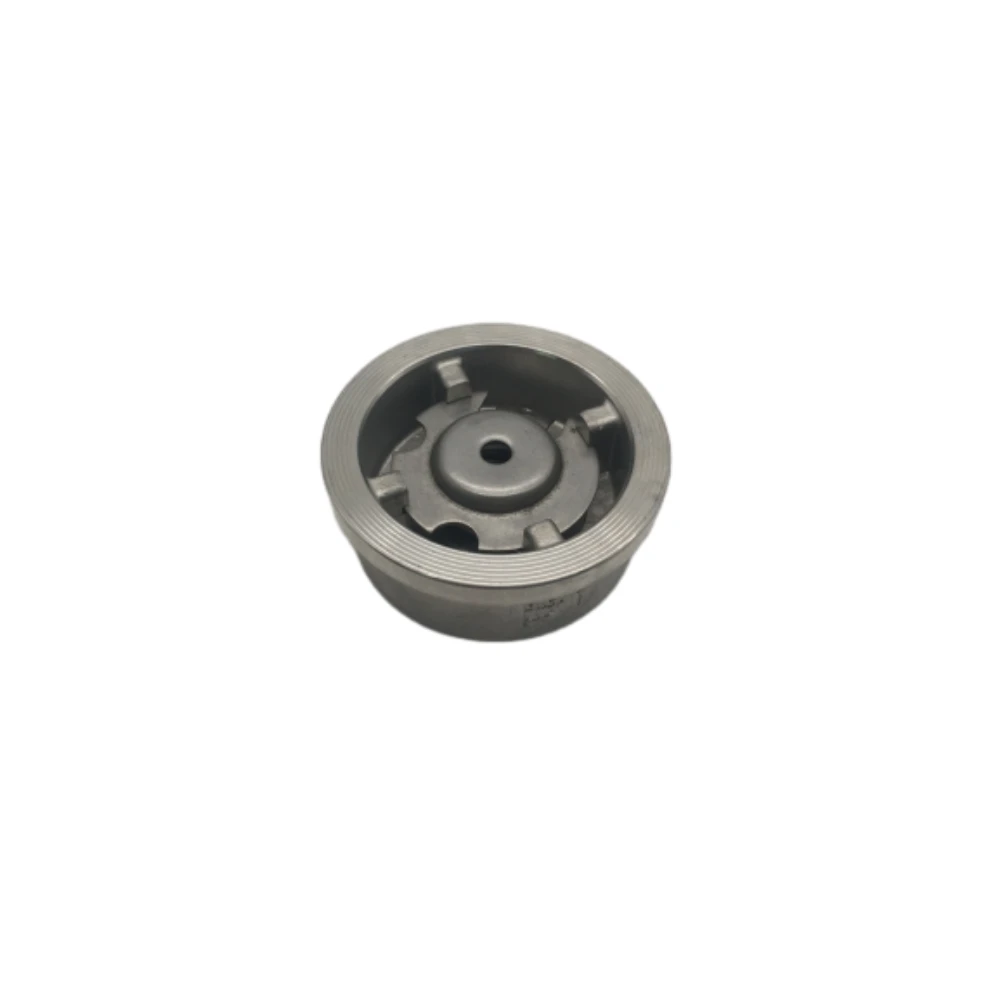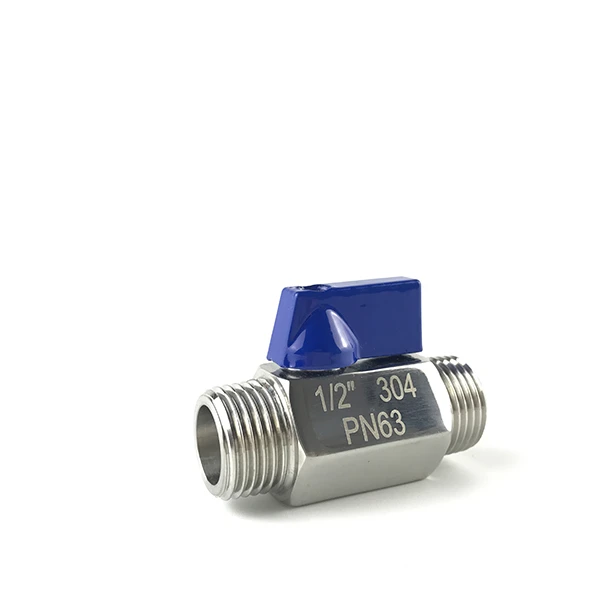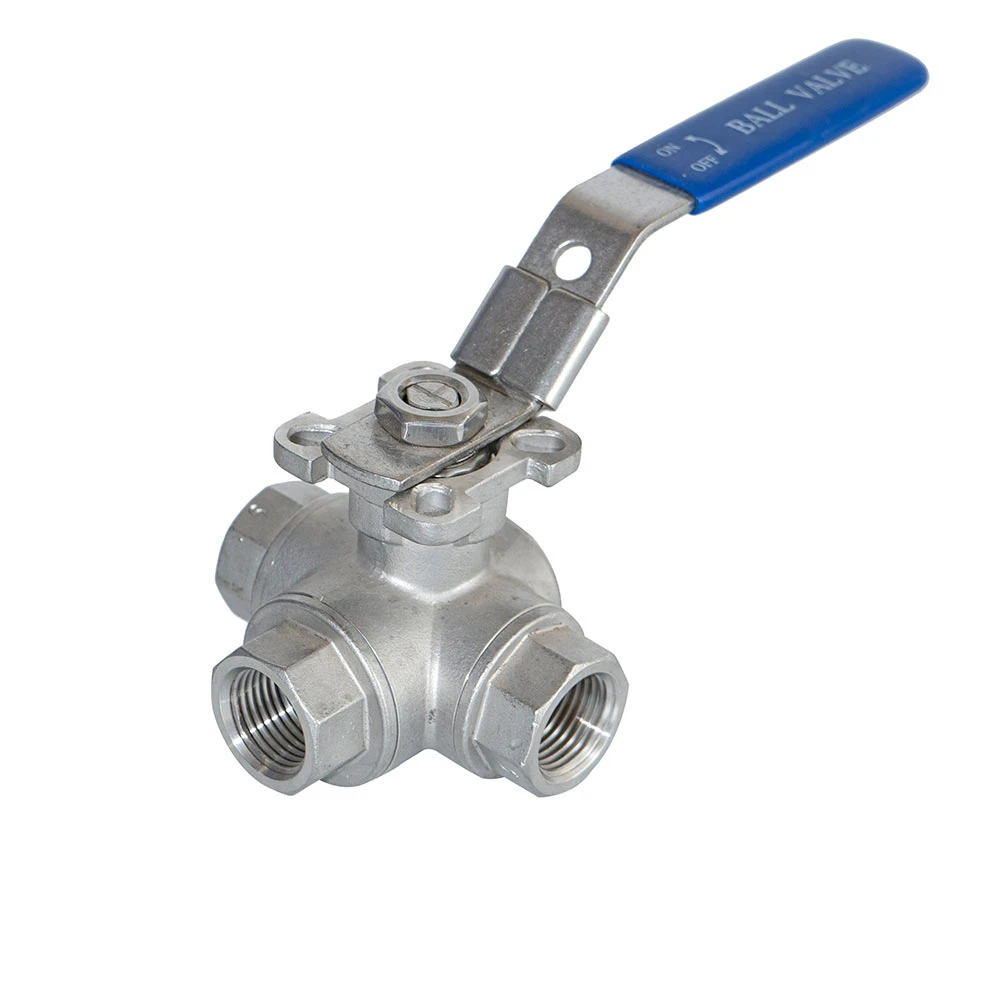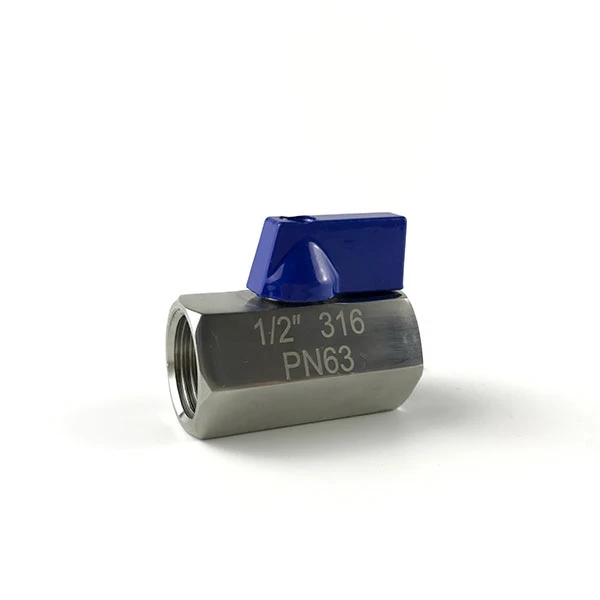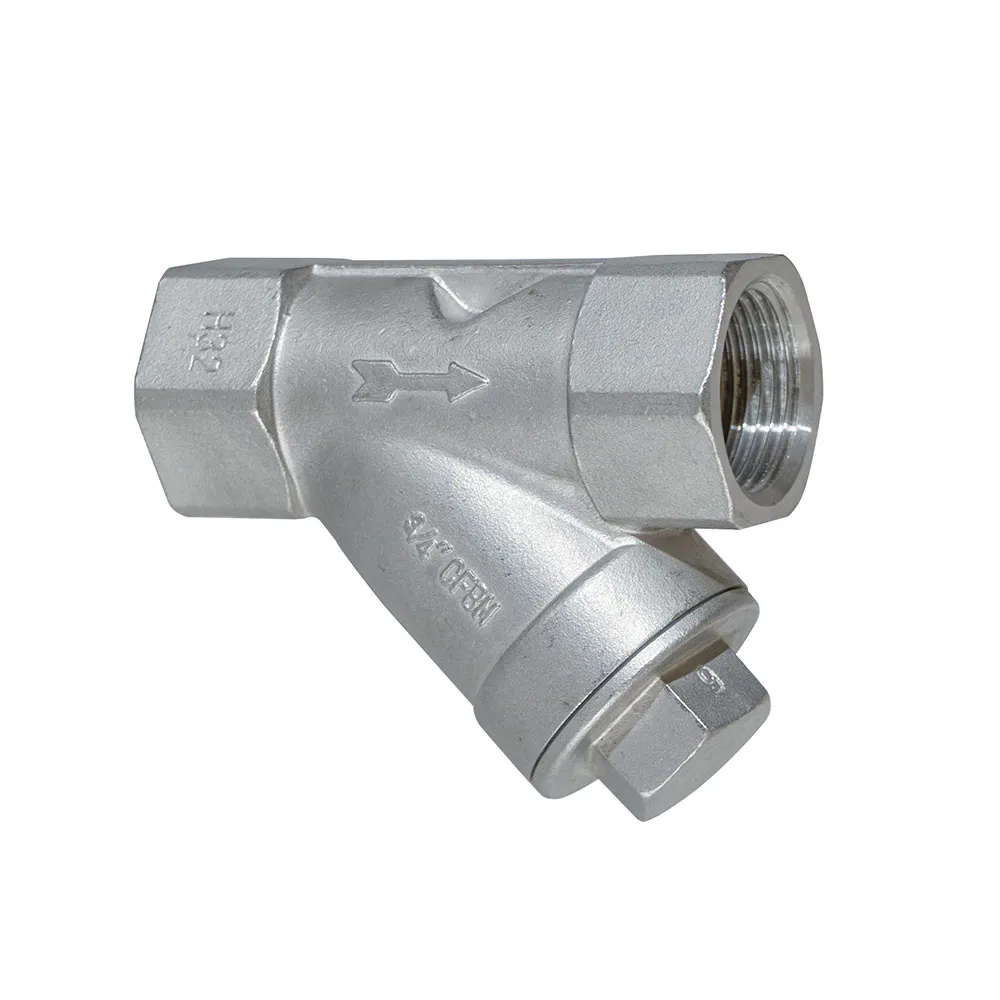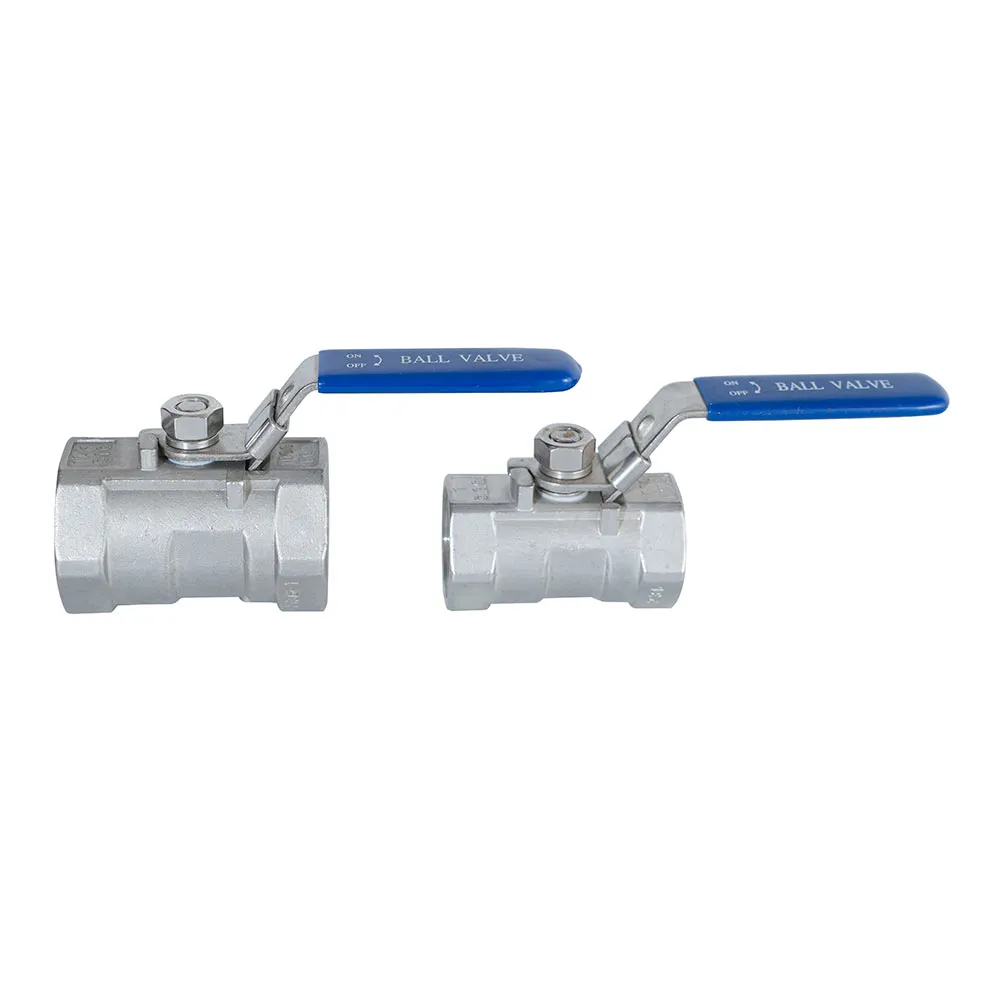
Stainless Steel Hydraulic Valves are a key solution in the industry, especially when durability and performance are non-negotiable. This article explores how https://www.houdevalve.com supports professionals with robust, high-performance products, and explains why these valves are an ideal choice for businesses in various industrial sectors.
Table of Contents
- Stainless Steel Hydraulic Valves Overview
- Benefits & Use Cases of Stainless Steel Hydraulic Valves
- Cost, Maintenance & User Experience
- Sustainability & Market Trends
Stainless Steel Hydraulic Valves Overview
In real terms, Stainless Steel Hydraulic Valves are precision-engineered components designed to withstand corrosive, high-pressure environments, controlling hydraulic fluid flow with great accuracy. Their stainless steel construction naturally offers superior corrosion resistance compared to conventional materials, which explains their growing popularity across industries exposed to harsh conditions.
You know, when I first studied these valves, the technical specs felt dense—but here’s a simple takeaway: these valves typically operate at pressures up to 350 bar (about 5,000 psi) and endure temperatures from -40°C to +150°C, depending on the exact grade. Manufacturers like Houde Valve test their products rigorously through fatigue and leak-resistance tests, ensuring tight tolerances and long service life.
| Specification | Detail |
|---|---|
| Material | 316L Stainless Steel (standard) |
| Operating Pressure | Up to 350 Bar (5,000 psi) |
| Operating Temperature | -40°C to +150°C (-40°F to +302°F) |
| Connection Types | Threaded, Flanged, Welded |
| Typical Applications | Oil & Gas, Marine, Chemical Processing |
Benefits & Use Cases of Stainless Steel Hydraulic Valves
Frankly, the main draw of stainless steel hydraulic valves is their resilience under extreme conditions. Industries like petrochemical refining, offshore drilling, and even food processing demand components that won’t rust or degrade—not just for safety, but for operational continuity.
One standout feature is the material's innate corrosion resistance, which drastically reduces downtime related to valve replacement or leaks. Also, these valves often come with highly customizable features for flow rates, pressure tolerances, and actuation types (manual, electric, pneumatic). Houde Valve, for instance, offers tailored solutions supporting specific industry standards, which in my conversations with engineers is a real advantage.
Many companies in sectors like marine engineering or chemical plants praise such valves for their high-pressure sealing capabilities—a detail that frankly isn’t always headline news but vital for controlled fluid handling.
Cost, Maintenance & User Experience
Here’s where it can get a bit nuanced. The initial investment in stainless steel hydraulic valves might be noticeably higher than cheaper alloys or plastics. But if you think of total cost of ownership, the durability often offsets those upfront costs. These valves tend to deliver better ROI because maintenance cycles are longer and unplanned stoppages are less frequent.
I reviewed feedback from multiple sectors and found a recurring theme: customers appreciate the predictability and lower lifecycle costs. For example, a mid-sized manufacturer reported cutting valve replacements by 60% after switching to stainless steel options from Houde Valve. That sort of real-world data speaks louder than marketing blurbs.
| Vendor | Material Grade | Price Range | Customization | Typical Delivery Time |
|---|---|---|---|---|
| Houde Valve | 316L Stainless Steel | Mid-High | High - Custom designs available | 3-6 weeks |
| Generic Supplier A | 304 Stainless Steel | Low-Mid | Limited | 4-8 weeks |
| Vendor B | Various Alloys | Varies | Medium | 5-7 weeks |
Sustainability & Market Trends
Oddly enough, the push toward sustainability is reshaping even the hydraulic valve space. Stainless steel’s recyclability is actually a significant plus—much more than you might think for an industrial part. With changing regulations pushing industries to limit waste and improve equipment longevity, stainless steel valves naturally fit into a more circular economy approach.
Moreover, market analyses show consistent growth in demand for these valves, especially in emerging markets and renewables like offshore wind. The trend toward precision and automation also fuels innovation in valve performance and integration, signaling a bright future for companies supplying trusted stainless steel solutions like Houde Valve.
Frequently Asked Questions about Stainless Steel Hydraulic Valves
- What is Stainless Steel Hydraulic Valves and how does it work?
- Simply put, these valves regulate the flow and pressure of hydraulic fluid in a system. Their stainless steel construction helps them stand up to tough environments where rust or contamination could be a problem.
- What are the main benefits of using Stainless Steel Hydraulic Valves in industrial applications?
- They offer high corrosion resistance, durability, and stable performance under extreme pressure and temperature variations, which improves system reliability and lowers maintenance costs in the long run.
- How does Stainless Steel Hydraulic Valves compare to traditional alternatives?
- Compared to brass or carbon steel valves, stainless steel types resist corrosion much better, last longer, and provide superior sealing. This often makes them more cost-effective despite higher upfront costs.
- What industries can benefit most from Stainless Steel Hydraulic Valves implementation?
- Primary sectors include oil & gas, marine, chemical processing, food & beverage, and heavy machinery manufacturing, where reliability and material compatibility are crucial.
Conclusion on Stainless Steel Hydraulic Valves from china
To wrap up, stainless steel hydraulic valves truly stand out for combining strength, corrosion resistance, and operational precision—qualities that professionals in demanding industries simply can’t compromise on. With vendors like Houde Valve offering custom solutions and proven quality, businesses looking for long-term reliability should definitely consider these valves a worthy investment.
Visit our website: https://www.houdevalve.com
A quick reflection: Choosing stainless steel hydraulic valves doesn’t just mean buying a product; it means investing in peace of mind for complex systems where failure is not an option.
- Houde Valve Technical Specifications Sheet, 2023
- Industry Insights: Hydraulic Valve Trends, HydroTech Journal, 2023
- Customer Case Study: Marine Sector Valve Adoption, Internal Report 2022