Understanding the Stainless Steel Isolation Valve
Having spent a fair chunk of my career in the industrial equipment sector, I’ve come to appreciate the quiet but vital role of components like the stainless steel isolation valve. You might not see them front and center, but they really keep operations safe and efficient.
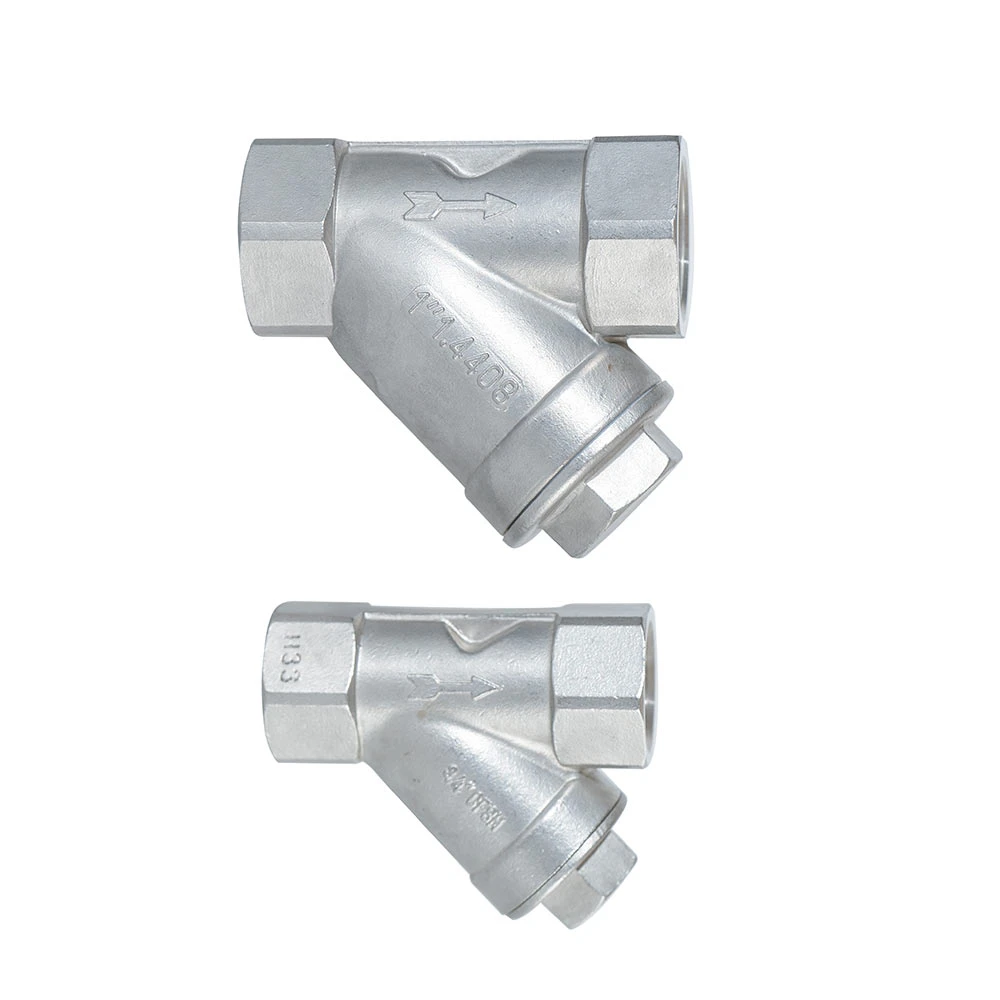
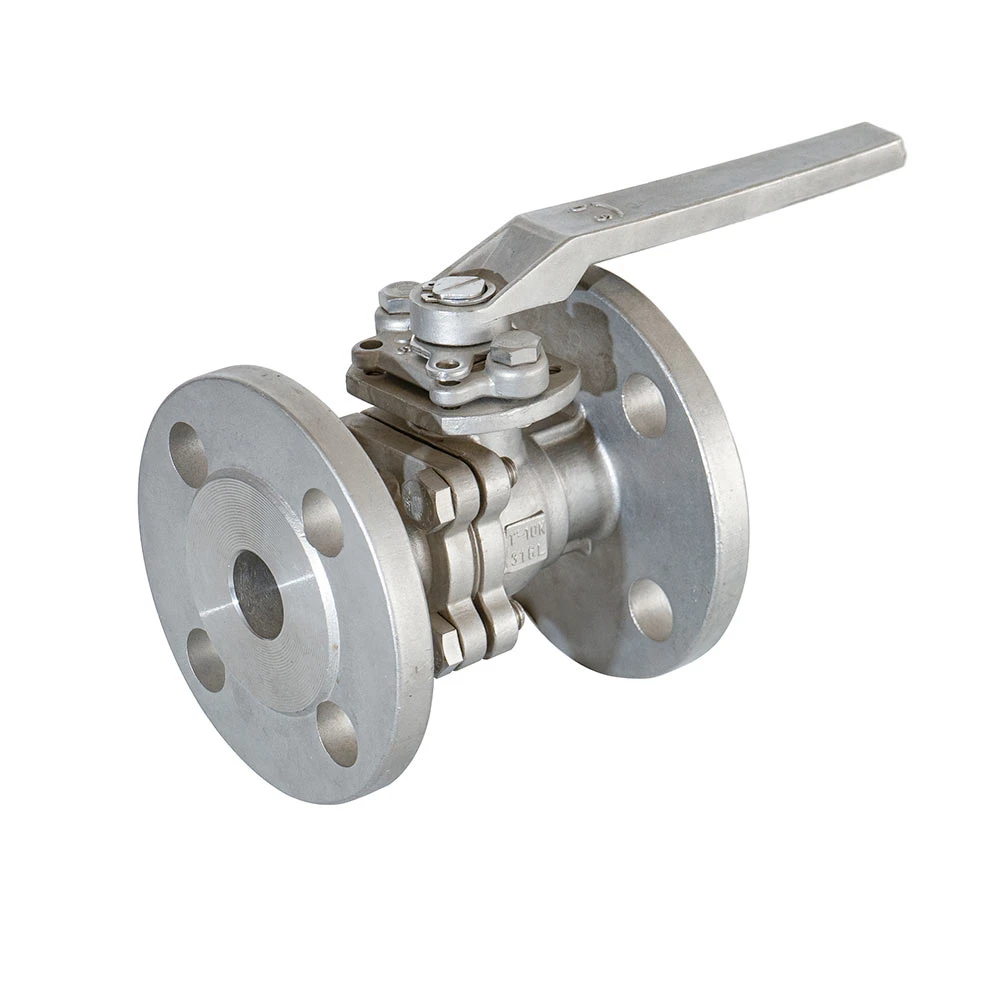
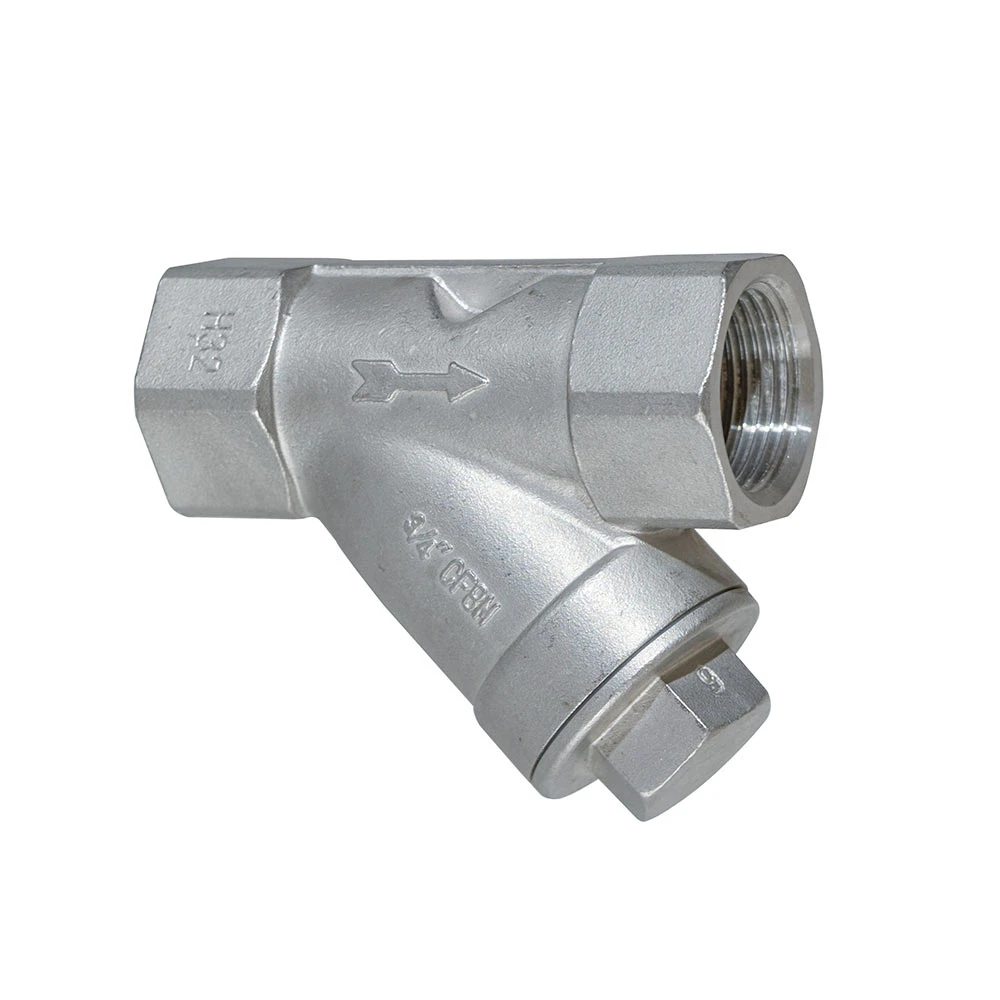
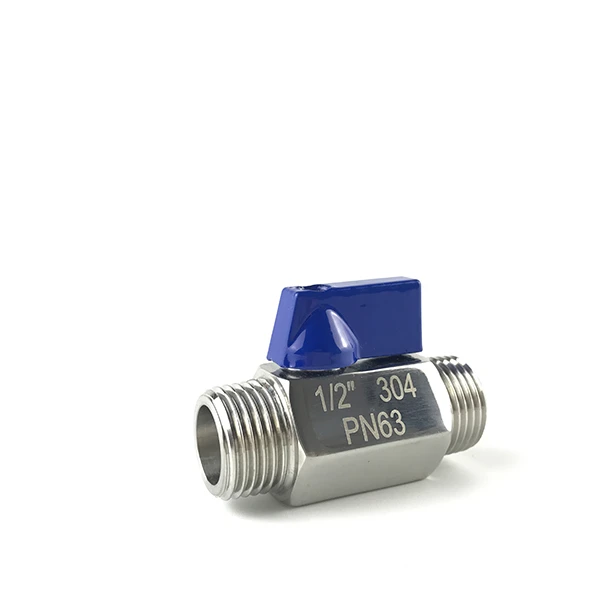
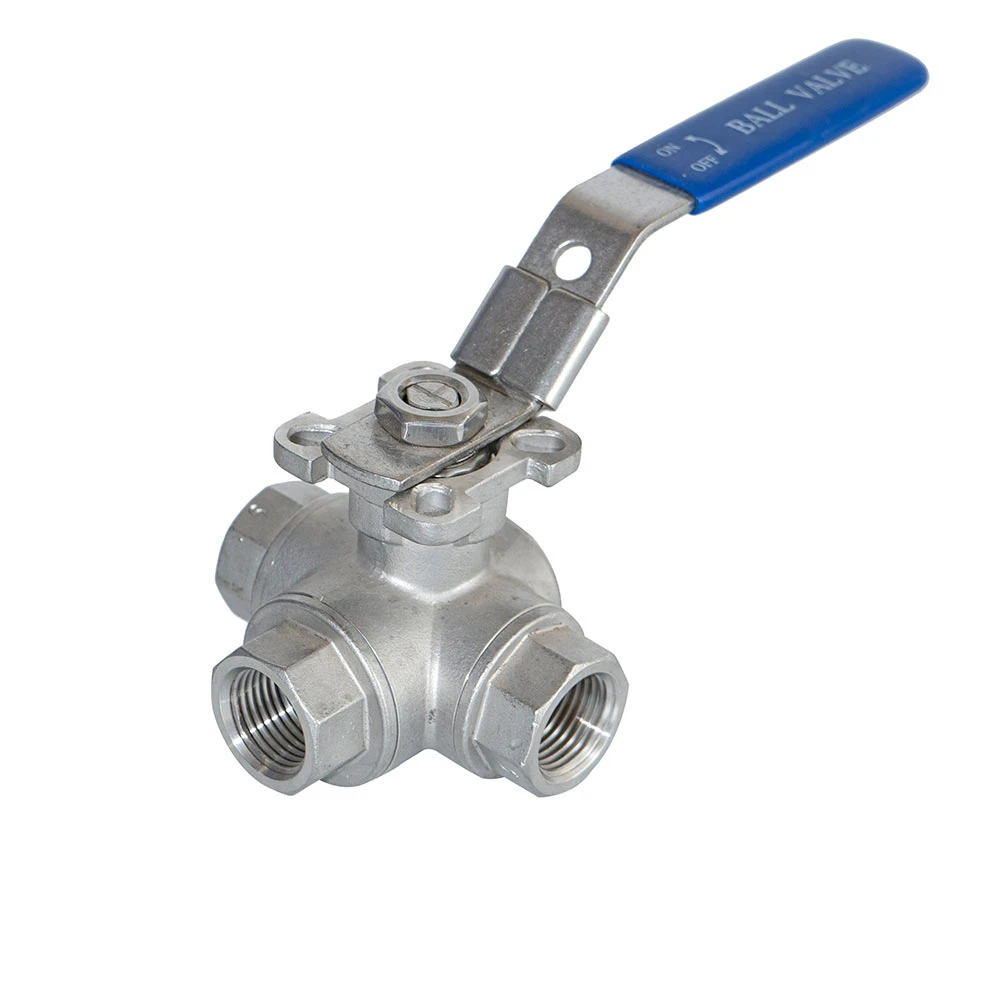
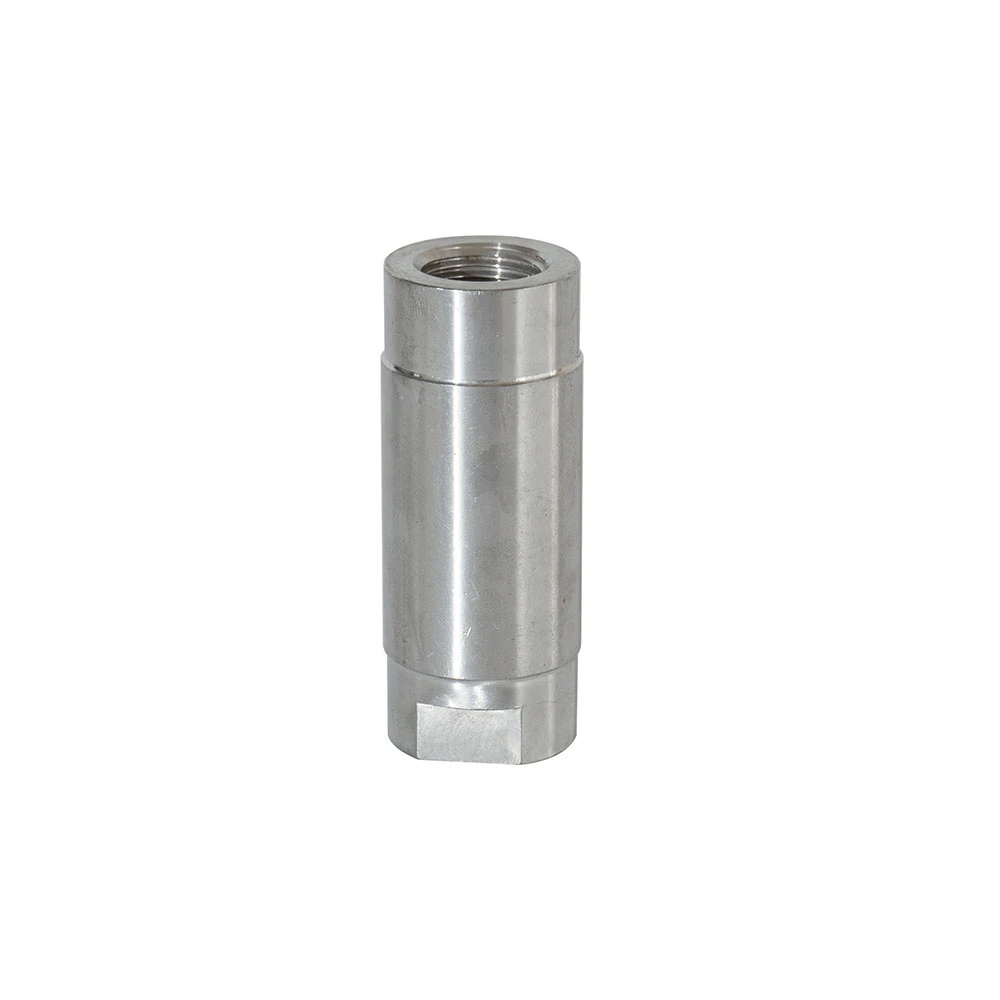
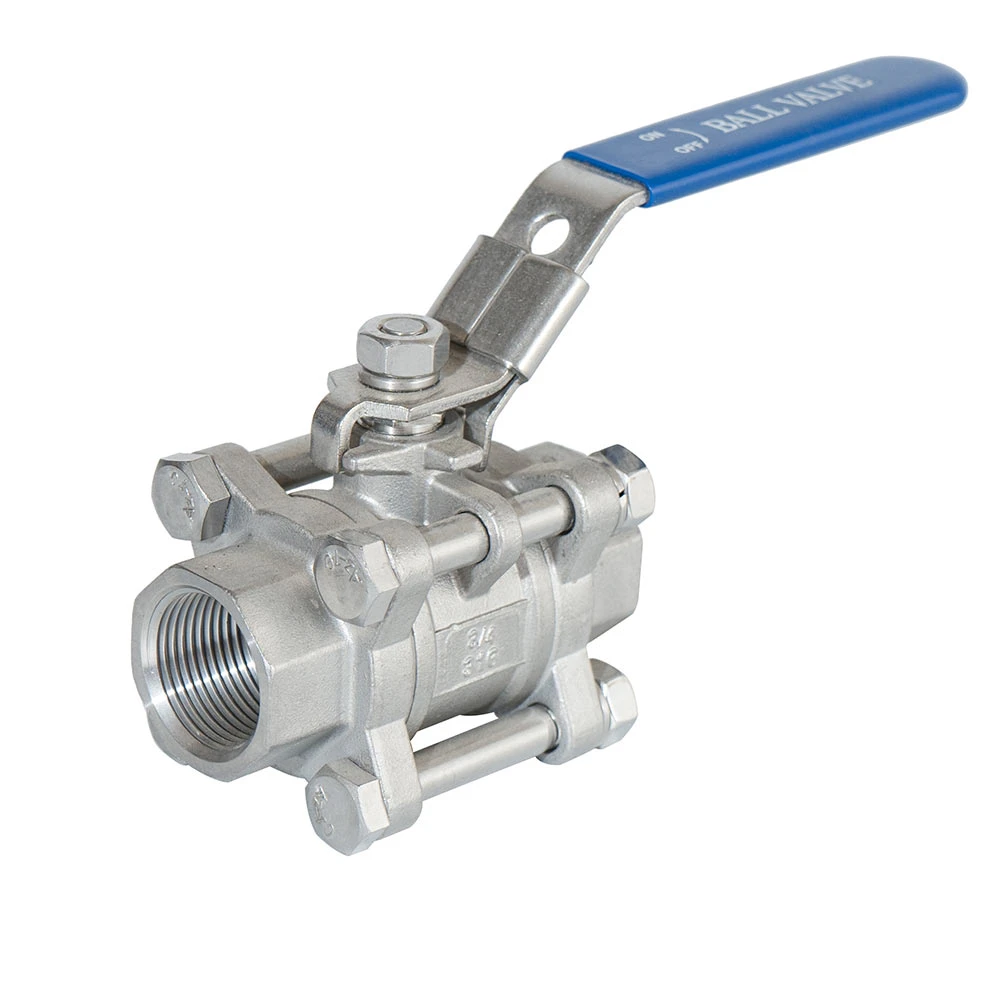
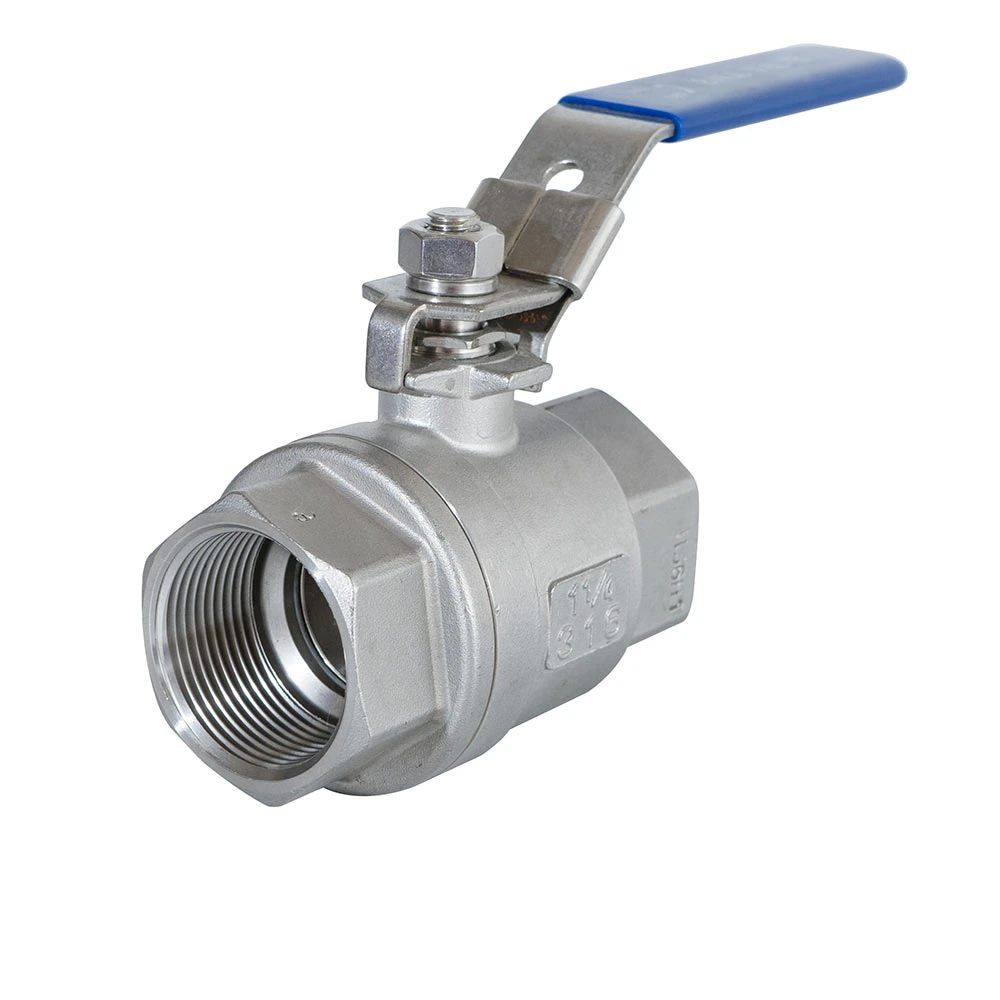
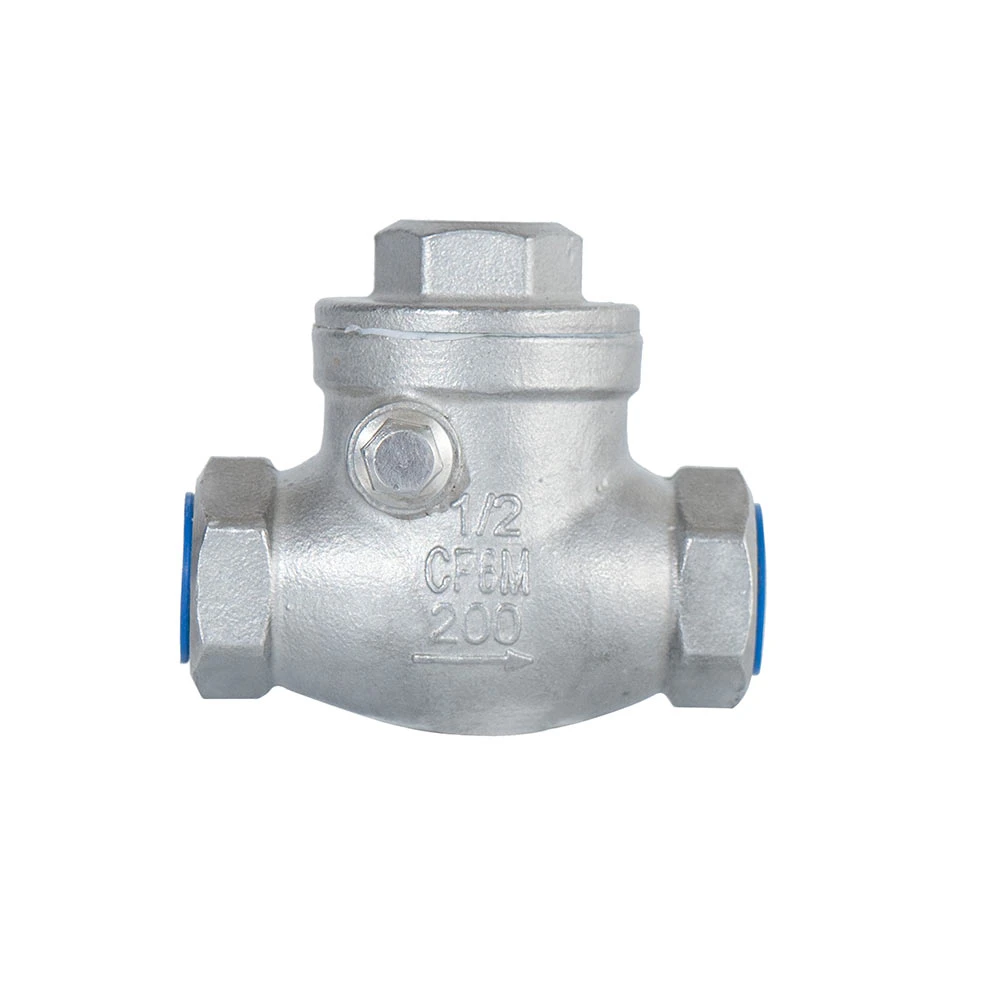
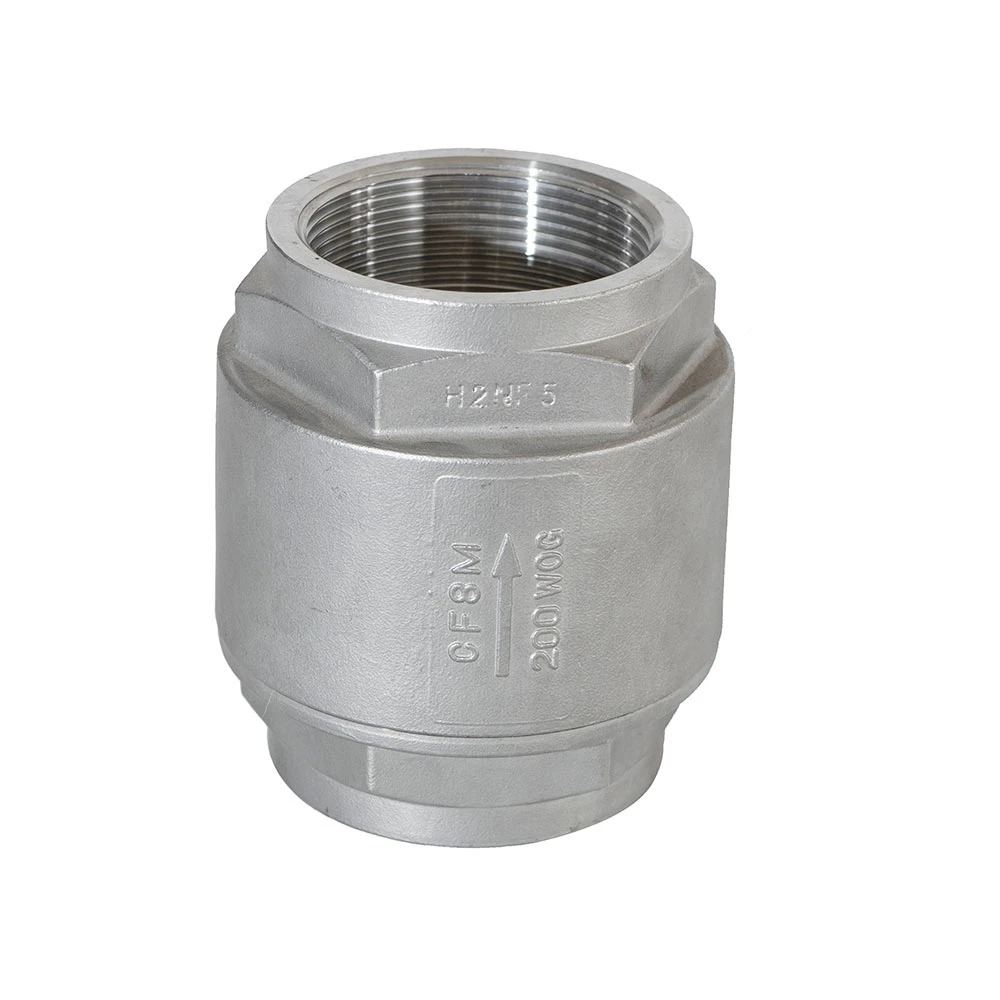
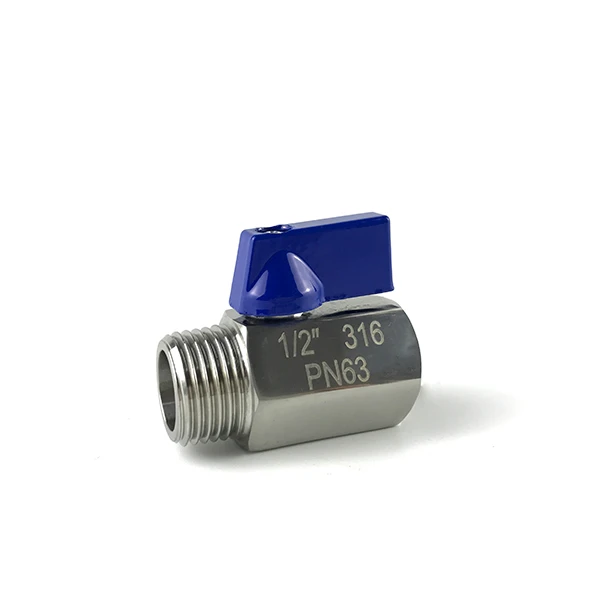
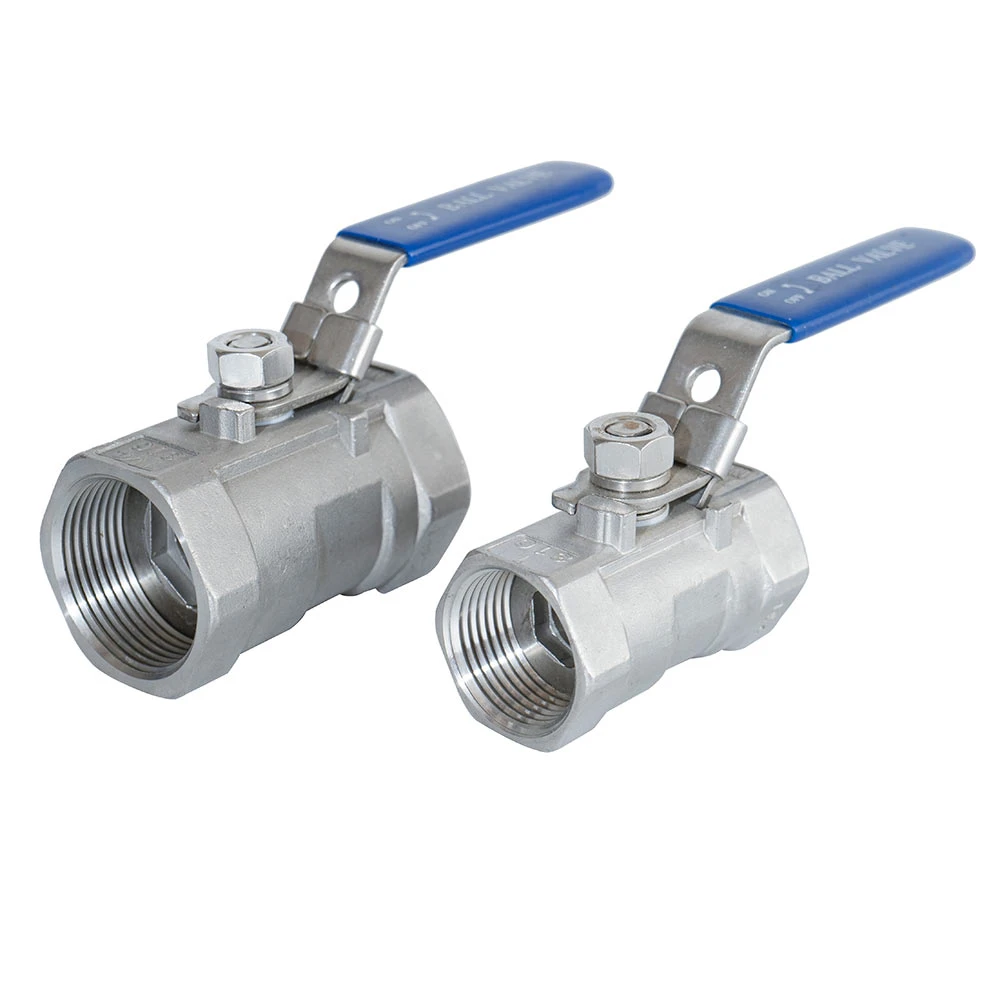
Isolation valves are essentially gatekeepers — they control flow by isolating sections of piping, often for maintenance or emergency shutdowns. When made of stainless steel, these valves bring the kind of robustness and corrosion resistance that’s critical in harsh industrial environments, especially where hygiene or chemical resistance is a must.
I remember working on a food processing line where the plant engineers swore by the durability of stainless steel isolation valves. The repeated washdowns (hot water, steam, cleaning agents) would quickly eat away lesser materials. Frankly, the valve’s longevity saved the client both downtime and costly replacements.
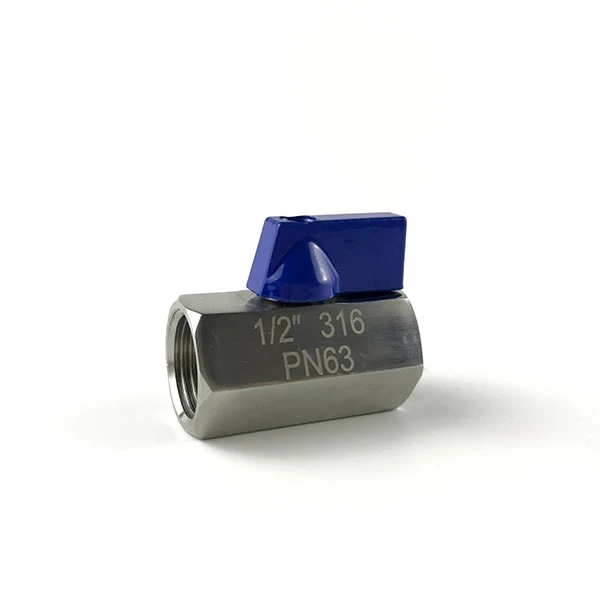
Stainless steel isolation valve designs generally focus on precision machining and tight sealing, often featuring resilient seats and polished internal surfaces for smooth operation. The standard grades used typically include 304 and 316 stainless steel — 316 being preferred for its molybdenum content, offering added corrosion resistance against chlorides.
Oddly enough, you’d be surprised how many valve manufacturers overlook testing under real-world cyclic conditions. I’ve witnessed valves that passed basic pressure tests but failed halfway through their first operational cycle in the plant. That's why I always look for products with thorough lifecycle testing and clear certifications.
| Feature | Specification |
|---|---|
| Material | 304 & 316 Stainless Steel |
| Pressure Rating | Up to 600 PSI (Class 300) |
| Temperature Range | -20°C to 200°C (-4°F to 392°F) |
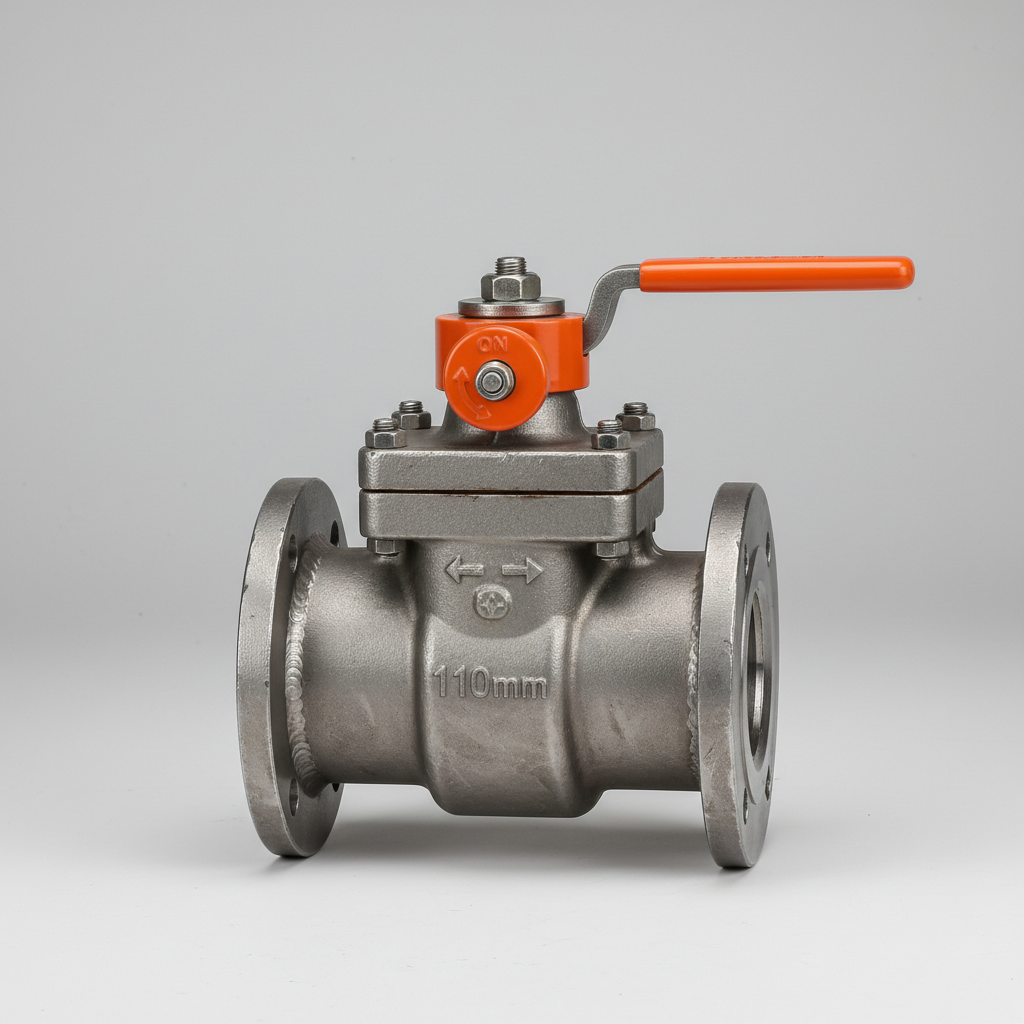
| Connection Types | Flanged, Butt Weld, Threaded |
| Seal Type | PTFE, Reinforced Graphite |
| Operation | Manual, Pneumatic Actuation Options |
There’s a subtle engineering challenge in balancing valve sealing tightness with ease of operation. Too tight, and operators struggle to turn it; too loose, and you risk leaks. The best stainless steel isolation valves strike this balance with high-precision seats and sometimes advanced coatings or polishing to reduce friction.
Let me say: customization is often the name of the game — valves can come with special trims for acidic environments or FDA-approved materials for pharma applications. You know, no one size truly fits all, and I always advise clients to specify their operating conditions clearly.
| Vendor | Material Grade | Pressure Rating | Testing Certs | Customization | Typical Lead Time |
|---|---|---|---|---|---|
| Houde Valve | 304 / 316L | Up to 600 PSI | API 6D, CE, ISO 9001 | Full OEM Options | 4-6 weeks |
| Vendor B | 304 | Up to 400 PSI | ISO 9001 | Limited | 6-8 weeks |
| Vendor C | 316L | Up to 500 PSI | API 6D | Moderate | 5-7 weeks |
When considering a valve supplier, I always look beyond the specs — after all, service, delivery reliability, and after-sales support make or break a project. Houde Valve, for instance, impressed me with their willingness to assist in design tweaks and their consistent quality control.
In real terms, a quality stainless steel isolation valve isn’t just a “pipe part.” It’s an investment in your process safety and operational continuity. I suppose, if you’ve ever had a valve fail unexpectedly, you appreciate the value of doing the homework upfront.
Takeaway: When it comes to stainless steel isolation valves, attention to detail—from material grade to testing and vendor service—makes all the difference.
References:
1. API 6D Valve Standards Documentation
2. User feedback from food processing plant engineers (2022)
3. Material specifications for 304 and 316 Stainless Steel from ASM International