A Closer Look at Stainless Steel Petcock Valves
Having spent well over a decade fiddling with and specifying industrial valves on the plant floor, I can tell you that stainless steel petcock valves are one of those small components that quietly punch way above their weight. They’re not the flashy bits of equipment, but when you’re dealing with systems that require precision venting, drain, or pressure release, they really come into their own.
Now, stainless steel petcock valves stand out for their corrosion resistance and durability. This isn’t just marketing fluff. In environments like chemical processing, food and beverage, or even outdoor machinery exposed to the elements, you need a valve that won’t warp, rust, or degrade. Frankly, some early projects I was part of had valves made from inferior materials, and after a season or two, leaks started creeping in – which is frustrating (and costly).
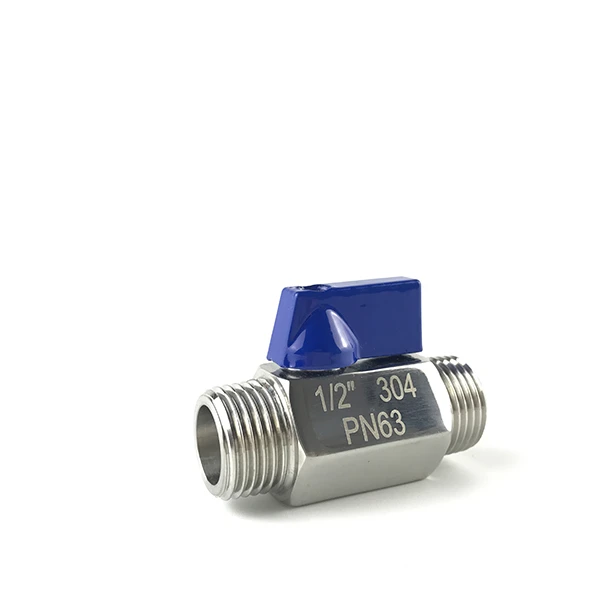
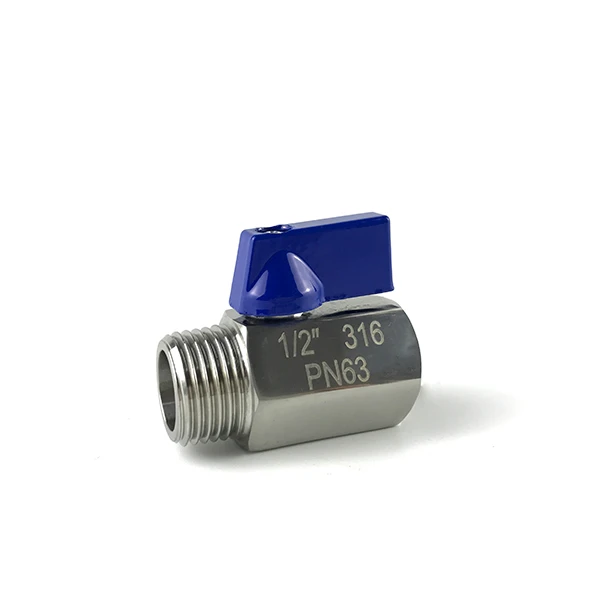
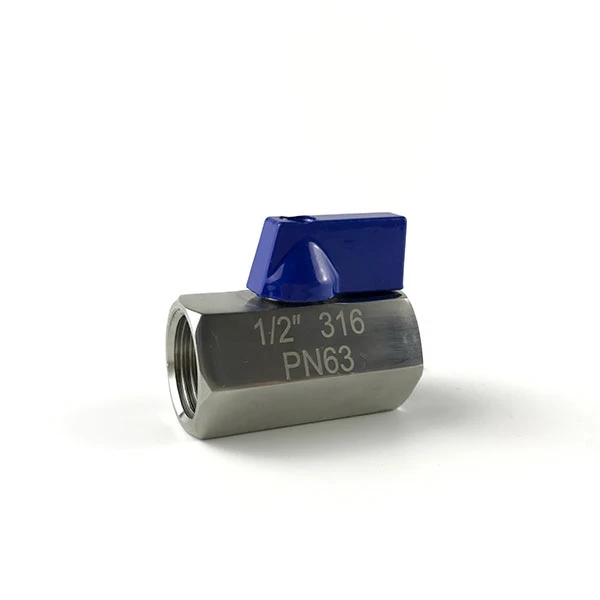
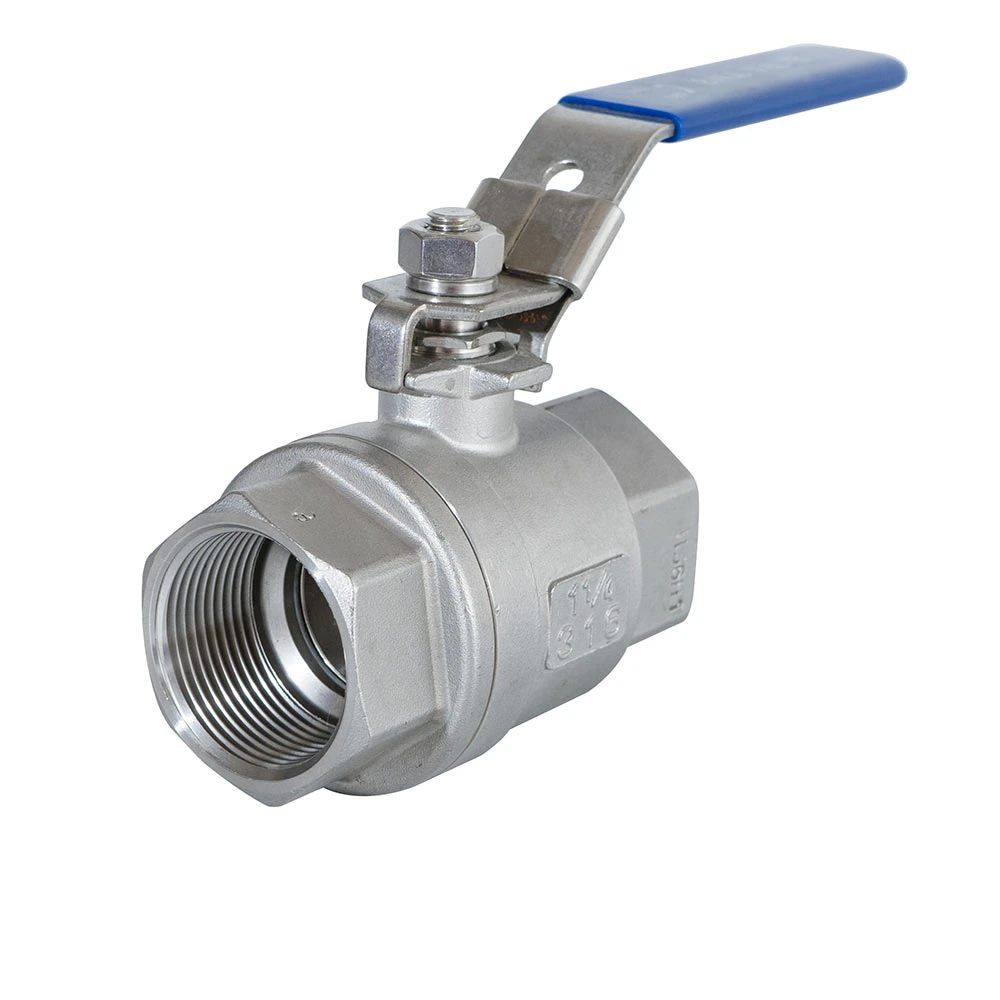
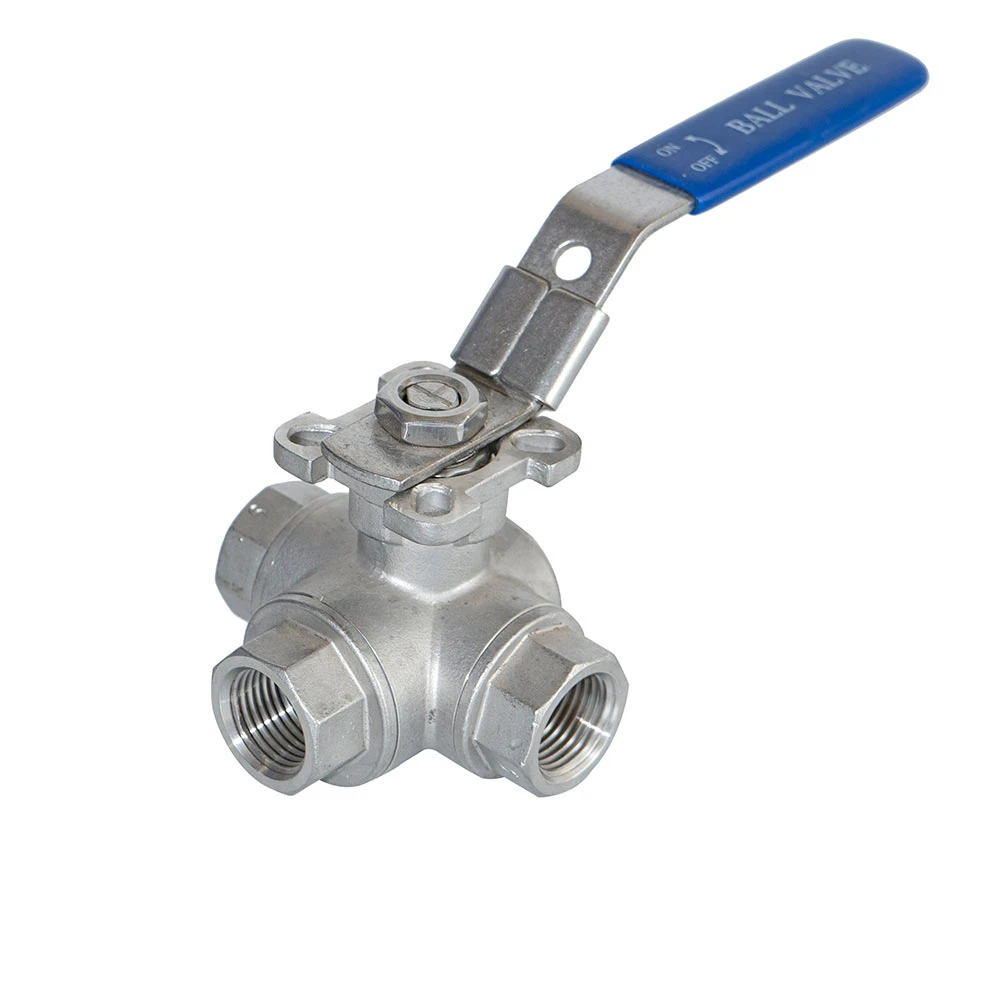
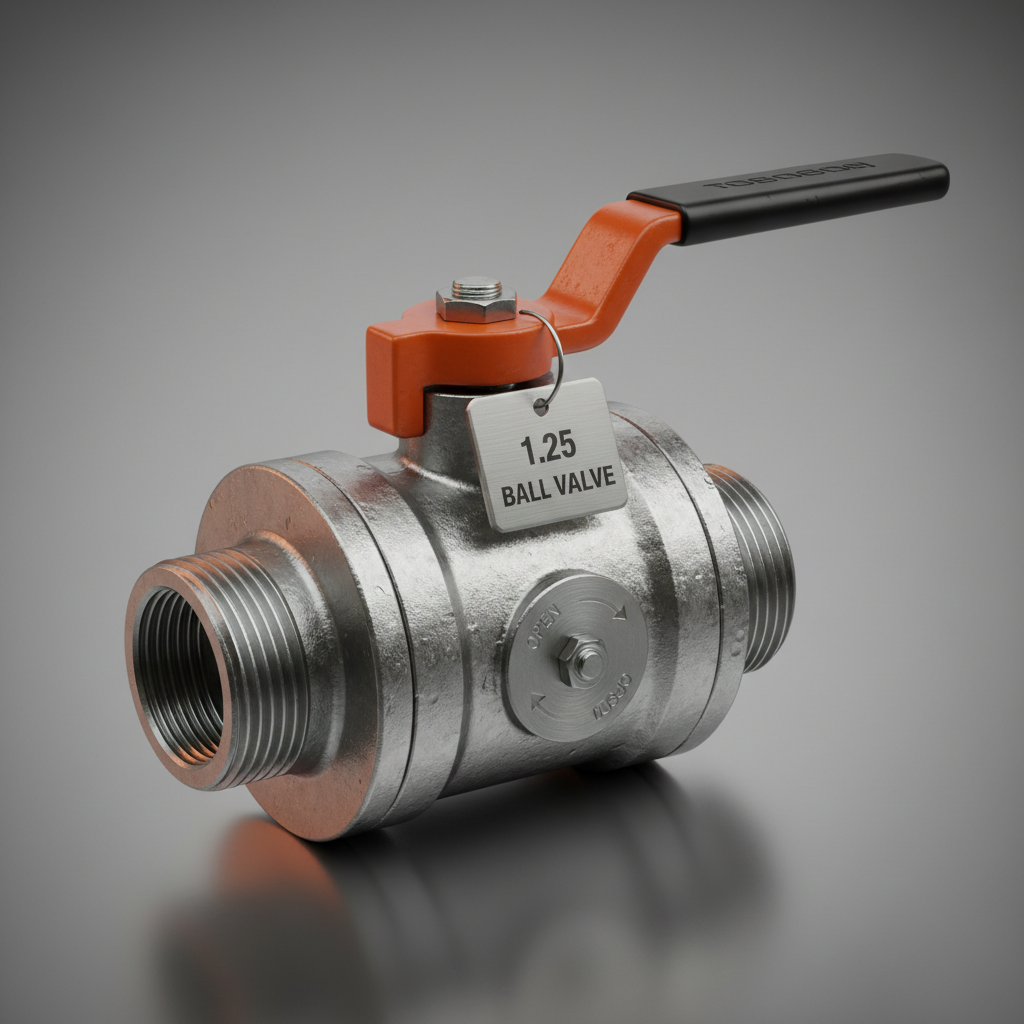
One thing that surprises many newcomers to the field is how a petcock valve’s design impacts its longevity and ease of use. It’s often a compact ball valve with a simple quarter-turn function, but nuances like handle ergonomics, seal materials, and thread type matter. Oddly enough, the best valves I've handled had a slightly textured handle offering extra grip even with oily gloves on – small ergonomic wins like that aren’t always obvious at first.
Testing is another crucial aspect. Reliable valves undergo pressure and leak tests to ensure they perform under specific conditions. You might find these specs in sheets, but seeing real operational data or certifications is reassuring. Manufacturers that provide traceability records tend to be more trustworthy — something I personally look out for when sourcing components. It’s pretty much a basics checklist: stainless steel body (usually 304 or 316 grades for superior corrosion resistance), PTFE or Viton seals depending on chemical exposure, and thread standards like BSP or NPT that match your system.
Here’s a quick rundown on typical specs for stainless steel petcock valves. Keep in mind, these values can vary by model and manufacturer, but it’ll give you a useful snapshot:
| Feature | Typical Value | Notes |
|---|---|---|
| Material | Stainless Steel 304 or 316 | 316 preferred in harsh/chemical environments |
| Seal Type | PTFE or Viton | Depends on chemical compatibility |
| Connection | 1/8" to 1/2" NPT or BSP threads | Standard pipe thread sizes |
| Operating Pressure | Up to 250 PSI (varies with size) | Check specific valve rating |
| Temperature Range | -20°C to 200°C (approx.) | Seal material dependent |
Choosing the right vendor for petcock valves can be a bit of a minefield, frankly. I’ve worked with a handful over the years — some big names, some smaller specialists. Here’s a little comparison I put together that might help you spot the differences:
| Vendor | Material Grades Offered | Customization | Testing & Certification | Lead Time |
|---|---|---|---|---|
| Houde Valve | 304, 316 | Yes, including thread and seal options | Full pressure & leak test; certification available | 2-4 weeks |
| General Valve Co. | 304 only | Limited customization | Basic testing only | 1-3 weeks |
| Industrial Parts Ltd. | 316 and specialty alloys | Custom designs for bulk orders only | Pressure testing, no certification | 4-6 weeks |
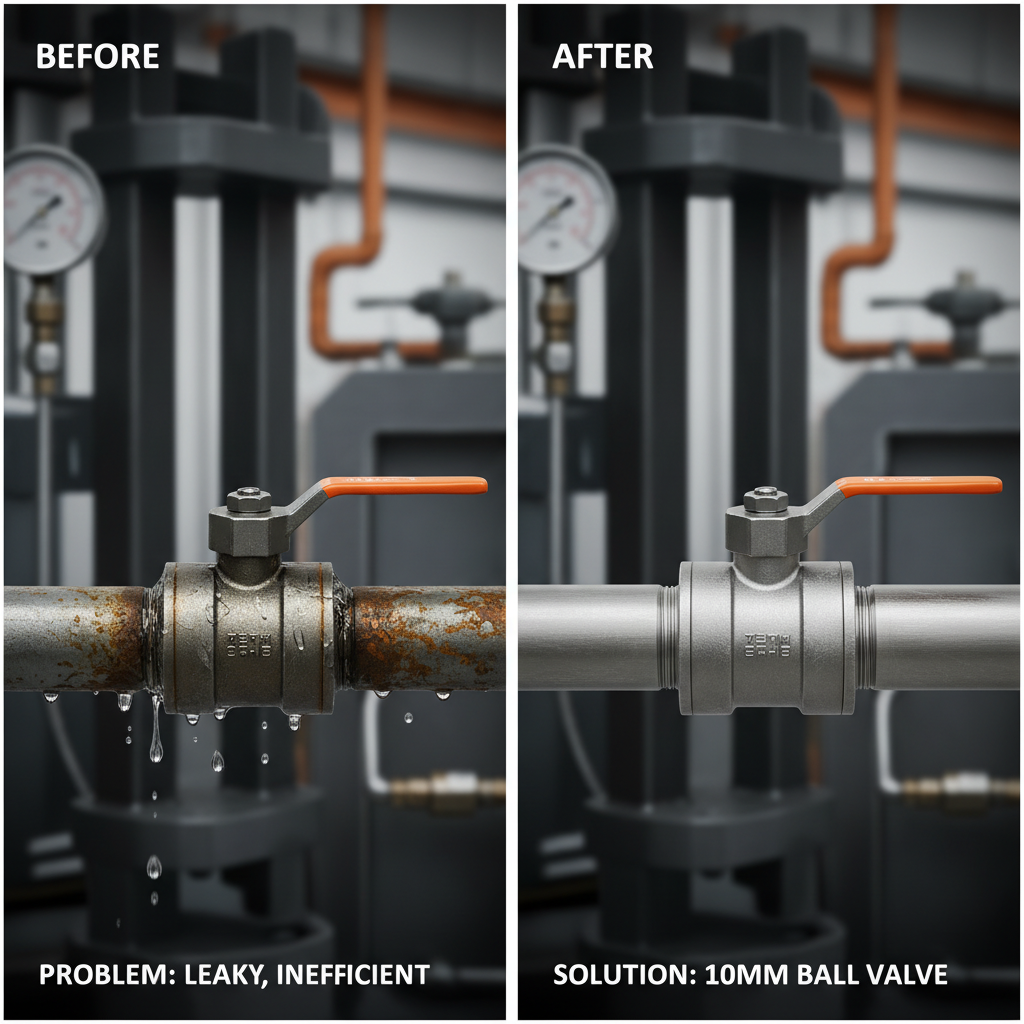
I remember a recent project where a mid-sized food processing plant had recurring minor leaks at their drainage points. They swapped out older carbon steel petcock valves for some rugged stainless steel types sourced through a reliable supplier and never looked back. The maintenance team was thrilled – no more “daily drips” and downtime reduced significantly. That sort of ROI speaks volumes.
So, if you ask me, stainless steel petcock valves are the unsung heroes. Robust, simple, and if chosen and installed right, they just work – reliably and quietly. It’s a niche but critical piece of the industrial puzzle. If you want to browse some quality options, I’d suggest starting with Houde Valve. Their track record for customization and testing is solid, which frankly gives peace of mind.
Bottom line? In industrial equipment, sometimes the devil’s in the details, and stainless steel petcock valves are a fine example. They may be small, but ensuring you pick the right ones can save headaches down the line.
References:
1. Valve Engineering Handbook, 4th Edition.
2. ASME Boiler and Pressure Vessel Code – Material Specifications.
3. Houde Valve Product Catalog.