Understanding the Versatility of a 2.5 Inch Ball Valve
When it comes to fluid control in various industries, the 2.5 inch ball valve is a crucial component. Known for its robust design and reliable performance, it's utilized extensively in applications ranging from irrigation to chemical processing. This article provides an in-depth look at the features, applications, benefits, and considerations when selecting a 2.5 inch ball valve, focusing on insights from Houde Valve, a leading manufacturer in the field. Understanding the specifics of these valves is vital for ensuring efficient and safe operation in your system.
Key Features of a 2.5 Inch Ball Valve
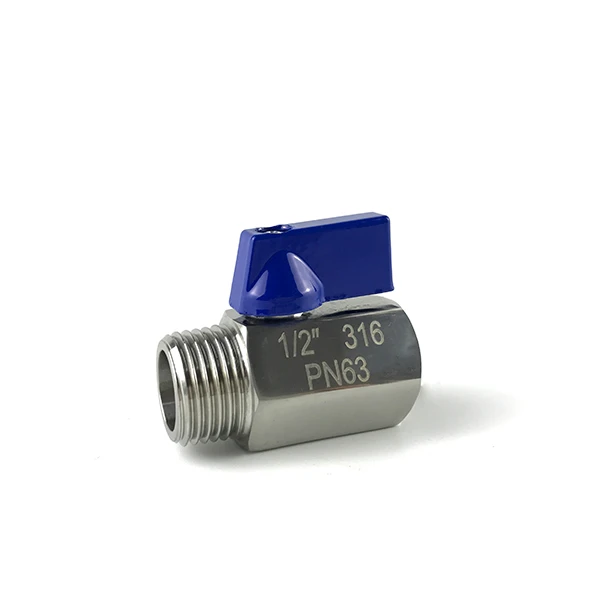
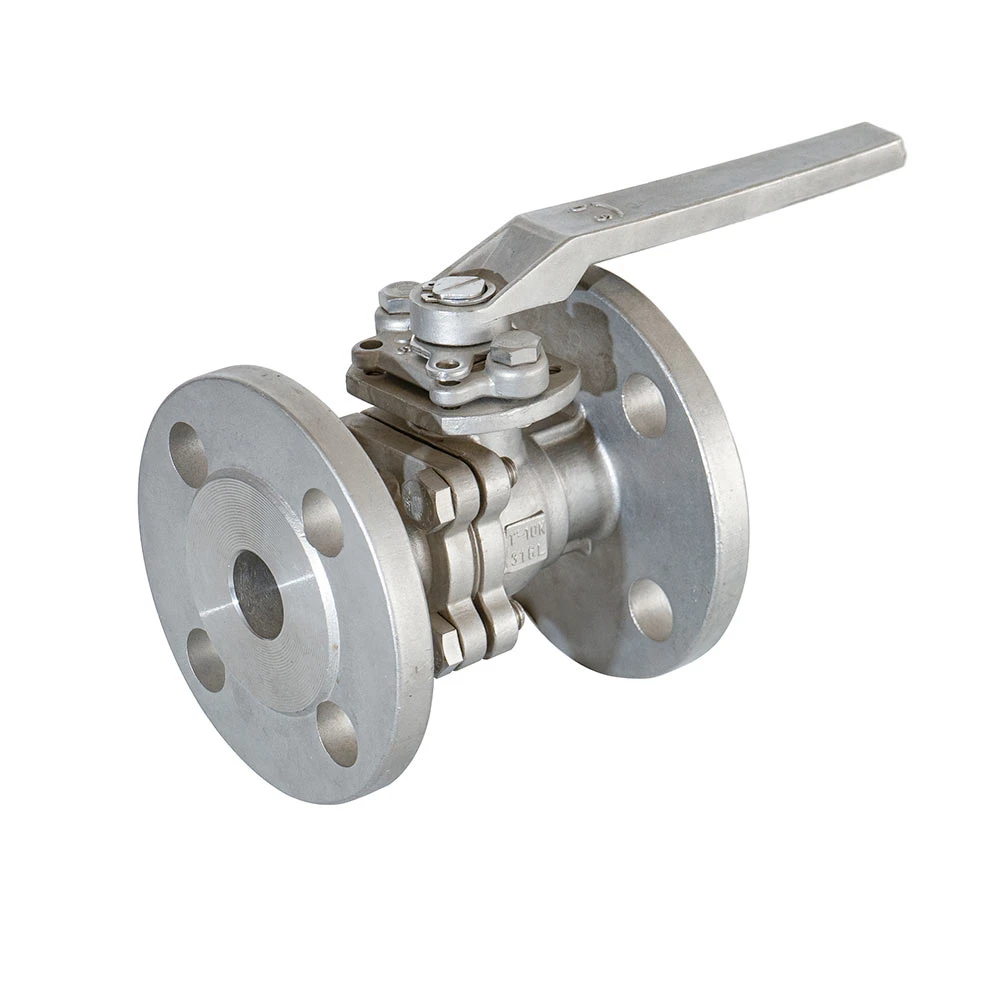
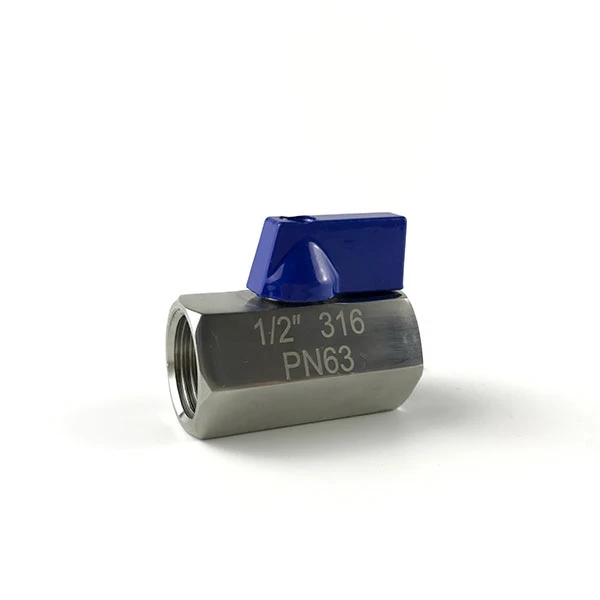
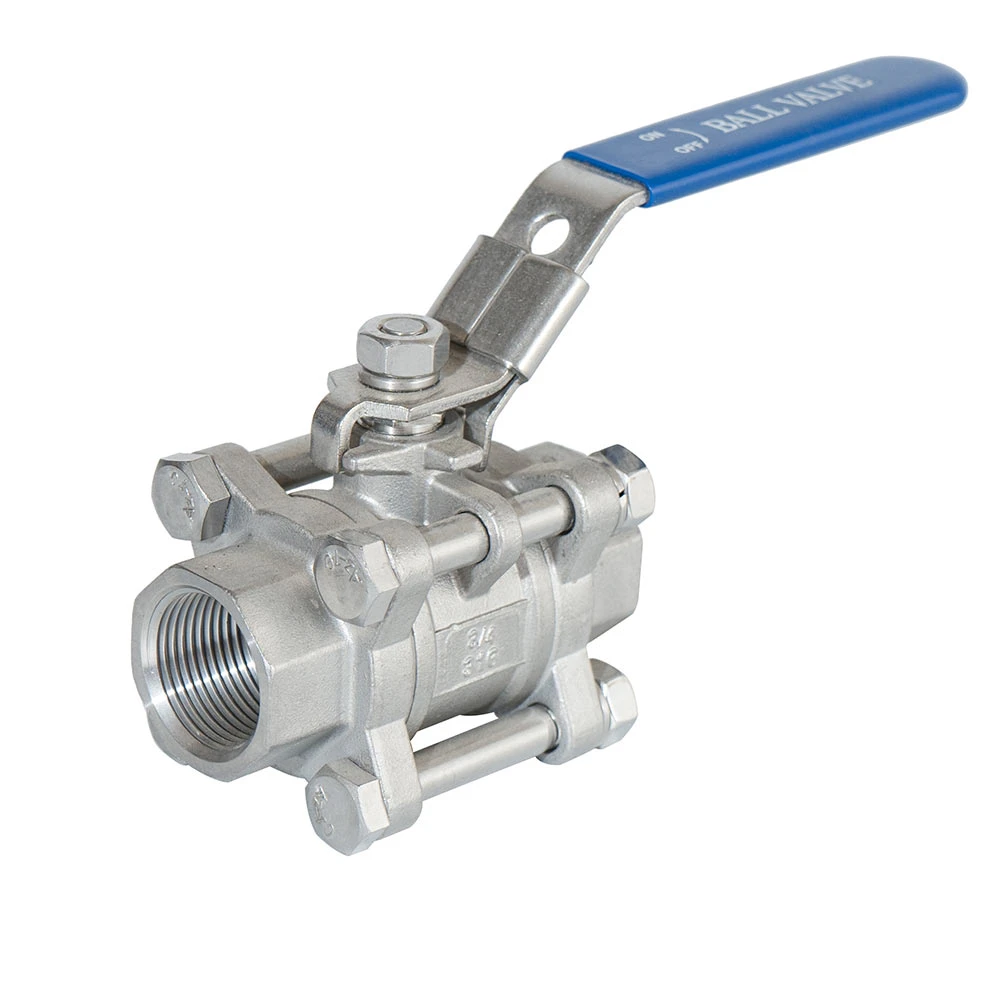
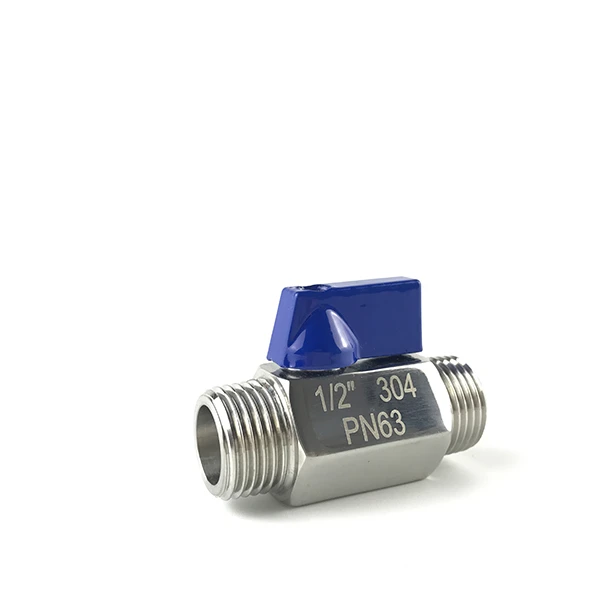
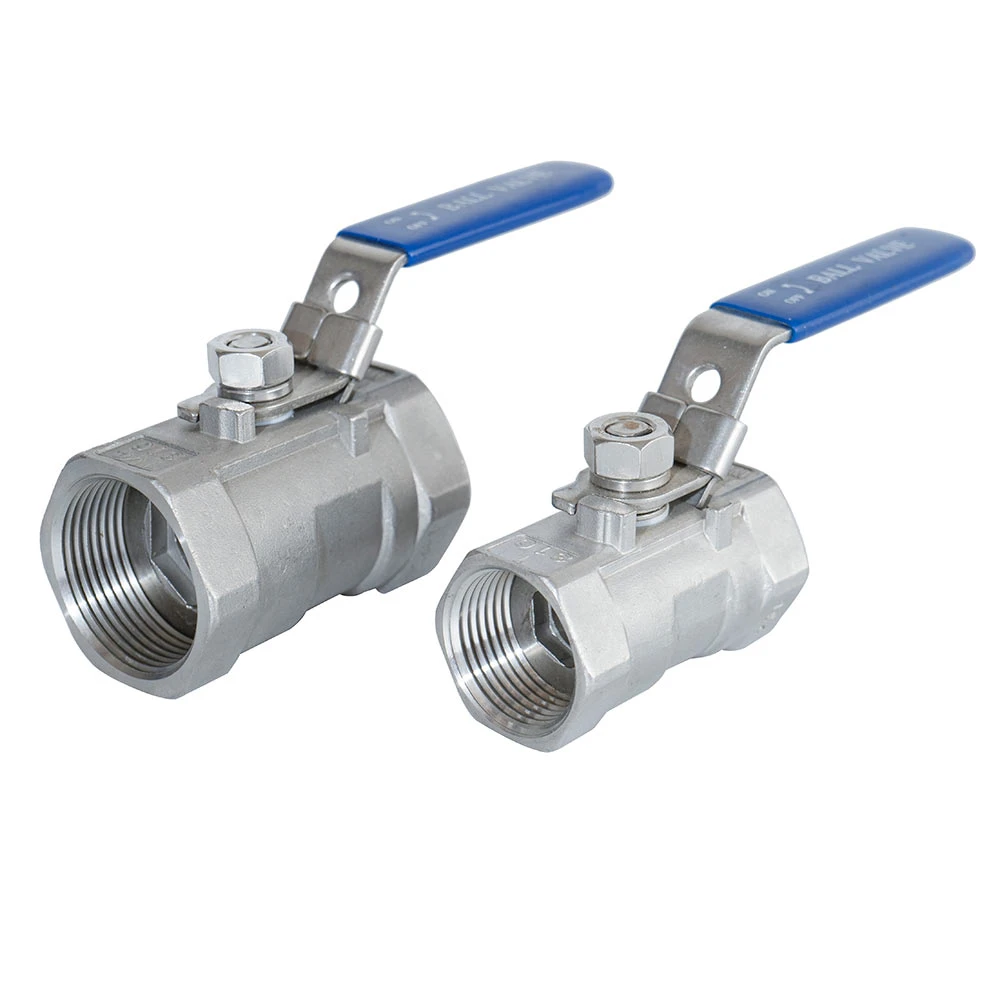
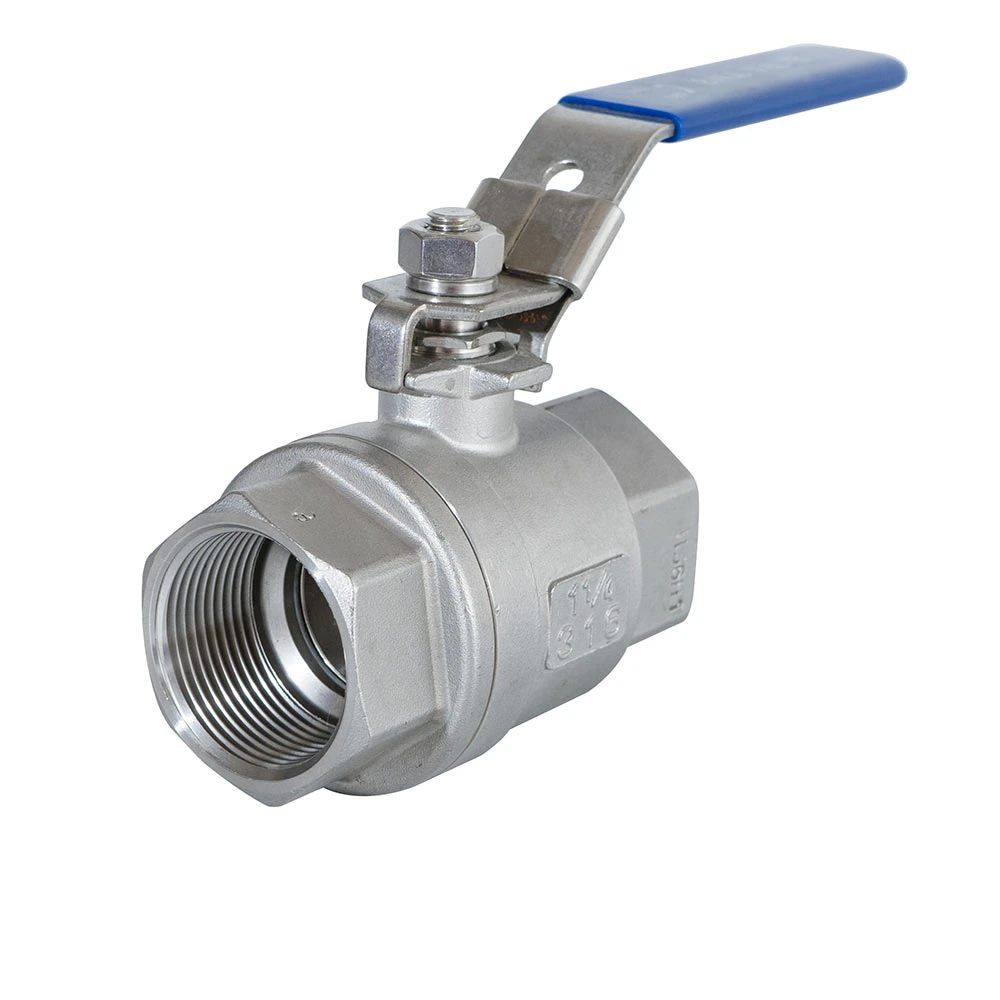
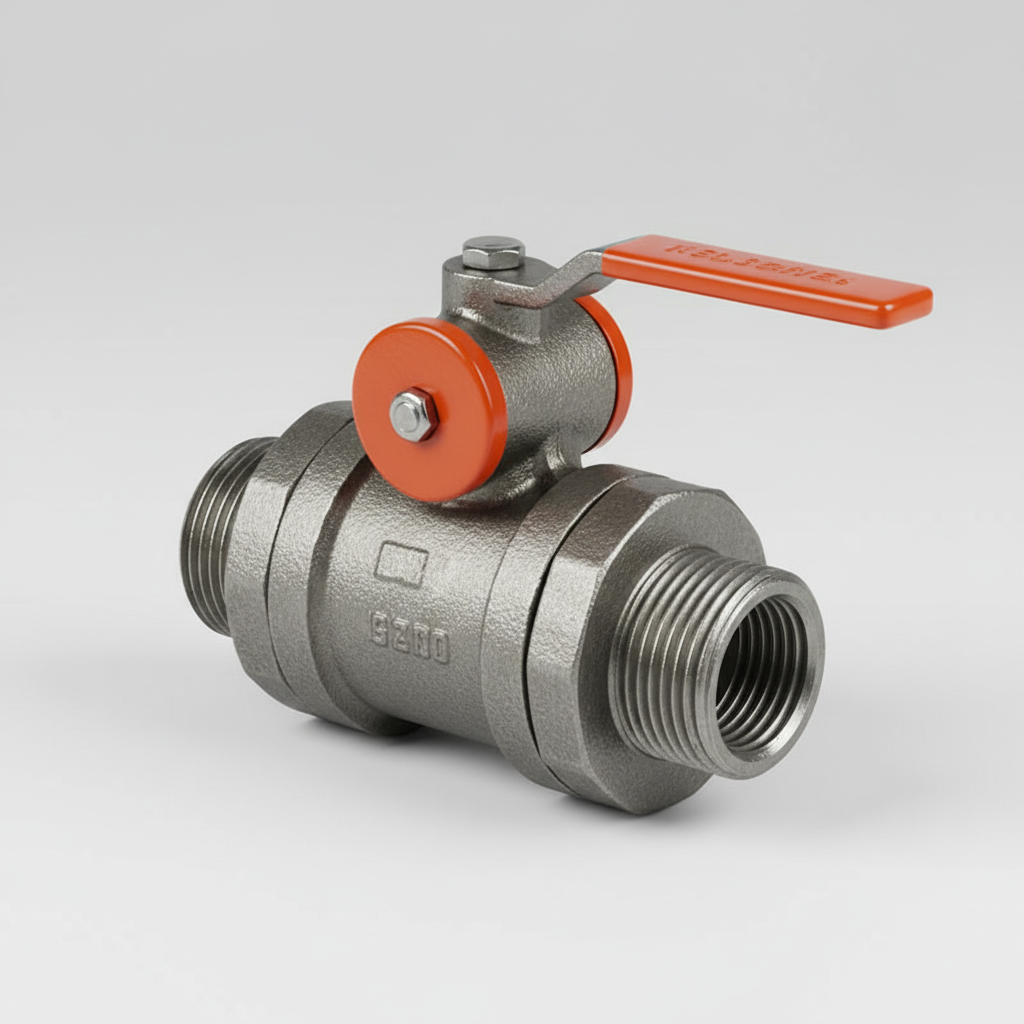
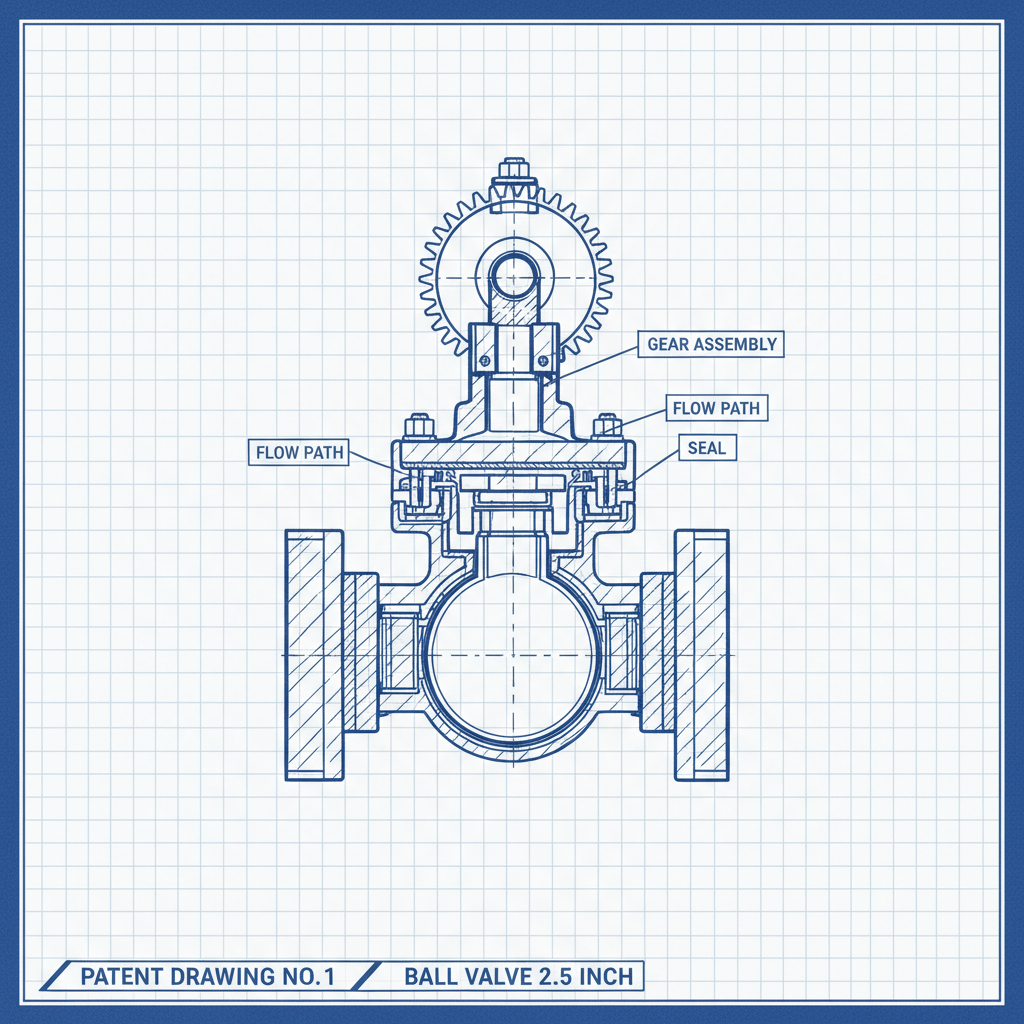
A 2.5 inch ball valve, as the name suggests, features a 2.5-inch diameter bore, making it suitable for handling substantial fluid flow. The core component is a hollow, perforated and pivoting ball, typically made of chrome-plated brass, stainless steel, or PVC. Rotating the ball a quarter turn controls the flow – open for full flow, closed for complete shutoff. Key features include quick operation, tight sealing, and minimal pressure drop when fully open. Houde Valve offers a wide range of materials and configurations to suit diverse applications.
Key Highlights: Quick quarter-turn operation, robust construction, available in various materials (brass, stainless steel, PVC), and tight shut-off capabilities.
Applications of a 2.5 Inch Ball Valve
The versatility of the 2.5 inch ball valve lends itself to a vast array of applications. Common uses include water supply systems, irrigation, fire protection systems, oil and gas industries, chemical processing, and even residential plumbing. In irrigation, they control water flow to different zones. In industrial settings, they regulate the flow of various chemicals and fluids. Their reliability and ease of use make them an ideal choice for critical applications. Houde Valve’s ball valves are specifically engineered to withstand harsh conditions and demanding operational requirements.
Application Benefits:
• Efficient flow control in various systems
• Reliable shut-off capabilities
• Suitable for a wide range of fluids
• Durable and long-lasting performance
2.5 Inch Ball Valve: Material Options and Their Impact
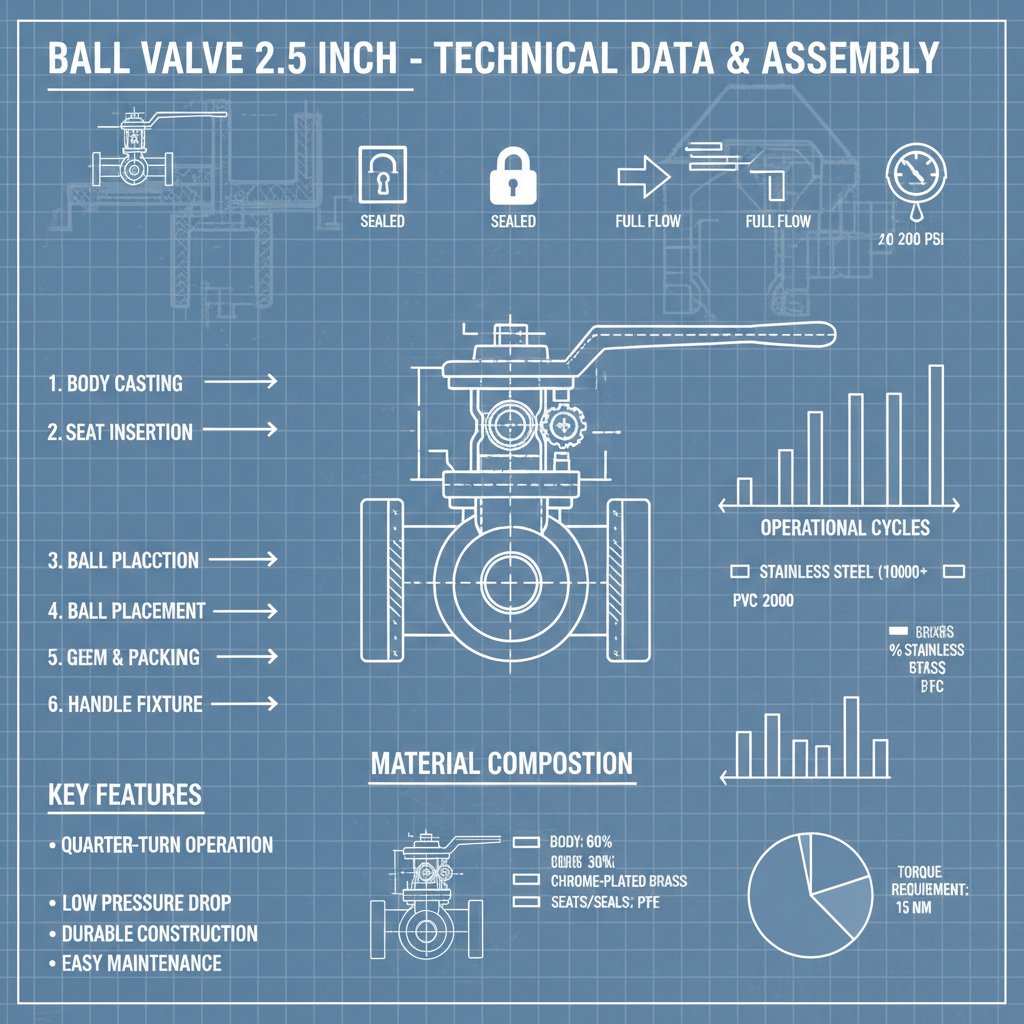
The material of a 2.5 inch ball valve significantly impacts its performance and suitability for specific applications. Here’s a comparison of common materials:
Selecting the Right 2.5 Inch Ball Valve with Houde Valve
Choosing the right 2.5 inch ball valve involves considering the fluid type, pressure and temperature requirements, and the desired connection type (threaded, flanged, etc.). Houde Valve provides expert guidance to help you select the optimal valve for your specific application. Their comprehensive range of valves, combined with their commitment to quality and customer service, makes them a trusted partner for fluid control solutions.
Maintenance and Longevity of Your Ball Valve
Proper maintenance is crucial for ensuring the longevity and reliable performance of your 2.5 inch ball valve. Regular inspection for leaks, corrosion, and wear is recommended. Lubrication of the valve stem can help maintain smooth operation. Avoid over-tightening the valve handle, as this can damage the internal components. Following these simple maintenance tips can significantly extend the lifespan of your valve and prevent costly repairs. Houde Valve also offers maintenance services and spare parts to support your long-term needs.
Conclusion: Ensuring Reliable Fluid Control with a Quality 2.5 Inch Ball Valve
Investing in a high-quality 2.5 inch ball valve from a reputable manufacturer like Houde Valve is crucial for ensuring reliable and efficient fluid control in your operations. By carefully considering your application requirements and selecting the appropriate materials and features, you can maximize the performance and longevity of your valve.
Frequently Asked Questions (FAQs)
What is the typical lifespan of a 2.5 inch ball valve?
The lifespan of a 2.5 inch ball valve varies depending on factors such as material, operating conditions, and frequency of use. Generally, a well-maintained ball valve can last for 5-10 years or even longer. However, regular inspection and maintenance are crucial. Corrosive environments or frequent cycling can shorten the lifespan. Selecting a valve constructed from appropriate materials for your application will contribute to a longer service life.
What pressure ratings are available for 2.5 inch ball valves?
2.5 inch ball valves are available in a wide range of pressure ratings, typically ranging from 150 PSI to 1000 PSI or higher, depending on the material and construction. It’s crucial to select a valve with a pressure rating that meets or exceeds the maximum pressure of your system to ensure safe and reliable operation. Houde Valve offers valves with various pressure ratings to accommodate diverse applications.
How do I determine the correct connection type for my application?
The correct connection type depends on your piping system and the fluid being handled. Common connection types include threaded (NPT, BSP), flanged (ANSI, DIN), and socket weld. Threaded connections are suitable for smaller pipes and lower pressures, while flanged connections are preferred for larger pipes and higher pressures. Socket weld connections provide a strong, leak-proof seal. Consulting with a valve specialist, such as those at Houde Valve, can help you choose the optimal connection type.
Can a 2.5 inch ball valve be used with abrasive fluids?
Using a 2.5 inch ball valve with abrasive fluids can lead to premature wear and failure. In such cases, it's recommended to select a valve with a hardened ball and seats specifically designed to resist abrasion. Materials like stainless steel or ceramic are often used for these applications. Consider also using a filter upstream of the valve to reduce the amount of abrasive particles. Contacting Houde Valve will allow you to explore solutions suitable for abrasive fluid applications.